
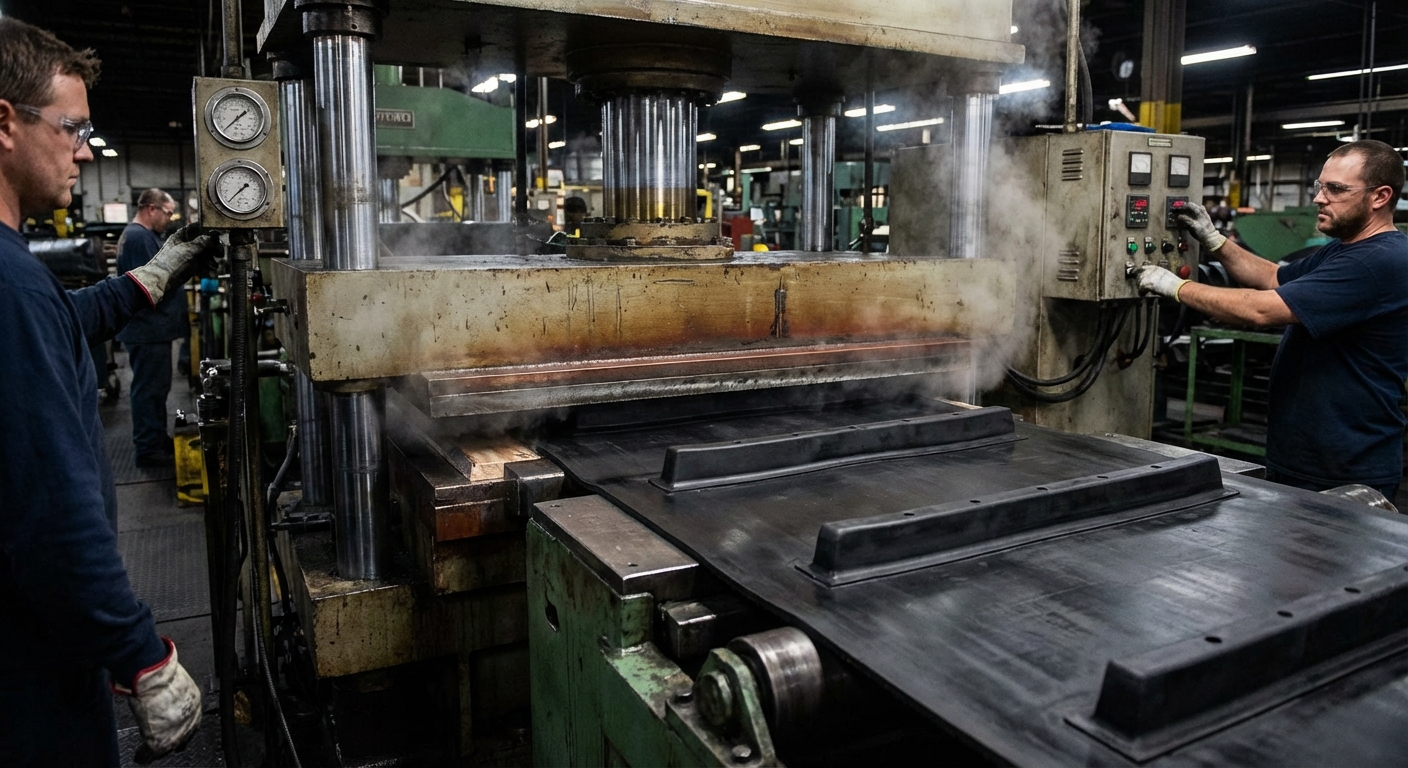
A canvas rubber conveyor belt vulcanizing machine creates strong, seamless belt joints through heat and pressure, reducing downtime and ensuring reliable, long-term performance in industrial systems.
What is a canvas rubber conveyor belt vulcanizing machine?
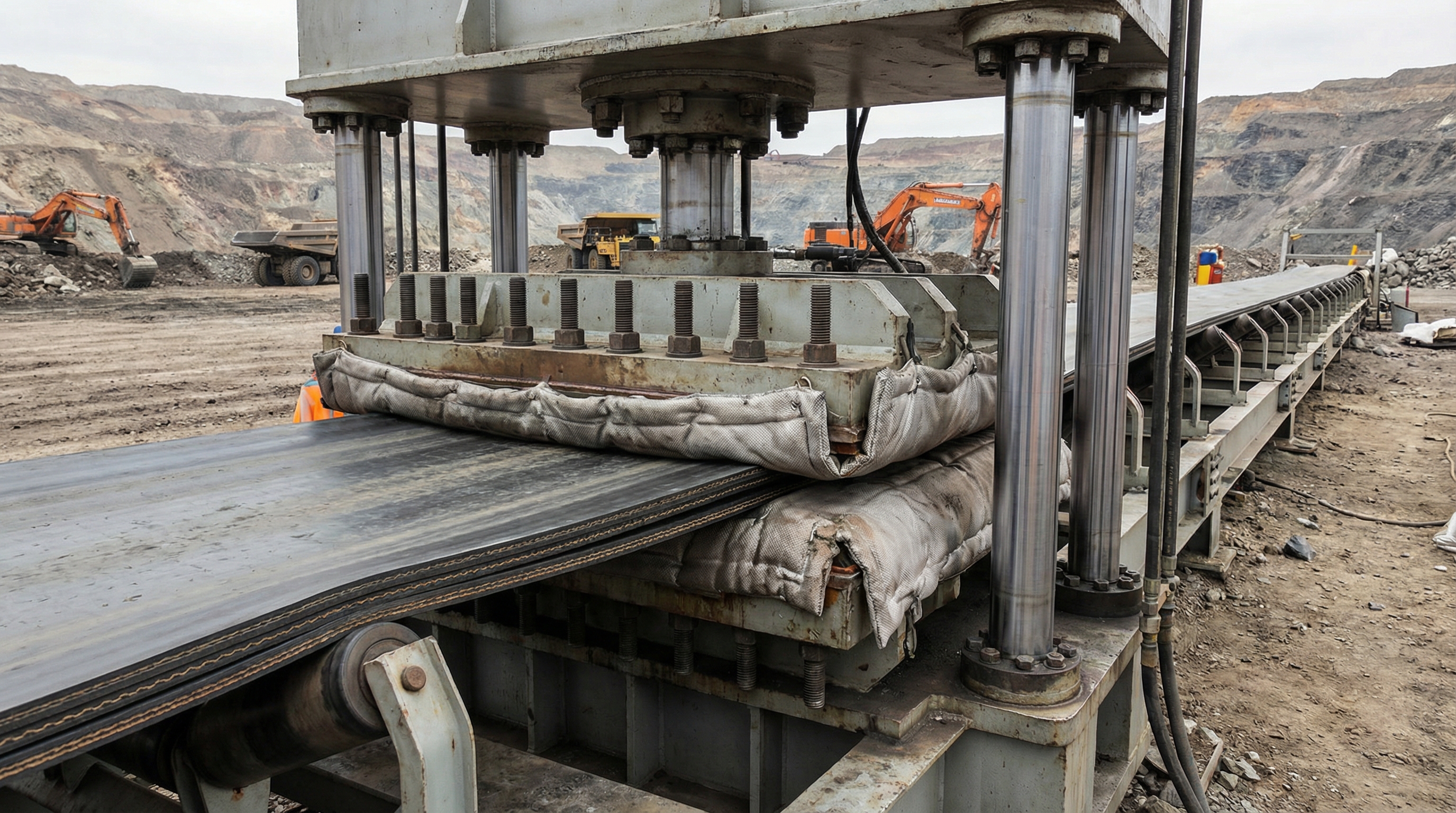
A vulcanizing machine is a specialized heavy-duty thermal press designed to fuse rubber belt ends into a single, unified structure. By employing a canvas rubber conveyor belt vulcanizing machine, you can transform a mechanical joint into a seamless bond that handles high-tension loads with ease.
What are the primary machine components?
The machine structure consists of high-strength aluminum alloy cross-beams that provide the necessary clamping force. You will find that these components work together to ensure the pressure is distributed evenly across the entire splice area.
- Top and bottom heavy-duty aluminum beams.
- Electric heating plates with embedded elements.
- Automated digital temperature control box.
- High-pressure water or air bags.
How does the core design benefit you?
But wait, there’s more to the design than just raw strength. This specific canvas rubber conveyor belt vulcanizing machine uses a modular approach, allowing you to assemble the unit directly on the conveyor frame in remote locations.
- Lightweight modular sections for easier handling.
- Quick-bolting mechanisms for fast setup.
- Integrated cooling systems for rapid cycle times.
Key TakeawayThe vulcanizing machine is the most effective tool for creating high-strength joints that exceed the durability of cold bonding or mechanical fasteners.
| Component | Function | Advantage | |
|---|---|---|---|
| Aluminum Beams | Structural Clamping | Reduces machine weight by 1/3 | |
| Heating Plates | Thermal Energy | Ensures ±3°C uniformity | |
| Pressure Bag | Force Distribution | Reaches 1.5MPa pressure |
This combination of lightweight materials and high-precision pressure ensures your joints are perfectly flat and structurally sound.
How does the belt vulcanization process work?
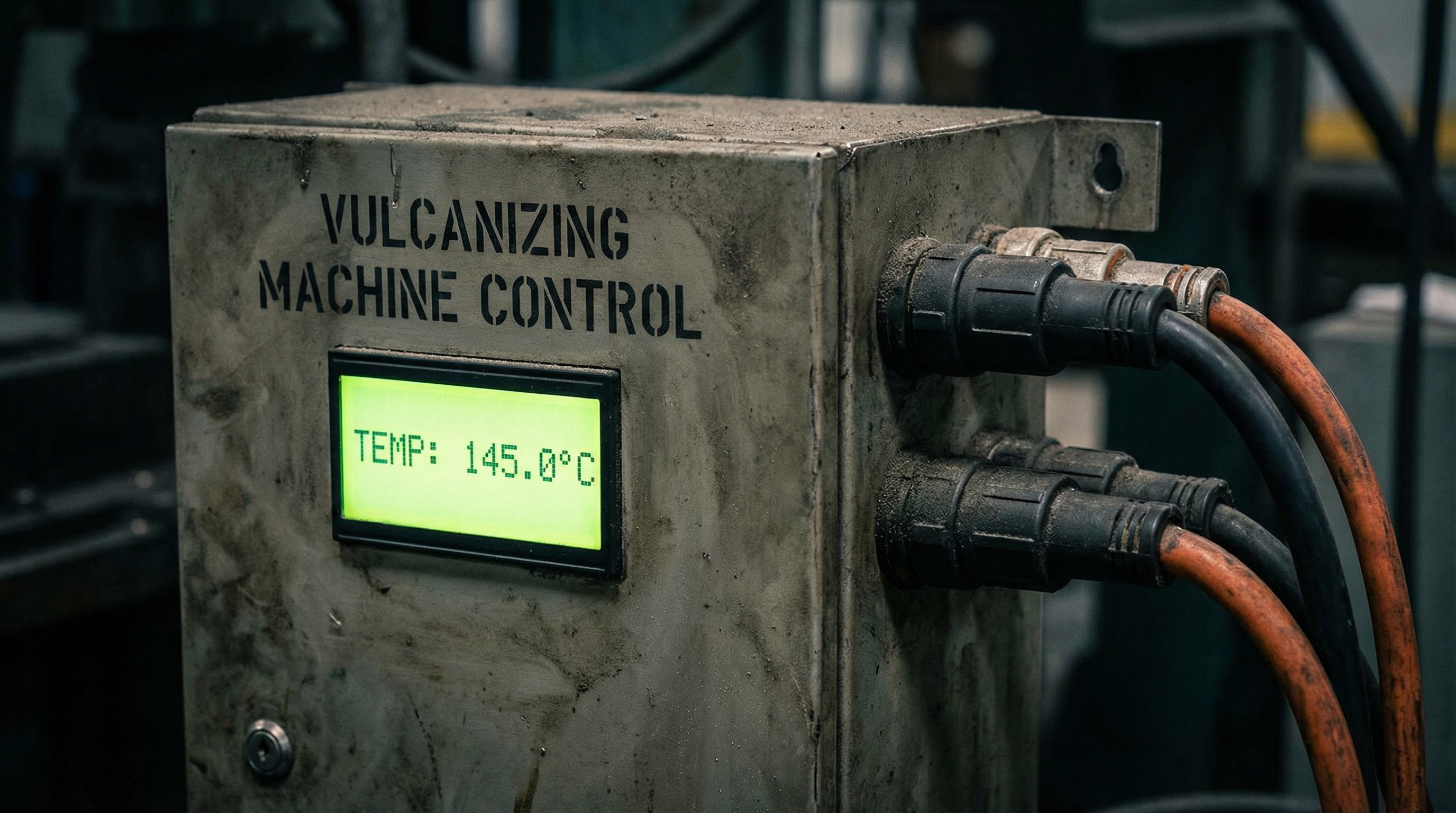
The process works by applying specific temperatures and pressures over a set period to trigger a chemical reaction called cross-linking within the rubber. Using a canvas rubber conveyor belt vulcanizing machine ensures that the raw rubber flows into every fabric pore before solidifying into a permanent bond.
How do heat and pressure interact?
Pressure is applied to eliminate air pockets while heat softens the rubber compounds to a molten state. You must maintain this balance carefully to ensure the layers fuse without charring the delicate internal fabrics.
- Clamping pressure typically reaches 1.5 MPa.
- Temperatures are held steady at 145°C.
- Dwell time allows sulfur to form molecular bridges.
Why is molecular cross-linking important?
And that’s not all; the chemical change during the “cook” cycle makes the rubber heat-resistant and elastic. This transformation is what gives the canvas rubber conveyor belt vulcanizing machine its reputation for creating joints as strong as the original belt.
- Increases the tensile strength of the splice.
- Enhances resistance to environmental moisture.
- Prevents delamination under high operating tension.
Key TakeawaySuccessful vulcanization requires precise control over the chemical reaction period to ensure a unified material structure.
| Process Phase | Goal | Result | |
|---|---|---|---|
| Heating | Soften Rubber | Material flow into canvas pores | |
| Pressurization | Remove Air | High-density, gap-free bond | |
| Cooling | Solidify Joint | Immediate operational readiness |
By following strict timing and temperature windows, you achieve a joint that resists aging and mechanical fatigue.
Why is temperature control critical in jointing?
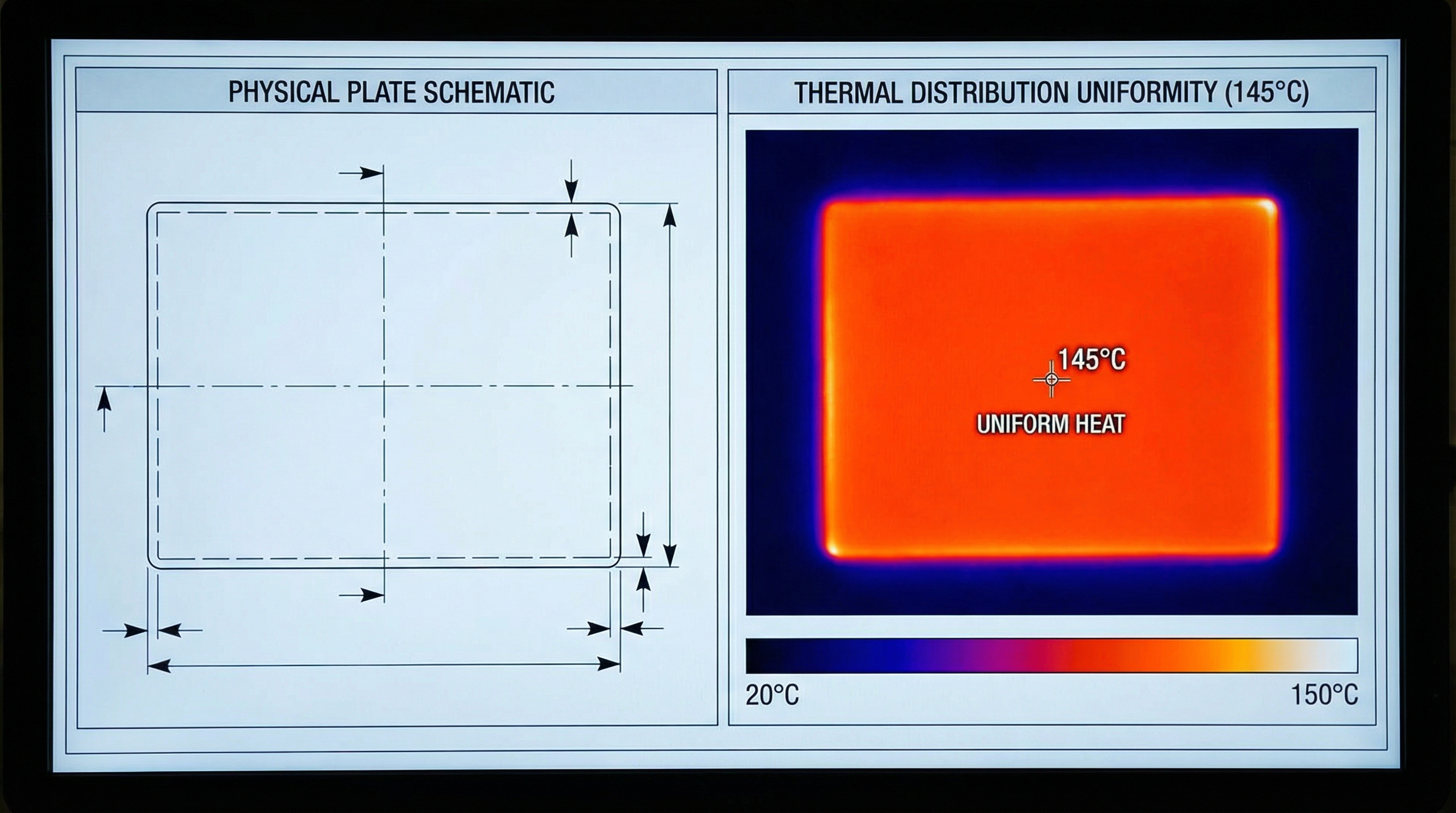
Temperature control is critical because inconsistent heating causes uneven curing, which leads to localized weak spots and eventual splice failure. When using a canvas rubber conveyor belt vulcanizing machine, you must ensure the thermal distribution is uniform across the entire plate surface to avoid brittleness.
How do modern machines maintain uniformity?
Advanced heating layers use a “three-in-one” structure that enhances thermal conductivity across the working face. You will notice that professional systems limit the temperature deviation to a mere ±3°C, ensuring a balanced cure everywhere.
- Embedded high-precision thermal sensors.
- Digital LCD controllers for real-time monitoring.
- Uniform heating elements across the entire plate.
Can overheating damage the conveyor belt?
But wait, there’s more to worry about than just cold spots—excessive heat can destroy the rubber’s elastic properties. You rely on the automated shut-off features of a canvas rubber conveyor belt vulcanizing machine to prevent thermal degradation of the canvas carcass.
- Prevents rubber from becoming hard and brittle.
- Protects the synthetic fibers within the canvas.
- Extends the overall service life of the joint.
Key TakeawayThermal precision is the single most important factor in determining the final flexibility and lifespan of a vulcanized splice.
| Feature | Specification | User Benefit | |
|---|---|---|---|
| Temp Difference | ±3°C to ±4°C | Uniform material curing | |
| Heating Time | < 25 Minutes | Faster repair turnaround | |
| Range | Up to 200°C | Compatibility with diverse materials |
Consistent heating prevents the internal stress buildup that typically causes joints to peel or crack over time.
What are the main technical parameters for machines?
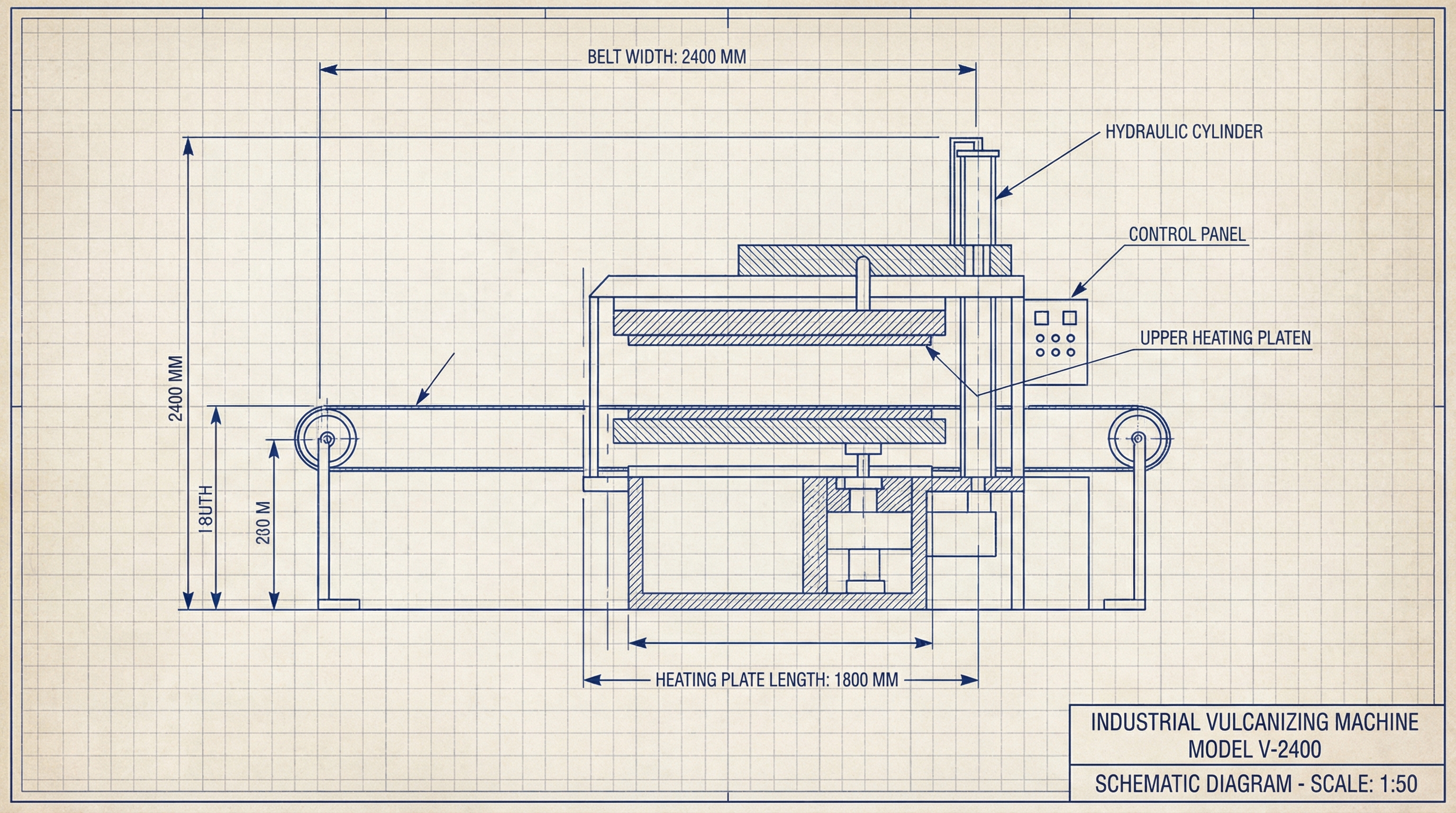
The main technical parameters include a standard vulcanization pressure of 1.5MPa and a vulcanization temperature of approximately 145°C. Understanding these specs is vital when selecting a canvas rubber conveyor belt vulcanizing machine that matches your specific belt width and tension requirements.
Which electrical specs are standard?
Most industrial units operate on 380V or 660V power supplies to handle the significant heating load. You should verify that your site’s power capacity can support the output, which often ranges from 9kW to 36kW depending on the belt width.
- Standard 50Hz frequency compatibility.
- High-capacity waterproof electrical connectors.
- Digital timing adjustment from 0 to 59 minutes.
How is the pressure tested?
And that’s not all; the pressure bags undergo rigorous testing at 1.875MPa for 30 minutes to ensure they won’t leak under load. This safety margin gives you confidence when operating the canvas rubber conveyor belt vulcanizing machine at its maximum rated capacity.
- Hydraulic or pneumatic pressure bag options.
- Uniform force distribution across 100% of the area.
- No-leakage design under high-stress cycles.
Key TakeawayMatching the machine’s technical parameters to your belt’s physical properties is essential for a reliable and safe vulcanization cycle.
| Parameter | Industrial Standard | Importance | |
|---|---|---|---|
| Working Pressure | 1.5 MPa | Deep rubber penetration | |
| Standard Temp | 145°C | Optimal sulfur cross-linking | |
| Cooling Speed | 145°C to 70°C in 15min | Minimizes production downtime |
High-spec machines provide the repeatability needed for large-scale industrial conveyor maintenance programs.
How do canvas rubber belts benefit from vulcanization?
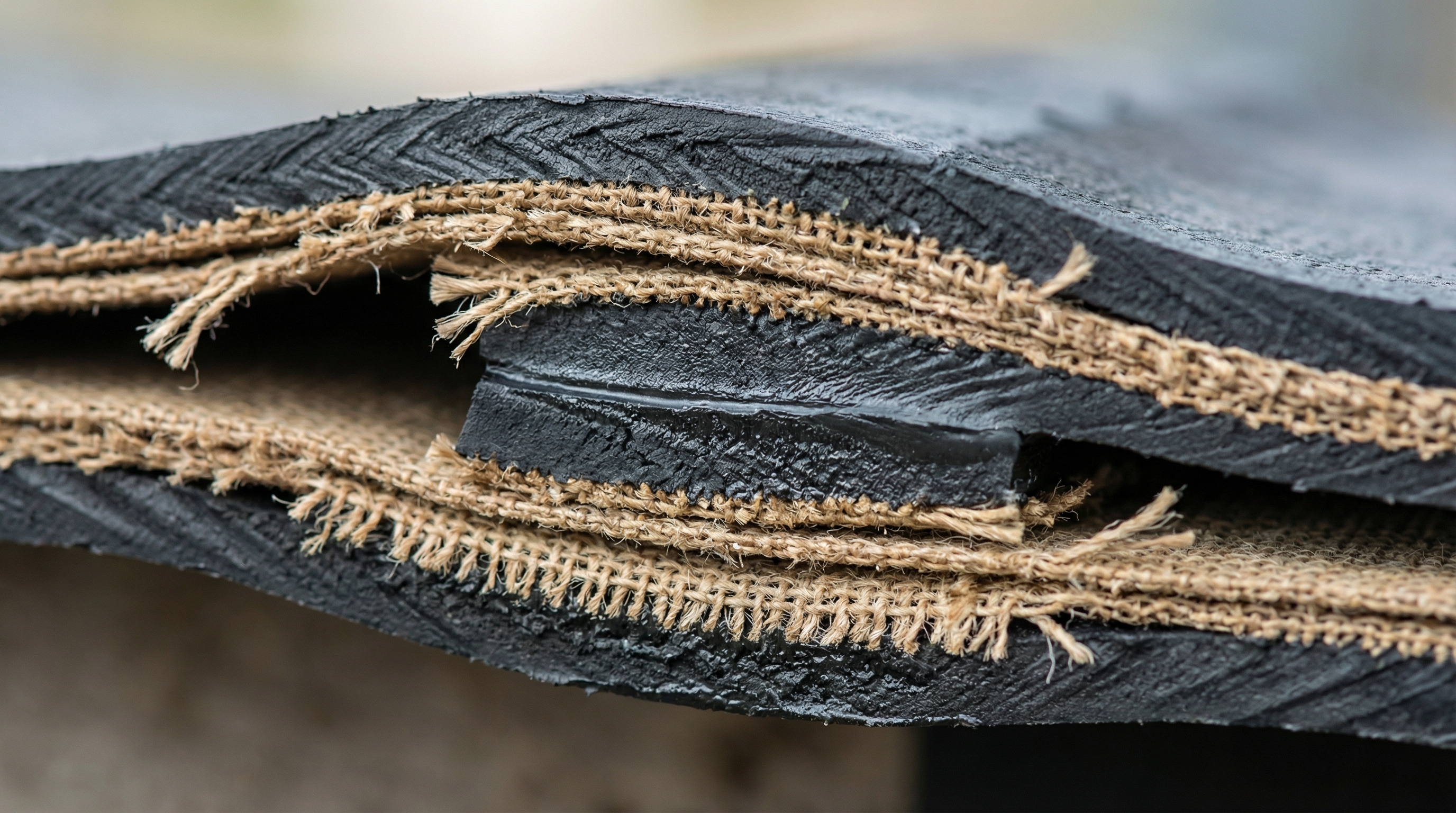
Canvas rubber belts benefit from vulcanization because it creates a joint that maintains up to 90% of the original belt’s tensile strength. A canvas rubber conveyor belt vulcanizing machine produces a flush, smooth surface that allows scrapers and cleaners to pass without causing damage.
Does vulcanization improve moisture resistance?
Yes, the chemical bond created by the process is completely waterproof and dust-proof. You will find that this protects the internal canvas layers from rot and degradation, which is a common problem with mechanical fasteners.
- Seals the belt ends from environmental moisture.
- Prevents abrasive dust from entering the carcass.
- Eliminates the risk of fastener pull-out.
Why is a smooth joint profile better?
But wait, there’s more; a smooth profile reduces the mechanical vibration in your conveyor system. When you use a canvas rubber conveyor belt vulcanizing machine, you reduce the wear on pulleys and rollers by eliminating the “bump” of a traditional joint.
- Decreases maintenance on idlers and rollers.
- Improves the tracking accuracy of the belt.
- Reduces the risk of material spillage at the joint.
Key TakeawayHot vulcanization is the superior choice for high-tension and high-capacity conveyors where joint integrity cannot be compromised.
| Benefit | Vulcanized Splice | Mechanical Fastener | |
|---|---|---|---|
| Strength | 90% Original | 50% to 70% Original | |
| Surface Profile | Flush / Seamless | Protruding / Jagged | |
| Carcass Protection | Hermetically Sealed | Exposed to Moisture |
Choosing hot vulcanization significantly lowers the long-term total cost of ownership for your conveying assets.
Which industries rely on belt vulcanizing technology?
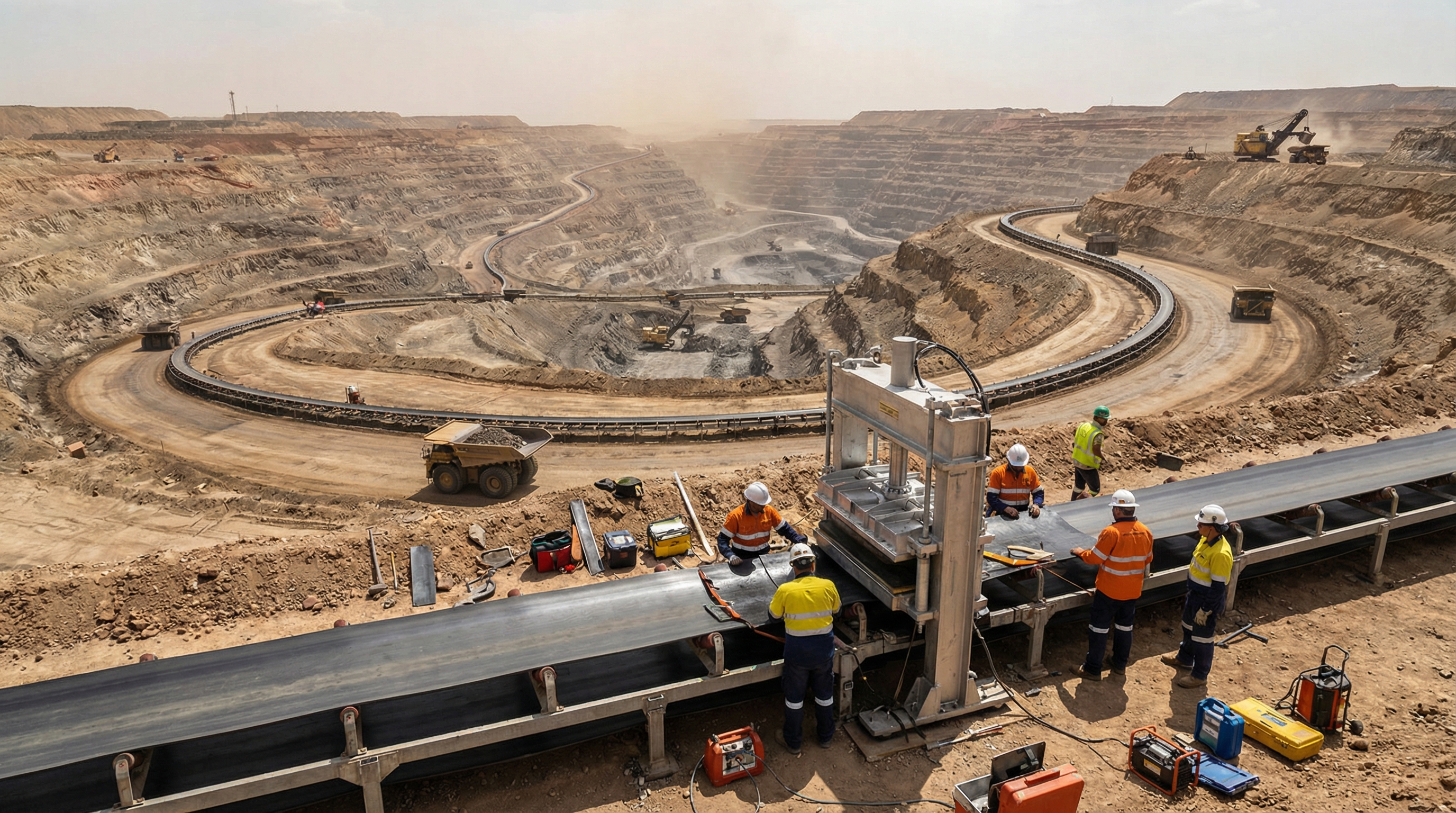
Heavy industries like mining, cement production, and bulk material handling rely on this technology for mission-critical operations. A canvas rubber conveyor belt vulcanizing machine is often found in sites where belts transport thousands of tons of abrasive material every hour.
How is it used in mining?
In open-pit mines, belts travel miles and face extreme environmental stress. You need the deep chemical fusion provided by a canvas rubber conveyor belt vulcanizing machine to handle the high-tension requirements of these massive systems.
- Repairing longitudinal rips in the belt.
- Splicing new belt sections during installation.
- Strengthening vulnerable high-impact zones.
What about port and terminal use?
And that’s not all; shipping ports use these machines to maintain the high-speed belts required for ship loading. You can’t afford a joint failure when a vessel is waiting, making the reliability of the canvas rubber conveyor belt vulcanizing machine absolutely essential.
- Maintaining high-capacity grain conveyors.
- Splicing heavy-duty coal handling belts.
- Ensuring 24/7 reliability for logistics.
Key TakeawayAny industry moving bulk aggregates or raw minerals requires onsite vulcanization capabilities to minimize expensive operational delays.
| Industry | Typical Application | Critical Need | |
|---|---|---|---|
| Mining | Ore Transport | Impact and Tear Resistance | |
| Cement | Clinker Handling | Heat and Abrasion Resistance | |
| Port Terminals | Ship Loading | High Speed and Reliability |
Reliable splicing technology acts as insurance against the catastrophic failure of primary material delivery routes.
What features make a vulcanizing machine portable?
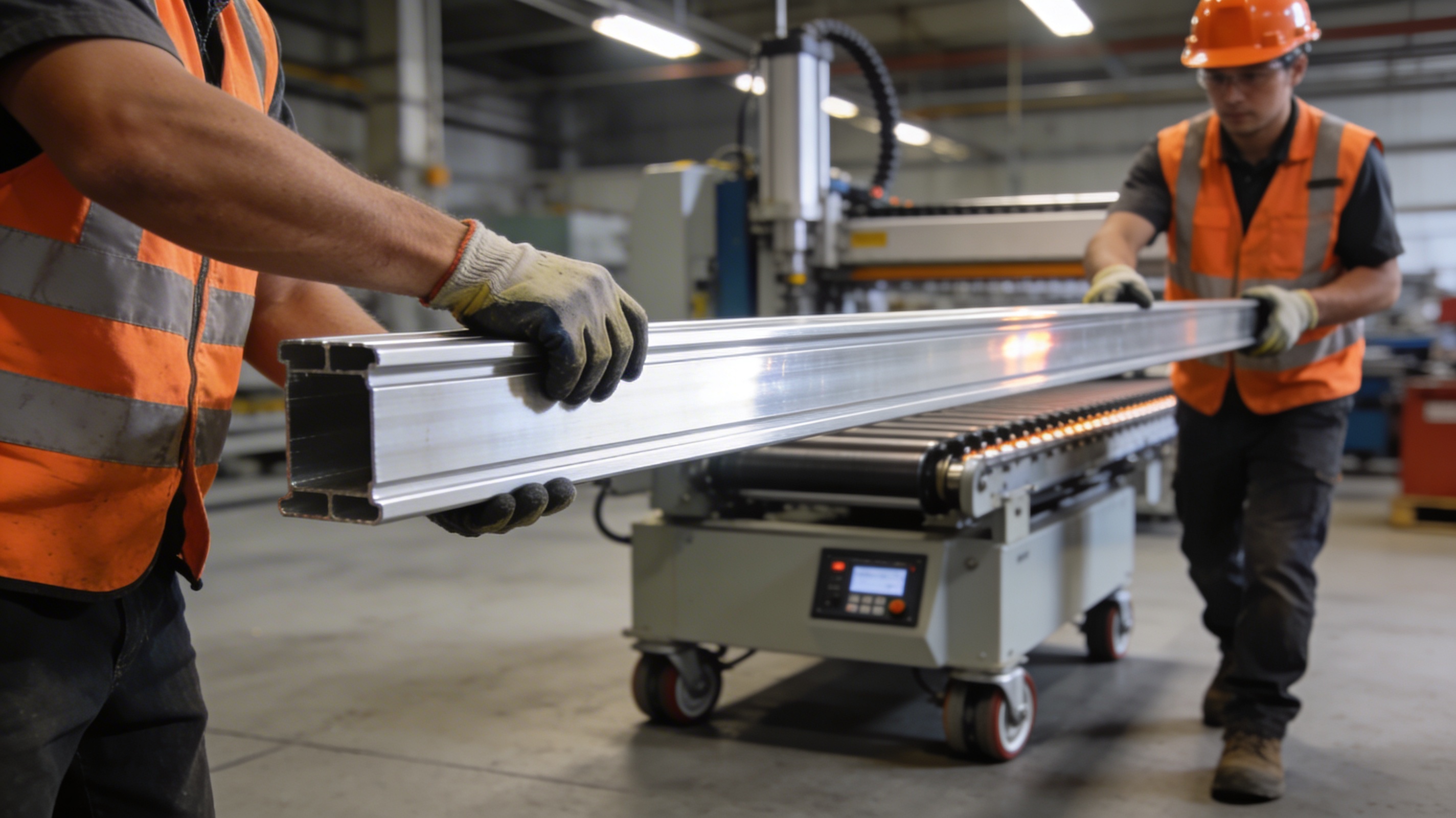
Portability is achieved through high-strength aluminum alloy construction, which reduces the total weight by one-third compared to steel models. A canvas rubber conveyor belt vulcanizing machine is designed with modular components so that a small crew can transport and assemble it in tight spaces.
Can two people carry the components?
Yes, most beams and plates are designed to be “man-portable,” meaning two technicians can easily lift individual sections. You will appreciate this feature when you have to carry the canvas rubber conveyor belt vulcanizing machine up a steep conveyor gallery or into a remote mine site.
- Lightweight beams with ergonomic handles.
- Modular heating plates that slot together.
- Separate, compact electronic control units.
How does modularity speed up assembly?
But wait, there’s more; the “Lego-style” assembly means you don’t need heavy lifting equipment for most repairs. You can bolt the canvas rubber conveyor belt vulcanizing machine together in minutes, significantly reducing the “idle time” before the vulcanization cycle begins.
- Quick-connect electrical and hydraulic plugs.
- Fast-acting clamping bolts with coarse threads.
- Modular pressure bags for custom belt widths.
Key TakeawayThe transition to aluminum alloys has revolutionized field maintenance by making heavy-duty presses manageable for small teams.
| Feature | Design Implementation | Portability Benefit | |
|---|---|---|---|
| Beam Material | High-Strength Al-Alloy | 33% lighter than steel | |
| Electronics | Vertical Double-Deck | Compact and weather-protected | |
| Connections | Plug-and-Play Plugs | No specialized tools required |
Portable machines allow you to bring factory-grade splicing precision directly to the conveyor line, no matter the location.
What safety protocols are required during operation?
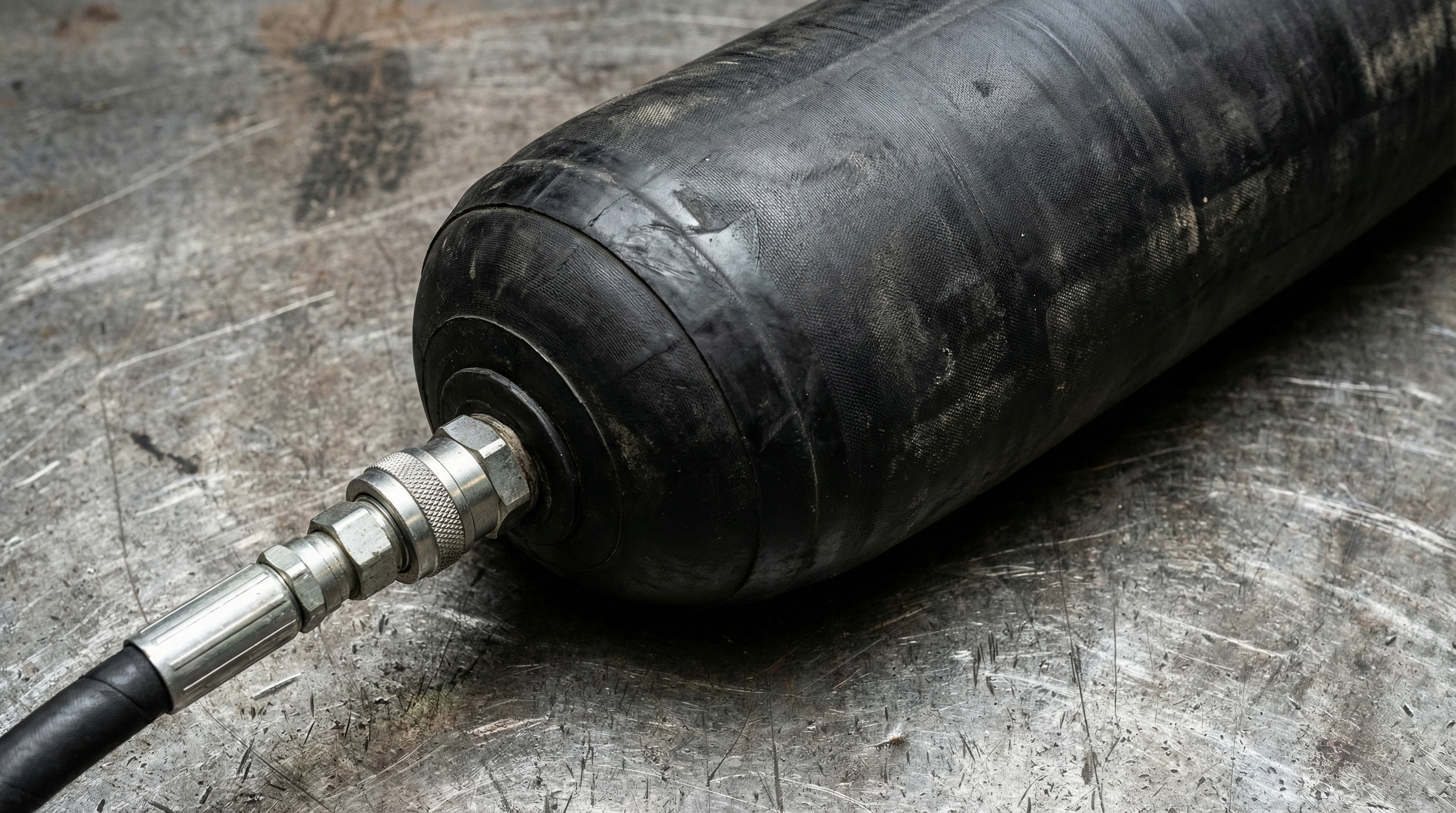
Safety protocols include proper electrical grounding and ensuring that all cross-beam bolts are fully tightened before pressurization. When operating a canvas rubber conveyor belt vulcanizing machine , you must never inflate the pressure bag until the structural frame is mechanically secured.
Why is grounding so important?
Because these machines use high voltage in often damp industrial environments, a grounding failure could lead to fatal shocks. You should always use a waterproof control box with a canvas rubber conveyor belt vulcanizing machine to protect your technicians from electrical hazards.
- Check all insulation on power cables.
- Use GFCI-protected circuits whenever possible.
- Ensure the control box is kept away from standing water.
What are the pressure risks?
And that’s not all; a pressure bag failure under 1.5MPa can turn metal bolts into dangerous projectiles. You must monitor the pressure gauge on the canvas rubber conveyor belt vulcanizing machine constantly to ensure it stays within the safe operating range.
- Wear heat-resistant gloves during handling.
- Clear the area of non-essential personnel.
- Inspect bolts for thread wear before every use.
Key TakeawayStrict adherence to electrical and mechanical safety margins is non-negotiable when working with high-pressure thermal equipment.
| Risk Factor | Safety Measure | Outcome | |
|---|---|---|---|
| Electrical Shock | Waterproof Control Box | Prevention of short circuits | |
| Structural Failure | Torque-Checked Bolts | Secure containment of pressure | |
| Thermal Burns | PPE (Heat Gloves/Suits) | Protection from 145°C plates |
A “safety-first” approach ensures that your maintenance team remains productive and injury-free during complex splice repairs.
How do you maintain a belt joint vulcanizing machine?
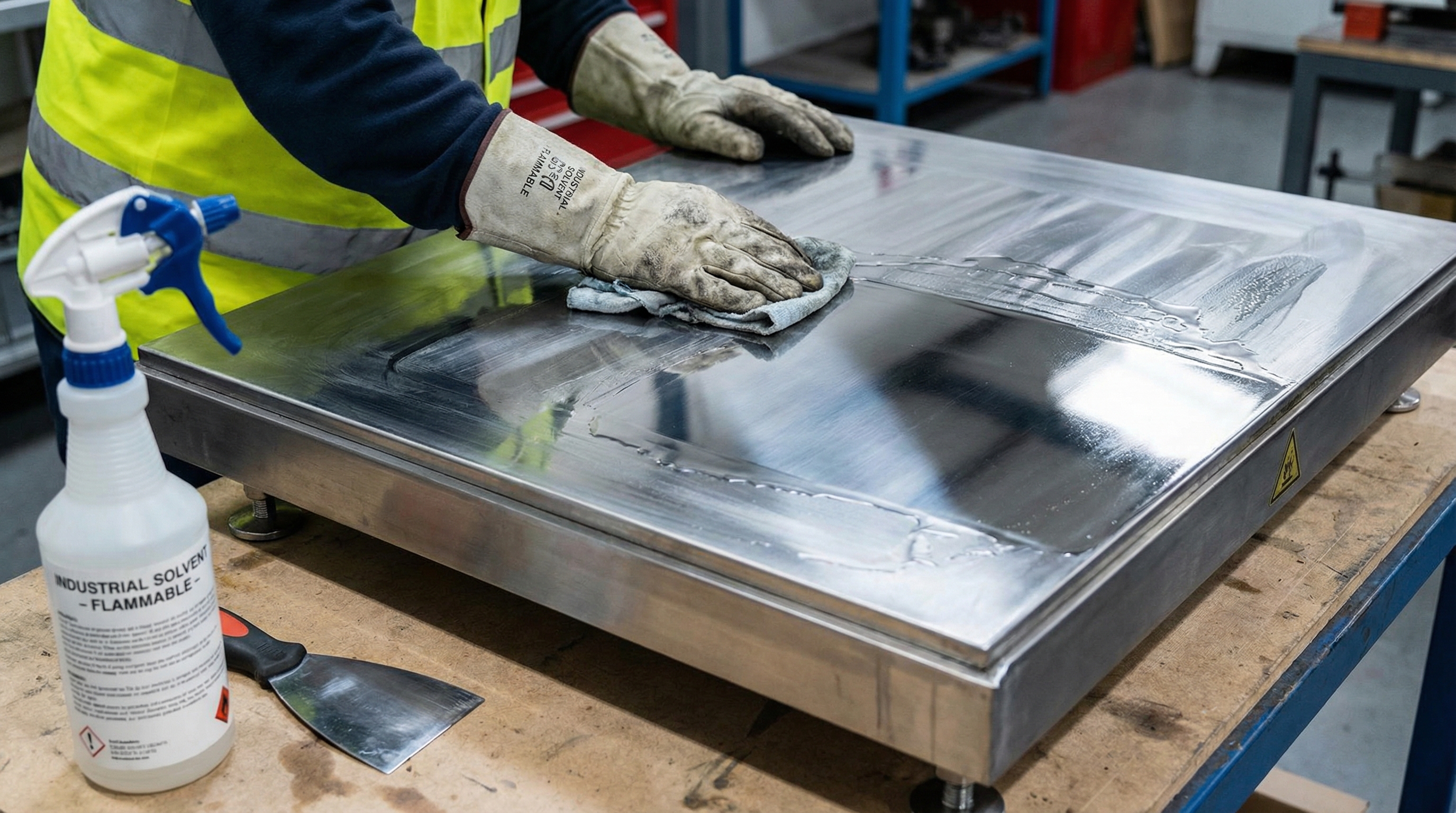
Maintenance requires regular cleaning of the heating plates and inspection of the pressure bags for any signs of wear or thinning. Using a canvas rubber conveyor belt vulcanizing machine on a dirty plate will result in an uneven joint surface that can trap air and fail prematurely.
How do you clean the heating surfaces?
You should use specialized solvents to remove any residual rubber or adhesive after every single splice cycle. Keeping the aluminum face of the canvas rubber conveyor belt vulcanizing machine polished ensures maximum heat transfer and prevents the belt from sticking.
- Remove hardened glue with a soft scraper.
- Use non-abrasive cleaners to protect the aluminum.
- Inspect the plate face for nicks or gouges.
Why check the pressure bags?
But wait, there’s more; the rubber walls of the pressure bags can degrade over time due to heat exposure. You must check the canvas rubber conveyor belt vulcanizing machine bags for cracks or leaks to ensure that the clamping force remains uniform across the belt.
- Perform a low-pressure leak test monthly.
- Store bags in a cool, dry, UV-protected area.
- Replace bags immediately if any thinning is detected.
Key TakeawayPreventative maintenance is the key to ensuring your vulcanizer provides consistent, high-strength splices for years to come.
| Maintenance Task | Frequency | Objective | |
|---|---|---|---|
| Plate Polishing | After Every Use | Smooth joint finish | |
| Electrical Testing | Quarterly | Reliable thermal control | |
| Bag Inspection | Monthly | Uniform pressure delivery |
Proper care of your equipment guarantees that your emergency repairs are successful on the first attempt.
Where can you source high-quality vulcanizing units?
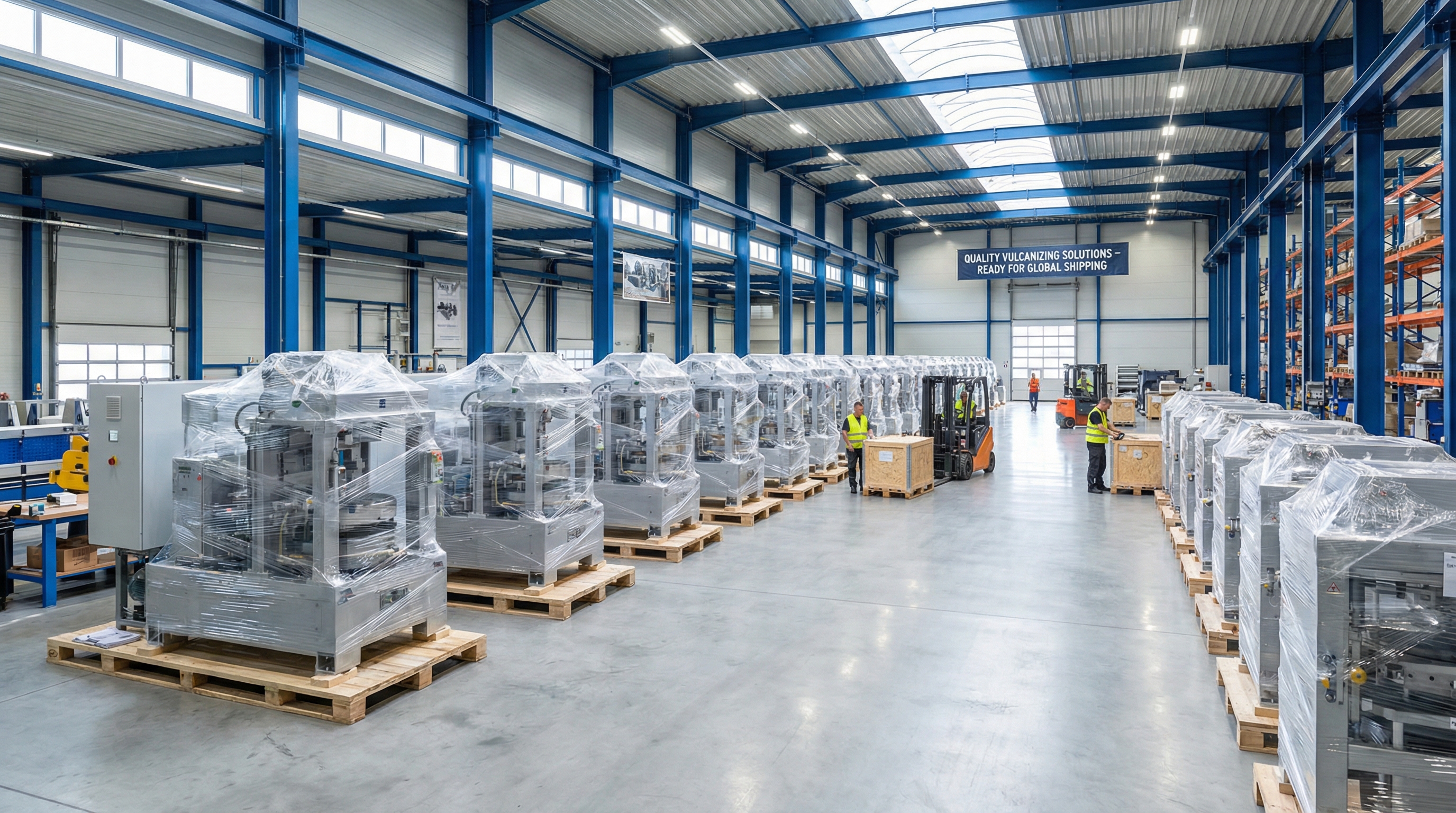
You should source high-quality units directly from established manufacturers who provide customized solutions for your specific belt widths. Purchasing a canvas rubber conveyor belt vulcanizing machine from a factory ensures you receive genuine spare parts and expert technical support.
Is customization available for wide belts?
Yes, professional manufacturers can build machines for belt widths ranging from 650mm up to 2400mm or more. You can specify the exact plate length and splice angle required for your canvas rubber conveyor belt vulcanizing machine to ensure a perfect fit for your system.
- Custom splice angles (16.7° or 20°).
- Specialized voltage configurations (220V/380V/660V).
- Tailored heating plate dimensions for specific plies.
What should you look for in a supplier?
And that’s not all; you should evaluate the supplier’s safety certifications and their track record in your specific industry. A reputable source for a canvas rubber conveyor belt vulcanizing machine will offer a comprehensive warranty and 24-hour engineering consultation.
- CE and ISO quality management certifications.
- Documented testing reports for pressure bags.
- Global delivery and onsite training options.
Key TakeawayDirect factory sourcing eliminates middleman costs while providing the most reliable technical backing for your maintenance team.
| Selection Criteria | Importance | Impact | |
|---|---|---|---|
| Factory Direct | High | 15-30% cost savings | |
| Custom Specs | Critical | Perfect fit for your belts | |
| Tech Support | Essential | Rapid troubleshooting in the field |
Invest in a machine that is backed by years of engineering expertise and proven field performance in the world’s harshest environments. For expert guidance on selecting the right equipment for your facility, contact us today .
Frequently Asked Questions
1. How long does a typical hot vulcanization cycle take?The total “cook” and cooling time is usually about 60 to 75 minutes. While the heating takes 25 minutes, the dwelling and rapid cooling phases are essential for setting the molecular bond properly.
2. Can I use a vulcanizing machine on a PVC belt?No, you typically need a specialized machine with different temperature ranges and cooling profiles for PVC. Standard rubber vulcanizers operate at temperatures that could melt or damage PVC materials.
3. What is the best way to handle a vulcanizer in the rain?You should only operate if you have a waterproof double-deck control box and protective covers. Keeping the electrical connections dry is the only way to ensure safety during outdoor emergency repairs.
4. How do I know if the pressure bag is failing?Check for uneven joint thickness or a visible drop on the pressure gauge during the heating cycle. If the pressure doesn’t hold steady at 1.5MPa, the bag likely has a micro-leak or structural thinning.
5. Is the aluminum machine as durable as a steel one?Yes, high-strength aerospace-grade aluminum alloys provide the same pressure resistance as steel while being significantly easier to transport. The longevity is identical as long as the plates are kept clean and free of oxidation.