
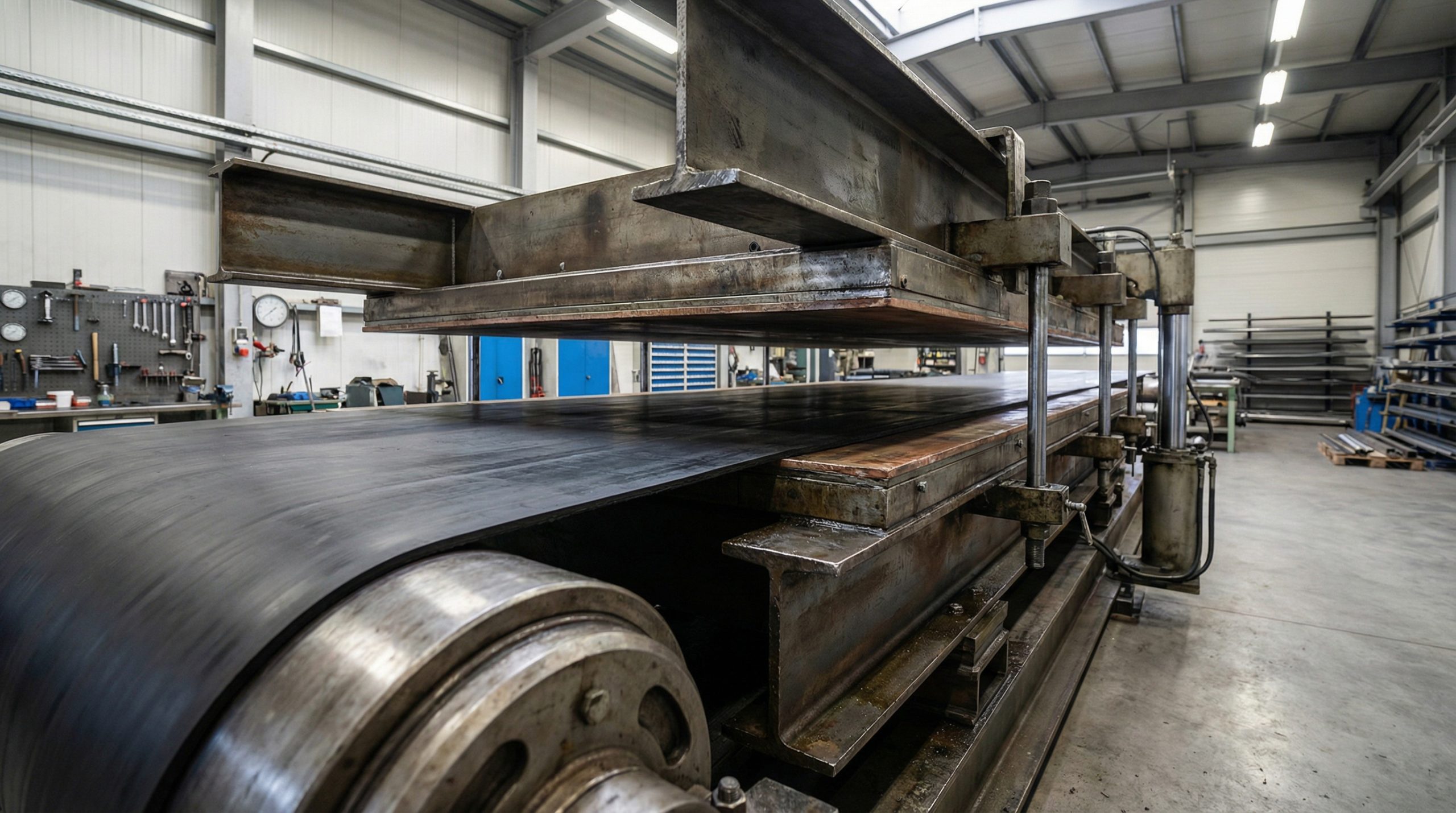
A nn nylon conveyor belt combined with proper vulcanization ensures strong, durable splices, reducing downtime, preventing failures, and maintaining reliable performance in heavy-duty industrial operations.
What is a conveyor belt vulcanization press?
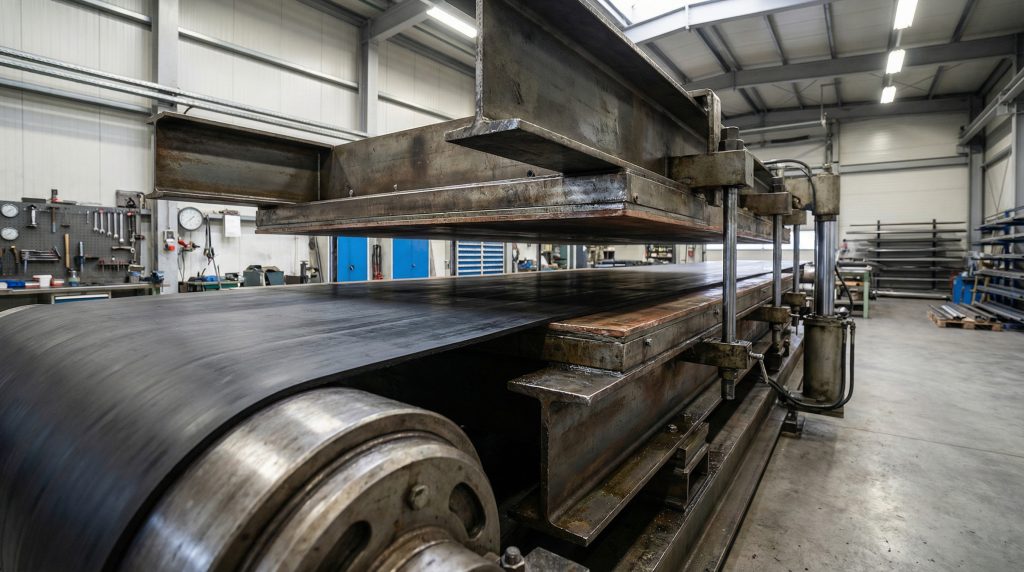
A conveyor belt vulcanization press is a specialized machine that uses heavy-duty aluminum frames and heating platens to chemically cross-link rubber molecules. This equipment, specifically a high-performance nn rubber conveyor belt vulcanization press, creates a seamless joint that is as strong as the parent material.
Why is hot vulcanization superior to cold bonding?
Hot vulcanization fuses the belt ends into a single, seamless piece of rubber rather than relying on surface adhesives. This chemical bond resists environmental degradation and mechanical stress much better than cold glue.
- Fuses molecules for 100% integrity.
- Resists heat and humidity.
- Eliminates thick, clunky splice overlaps.
What are the main components of a professional press?
A standard system includes heavy-duty aluminum frames, heating platens with embedded elements, and a pressure-distributing system. These work together to provide uniform energy across the entire splice area.
- Aluminum beams for structural support.
- Flexible heating platens.
- Digital PLC control box.
Key Takeaway: Hot vulcanization is the gold standard for creating seamless, industrial-grade joints that outperform adhesive bonding in every metric.
| Component | Function | Material/Type | |
|---|---|---|---|
| Heating Platens | Even heat distribution | High-grade Aluminum | |
| Pressure System | High-tonnage compression | Water Bag / Air Bag | |
| Control Box | Temperature/Time management | Digital PLC |
This table outlines the essential hardware required to achieve a successful thermal rubber cast.
Why is vulcanization vital for NN rubber belts?
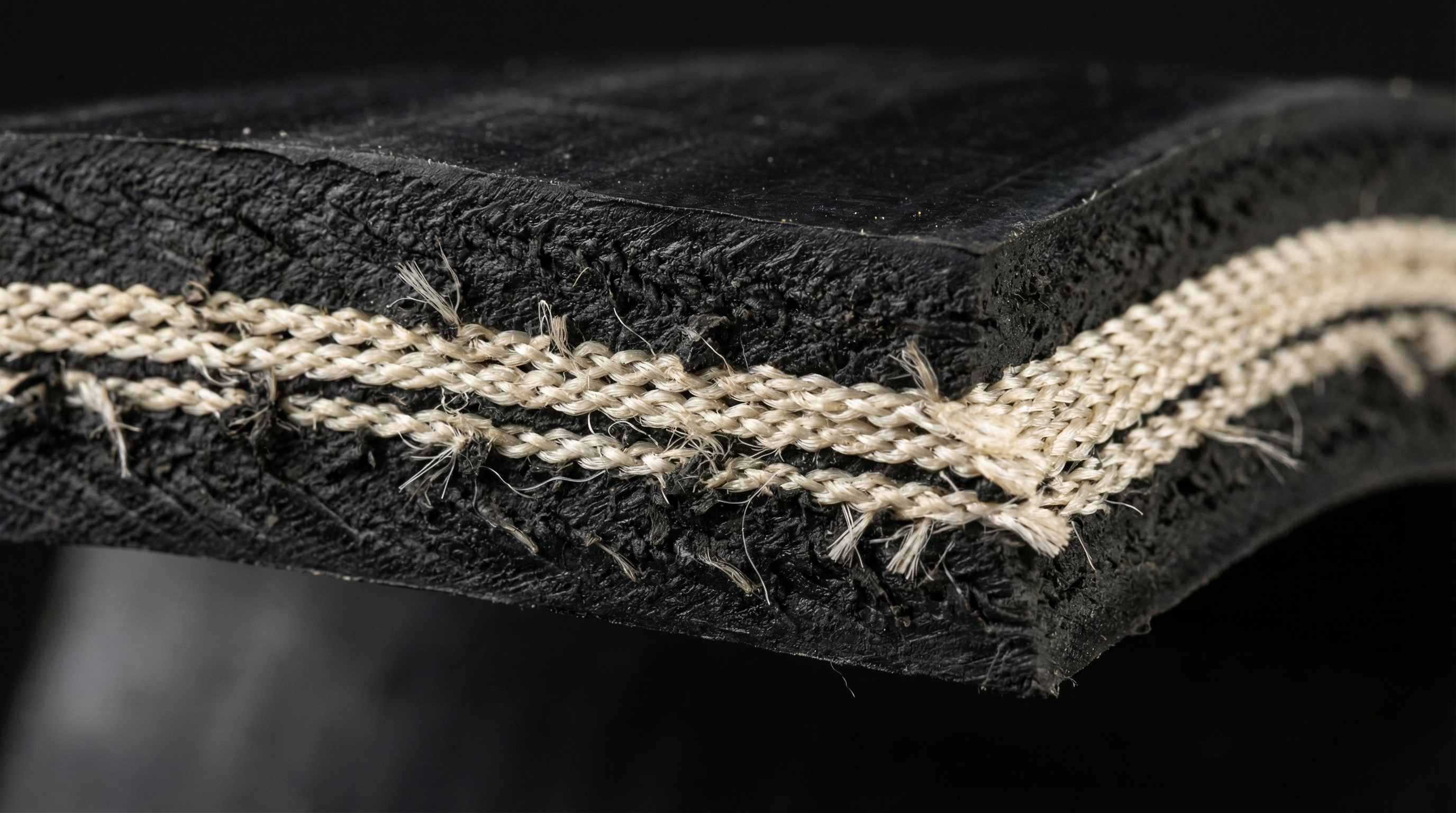
Vulcanization is vital for NN belts because it allows the rubber covers to fully penetrate the nylon fabric layers, creating a splice that handles high impact and elasticity. Using a specialized nn rubber conveyor belt vulcanization press ensures that the joint can stretch and contract without delaminating under heavy loads.
What makes Nylon (NN) fabric unique for splicing?
Nylon belts offer incredible elasticity and impact resistance, which requires a splice that can move dynamically. A hot press ensures the bonding agent saturates the fabric core.
- Superior stretch recovery.
- High impact absorption.
- Excellent resistance to longitudinal tearing.
Can hot splicing prevent edge fraying?
Yes, by sealing the edges under high pressure, the press prevents moisture from entering the nylon core. This is critical because nylon is hygroscopic and can rot if exposed to water.
- Seals fabric against moisture.
- Prevents ply separation.
- Extends belt life by 30%.
But that’s not all.
Key Takeaway: Hot vulcanization protects the sensitive nylon carcass of NN belts from moisture and mechanical stress, ensuring long-term flexibility.
| Feature | Benefit | Importance | |
|---|---|---|---|
| Elasticity | High dynamic load support | Essential for high-speed lines | |
| Adhesion | No ply separation | Extends belt life by 30% | |
| Seamless Joint | Scraper friendly | Reduces cleaner wear |
Review these benefits to understand why hot curing is non-negotiable for heavy-duty nylon conveyor systems.
How does a water-bag press improve splicing?
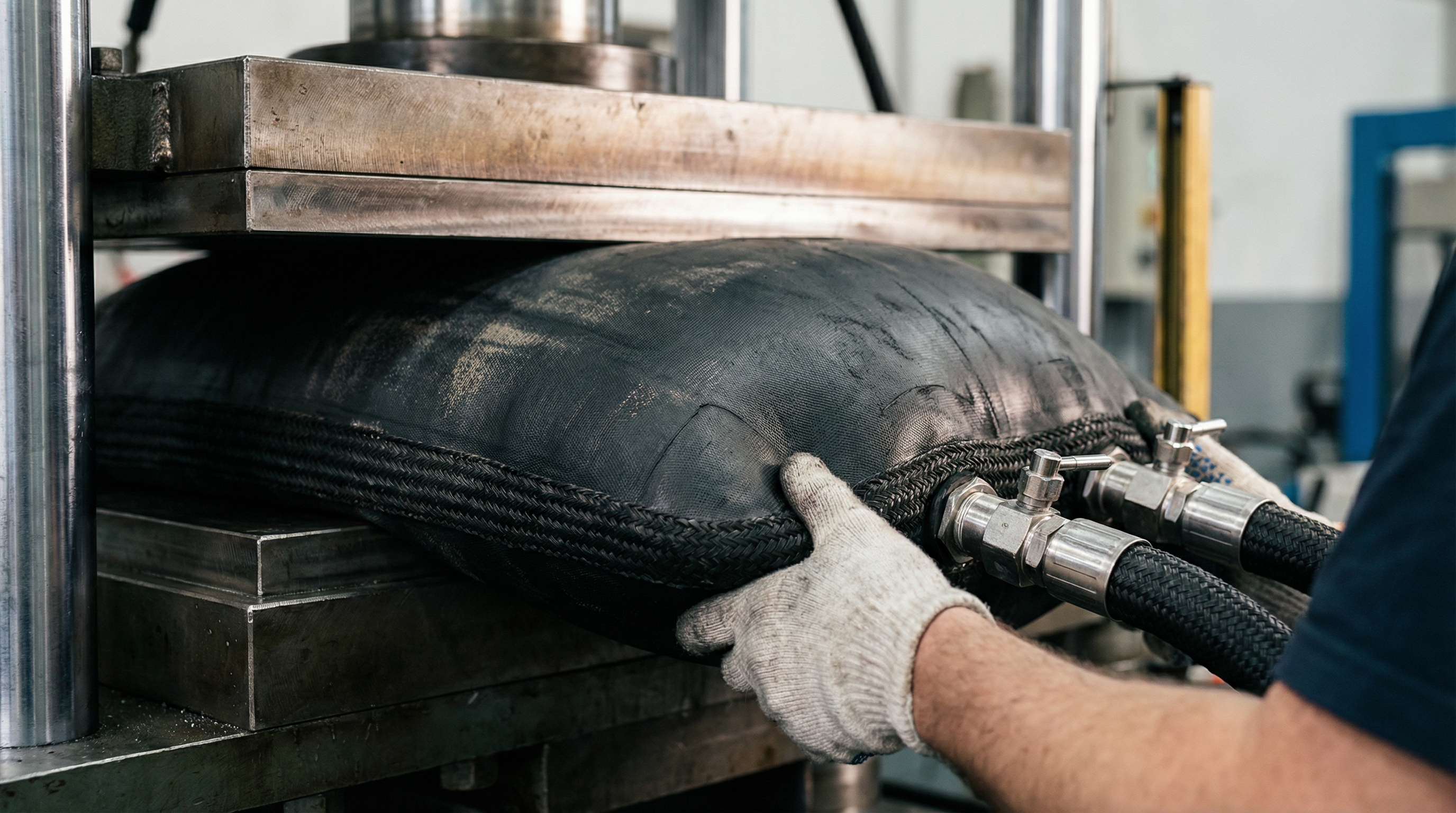
A water-bag press improves splicing by providing 100% equalized hydraulic pressure across every square millimeter of the rubber surface. This eliminates “hot spots” and air pockets that are common in older mechanical nn rubber conveyor belt vulcanization press designs.
What is the “Equalized Pressure” advantage?
Older “bolt-style” presses often create uneven pressure points that lead to internal splice failure. A water-bag uses hydraulic force to compress the rubber layers perfectly.
- No trapped air bubbles.
- Uniform thickness across the splice.
- Reduced risk of “blown” splices.
Why is cooling faster with water-filled systems?
Modern presses allow for water circulation through the platens once the cure is complete. This rapidly drops the temperature, allowing the belt to return to service much faster.
- Reduces downtime by hours.
- Controlled cooling prevents rubber brittleness.
- Fast turnaround for emergency repairs.
Here is why:
Key Takeaway: Water-bag technology ensures a flawless, bubble-free bond while significantly reducing the time required for the cooling cycle.
| Feature | Water Bag System | Traditional Mechanical | |
|---|---|---|---|
| Pressure Uniformity | 100% Equalized | Uneven “Hot Spots” | |
| Safety Level | Very High | Moderate | |
| Setup Speed | Fast (Modular) | Slow (Heavy Bolts) |
Comparing these systems demonstrates why hydraulic pressure is the preferred choice for modern industrial maintenance.
Which parameters ensure a perfect rubber bond?
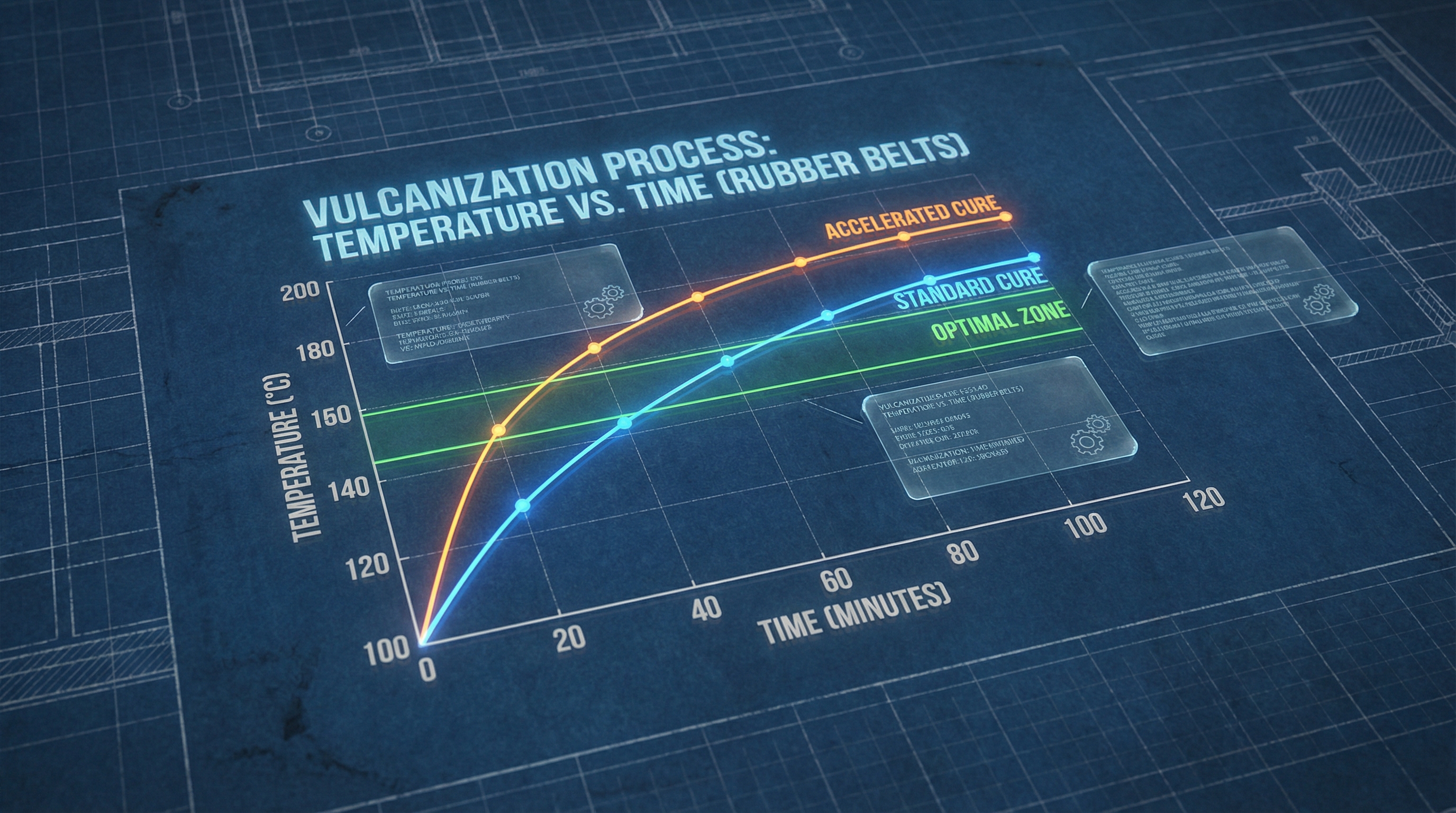
The perfect rubber bond is ensured by maintaining a precise temperature of 145°C to 150°C and a pressure of at least 1.0 MPa. When using an nn rubber conveyor belt vulcanization press , these parameters allow for optimal sulfur cross-linking without scorching the fabric.
Why is 145°C the “magic number” for rubber?
At this specific temperature, the chemical reaction creates strong bridges between polymer chains. If the heat is too low, the joint remains soft and will eventually pull apart.
- Triggers chemical vulcanization.
- Ensures abrasive resistance.
- Prevents “undercured” sticky rubber.
How long should the “soak time” last?
Soak time depends entirely on the thickness of the belt being repaired. A general rule is to cure for 20 minutes plus one additional minute for every millimeter of belt thickness.
- Reaches the center of the core.
- Accounts for heat dissipation.
- Ensures a full through-cure.
It gets better.
Key Takeaway: Precision control over temperature, pressure, and time is the only way to guarantee a splice that matches factory strength.
| Belt Type | Temp (°C) | Pressure (MPa) | Time (Mins/mm) | |
|---|---|---|---|---|
| Fabric (NN/EP) | 145 – 150 | 1.0 – 1.2 | 20 + 1.0/mm | |
| Steel Cord (ST) | 145 – 155 | 1.4 – 2.0 | 30 + 1.5/mm | |
| PVC/PVG Solid | 165 – 175 | 0.5 – 0.8 | 15 + 0.8/mm |
Use this parameter guide to calibrate your equipment for the specific belt carcass you are currently splicing.
Can portable presses handle on-site repairs?
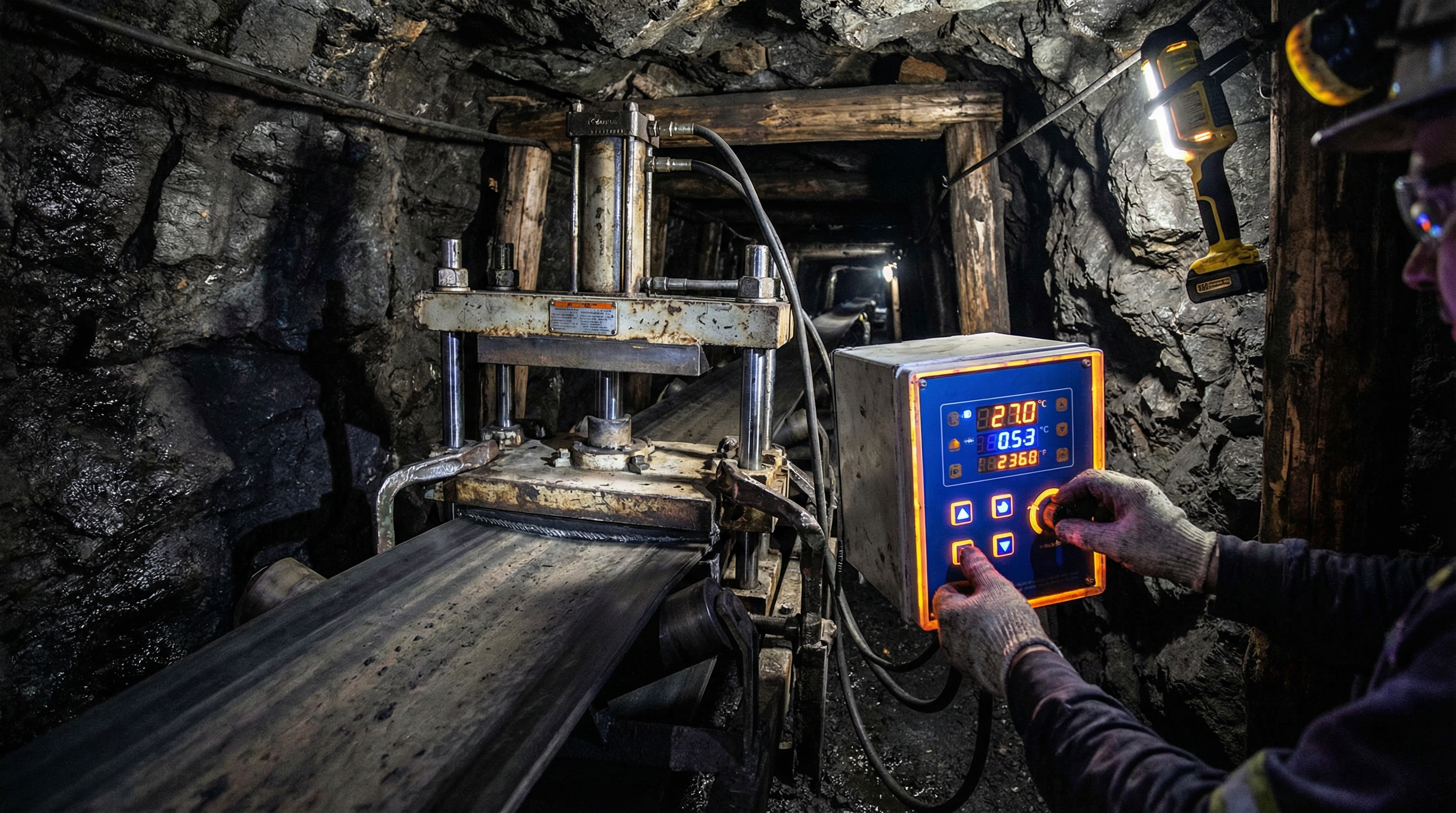
Portable presses are specifically designed to handle on-site repairs in challenging environments like underground mines or high-altitude galleries. A modular nn rubber conveyor belt vulcanization press can be disassembled into lightweight components that two technicians can easily carry.
What makes a press truly “portable”?
True portability comes from a sectional design where the frame beams and platens are separate units. This allows for setup in cramped spaces where heavy machinery cannot reach.
- Lightweight aluminum construction.
- Modular “plug and play” electronics.
- Compact hydraulic pump systems.
Are spot repair presses effective for holes?
For small punctures or edge tears, a spot repairer is much more efficient than a full-width press. It targets the damage specifically, saving energy and significantly reducing setup time.
- Ideal for small rips.
- Lightweight and handheld.
- Prevents small damage from spreading.
Think about this:
Key Takeaway: Portable vulcanization equipment brings factory-quality repairs directly to the conveyor line, minimizing the logistical nightmare of belt removal.
| Equipment | Application | Weight Class | |
|---|---|---|---|
| Sectional Press | Full Belt Splicing | Heavy Modular | |
| Spot Repairer | Puncture Fixes | Lightweight | |
| Edge Press | Side-wall Repairs | Compact |
Selecting the right equipment size ensures your maintenance team can react quickly to belt damage anywhere on site.
What makes NN belts different during heating?
NN belts are different because the nylon fabric has a high thermal shrinkage rate and is very sensitive to moisture during the heating cycle. A professional nn rubber conveyor belt vulcanization press must account for these factors to prevent “blown” splices or internal blisters.
Does Nylon shrink during the vulcanization process?
Yes, nylon fibers pull together when heated, which can cause the splice to pull apart if not properly clamped. High-quality presses use heavy-duty clamping beams to maintain belt tension.
- Requires mechanical tensioning.
- Needs precise platen alignment.
- High risk of splice deformation.
How does moisture in NN fabric affect the cure?
Nylon is hygroscopic, meaning it absorbs water from the atmosphere that turns into steam during heating. If the belt isn’t dried, this steam creates internal bubbles that ruin the splice.
- Causes internal blistering.
- Weakens the fabric bond.
- Requires pre-heating to dry.
The best part?
Key Takeaway: Successful NN belt splicing requires a deep understanding of thermal shrinkage and moisture management to prevent catastrophic joint failure.
| Characteristic | NN (Nylon) | EP (Polyester) | |
|---|---|---|---|
| Heat Shrinkage | High (Requires clamping) | Low | |
| Impact Recovery | Excellent | Good | |
| Moisture Risk | High (Pre-heat required) | Low |
Understanding these material differences is critical when switching between nylon and polyester belt carcasses.
How to choose the right press for your belt?
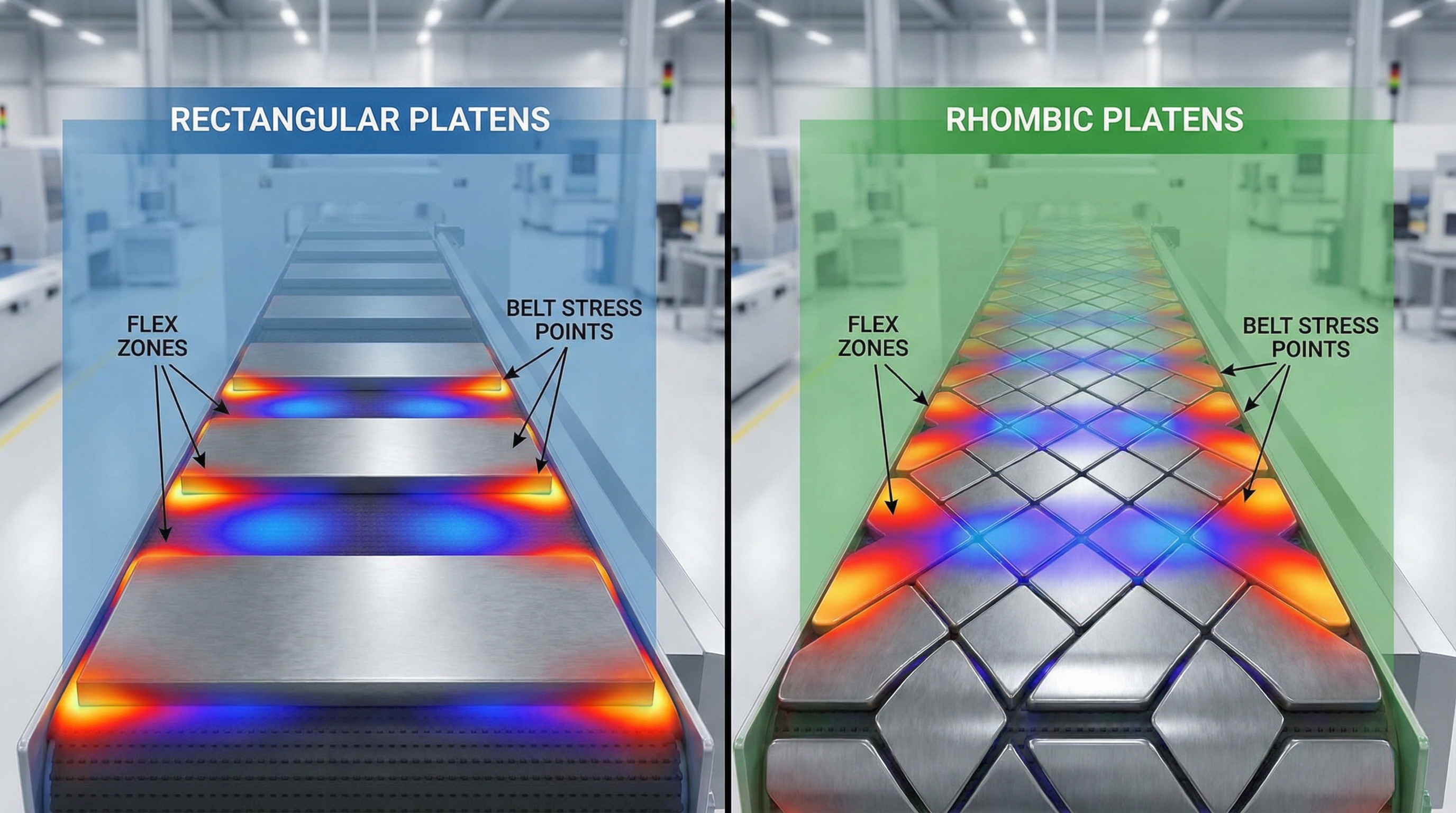
Choosing the right press depends on the belt width, the tension requirements of the line, and the desired splice angle. You must ensure your nn rubber conveyor belt vulcanization press has a platen width at least 150mm wider than the belt for uniform pressure.
Should you choose a rectangular or rhombic platen?
Rectangular platens are easier to align, but rhombic (biased) platens are better for high-tension lines. Rhombic designs allow the splice to enter pulleys at an angle, reducing mechanical shock.
- Rhombic reduces “flex shock.”
- Rectangular is simpler for low tension.
- Biased angles (usually 22°) extend joint life.
Is an automatic cooling system worth the cost?
If you manage high-frequency belt changes, automatic cooling can save up to four hours per splice. This efficiency directly translates to thousands of dollars in regained production time.
- Dramatically cuts downtime.
- Ensures consistent cooling rates.
- Protects rubber from overheating.
You’ll love this:
Key Takeaway: The right press platen shape and cooling features can significantly reduce belt stress and increase the speed of your maintenance window.
| Requirement | Recommended Press Feature | |
|---|---|---|
| High Tension Lines | Rhombic (22° Biased) Platen | |
| Wide Belts (>2m) | Multi-Section Bridge Design | |
| Remote Locations | Integrated Air-Cooling |
Match your press features to your operational environment to ensure the best possible return on investment.
What are the steps for hot splicing NN belts?
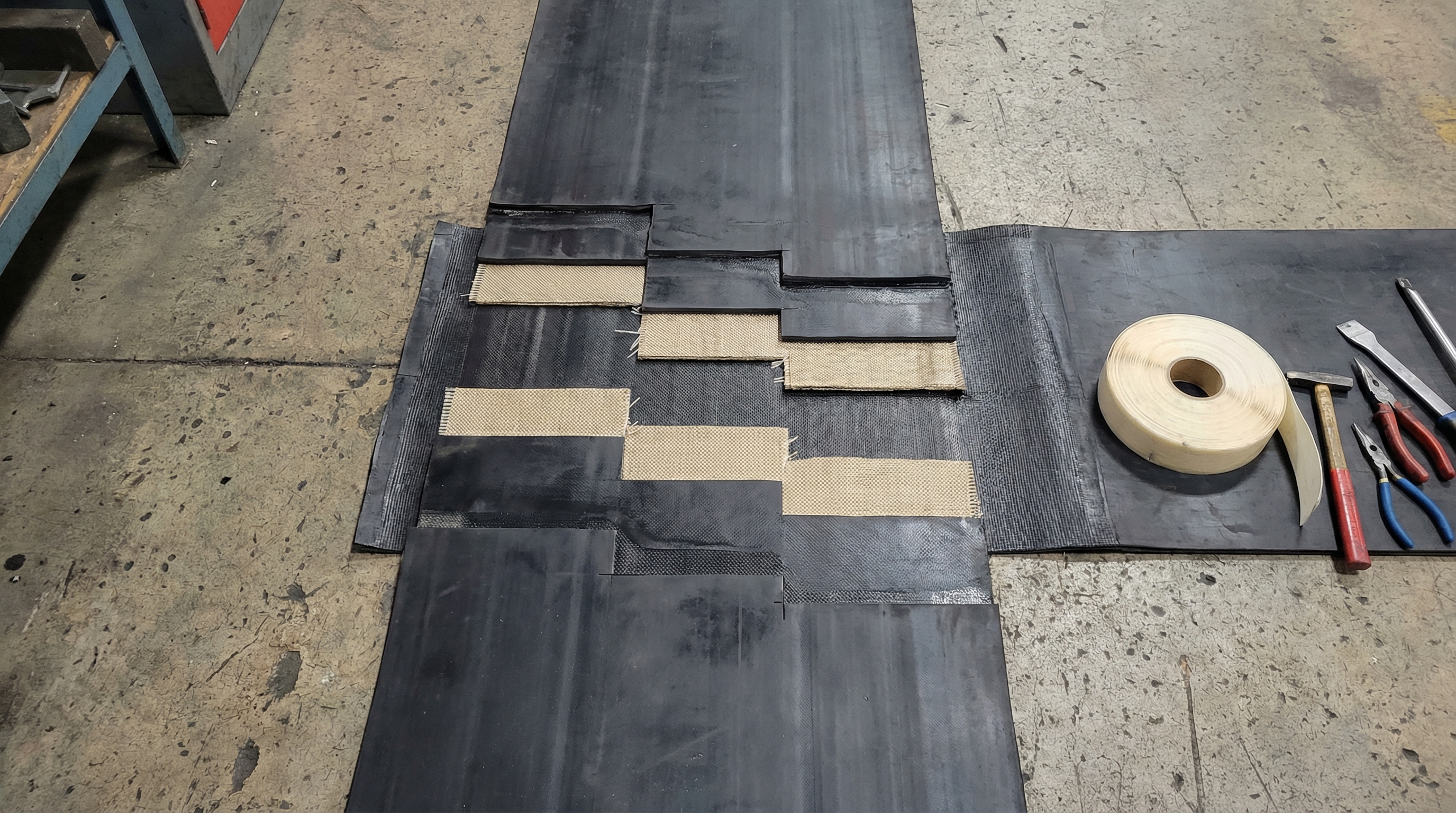
The steps for hot splicing include stripping the belt ends into a staircase pattern, cleaning the fabric, and applying specialized bonding gum. Using an nn rubber conveyor belt vulcanization press is the final stage that fuses these prepared layers into a single unit.
How do you prepare the “Step Splice”?
You must carefully strip away the rubber and fabric layers to create matching stairs on both ends. These steps must be buffed and cleaned with solvent to ensure a perfect mechanical grip.
- Precise stair-step cutting.
- Buffing to a “velvet” texture.
- Complete removal of old rubber.
When should the bonding cement be applied?
Apply two thin coats of cement, allowing the first to dry completely before applying the second. This ensures the cement fills the pores of the nylon fabric for maximum adhesion.
- Fills fabric pores deeply.
- Creates a chemical “bridge.”
- Needs precise drying time.
But wait, there’s more.
Key Takeaway: Preparation is 90% of a successful splice; a clean, perfectly aligned step pattern is required for the press to do its job.
| Phase | Action | Critical Check | |
|---|---|---|---|
| Prep | Stripping & Buffing | No remaining old rubber | |
| Laying | Gum & Tie-layer application | No air gaps | |
| Curing | Pressing at 145°C | Constant pressure check |
Following this logical flow ensures that every splice your team performs meets high industrial standards.
Why choose a direct factory for your equipment?
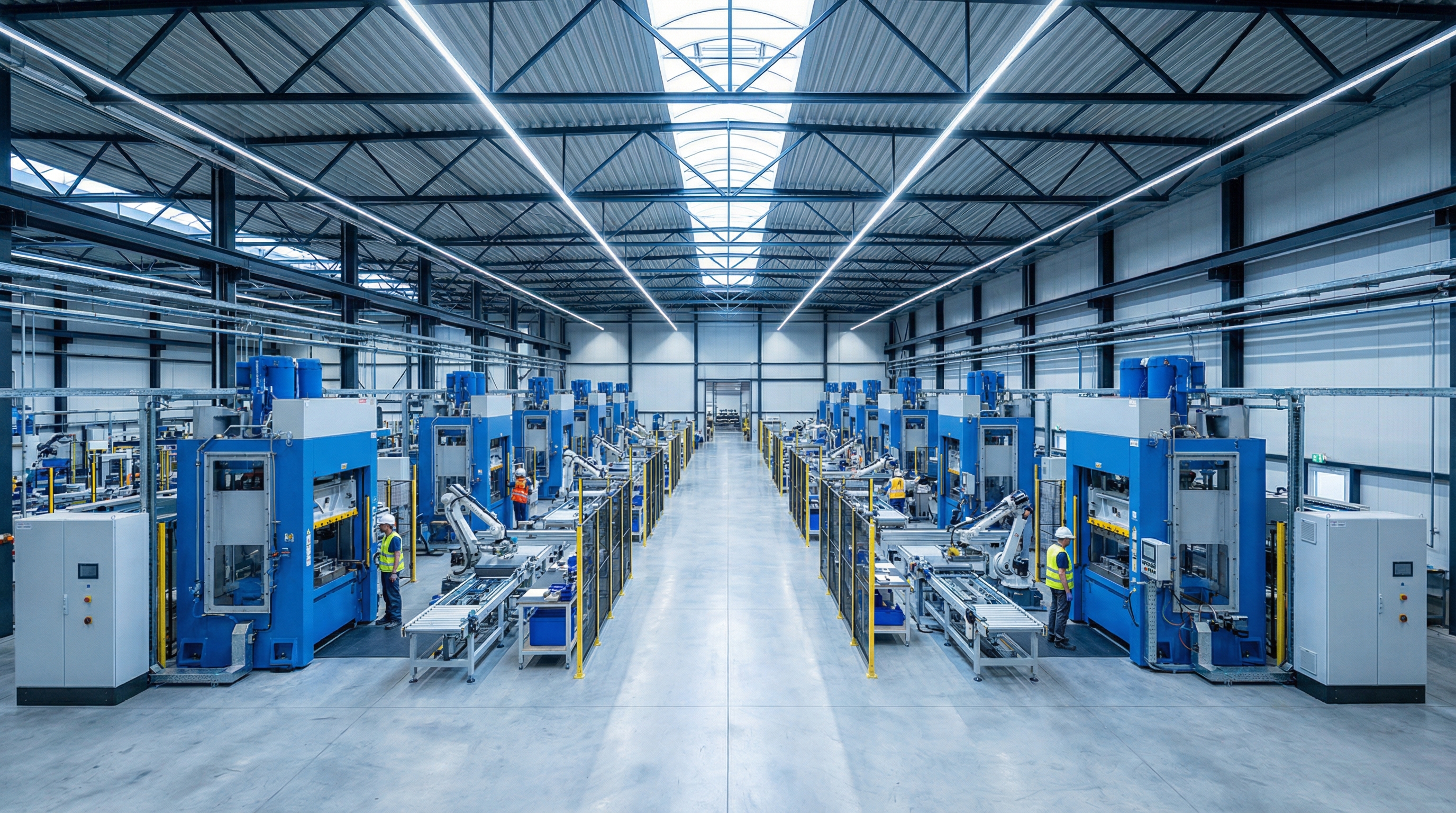
Choosing a direct factory allows you to receive custom-engineered equipment and technical support from the people who actually designed the nn rubber conveyor belt vulcanization press. This eliminates middleman markups and ensures that you have a direct line to spare parts and engineering expertise.
How does factory-direct support lower your risk?
Direct manufacturers provide accurate wiring diagrams and calibration certificates that trading companies simply cannot offer. This level of documentation is essential for ISO compliance and site safety audits.
- Access to original engineering.
- Guaranteed spare part fitment.
- Accurate technical documentation.
Is the price-to-quality ratio better?
Eliminating the middleman typically saves 15% to 30% on the initial purchase price of a new press. More importantly, it ensures you are not buying a “generic” unit that might not meet your belt’s specific requirements.
- Significant cost savings.
- Higher quality materials (Aluminum/Valves).
- Custom sizing for wide belts.
The bottom line:
Key Takeaway: Buying factory-direct is the most cost-effective way to secure high-quality equipment backed by true technical support and custom sizing.
| Benefit | ZHENXING Factory | Trading Company | |
|---|---|---|---|
| Technical Support | Engineer-to-Engineer | Sales-to-Customer | |
| Lead Time | Stable (Self-Produced) | Variable | |
| Customization | Full | Limited to stock |
Review these differences to see why industrial leaders prefer direct partnerships for heavy machinery procurement.
How to maintain your vulcanization press?
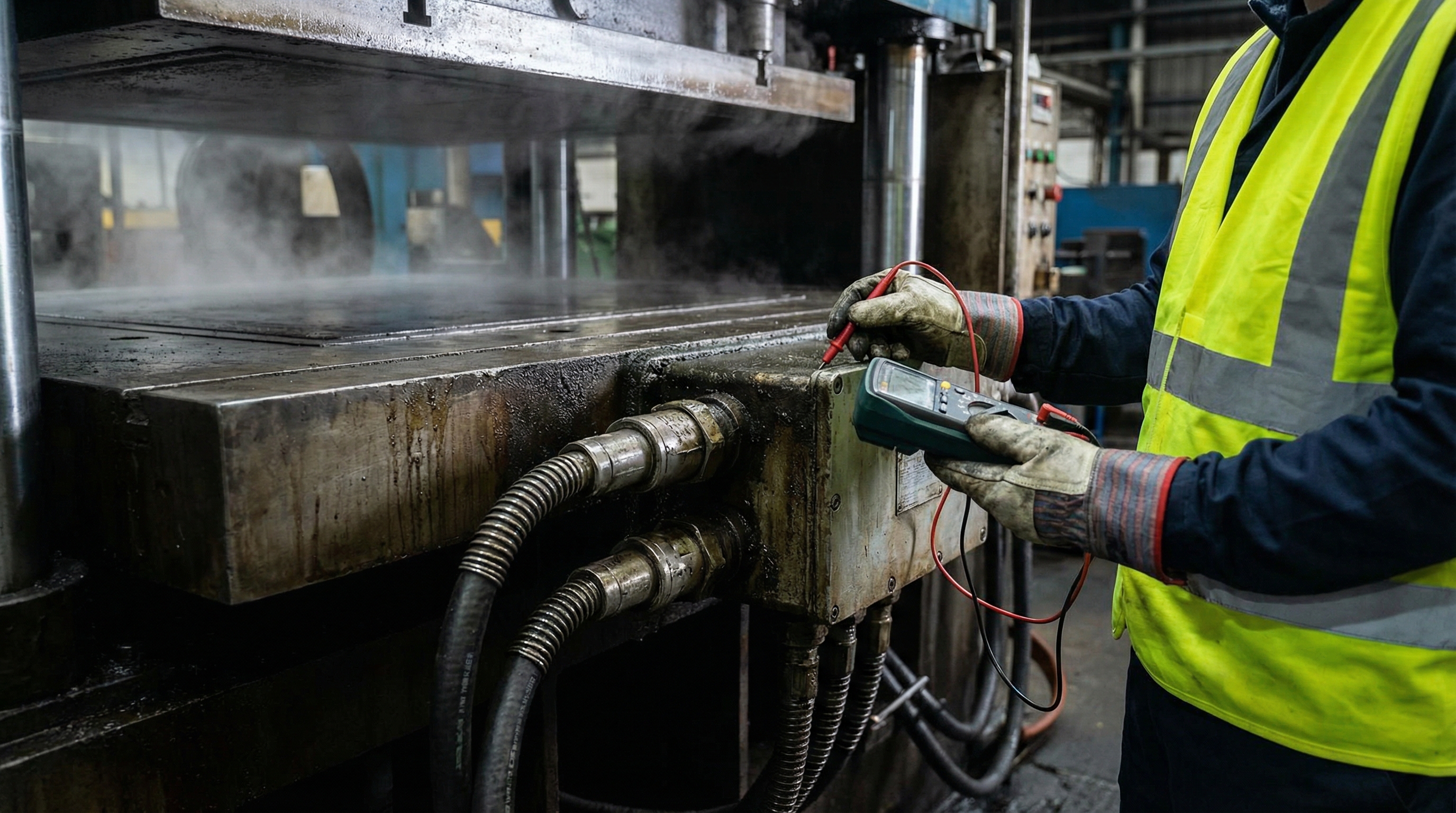
Maintaining your press involves testing the heating elements for continuity and inspecting the water bag for signs of dry rot or UV damage. A nn rubber conveyor belt vulcanization press is a precision tool that requires regular calibration to ensure its temperature sensors remain accurate.
How often should heating elements be tested?
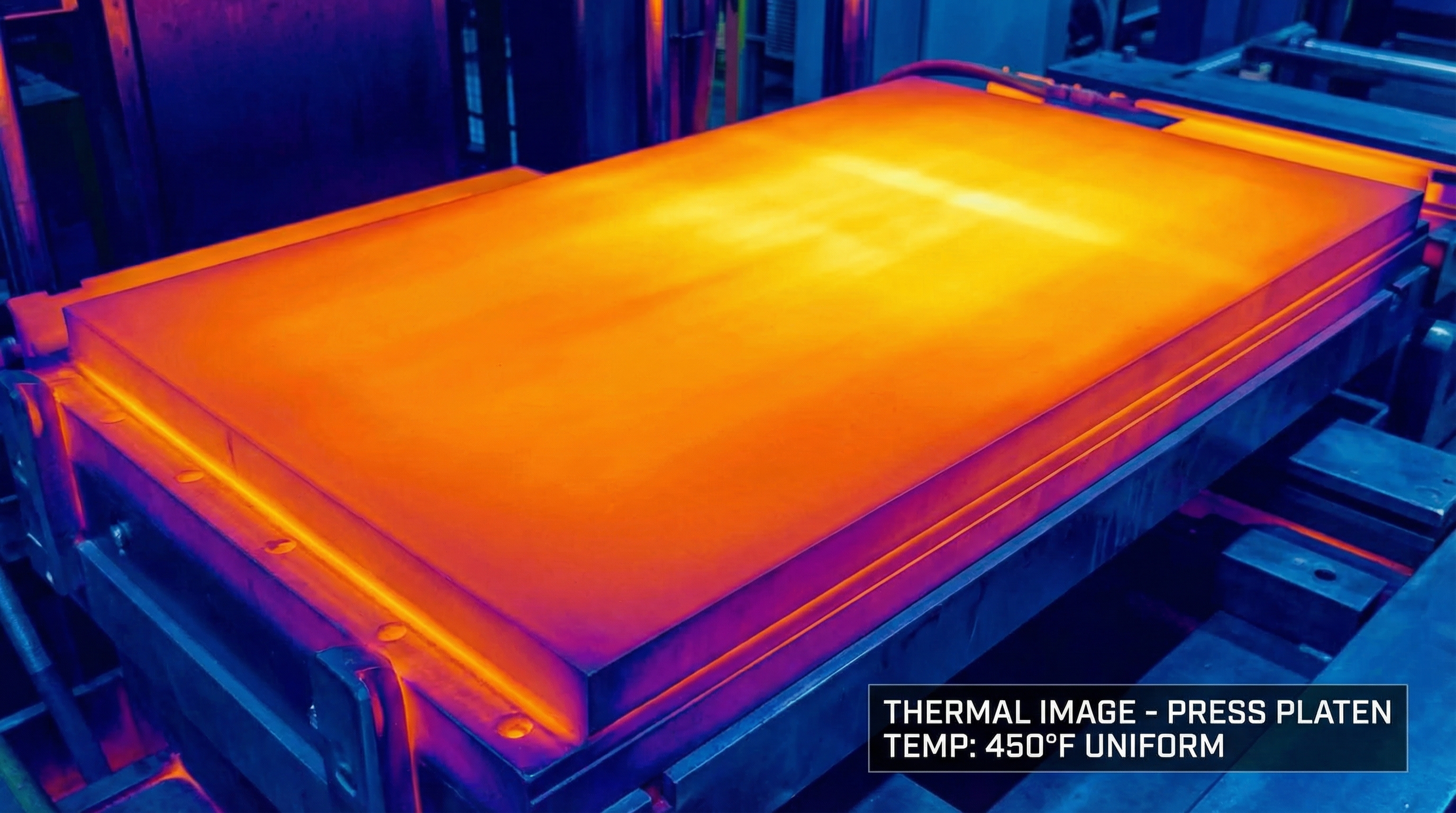
You should perform a “dry run” before every major maintenance shutdown to ensure all heating zones are heating evenly. A single failed element can cause a “cold spot” that will lead to a premature splice failure.
- Prevents “cold spots” in joint.
- Identifies wiring issues early.
- Ensures uniform curing.
Why is water bag storage so important?
Water bags are susceptible to mineral buildup and UV degradation if they are stored incorrectly. Flushing them with fresh water after use and storing them in a dark place prevents the rubber from cracking.
- Prevents mineral clogs.
- Stops UV rubber rot.
- Ensures a 10-year lifespan.
Check this out:
Key Takeaway: A well-maintained press is a reliable press; regular electrical and hydraulic checks prevent catastrophic failures during critical repairs.
| Interval | Action | Focus Area | |
|---|---|---|---|
| Per Use | Visual inspection | Cables & Connectors | |
| Monthly | Pressure test | Bag & Valve Integrity | |
| Annually | Calibration | Thermocouple Accuracy |
Implement this schedule to ensure your equipment is always ready for emergency belt repairs.
Investing in a high-quality vulcanization press is the only way to ensure your conveyor systems run without interruption. Our factory specializes in custom-engineered solutions for the most demanding mining and industrial environments. If you want to eliminate downtime and achieve factory-strength splices on your own site, contact us today.
Frequently Asked Questions
- Can I vulcanize a belt in the rain?It is not recommended. Moisture is the enemy of a good splice, so you must build a dry “habitat” or tent to protect the press and the belt.
- What’s the best way to clean the belt surface?Use a high-quality rubber solvent and a clean, lint-free cloth. You must also perform mechanical buffing to create a rough surface for the cement.
- How do I know if my press is heating evenly?Perform a dry run with thermal strips or a thermal imaging camera. This will reveal any dead elements that could cause weak spots in your splice.
- Can I repair a rip without a full vulcanization?Small rips can be patched with cold strips, but for a permanent fix on a high-tension line, a spot repair press is required.
- What’s the best way to store a water bag?Drain it completely, flush it with fresh water, and store it in a cool, dark place away from direct sunlight.