
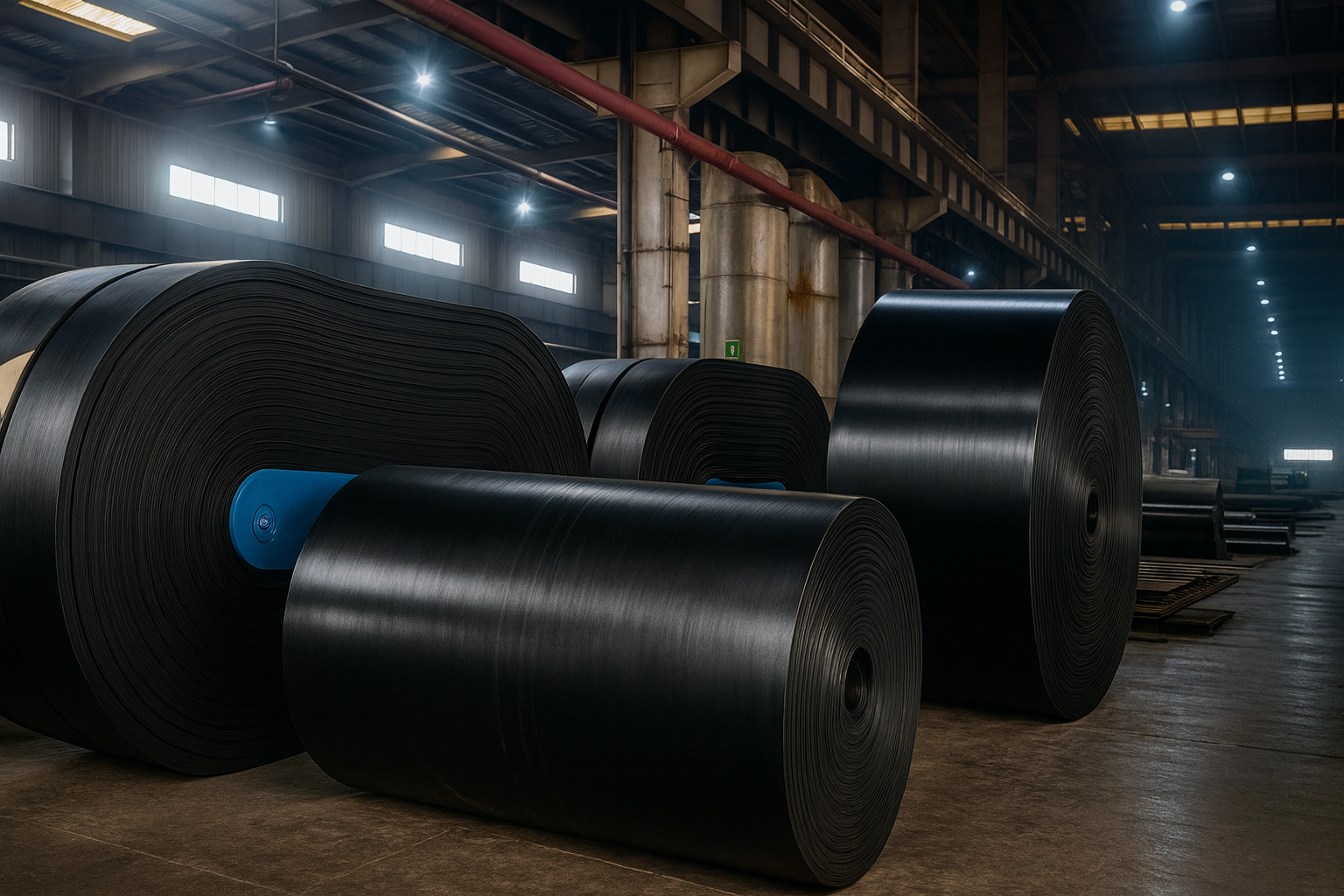
High-quality conveyor belt rubber from China offers superior durability, reducing downtime, improving material handling efficiency, and ensuring reliable performance in demanding industrial environments.
What defines top-tier conveyor belt rubber?
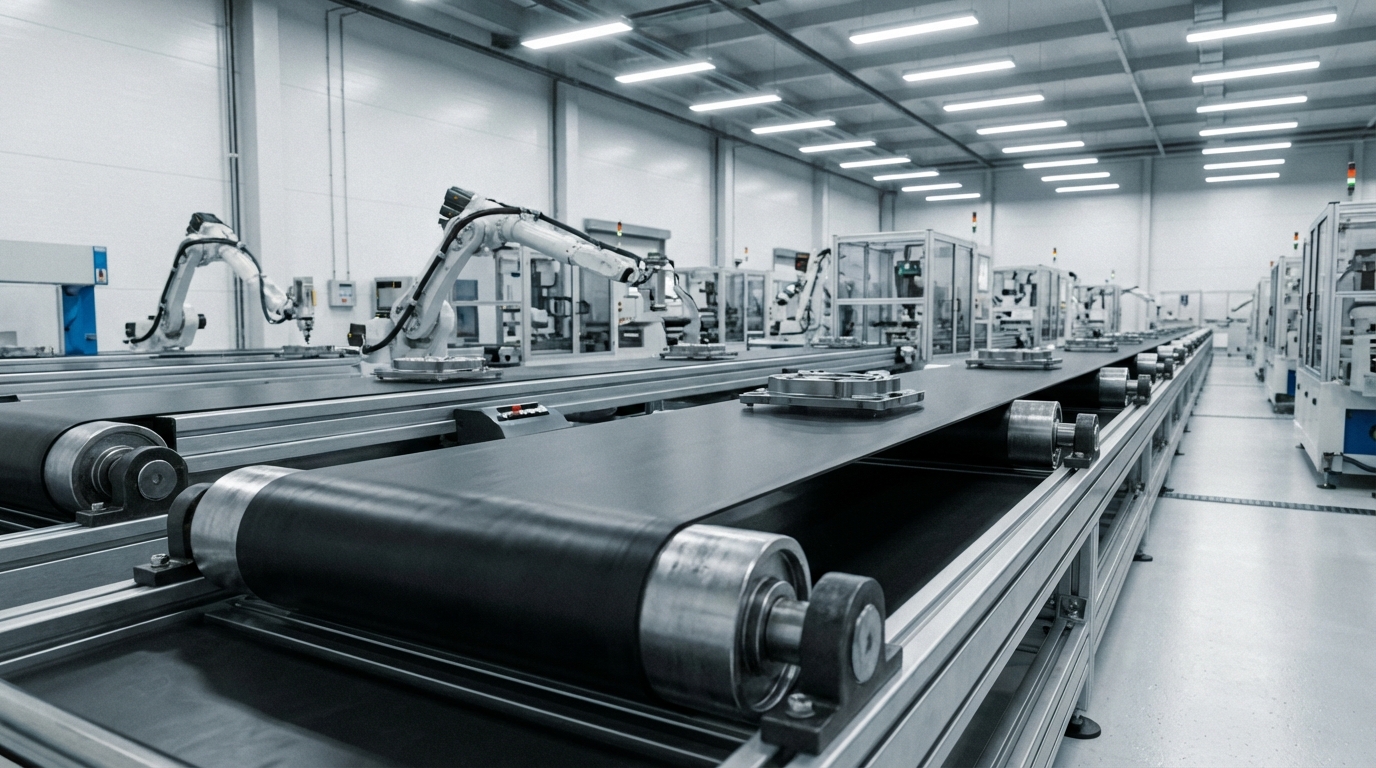
High-grade raw materials and automated production lines define the quality of modern industrial belts. Sourcing conveyor belt rubber from China from an expert factory ensures you receive products built with automated precision. This reduces human error and maintains uniform thickness throughout the entire roll.
Does automated casting improve quality?
Automated manufacturing removes the inconsistencies found in manual labor. Here is why:
- Uniform material density
- Higher tensile strength
- Perfect surface finish
You will notice that these belts track straighter and vibrate less. But that’s not all.
Key TakeawayAutomated production is the baseline for consistency in industrial rubber applications.
| Feature | Standard | Benefit | |
|---|---|---|---|
| Automation | Fully Digital | Zero variation | |
| Thickness | ±0.5mm | Stable tracking |
Precision in the initial manufacturing stage determines the total lifecycle of the belt.
How is vulcanization performed in China?
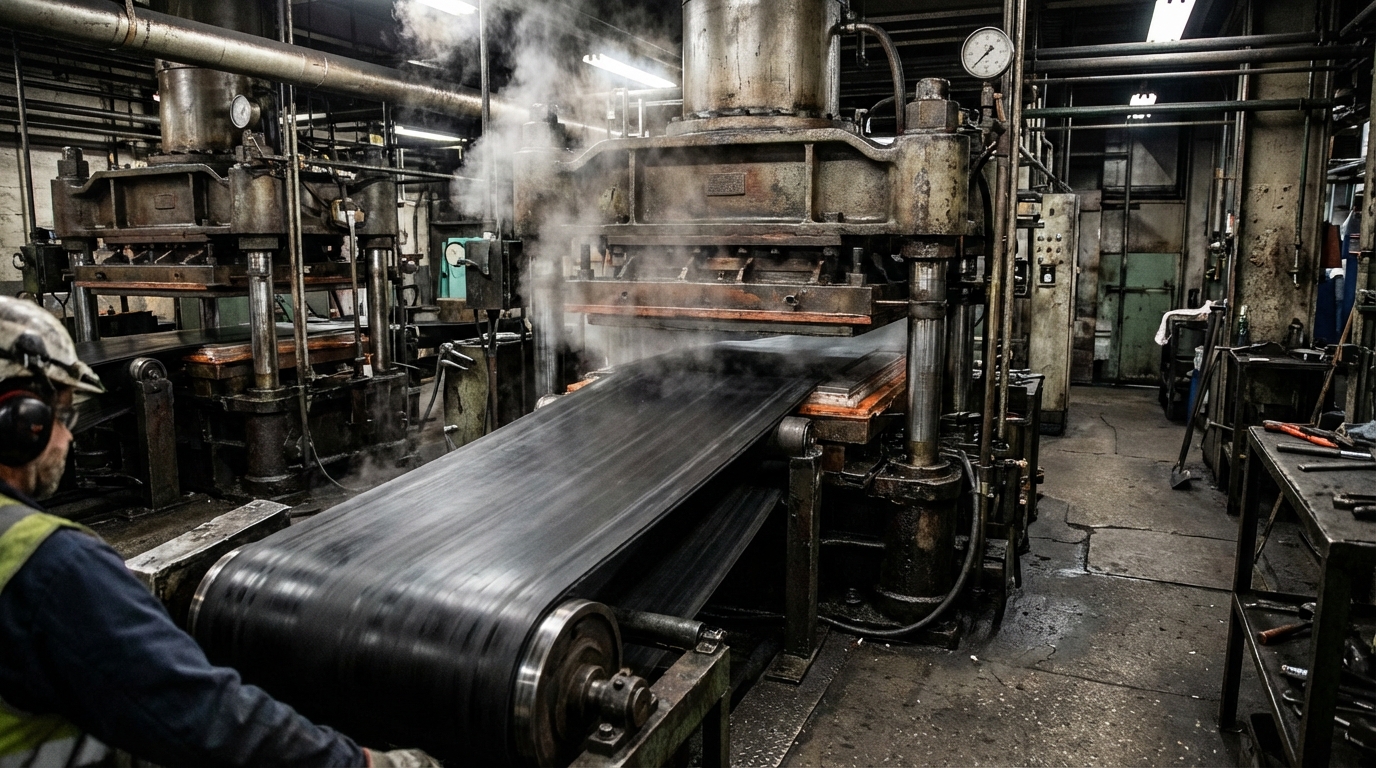
The process uses massive industrial presses that apply precise heat and pressure to the rubber layers. The vulcanization of conveyor belt rubber from china determines its final resilience and ability to resist heat or impact. This step is critical for molecular cross-linking.
Why use high-pressure presses?
Pressure ensures that every layer of fabric and rubber bonds into a single, inseparable unit. It’s the secret to longevity.
- Prevents ply separation
- Increases abrasion resistance
- Enhances chemical stability
You need a belt that won’t delaminate under heavy loads. Here is why high pressure is vital:
Key TakeawayHigh-pressure vulcanization is essential for preventing the structural failure of multi-ply belts.
| Factor | Pressure Range | Outcome | |
|---|---|---|---|
| Bonding | High PSI | No delamination | |
| Density | Optimized | Better wear |
The molecular bond created during this phase is what allows the belt to survive years of friction.
How to maintain your industrial belts?
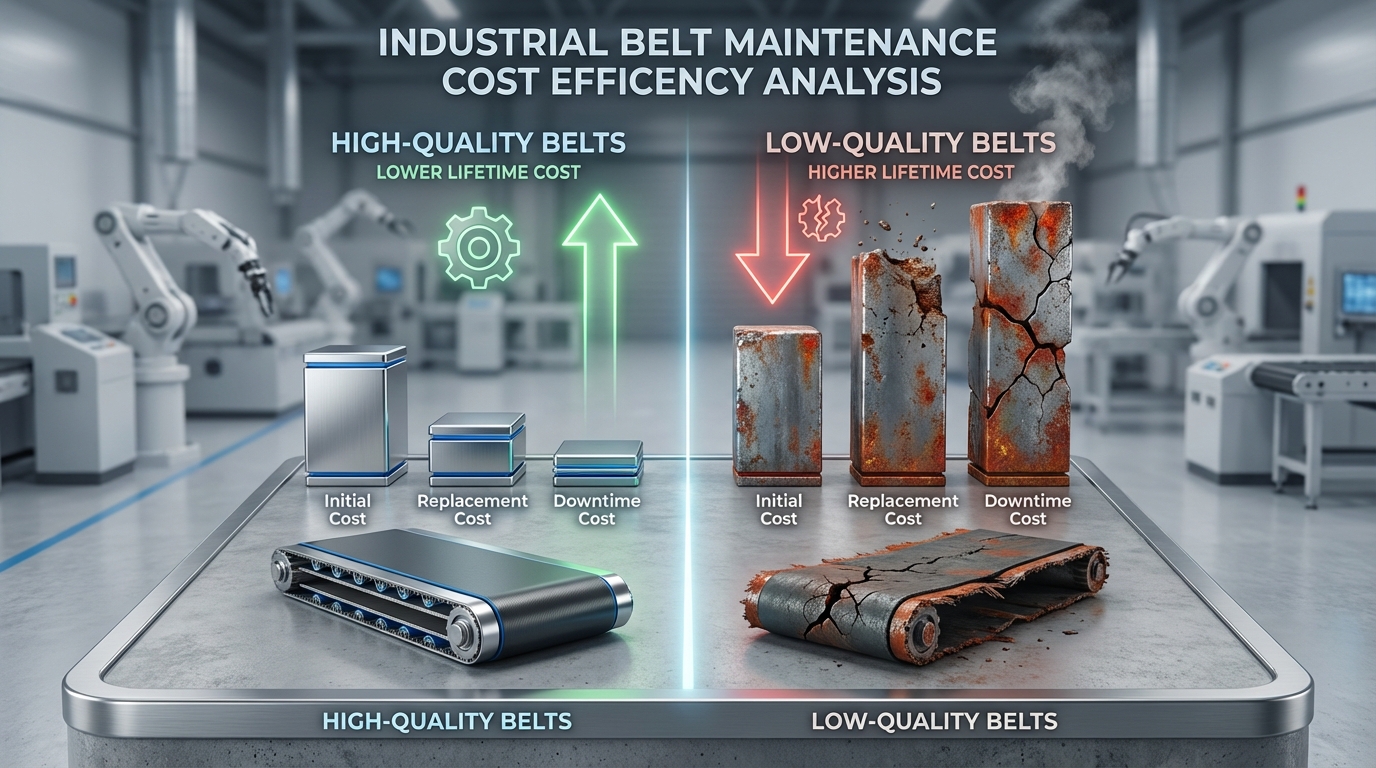
Regular inspections and cost-efficiency analysis are the most effective ways to manage your system. Implementing a strategy for conveyor belt rubber from China reduces your long-term maintenance expenses significantly. Early detection of wear saves thousands in replacement parts.
Can you reduce your downtime costs?
Choosing a premium belt from the start is the most effective way to lower your maintenance budget. Here is why:
- Fewer emergency repairs
- Longer intervals between services
- Reduced need for spare parts
You will see a drastic drop in “hidden” costs like labor and lost production time. But that’s not all.
Key TakeawayProactive maintenance paired with high-quality materials maximizes your return on investment.
| Cost Type | Low-Quality Belt | Premium China Rubber | |
|---|---|---|---|
| Initial Price | Lower | Competitive | |
| Repair Freq | High | Very Low |
Analyzing the total cost of ownership reveals that cheaper belts are far more expensive over time.
What is the structure of these belts?
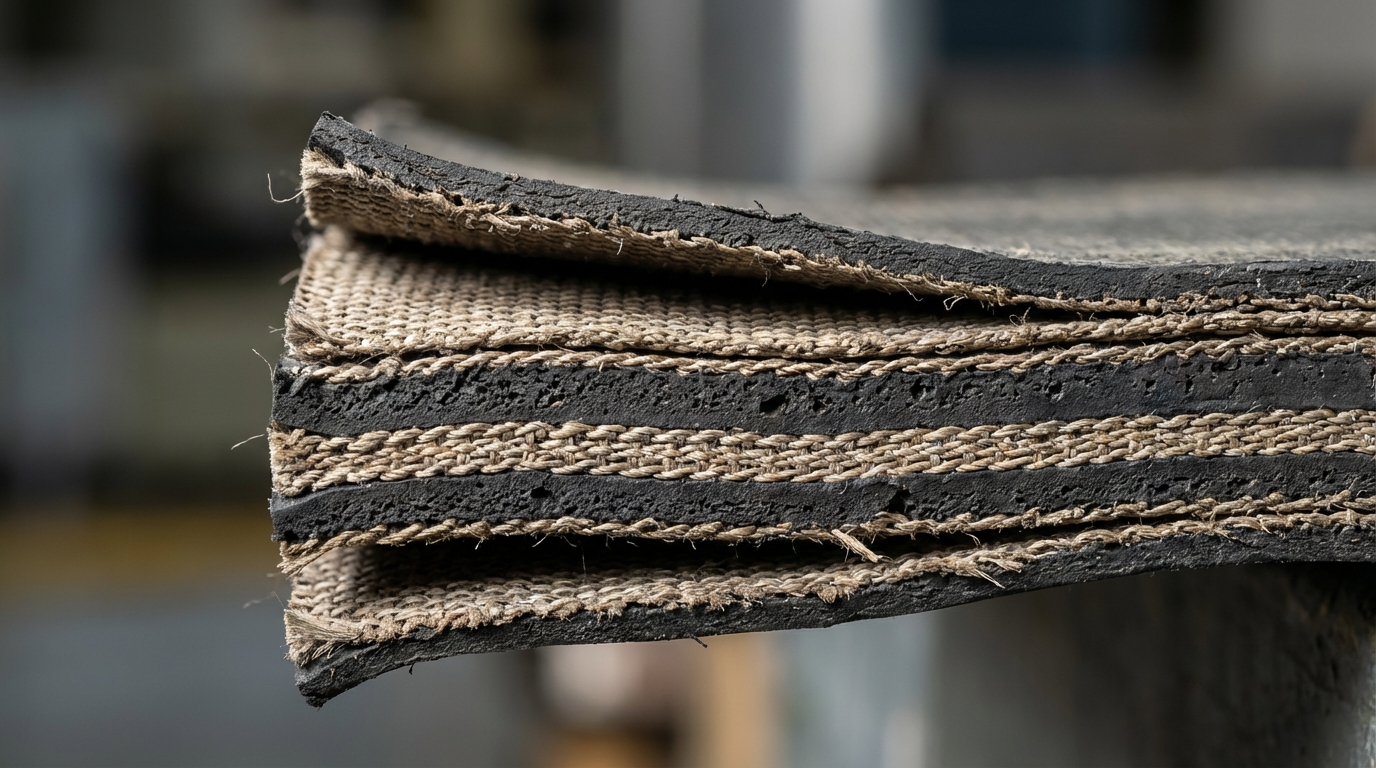
Modern belts feature a complex multi-layered core protected by reinforced rubber covers. The internal layers of conveyor belt rubber from china provide the necessary tensile strength to move heavy bulk materials. The fabric or steel core is what carries the load.
Why are EP/NN Fabric Belts preferred?
Fabric reinforcement offers a balance of flexibility and strength that suits most medium-duty applications.
- Excellent troughability
- High impact resistance
- Low elongation
You can rely on these cores to handle sudden surges in material weight. Here is why you should consider them:
Key TakeawayThe internal structure must be matched to your specific load and tension requirements.
| Layer | Material | Function | |
|---|---|---|---|
| Top Cover | Rubber | Wear resistance | |
| Carcass | EP/NN/Steel | Load capacity |
Understanding the cross-section of your belt helps in selecting the right specification for your pulleys.
Can the rubber resist extreme heat?
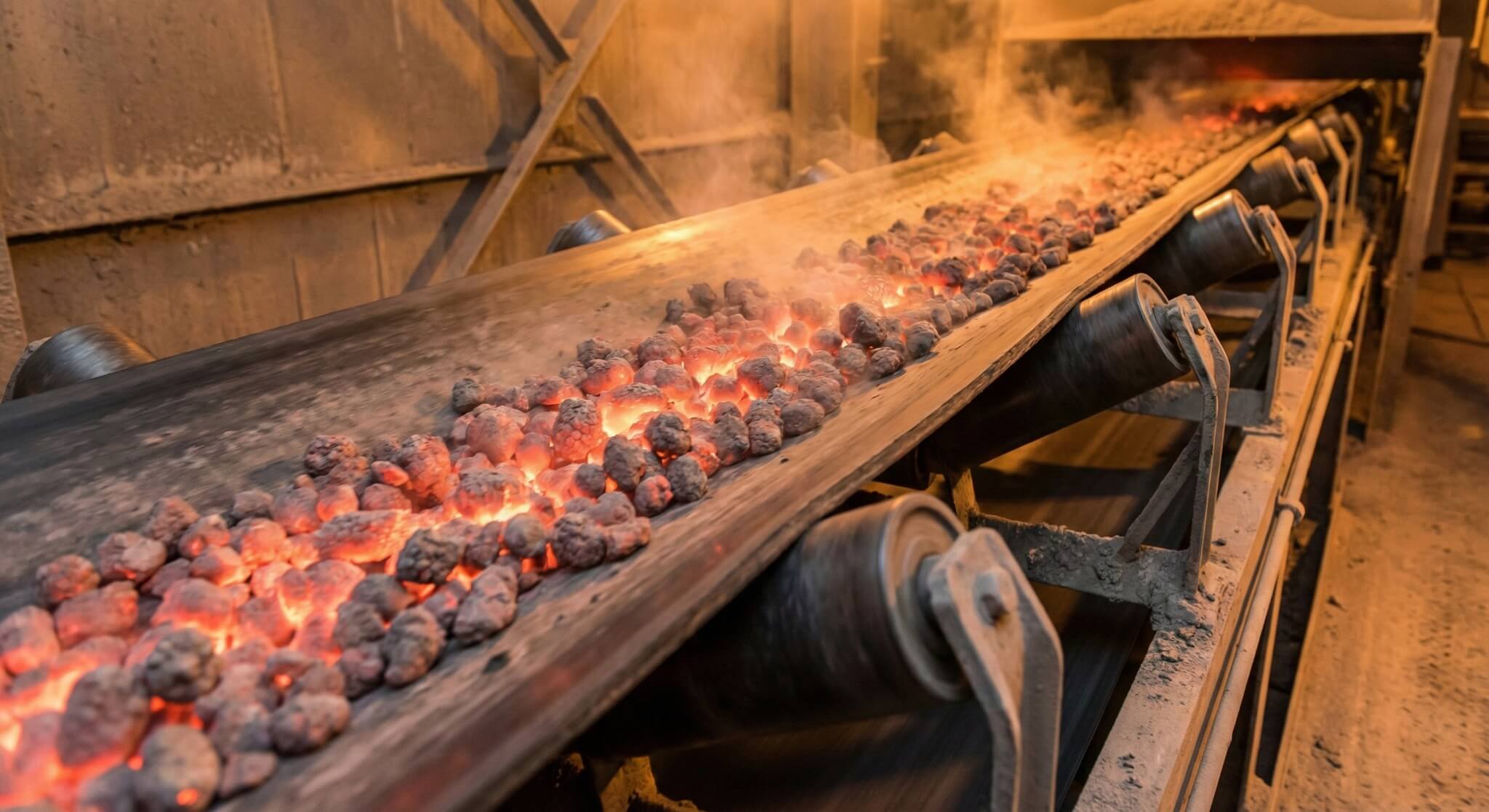
Standard rubber degrades at high temperatures, but specialized compounds like EPDM remain stable. Heat-resistant conveyor belt rubber from China is specifically formulated to handle clinker and sintered materials at over 200°C. This prevents the rubber from hardening and cracking.
Is EPDM the best choice for you?
EPDM rubber offers the highest level of heat and ozone resistance in the industrial market.
- Withstands 250°C peaks
- Maintains flexibility
- Resists surface cracking
You need this material if you are operating a cement kiln or a foundry. Here is why:
Key TakeawayTemperature-specific covers are the only way to ensure belt survival in hot-material handling.
| Grade | Temp Range | Ideal Use | |
|---|---|---|---|
| T2 | Up to 150°C | Fertilizers | |
| T3 | Up to 200°C | Cement Clinker |
The right heat grade prevents “belt baking” which leads to immediate failure and fire risks.
Is the material resistant to chemicals?
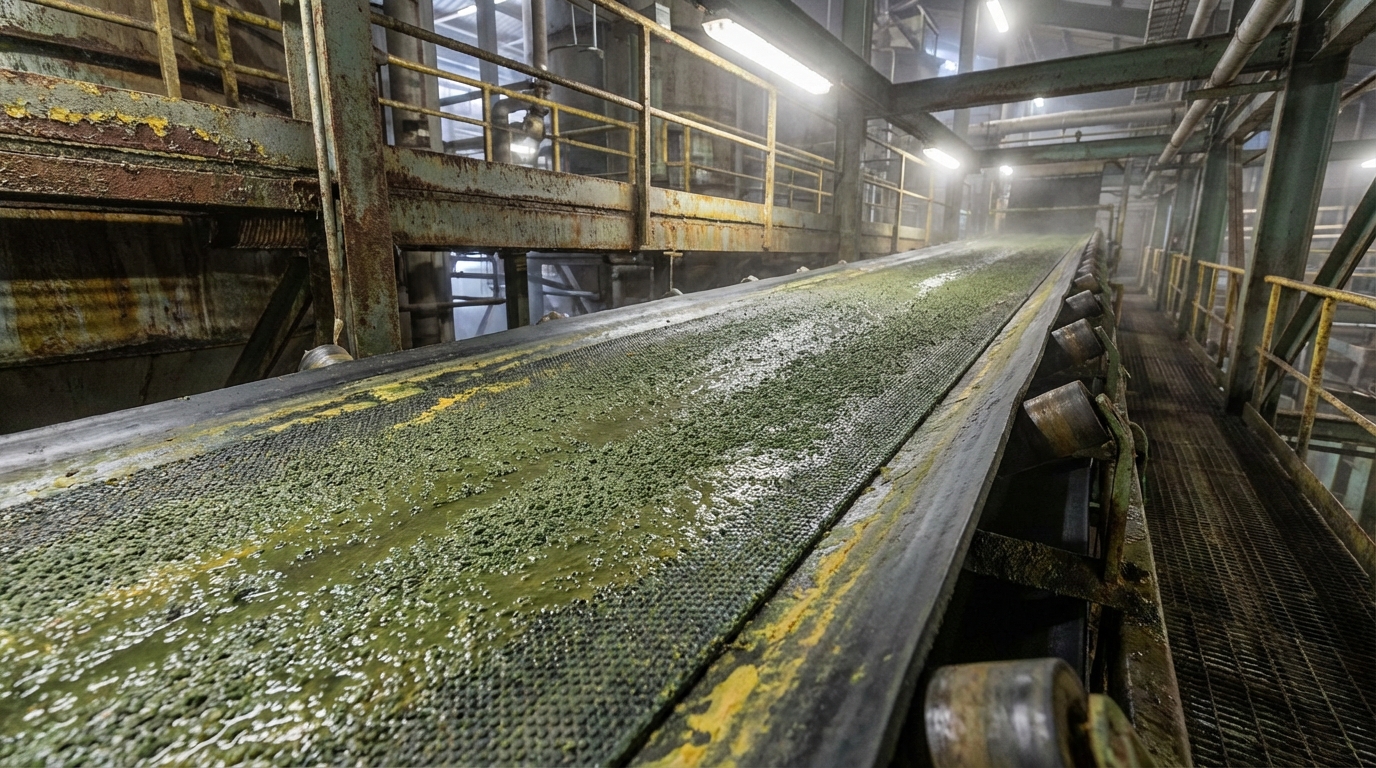
Specially formulated rubber covers act as a barrier against acids, oils, and corrosive substances. Chemical-proof conveyor belt rubber from china is essential for fertilizer production and chemical processing plants. These covers prevent the belt from swelling or softening.
Will it handle corrosive fertilizers?
Fertilizer materials can be highly abrasive and chemically aggressive toward standard rubber. Here is why:
- Prevents chemical absorption
- Stops cover peeling
- Extends belt life in damp zones
You will avoid the frequent replacements usually caused by material-belt reactions. But that’s not all.
Key TakeawayChemical resistance is a safety requirement in environments where belt degradation could cause spills.
| Agent | Resistance | Result | |
|---|---|---|---|
| Acids | High | No thinning | |
| Oils | Superior | No swelling |
Industrial chemical resistance ensures that your logistics chain remains uninterrupted by corrosive decay.
How does material flow optimization work?
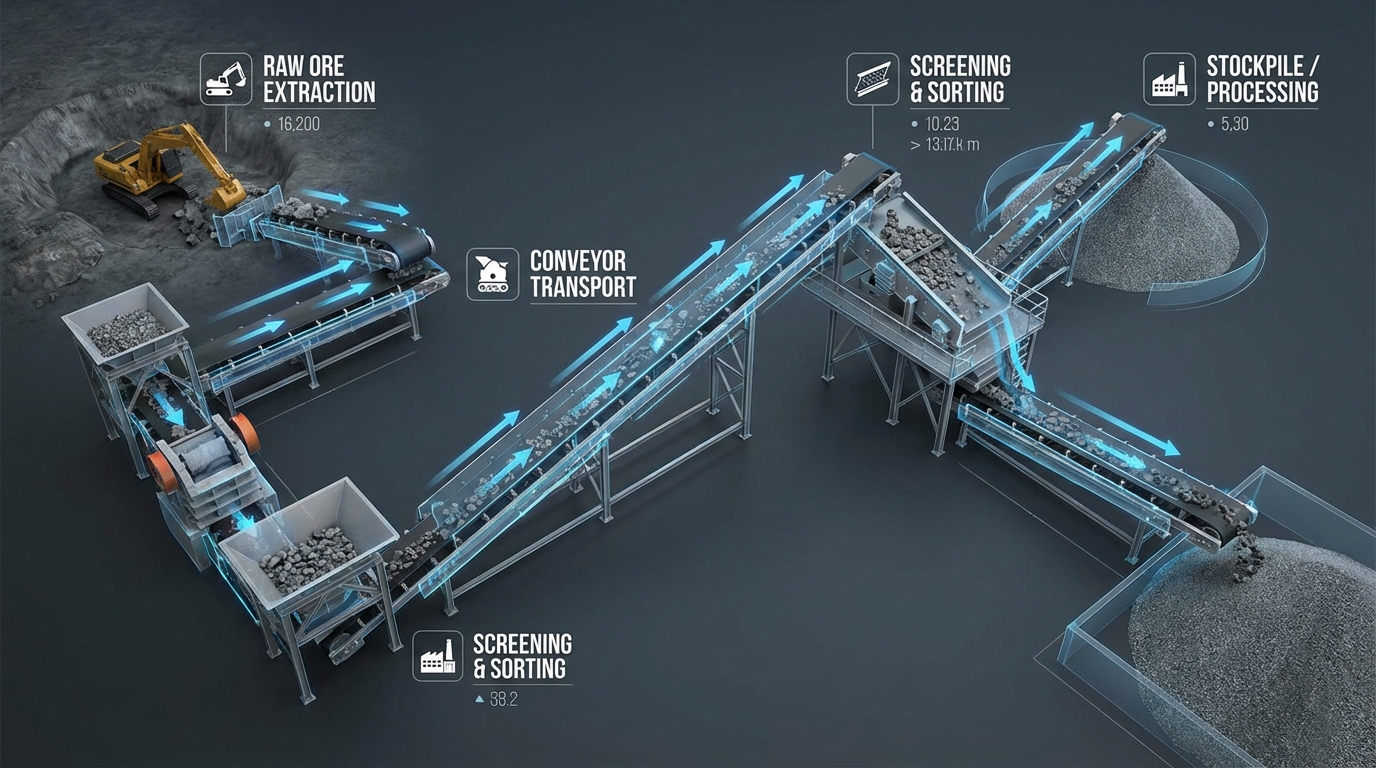
Optimized flow is achieved through smooth belt surfaces and specialized patterns that minimize friction. High-performance conveyor belt rubber from China allows for faster belt speeds and higher throughput without material loss. Proper material flow reduces the energy needed to drive the motor.
Can Steel Cord Belts handle heavy ore?
Steel cord reinforcement is the gold standard for long-distance and heavy-load mining operations.
- Zero stretch over long runs
- Extreme tensile strength
- Exceptional impact absorption
You can transport thousands of tons per hour over several kilometers using this technology. Here is why:
Key TakeawayFlow optimization depends on the belt’s ability to maintain its shape under maximum load.
| Component | Benefit | Flow Impact | |
|---|---|---|---|
| Steel Cords | Low stretch | Consistent speed | |
| Pattern | Grip | No slippage |
Heavy-duty mining requires a belt that acts as a stable bridge between extraction and processing.
What quality standards are followed?
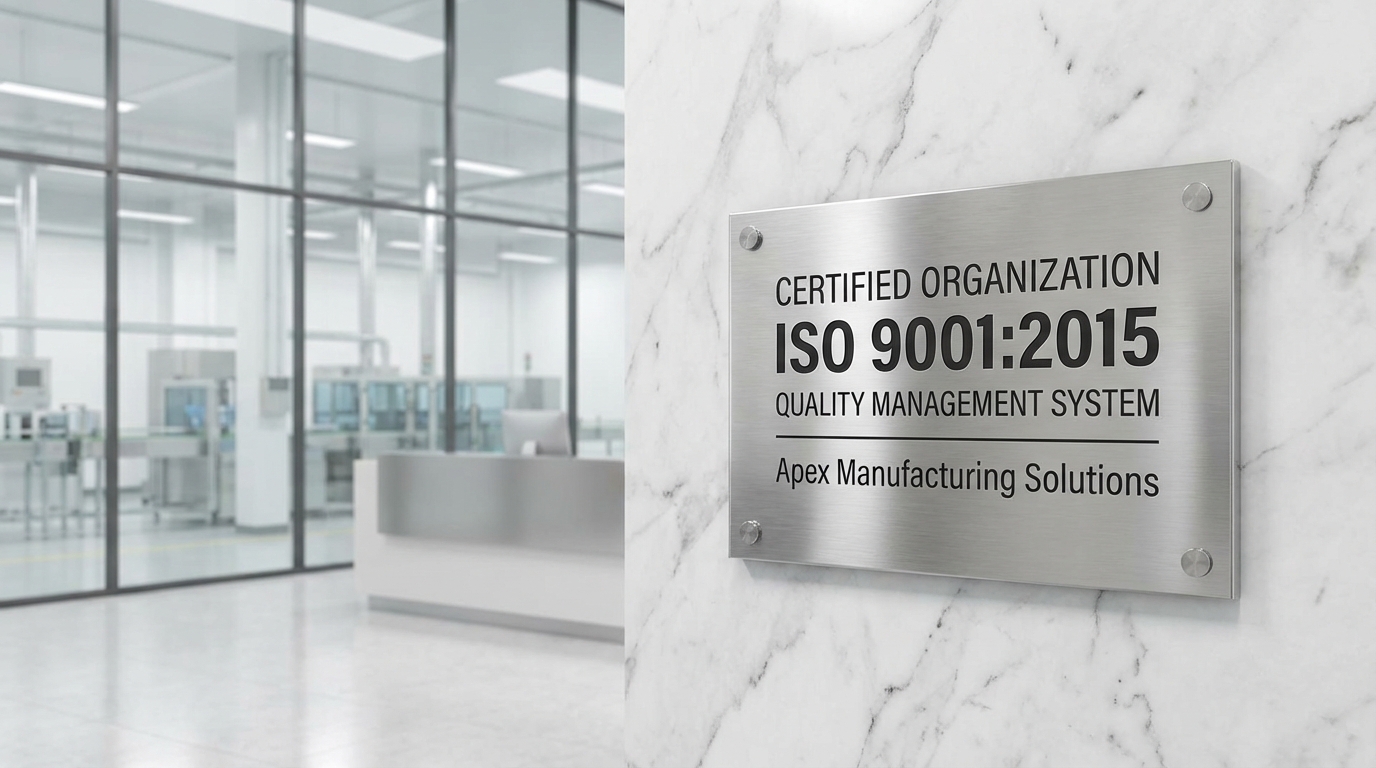
Manufacturing facilities in China adhere to ISO 9001, CE, and international safety standards. Certified conveyor belt rubber from china undergoes testing for flame retardancy, anti-static properties, and tensile limits. These certifications provide the assurance needed for global procurement.
Are international certifications necessary?
Certifications ensure that the product you buy is safe for your workers and compliant with local laws.
- ISO 9001 (Quality Management)
- CE EN14973 (Safety Standards)
- DIN Testing (Abrasion Limits)
You gain peace of mind knowing the belt won’t fail during a critical production run. Here is why:
Key TakeawayThird-party verification is the best way to validate the technical claims of a manufacturer.
| Standard | Focus Area | Industry | |
|---|---|---|---|
| ISO 9001 | Consistency | All | |
| EN14973 | Safety/Flame | Mining |
Strict adherence to standards guarantees that every meter of rubber is identical in performance.
How is final quality control managed?
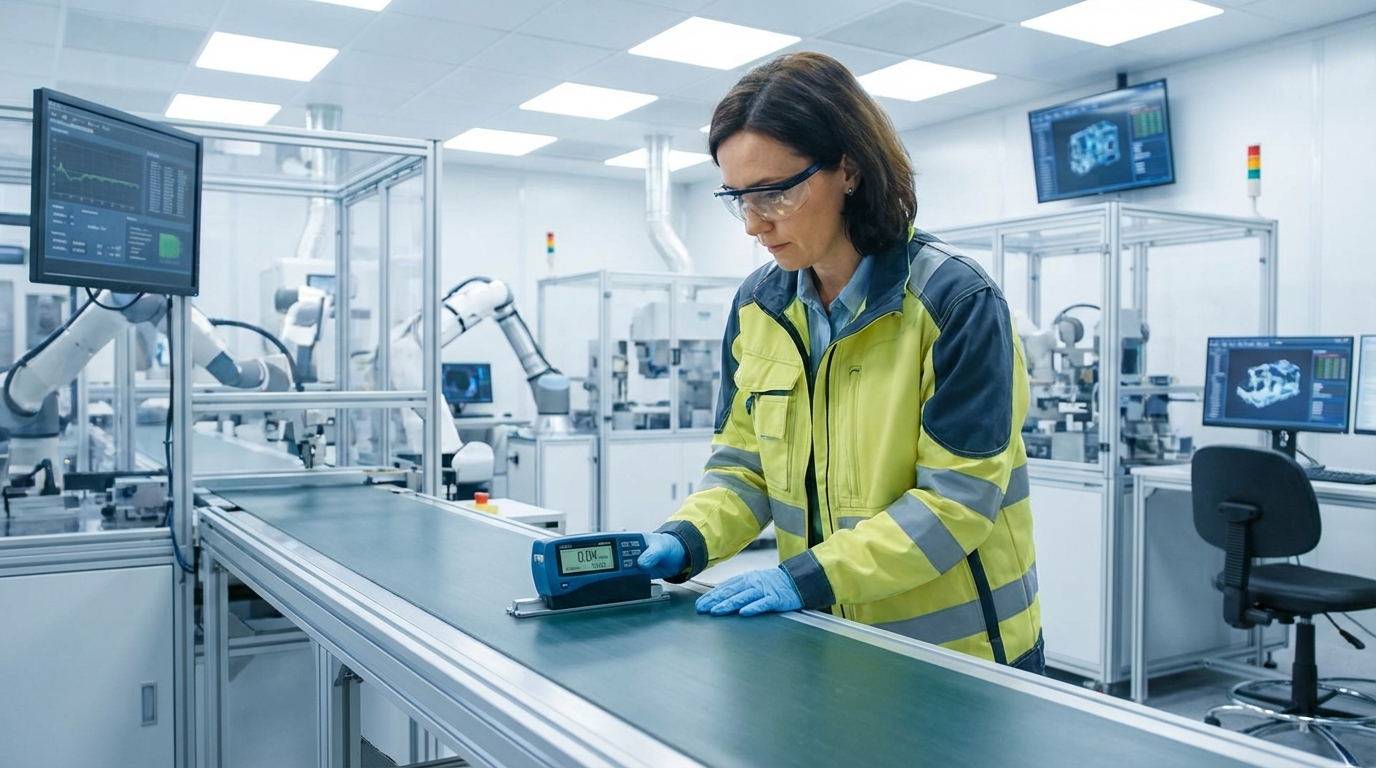
A dedicated team of engineers performs a series of physical tests on every production batch. Testing conveyor belt rubber from China includes checking for abrasion loss, tensile strength, and cover adhesion. Only products that pass 100% of these tests are cleared for delivery.
Why trust the engineering team?
Professional engineers use high-precision tools to measure the performance limits of the rubber.
- Accurate abrasion data
- Puncture resistance testing
- Aging simulation
You can request a full test report for your specific order before it leaves the factory. But that’s not all. For steep incline needs, consider the Chevron Conveyor Belt .
Key TakeawayRigorous QC is the final barrier that ensures you receive industrial-grade equipment every time.
| Test | Method | Objective | |
|---|---|---|---|
| Tensile | Pull Test | Load Capacity | |
| Abrasion | DIN Method | Wear Life |
The data provided by the QC department allows you to predict the service life of your equipment.
How are these products stored and shipped?
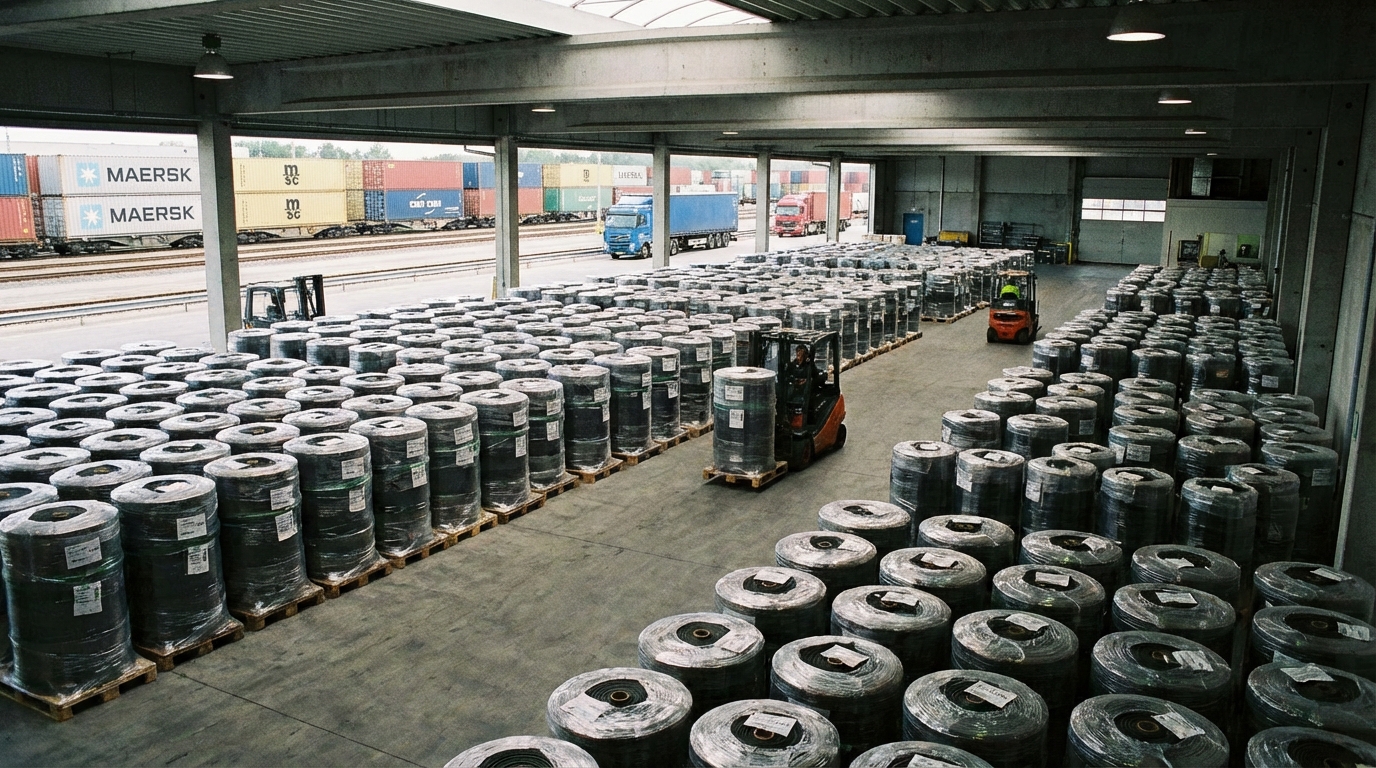
Finished rolls are stored in climate-controlled warehouses to prevent UV damage and rubber oxidation. Large-scale storage of conveyor belt rubber from china ensures that standard sizes are ready for immediate export. Professional packaging protects the belt edges during sea freight.
Can you request custom packaging?
Manufacturers offer specialized packaging options including steel frames, wooden crates, or waterproof wrapping.
- Steel frames for heavy ST belts
- Waterproof film for sea transport
- Custom branding on outer covers
You will receive your belt in pristine condition, regardless of how far it has traveled. Here is why: For vertical conveying, look into Sidewall Conveyor Belts .
Key TakeawayProper logistics and storage preserve the integrity of the rubber until it is installed on your system.
| Packaging | Best For | Protection | |
|---|---|---|---|
| Steel Frame | Heavy Belts | Impact/Crush | |
| UV Film | Long Sea Transit | Sun/Moisture |
Strategic warehousing allows for stable lead times, ensuring your project stays on schedule.
Selecting a leading manufacturer for your industrial needs ensures you receive more than just a product; you receive a precision-engineered solution. By focusing on advanced manufacturing and direct factory quality control, you protect your operation from the costs of failure. To optimize your facility and start saving on maintenance costs, contact us today for a technical consultation.
Frequently Asked Questions
Can I request a custom rubber compound for my specific material?Yes, professional manufacturers allow you to customize the cover grade to handle unique chemical or thermal challenges.
What’s the best way to verify the quality of a new supplier?Directly requesting a factory visit or a verified sample roll is the most reliable method for confirming production standards.
How do I know if I need a steel cord or fabric belt?Heavy-duty, long-distance mining usually requires steel cords, while shorter industrial runs are better suited for fabric.
Can I get a technical drawing based on my current conveyor frame?Yes, our engineering team provides full drawing-based support to ensure the belt fits your existing pulleys perfectly.
What’s the best maintenance interval for high-tension systems?Bi-weekly visual inspections and monthly tension checks are recommended to prevent unplanned downtime in high-tension environments.