Reliable custom conveyor belt rubber strips dealers provide precision sealing solutions that prevent material spillage, improve belt tracking, and reduce downtime in heavy-duty industrial systems.
What Are Custom Conveyor Belt Rubber Strips Dealers Providing?
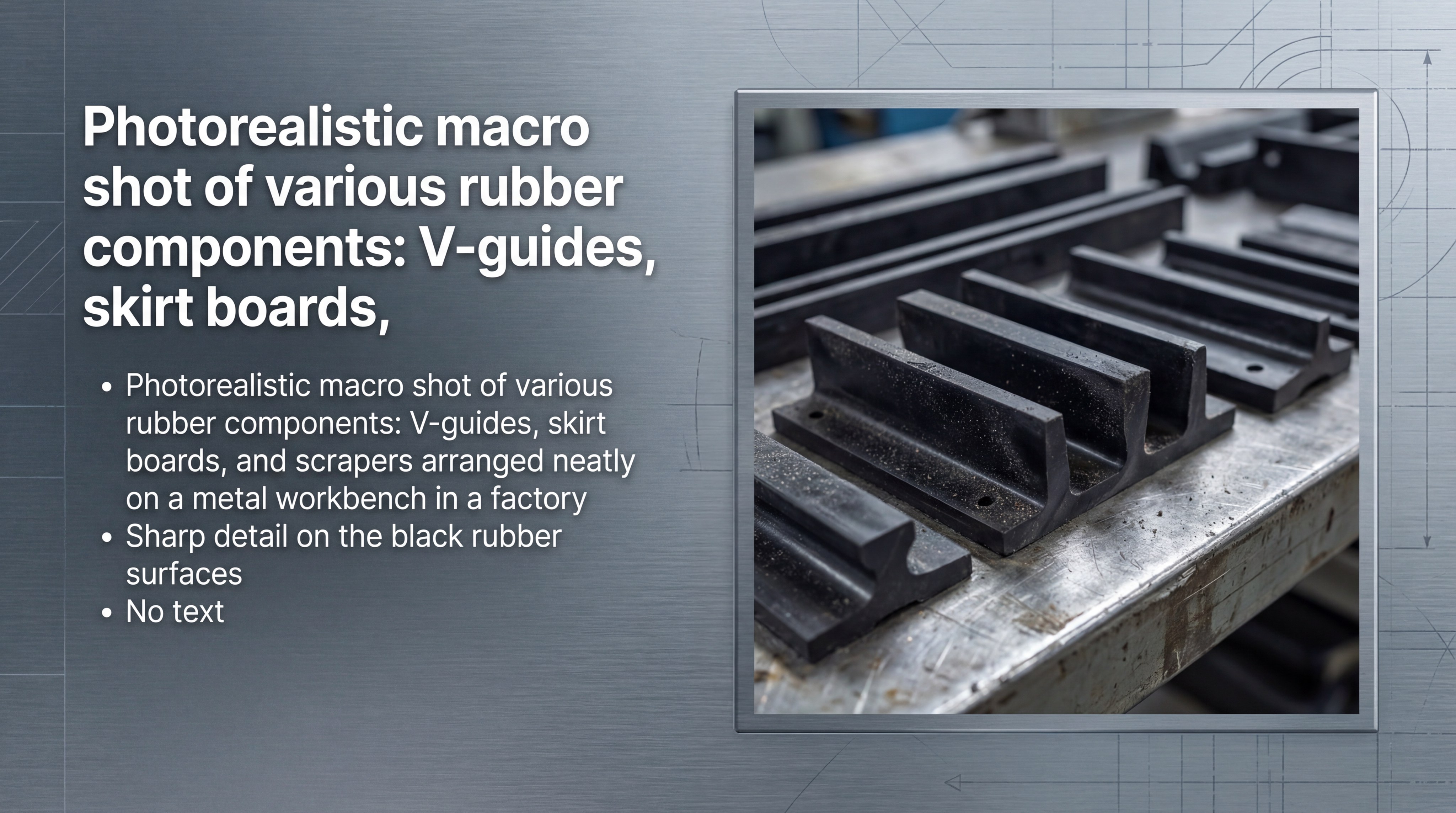
These specialist custom conveyor belt rubber strips dealers provide a diverse range of critical components including skirt boards, V-guides, and specialized scrapers. By focusing on the “friction points” of your system, they ensure that the interface between moving belts and stationary chutes remains airtight. Their products are fabricated from high-grade polymers designed to withstand constant abrasion.
Why Is Precision Skirting Essential?
Skirting acts as a flexible seal that sits on the edges of the belt at loading zones. It prevents dust and fine particles from escaping into the environment or mechanical parts.
Think about it:
- Reduced dust improves air quality for your workers.
- Lower material loss directly increases your profit margins.
- System longevity is extended by protecting idlers.
The Benefits of Custom V-Guides
V-guides are rubber profiles bonded to the bottom of the belt to ensure it remains centered on the pulleys. Without these, your belt might drift, causing catastrophic edge damage or frame contact.
The best part?
- Tracking becomes automatic even under uneven loads.
- Edge fraying is virtually eliminated over time.
- Maintenance teams spend less time adjusting tension.
Key Takeaway: High-quality rubber components from specialized dealers prevent material loss and protect the structural integrity of your entire conveyor system.
| Component | Primary Function | Main Benefit | |
|---|---|---|---|
| Rubber Skirting | Edge sealing | Prevents material spillage | |
| V-Guides | Belt tracking | Eliminates belt wandering | |
| Scrapers | Belt cleaning | Reduces material carryback |
Modern fabrication ensures that each strip is perfectly matched to the specific Shore hardness required for your material type.
How Do Custom Conveyor Belt Rubber Strips Dealers Design Systems?
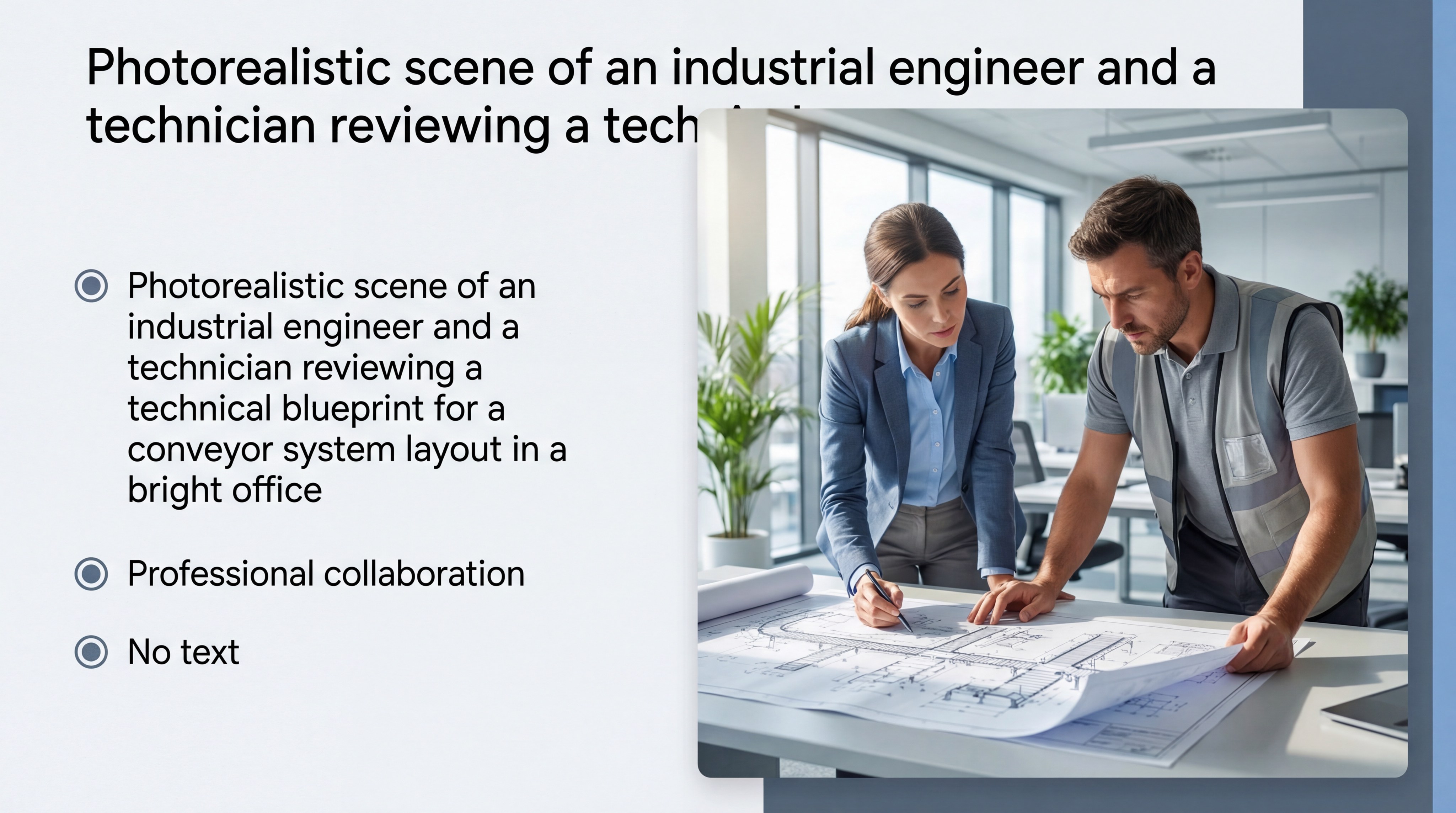
Leading custom conveyor belt rubber strips dealers utilize technical blueprint reviews to ensure every rubber component fits the unique geometry of your conveyor. This engineering-first approach prevents the common “one-size-fits-all” failures seen with generic parts. By analyzing your system’s load points, they can recommend specific rubber thicknesses and profiles.
Why Review Technical Blueprints First?
Blueprints reveal the exact angles and tolerances required for a perfect seal. This prevents gaps that lead to high-velocity material leaks during operation.
Here is the kicker:
- Engineering accuracy reduces the need for on-site modifications.
- Custom fits ensure that the rubber wears evenly.
- Installation becomes faster and more predictable for your team.
Selecting Compounds for Your Environment
Different materials require different rubber formulations, such as oil-resistant or heat-tolerant compounds. Dealers analyze your specific cargo to match the rubber chemistry perfectly.
But wait, there’s more:
- Nitrile compounds resist chemical degradation in processing.
- EPDM options handle extreme outdoor UV exposure.
- Natural rubber blends provide the best impact resistance.
Key Takeaway: Technical collaboration between engineers and dealers ensures that your rubber strips are optimized for both physical fit and chemical environment.
| Design Phase | Critical Action | Outcome | |
|---|---|---|---|
| Blueprint Review | Dimensional Analysis | Zero-gap sealing fit | |
| Compound Selection | Chemical matching | Extended component life | |
| CAD Simulation | Performance prediction | Reduced operational risk |
The synergy between detailed engineering and material science is what separates industrial-grade dealers from standard suppliers.
Where Are Custom Conveyor Belt Rubber Strips Dealers Manufacturing?
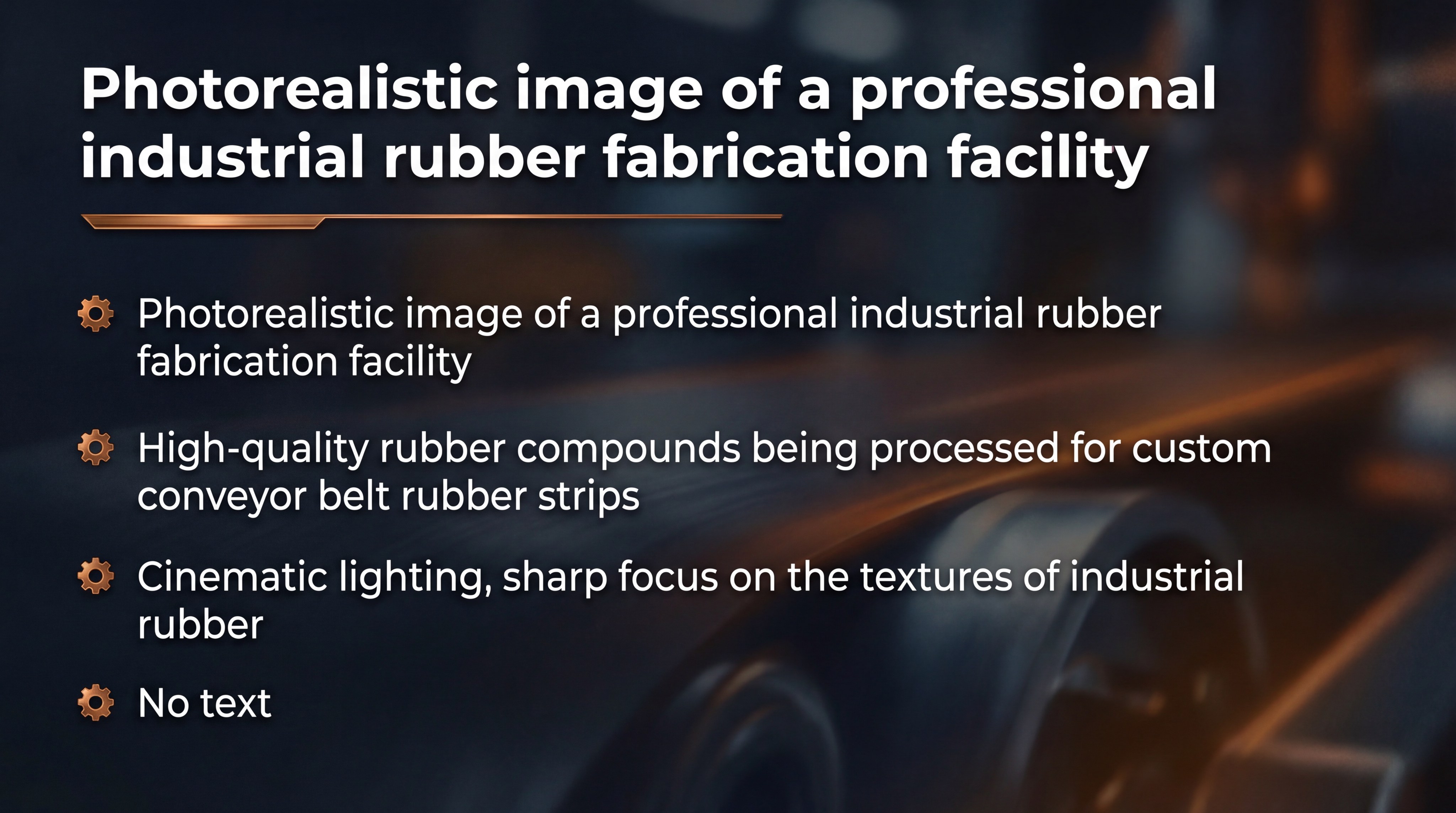
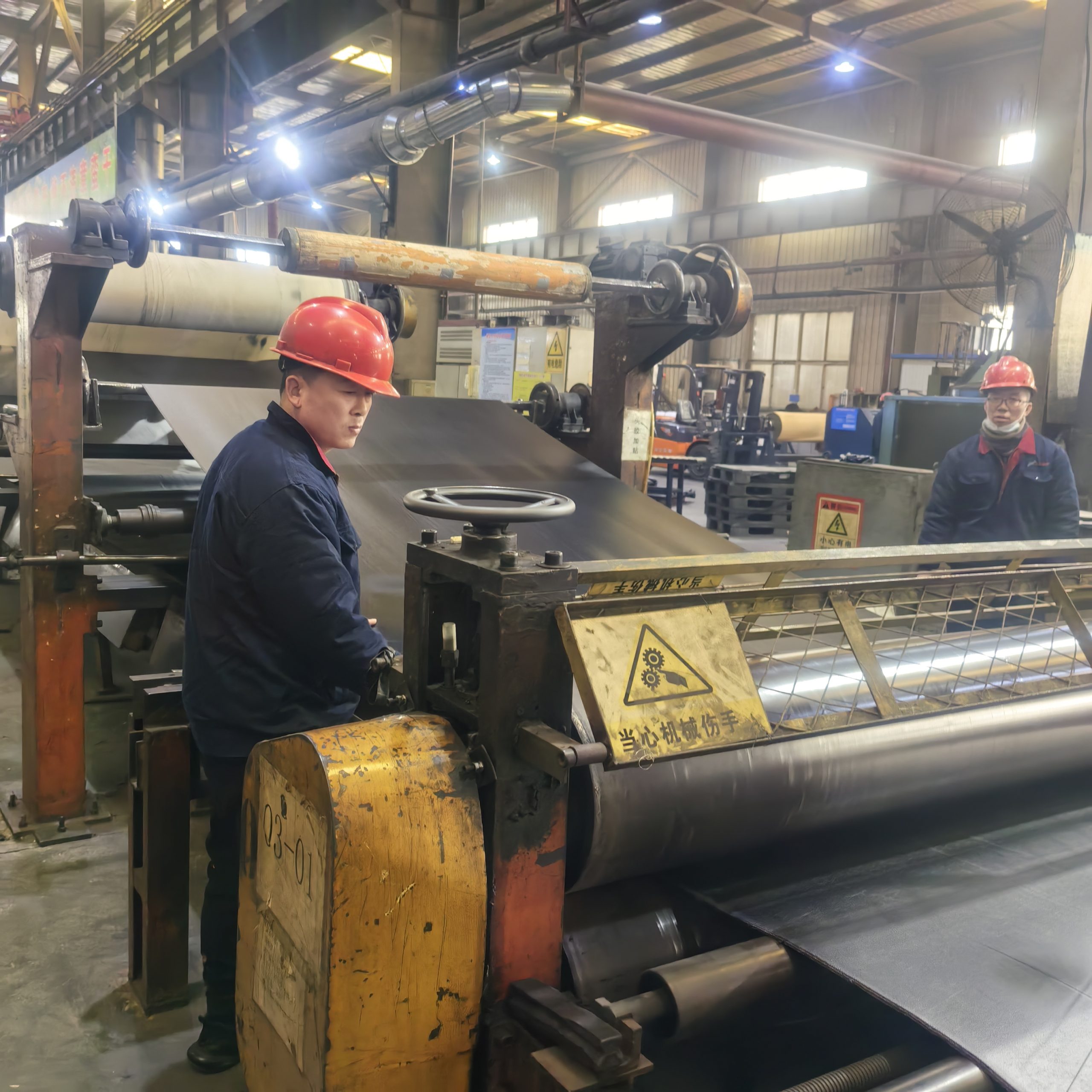
Top custom conveyor belt rubber strips dealers operate high-tech fabrication facilities that utilize computerized cutting and processing equipment. These factories are designed to handle massive rolls of rubber and transform them into precision-sized strips. By manufacturing in-house, they maintain strict control over the quality of the raw materials used.
High-Tech Precision Cutting Methods
Computerized cutting ensures that every strip has a perfectly straight edge for maximum sealing efficiency. This precision is impossible to achieve with manual hand-cutting on a job site.
The best part?
- Consistency is guaranteed across thousands of feet of product.
- Complex profiles like vanner edges are easily produced.
- Waste is minimized, lowering the cost for the end user.
Maintaining Raw Material Integrity
Dedicated facilities protect rubber from environmental degradation like moisture or extreme heat before it reaches you. This ensures the polymer chains remain strong for maximum abrasion resistance.
In short:
- Controlled storage prevents the rubber from becoming brittle.
- Freshly processed rubber has better bonding properties.
- Dealers can track batch numbers for full transparency.
Key Takeaway: Choosing a dealer with a dedicated manufacturing facility guarantees that your strips are produced with industrial precision and material freshiness.
| Facility Feature | Technical Benefit | User Value | |
|---|---|---|---|
| CNC Cutting | Geometric Accuracy | Perfect sealing performance | |
| Climate Control | Material Stability | Maximum rubber flexibility | |
| Batch Tracking | Quality Accountability | Consistent performance reliability |
Advanced manufacturing allows for the creation of specialized “sandwich” skirting that combines hard and soft rubber layers.
Can Custom Conveyor Belt Rubber Strips Dealers Prevent Mining Spillage?
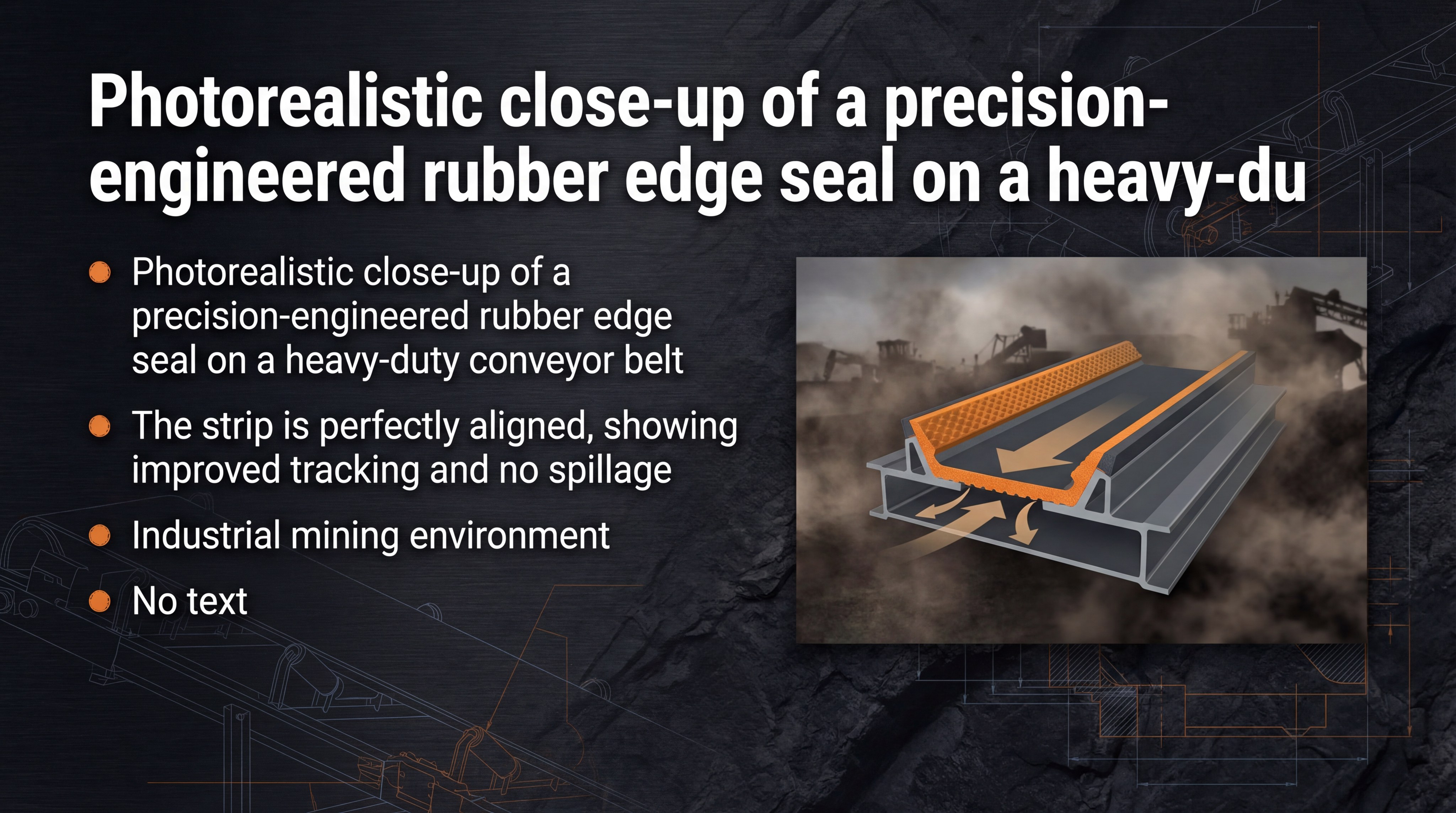
Yes, custom conveyor belt rubber strips dealers provide heavy-duty edge seals specifically designed to contain the high-impact loads found in mining. In these environments, sharp rocks and heavy ore can easily destroy standard skirting. Precision-engineered mining seals use reinforced compounds to withstand this constant battering without losing their shape.
Solving the Impact Zone Problem
The loading zone is where most spillage occurs due to the force of falling material. Specialized rubber strips absorb this energy while maintaining a tight seal against the belt.
Think about it:
- Heavier skirting prevents rocks from wedging under the seal.
- Reinforced edges stop the rubber from curling outward.
- Cleanup costs in the tunnel or pit are drastically reduced.
Why Use Double-Seal Skirting?
Mining environments often utilize a secondary seal to catch the fine dust that escapes the primary barrier. This two-stage approach is essential for keeping the workspace safe and breathable.
But wait, there’s more:
- The primary seal handles the heavy bulk material.
- The secondary seal captures the airborne “fines.”
- This combination reduces mechanical wear on the conveyor frame.
Key Takeaway: Mining-grade rubber strips are essential for containing high-impact materials and preventing the buildup of dangerous dust in work areas.
| Mining Challenge | Rubber Solution | Operational Impact | |
|---|---|---|---|
| High-Impact Loads | Reinforced heavy-duty rubber | No seal deformation | |
| Fine Ore Dust | Double-seal architecture | Cleaner, safer work sites | |
| Abrasive Slurry | Low-friction compounds | Reduced belt cover wear |
The right edge seal acts as a barrier that saves your maintenance team hours of daily manual shovel work.
Why Choose Custom Conveyor Belt Rubber Strips Dealers For Upgrades?
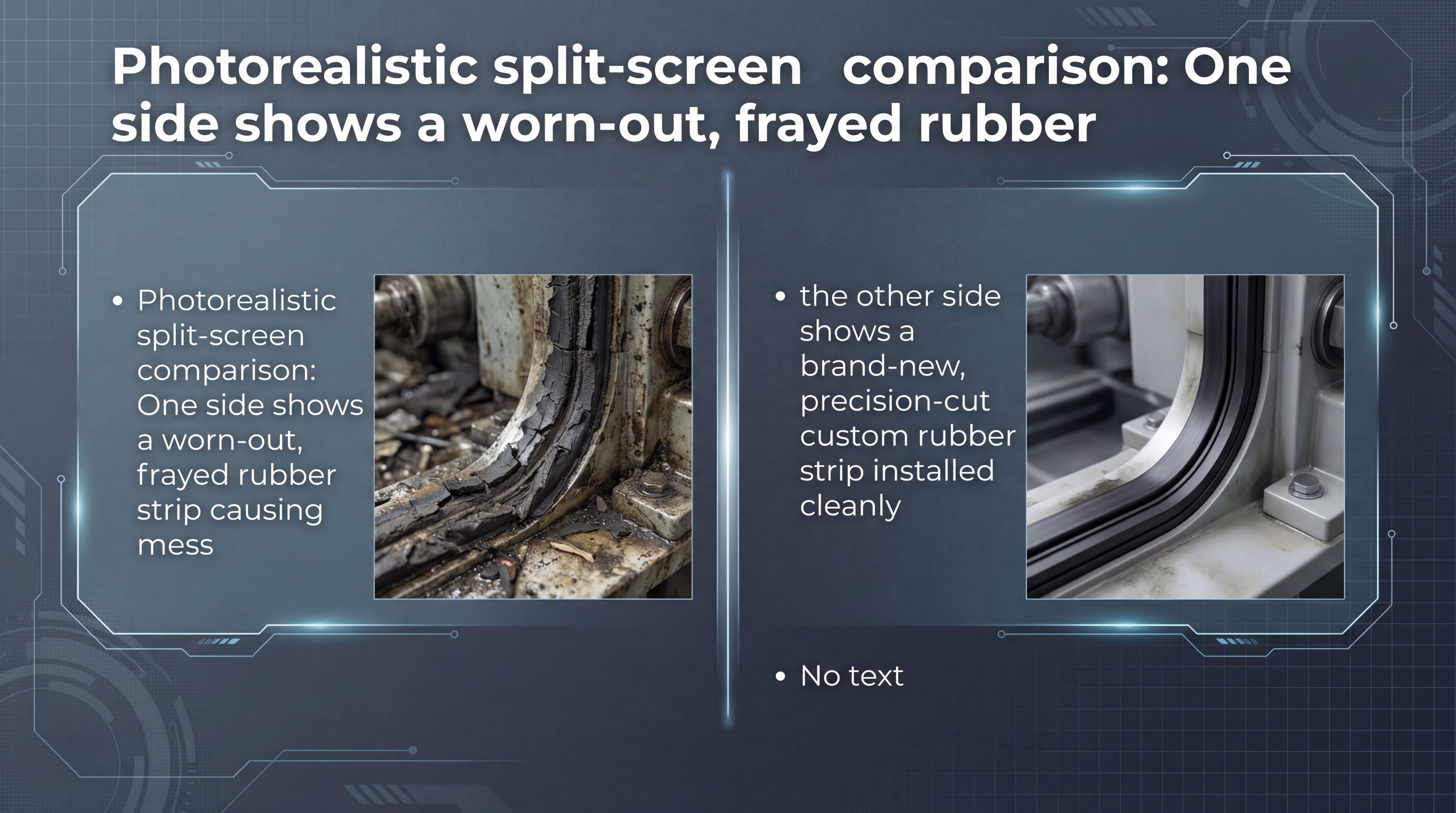
Partnering with custom conveyor belt rubber strips dealers for system upgrades allows you to replace frayed, worn rubber with modern, high-performance materials. Old, brittle rubber often causes “grooving” on your expensive conveyor belt, leading to permanent damage. Upgrading to precision-cut strips ensures a clean contact surface that preserves your belt life.
Identifying the Signs of Worn Rubber
Cracked or hardened rubber strips lose their flexibility and can no longer contour to the belt’s surface. This creates gaps that leak material and increase the risk of fire from friction.
Here is the kicker:
- Worn strips increase the drag on your conveyor motor.
- Hardened rubber can act like sandpaper on your belt.
- Leaking material fouls the return idlers and causes mistracking.
The Impact of Modern Rubber Upgrades
New rubber formulations offer significantly lower coefficients of friction than older materials. This means they seal just as well while requiring less energy to move the belt.
The best part?
- Electricity consumption for the conveyor can drop significantly.
- Belt covers last longer due to reduced abrasive contact.
- The system runs quieter, improving the plant environment.
Key Takeaway: Upgrading your rubber strips is a low-cost maintenance move that yields high returns in belt protection and energy efficiency.
| Status | Rubber Condition | System Impact | |
|---|---|---|---|
| Old/Worn | Brittle and cracked | Belt grooving and spillage | |
| New/Custom | Flexible and smooth | Perfect seal and low friction | |
| Upgraded | Compound-optimized | Maximum uptime and life |
A simple visual inspection often reveals that the cost of new rubber is a fraction of the cost of one damaged belt.
How Do Custom Conveyor Belt Rubber Strips Dealers Use Vulcanization?
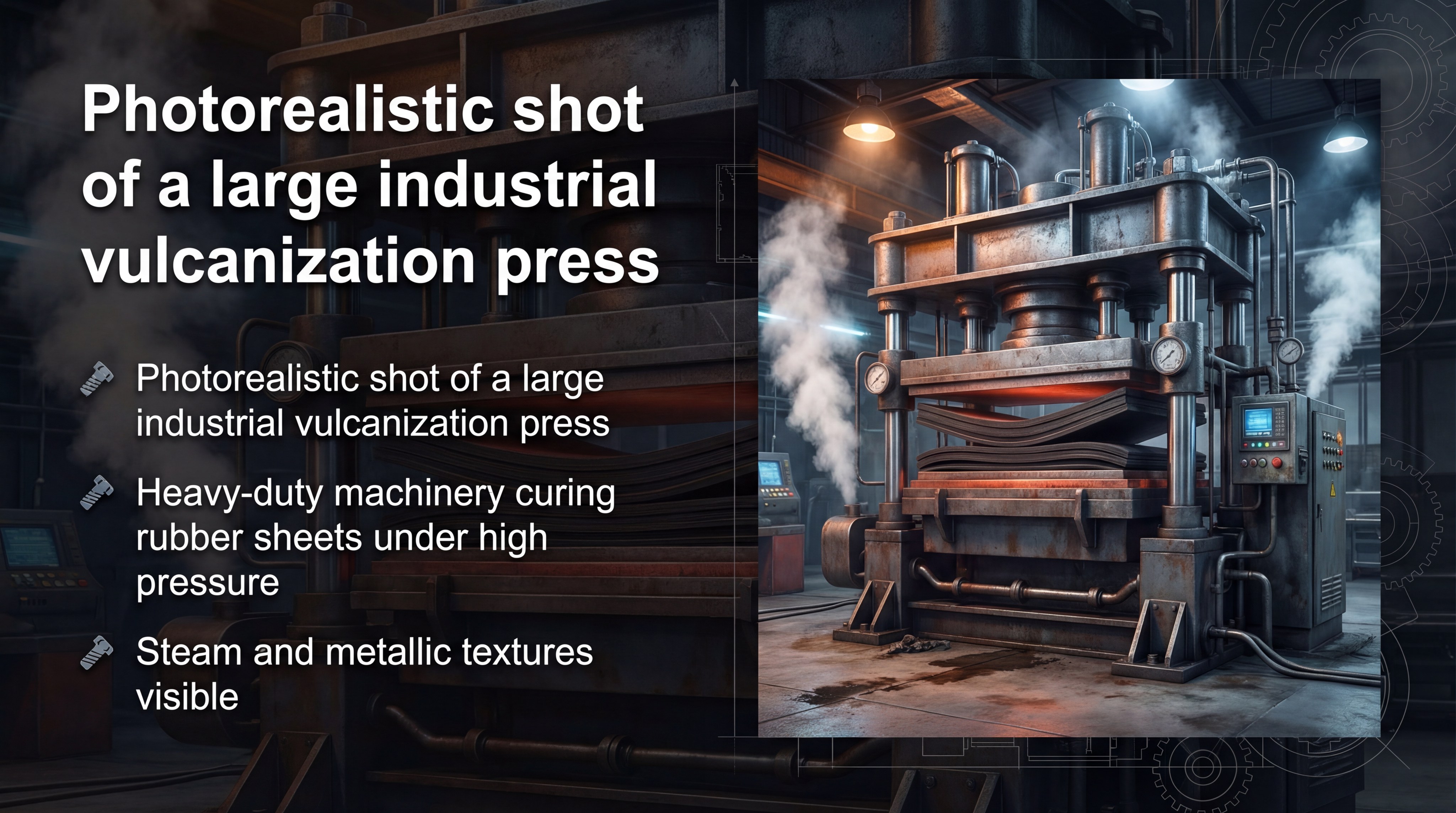
Experienced custom conveyor belt rubber strips dealers use industrial vulcanization presses to permanently bond rubber components to the base material. This process uses heat and high pressure to create a molecular bond that is far stronger than any cold-applied adhesive. It is the gold standard for adding cleats, sidewalls, or V-guides to your belting system.
Why Is Hot Vulcanization Superior?
Cold glue can fail under extreme temperatures or high moisture, causing parts to peel off. Vulcanization makes the rubber strip an inseparable part of the conveyor belt itself.
In short:
- There are no edges for material to get caught under.
- The bond strength exceeds the strength of the rubber.
- It performs reliably in the harshest outdoor environments.
The Role of High-Pressure Presses
Massive presses ensure that the heat is distributed evenly across the entire surface of the rubber strip. This prevents “soft spots” that could lead to premature failure during heavy use.
Think about it:
- Uniform pressure creates a perfectly flat sealing surface.
- Controlled cooling prevents the rubber from warping.
- The resulting finish is professional and extremely durable.
Key Takeaway: Vulcanized rubber components provide the highest level of reliability for systems that operate 24/7 in demanding conditions.
| Bonding Method | Process Type | Durability Level | |
|---|---|---|---|
| Cold Bonding | Chemical Adhesive | Moderate / Indoor use | |
| Hot Vulcanization | Heat & Pressure | Maximum / All-weather | |
| Mechanical | Bolts / Fasteners | High / Heavy impact |
Using vulcanization allows dealers to create “endless” belts that have no weak splice points to catch on scrapers.
Do Custom Conveyor Belt Rubber Strips Dealers Lower Operating Costs?
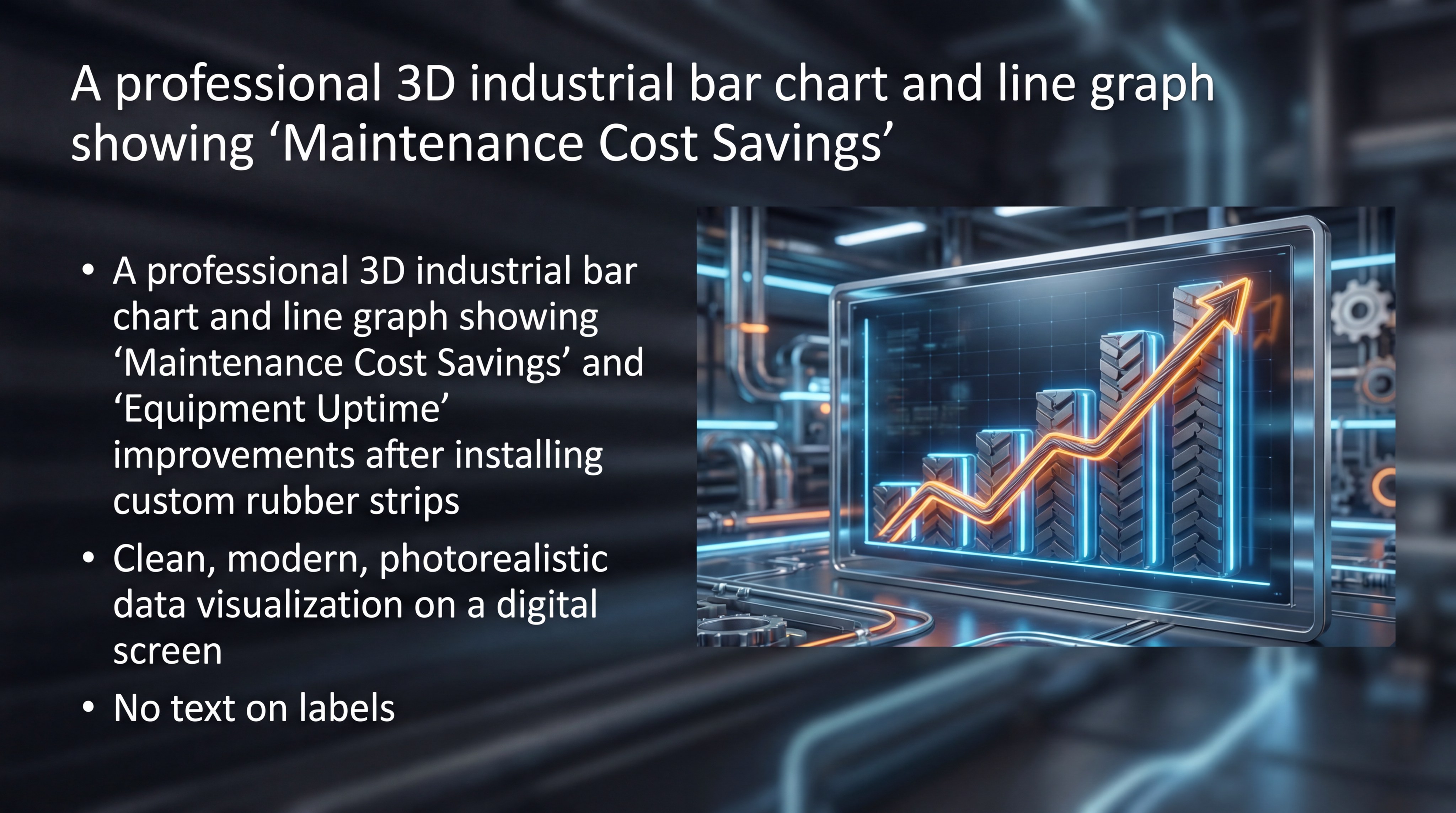
Absolutely, custom conveyor belt rubber strips dealers help you lower costs by maximizing equipment uptime and reducing the need for constant manual cleaning. When your conveyor is properly sealed, material stays on the belt instead of piling up around the motors and pulleys. This directly translates to lower labor costs and fewer mechanical breakdowns.
Tracking the Savings in Maintenance
Every hour your team spends shoveling spilt material is an hour of lost productivity elsewhere. Quality rubber strips can reduce this cleaning time by up to 90% in most facilities.
The best part?
- Maintenance staff can focus on preventative tasks.
- Emergency downtime events become much less frequent.
- The lifespan of bearings and rollers is significantly extended.
Improving Your Return on Investment
While custom rubber parts have a higher upfront cost than generic options, their longevity is far superior. You will find yourself replacing the components less often, saving money in the long run.
Here is the kicker:
- Fewer replacement cycles mean less ordering and shipping costs.
- Consistent performance leads to predictable production quotas.
- Safety fines for dust and debris are completely avoided.
Key Takeaway: Investing in precision-engineered rubber is a strategic decision that pays for itself through reduced labor and increased system reliability.
| Cost Category | With Poor Sealing | With Custom Rubber | |
|---|---|---|---|
| Cleaning Labor | High (Daily) | Low (Weekly) | |
| Component Wear | Accelerated | Optimized | |
| System Uptime | Unpredictable | Maximum |
Data from industrial dashboards proves that companies with better sealing systems enjoy significantly higher annual profitability.
Are Custom Conveyor Belt Rubber Strips Dealers Improving Site Safety?
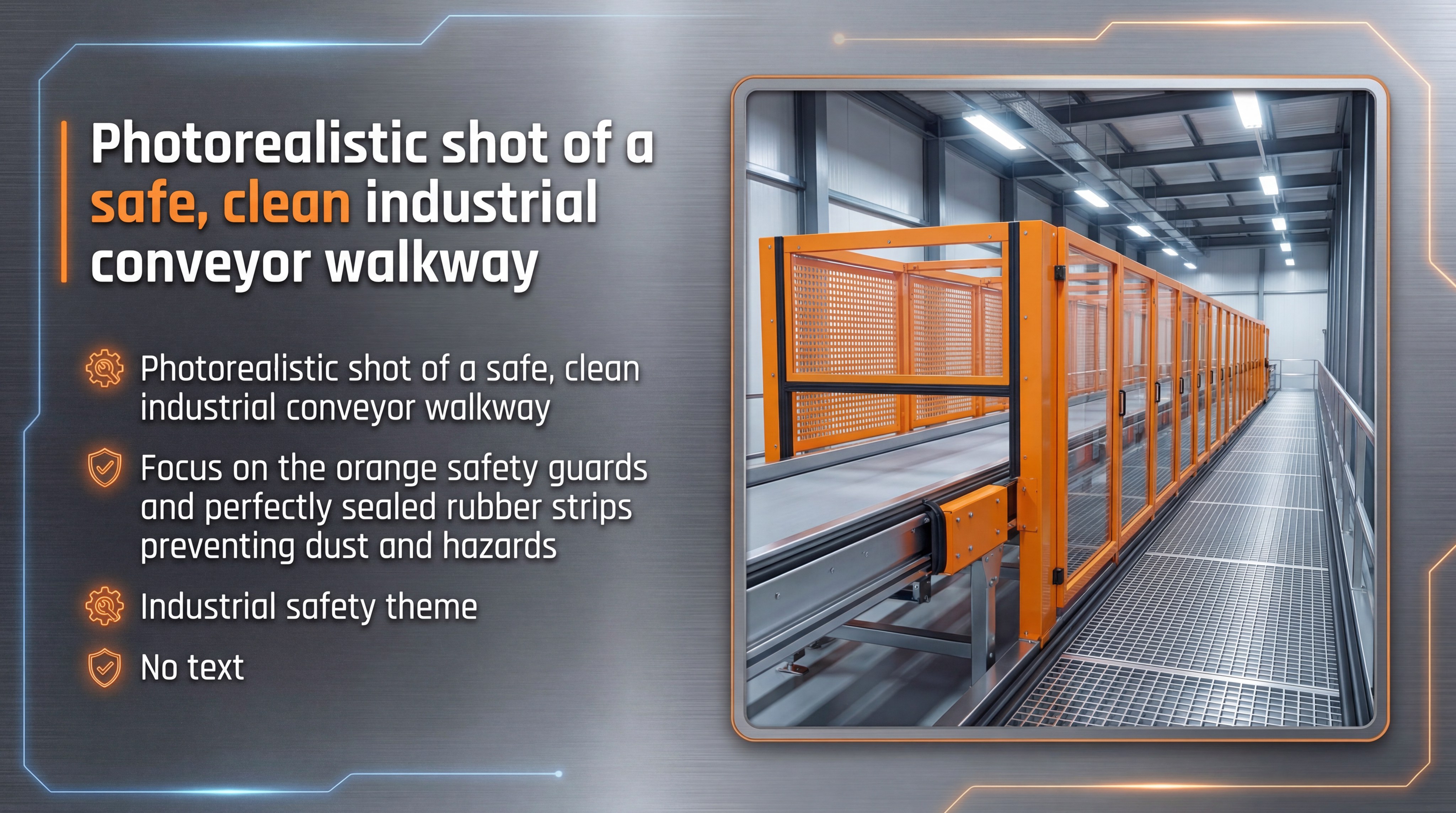
Yes, custom conveyor belt rubber strips dealers improve site safety by containing hazardous dust and keeping walkways clear of trip hazards. In industries like cement or fertilizer, spilled material creates slippery surfaces and airborne particles that are dangerous to inhale. Properly fitted rubber seals create a closed environment that protects your most valuable asset—your people.
Creating a Dust-Free Environment
Airborne dust is not just a health risk; it is also a significant explosion hazard in many processing plants. High-quality skirting keeps these “fines” trapped within the conveyor housing.
In short:
- Respiratory issues among workers are greatly reduced.
- The risk of static-ignited dust explosions is minimized.
- Visibility around the machinery remains clear at all times.
Keeping Walkways and Stairs Clear
Material that spills off the belt often ends up on the metal gratings where workers need to walk. This creates uneven surfaces and slip hazards that lead to recordable workplace injuries.
Think about it:
- Clear walkways allow for safer equipment inspections.
- Emergency egress routes remain unobstructed and safe.
- Insurance premiums can be lowered by maintaining a cleaner site.
Key Takeaway: Safety and efficiency go hand-in-hand; a clean conveyor system is inherently a much safer place to work.
| Safety Factor | Impact of Spillage | Impact of Sealing | |
|---|---|---|---|
| Slip/Trip Risk | High (Material on floor) | Low (Clear walkways) | |
| Air Quality | Poor (Escaping dust) | Good (Contained fines) | |
| Fire Hazard | Increased (Friction/Dust) | Reduced (Low drag) |
A safe site is a productive site, and custom rubber strips are a fundamental building block of industrial safety.
How Do Custom Conveyor Belt Rubber Strips Dealers Ensure Quality?

Professional custom conveyor belt rubber strips dealers ensure quality through rigorous laboratory testing of every batch of rubber. They measure critical performance metrics like tensile strength, elongation, and Shore A hardness to guarantee the rubber meets industrial standards. This scientific validation ensures that the strip you receive will perform as promised in the field.
The Importance of Tensile Testing
Tensile strength measures how much pulling force the rubber can withstand before it snaps. For scrapers and skirts, this is vital for resisting the constant “tug” of the moving belt.
The best part?
- Strips won’t tear when they hit a belt splice.
- The rubber maintains its shape under high tension.
- Durability is guaranteed for heavy-load applications.
Measuring Shore Hardness for Specific Jobs
Shore hardness determines how stiff or flexible the rubber is. Dealers match the hardness to your belt type to ensure it seals perfectly without digging into the belt cover.
But wait, there’s more:
- Softer rubber (50-60 Shore A) is used for delicate seals.
- Harder rubber (70-80 Shore A) is used for impact zones.
- Precise hardness prevents “belt carving” and premature wear.
Key Takeaway: Lab-verified quality ensures that you aren’t guessing about the performance of your conveyor seals and components.
| Lab Test | What It Measures | Performance Result | |
|---|---|---|---|
| Tensile Strength | Tear resistance | Longer component life | |
| Shore A Hardness | Flexibility/Stiffness | Optimized belt interface | |
| Abrasion Loss | Wear rate | Predictable maintenance cycles |
Third-party inspection and factory reports provide the transparency needed for high-stakes industrial procurement.
Can Custom Conveyor Belt Rubber Strips Dealers Handle Port Bulk?
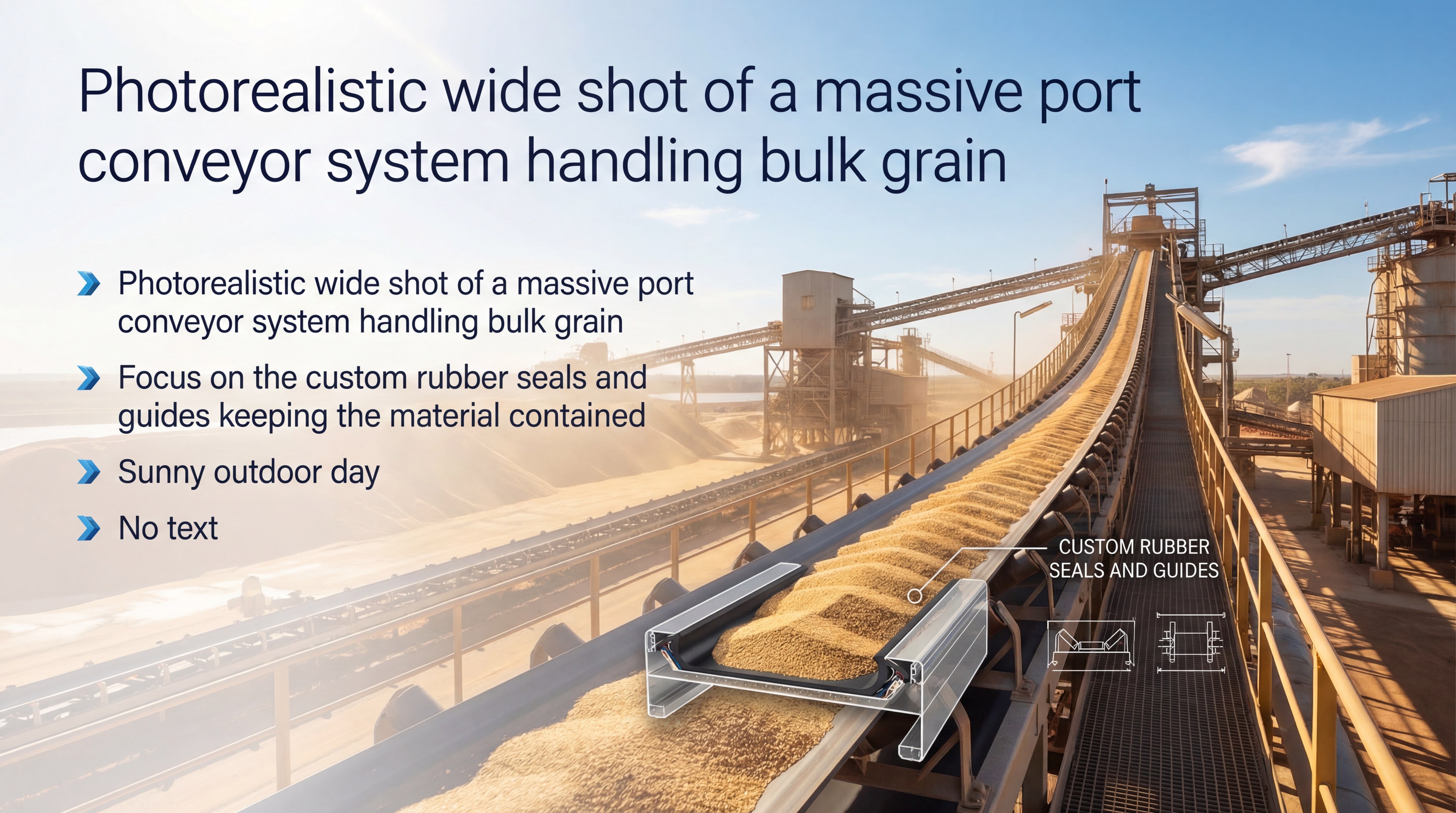
Yes, custom conveyor belt rubber strips dealers are experts at handling the high-speed, high-volume requirements of port bulk terminals. Whether it’s grain, coal, or iron ore, port systems require massive belts and incredibly reliable sealing solutions to prevent ship-loading delays. Dealers provide extra-wide skirting and UV-resistant compounds that thrive in salty maritime environments.
Managing High-Volume Grain Systems
Grain is highly flowable and prone to escaping even the smallest gaps in a conveyor system. Custom rubber strips for grain ports are designed to provide a “zero-leak” seal at high belt speeds.
Here is the kicker:
- Food-grade compounds prevent material contamination.
- Anti-static rubber prevents grain dust ignition.
- Precision fit ensures that no grain is wasted during loading.
Dealing with Harsh Saltwater Corrosion
Outdoor port conveyors are exposed to constant salt spray and high humidity. Custom dealers use specialized rubber that resists swelling and degradation in these corrosive conditions.
Think about it:
- Rubber strips remain flexible despite the salty air.
- Bonded components don’t delaminate from the belt.
- Maintenance intervals are extended, saving on port labor.
Key Takeaway: Port terminals require a specialized class of rubber components that can handle extreme speed, volume, and corrosive environmental factors.
| Port Cargo Type | Sealing Priority | Specialized Rubber | |
|---|---|---|---|
| Bulk Grain | Zero-leak containment | Anti-static / Food-grade | |
| Iron Ore | Impact resistance | Reinforced / Extra-thick | |
| Fertilizer | Chemical stability | Corrosion-resistant |
Strategic sealing at port terminals can increase loading efficiency and prevent costly environmental cleanup fines.
Summary: The Path to Industrial Excellence
Custom conveyor belt rubber strips are the unsung heroes of industrial efficiency. By choosing the right specialized dealer, you ensure that your system remains sealed, your belts stay tracked, and your operational costs stay low. Don’t let material spillage and dust hazards compromise your facility’s safety and profitability. Invest in precision-engineered rubber solutions to keep your productivity moving at full speed.
If you are ready to eliminate spillage and extend your conveyor life, contact us today for a professional consultation. Our brand vision is to provide world-class rubber fabrication that solves the toughest material handling challenges in mining, cement, and bulk terminals across the globe.
Frequently Asked Questions
Can I use standard sheet rubber for my conveyor skirting?While you technically can, it is not recommended because standard sheet rubber lacks the specific abrasion resistance and flexibility of dedicated skirting compounds. Using the wrong material will often lead to premature belt wear and frequent leaks that cost more in the long run.
What’s the best Shore hardness for a general-purpose scraper?A Shore A hardness of approximately 70 is typically ideal for general-purpose scrapers. This provides enough stiffness to effectively clean the belt surface while remaining flexible enough to avoid damaging the belt’s top cover.
How do I know if my V-guides are failing?You can tell your V-guides are failing if you notice the belt beginning to wander or “hunt” across the pulleys during operation. Visually inspect the underside of the belt for signs of peeling or chunks missing from the rubber profile, which indicates it is time for a replacement.
Can I get custom rubber strips for high-temperature applications?Yes, specialized dealers offer heat-resistant compounds like EPDM or Silicone that can withstand continuous temperatures exceeding 200°C. These are essential for cement plants or foundries where standard rubber would melt or become brittle instantly.
How do I know if my rubber strips are causing belt wear?Check for a distinct “groove” or polished line running the length of your conveyor belt directly under the seal points. If the rubber is too hard or has become embedded with abrasive particles, it will act as a cutting tool against your belt, indicating the strips need immediate adjustment or replacement.