
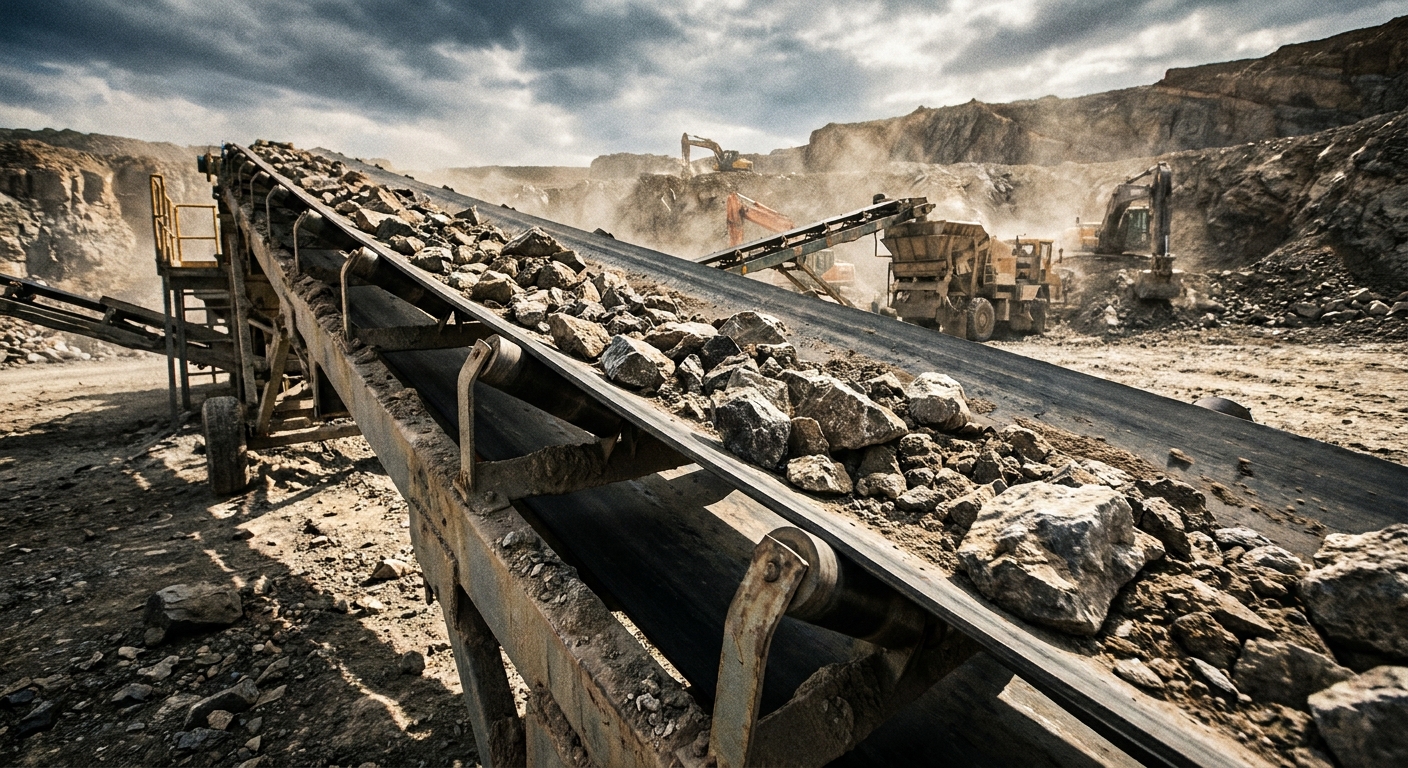
Precision plaster casting technology delivers highly accurate pulleys and rollers designed to improve the performance and durability of your material handling systems. Unlike standard hardware components that often fail under heavy-duty conditions, our precision-cast solutions minimize belt misalignment, reduce friction, and prevent costly downtime. By using advanced manufacturing processes with strict dimensional tolerances, we ensure every component works seamlessly with your rubber conveyor belt from china, providing long-lasting reliability, smoother operation, and increased production efficiency for industrial applications.
What is a rubber conveyor belt from china plaster cast?
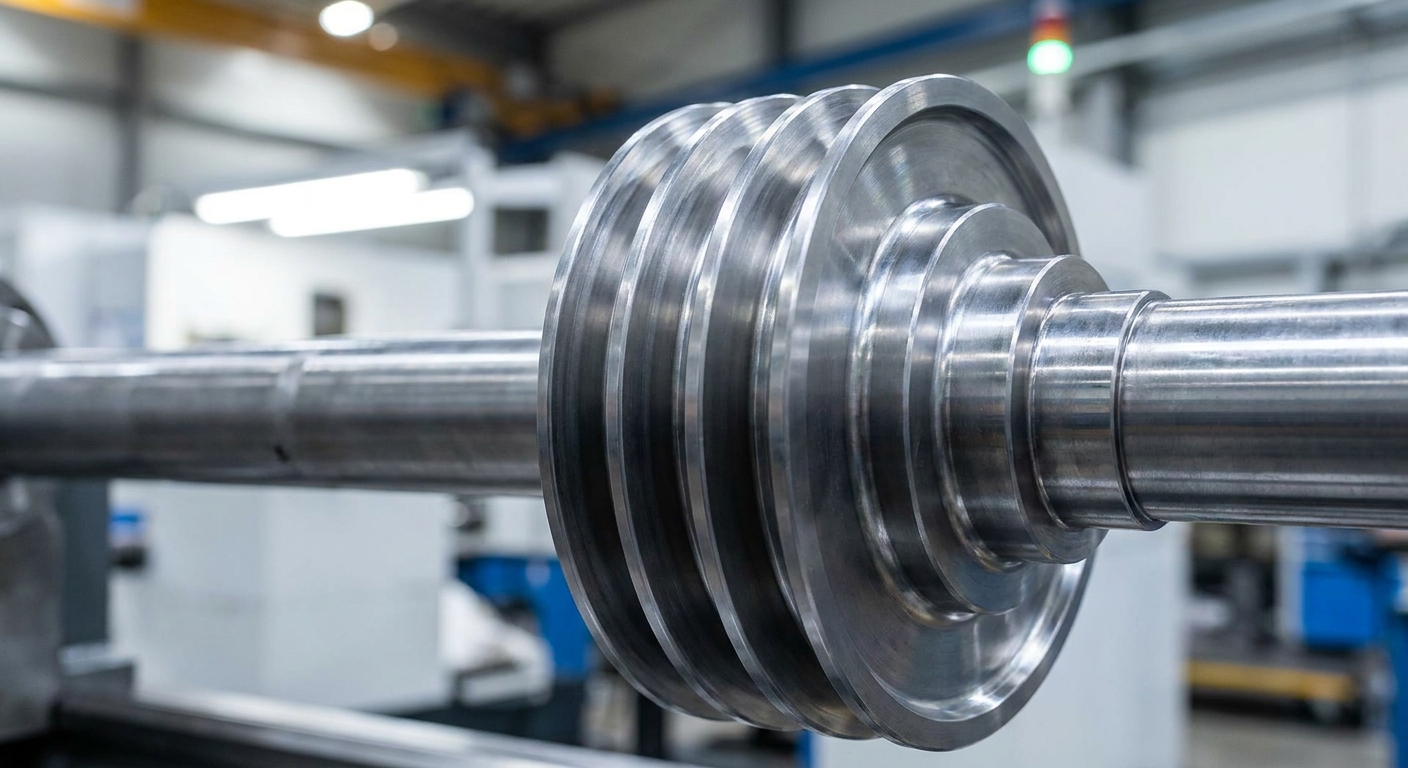
A plaster cast in this industrial context is a specialized metal part created via gypsum molds to support a rubber conveyor belt from china during heavy-duty operations. These casts allow engineers to create near-net-shape components with complex internal geometries that traditional sand casting simply cannot replicate. This high level of precision is vital for the drive pulleys and idlers that maintain the structural integrity of your entire belt system.
Definition of the Casting Process
Plaster casting involves pouring liquid non-ferrous metal into a mold made of plaster of Paris to achieve a superior, mirror-like surface finish. This method is the preferred choice for manufacturing aluminum and zinc parts that require tight tolerances.
Think about this: why settle for rough, abrasive components when you can have smooth surfaces that protect your equipment?
- Utilizes gypsum-based molds for exceptional detail.
- Ideal for components weighing between 30 grams and 45 kilograms.
- Ensures consistent dimensional stability across large production batches.
Hardware Integration for Belts
These casted parts serve as the high-precision skeletal framework for your entire conveyor assembly, reducing mechanical vibration. The smoother the surface of the casted part, the less friction is applied to the bottom cover of the belt.
Here is the kicker: reduced friction directly correlates to a significantly longer equipment lifespan.
- Allows for custom-shaped drive components that match belt profiles.
- Reduces mechanical vibration during high-speed transport cycles.
- Improves the overall tracking and alignment of the belt carcass.
| Feature | Benefit to Conveyor | |
|---|---|---|
| Gypsum Molds | Higher precision for drive pulleys | |
| Smooth Finish | Reduced friction on rubber surface |
The precision provided by plaster casting creates a seamless interface between the drive motor and the rubber belt.
Key Takeaway: Plaster casting provides the precision-engineered hardware necessary for the smooth operation of high-quality Chinese rubber belts.
How does a rubber conveyor belt from china utilize casting?
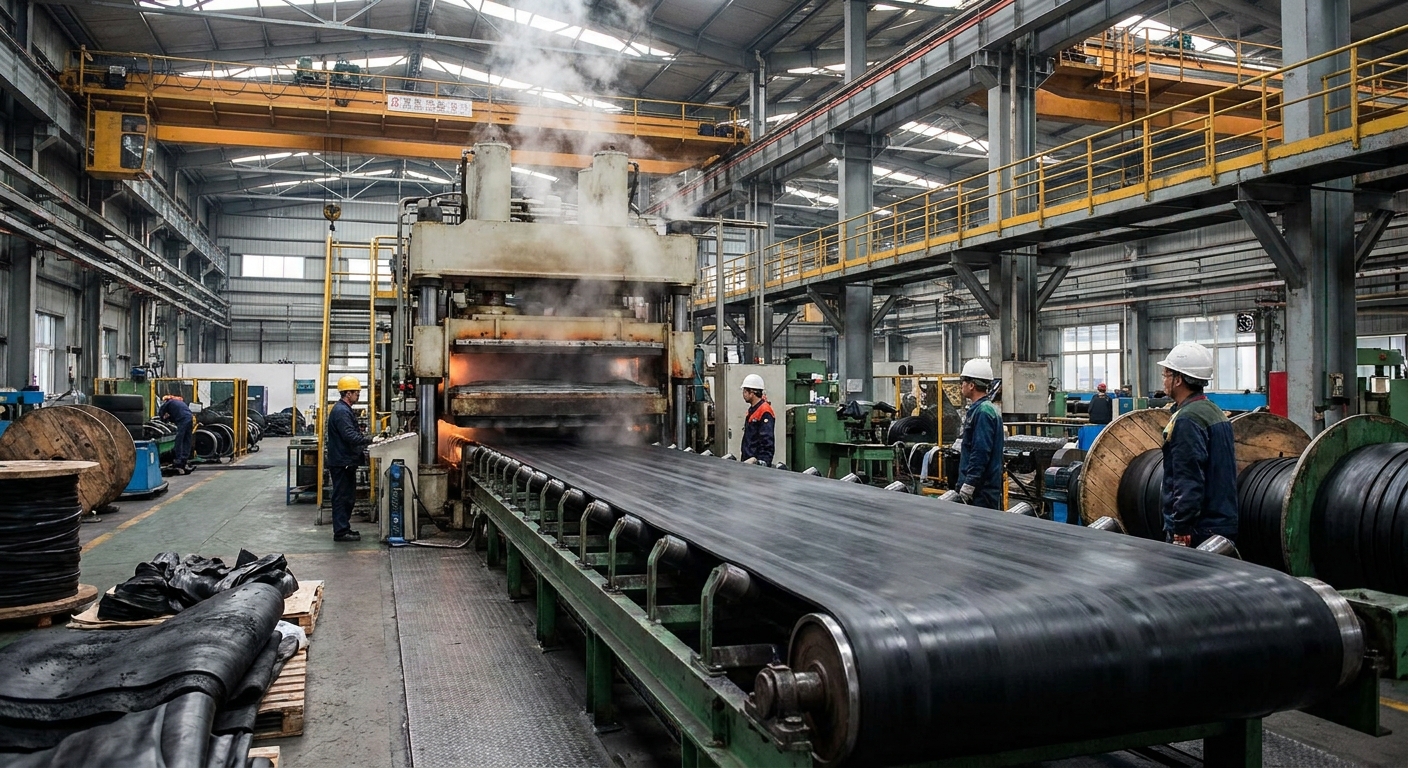
A rubber conveyor belt from china utilizes plaster casting to produce the high-tolerance metal rollers and pulley inserts that maintain constant belt tension. These components must be perfectly concentric to prevent the belt from slipping or fraying at the edges under load. Without this level of mechanical precision, even the strongest rubber carcass will experience premature failure.
Mechanical Precision Needs
Conveyor systems require rollers that are perfectly balanced to avoid rhythmic vibrations that damage the belt’s internal fabric. Plaster casting allows for the creation of internal cooling channels within the metal rollers to manage operational heat.
But wait, there’s more to it than just the external shape:
- Prevents heat transfer from the motor to the rubber carcass.
- Maintains consistent belt speed across the entire transport span.
- Allows for integrated sensor housings within the casted hardware.
Heat Dissipation Features
During high-friction operations, heat can quickly degrade the rubber compounds and cause the belt to stretch. Casted aluminum parts dissipate heat much faster than traditional steel rollers, keeping the system cool.
The truth is: temperature control is the secret to preventing belt “glazing.”
- Lowers the risk of thermal expansion in the drive system.
- Extends the operational life of the internal nylon or polyester core.
- Keeps the rubber cover within its safe rated temperature range.
| Component Type | Casted Rollers | Standard Rollers | |
|---|---|---|---|
| Heat Dissipation | Excellent | Average | |
| Vibration Control | Superior | Moderate |
Proper thermal management through casted parts ensures the rubber material maintains its elasticity and grip.
Key Takeaway: Casting ensures that the mechanical components stay cool and aligned, which is essential for preserving the rubber belt’s integrity.
Why choose a rubber conveyor belt from china for casting?
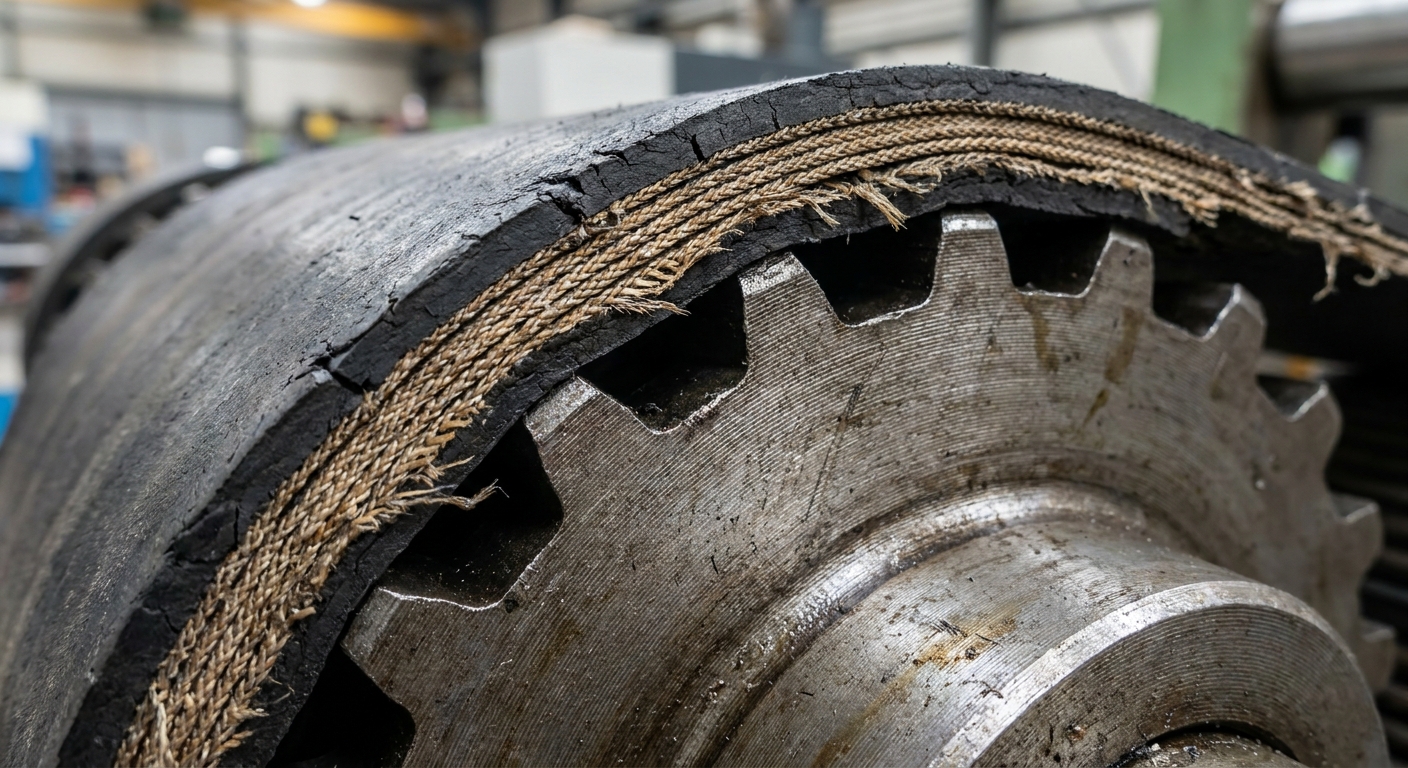
Choosing a rubber conveyor belt from china combined with plaster-cast parts offers a perfect balance of cost-efficiency and technical performance. China’s manufacturing ecosystem allows for the simultaneous production of both the rubber belt and the precision molds in a single, integrated location. This vertical integration reduces your lead times and ensures that the metal and rubber components fit together with zero tolerance errors.
Material Compatibility Benefits
Modern Chinese rubber belts are specifically engineered to pair with non-abrasive, plaster-casted metal surfaces. The surface tension of a casted part can be adjusted during the molding phase to optimize the “grip” on the belt.
It gets better: you can achieve high traction without damaging the belt’s bottom cover.
- Optimized for high-tensile NN (Nylon) and EP fabric cores.
- Prevents chemical reactions between the metal alloys and rubber.
- Enhances the effectiveness of chevron patterns on specialized belts.
Logistical Efficiency
Sourcing both your belt and the casted hardware from a single supplier in China minimizes shipping complexities. Our factory offers a streamlined approach that covers everything from raw casting to final belt vulcanization.
Think about this: why pay multiple shipping fees when one expert provider can handle the entire assembly?
- Significant reduction in the total cost of ownership (TCO).
- Unified quality control standards across all system components.
- Faster availability of replacement parts for global industrial clients.
| Benefit | Impact | |
|---|---|---|
| Vertical Integration | 30% faster production cycles | |
| Unified QC | Higher overall assembly reliability |
Consolidating your supply chain in China ensures that every part of your conveyor is designed to work as a single unit.
Key Takeaway: Rubber conveyor belt from china sourcing provides a holistic solution where high-quality rubber meets precision-cast hardware.
Where is a rubber conveyor belt from china casting applied?
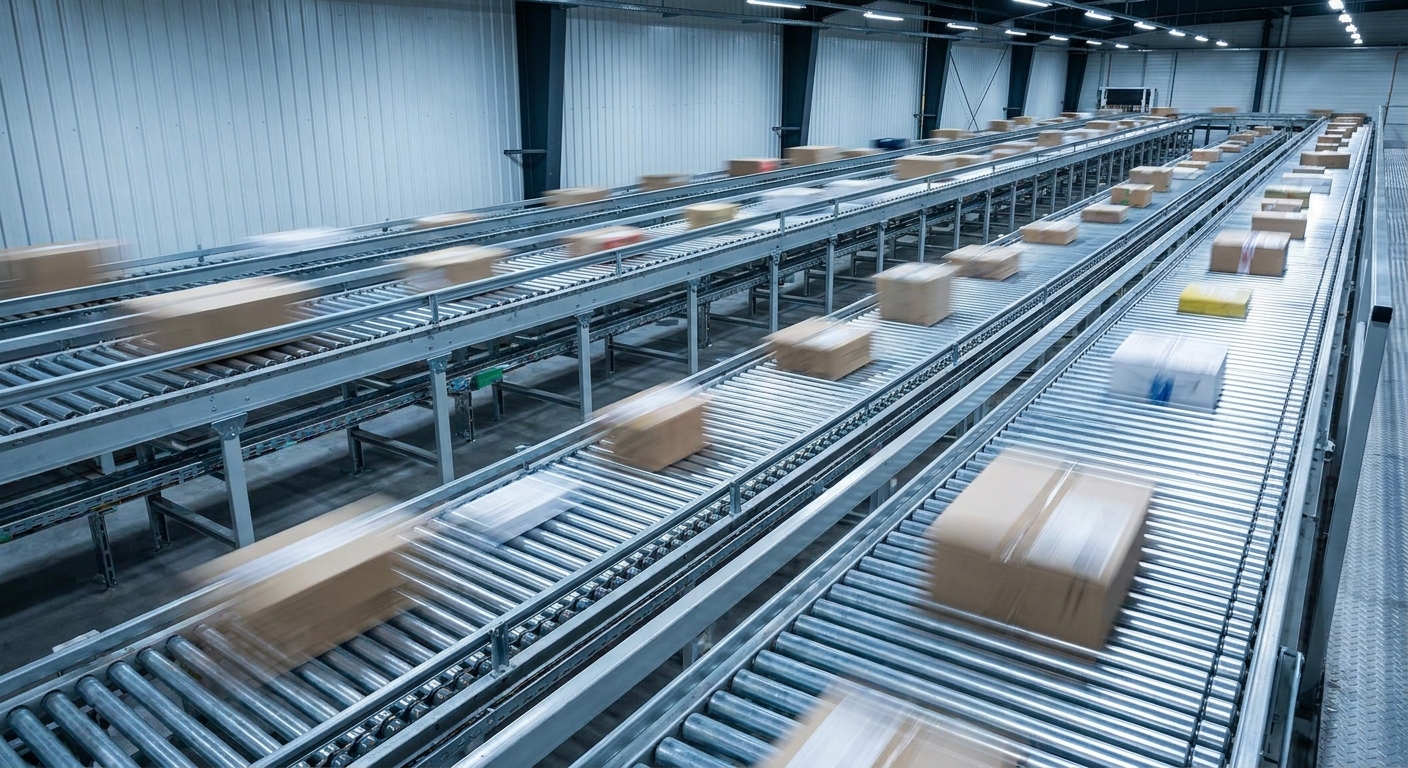
The application of a rubber conveyor belt from china with casted components is most common in industries requiring high precision and hygiene. Sectors like food processing and electronics assembly demand a “clean” system where metal shavings or belt dust are strictly prohibited. Plaster casting creates smooth, non-porous parts that do not shed micro-particles, keeping your production environment completely sterile.
Food-Grade Operations
In sterile food processing environments, the surface of every roller must be easy to sanitize and resist bacterial growth. Plaster casting produces a dense metal structure that lacks the pits and pores found in sand-casted parts.
Here is the secret: a non-porous surface is the best defense against contamination.
- Easy to sanitize using high-pressure chemical washes.
- Utilizes non-toxic metal alloys safe for direct food contact.
- Fully compliant with international ISO and FDA hygiene standards.
Electronics Transport
Static electricity can instantly destroy sensitive electronic components during the transport and assembly process. Casted parts can be specifically treated or alloyed to be naturally anti-static, protecting your valuable inventory.
Shockingly enough: the right hardware can eliminate the need for expensive grounding mats.
- Integrated grounding paths within the casted pulley hardware.
- Zero vibration levels to protect delicate electronic solder joints.
- Precision stopping points for automated robotic picking arms.
| Industry | Primary Casting Application | |
|---|---|---|
| Food Processing | Non-porous sanitary rollers | |
| Electronics | Anti-static drive pulleys |
Casted components are the gold standard for industries where even the smallest contamination or vibration is a failure.
Key Takeaway: Plaster-casted parts are essential for high-spec industries that require cleanliness and anti-static properties.
What is the rubber conveyor belt from china casting process?
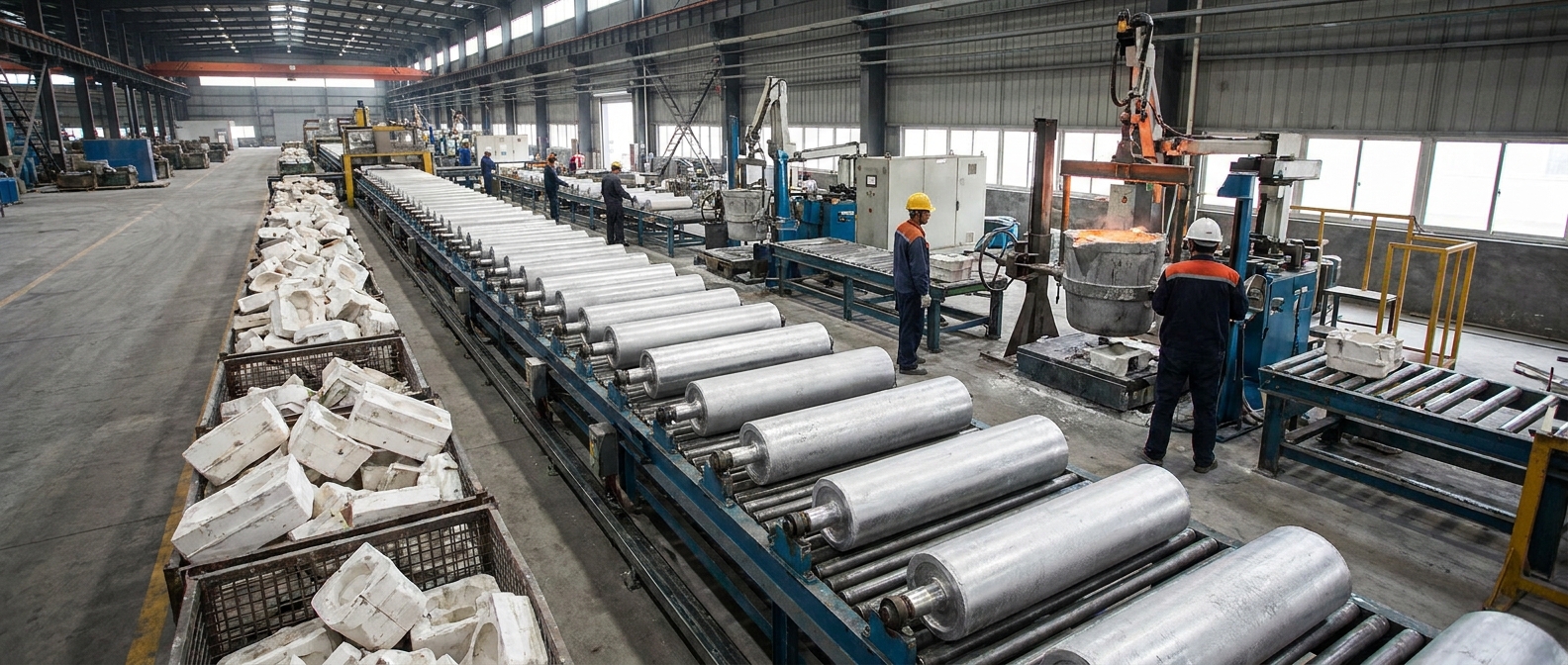
The casting process for a rubber conveyor belt from china starts with a master pattern, usually made of metal, to create the mold. Once the plaster sets and the pattern is removed, the mold is baked at high temperatures to remove every trace of moisture. This dehydration step is critical to prevent air bubbles, which would otherwise weaken the metal components under the belt’s tension.
Mold Preparation Steps
Precision begins with the master pattern, which dictates the final dimensions of your conveyor rollers and pulleys. The plaster is poured around this pattern to capture every fine detail, including part numbers or logos.
Make no mistake: even a 1mm error in the mold can cause massive belt tracking issues.
- Patterns are often 3D-printed for complex custom cleat shapes.
- Gypsum is mixed with specific additives to increase heat resistance.
- Air vents are strategically placed to ensure a complete metal fill.
Pouring and Curing
After the mold is fully dehydrated, molten metal is introduced at carefully controlled temperatures to ensure structural integrity. The resulting part requires almost no secondary machining, saving you time and money.
The result? A high-performance part ready for immediate assembly.
- Slow cooling cycles prevent internal stresses in the metal.
- The mold is carefully broken away to reveal the finished part.
- Each component undergoes a strict inspection for structural cracks.
| Process Step | Critical Control Point | |
|---|---|---|
| Baking | Total moisture removal to prevent bubbles | |
| Pouring | Consistent metal temperature for density |
This detailed rubber conveyor belt from china manufacturing process ensures that every component meets rigorous industrial standards.
Key Takeaway: The plaster casting process provides a near-perfect finish that eliminates the need for expensive post-processing.
What are rubber conveyor belt from china casting advantages?
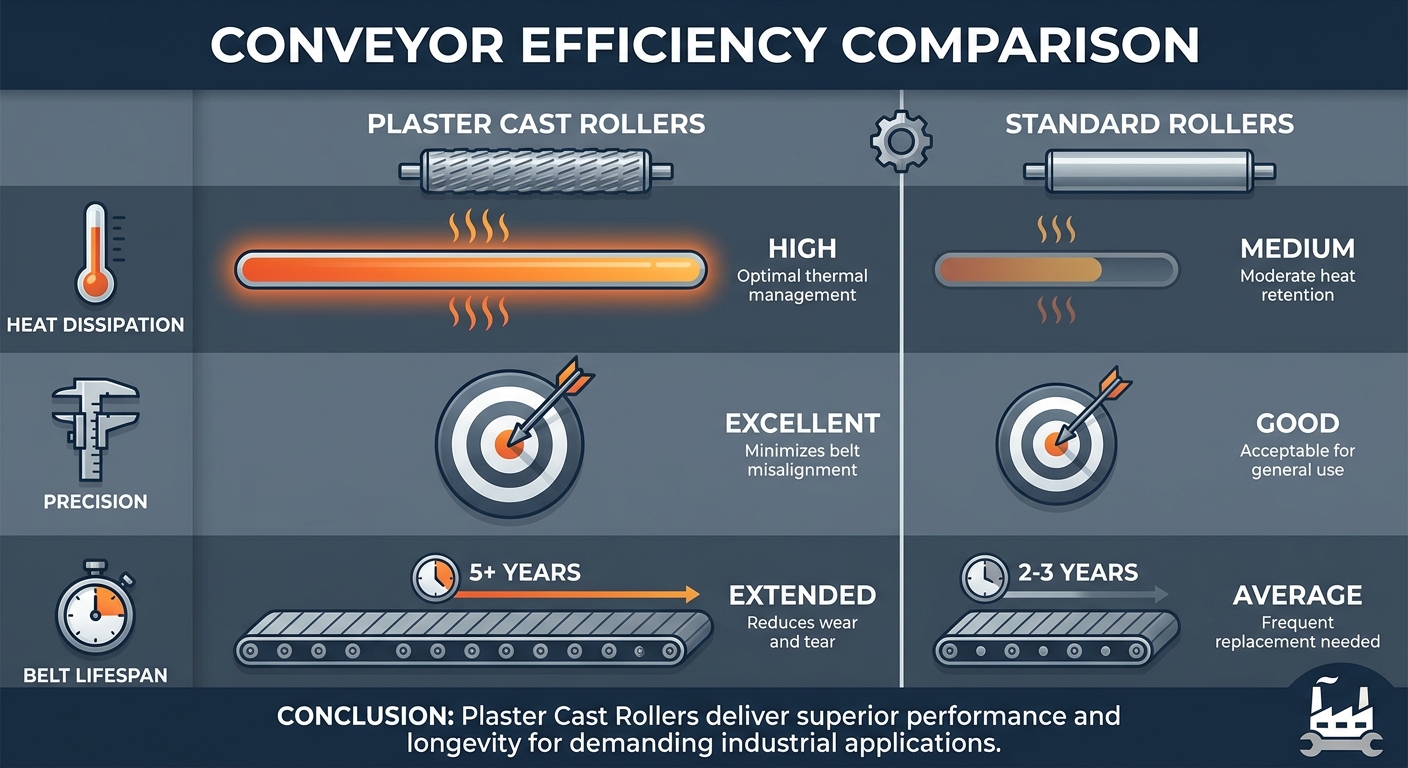
The primary advantages of using casting for a rubber conveyor belt from china include superior surface quality and the ability to cast thin walls. These lightweight yet incredibly strong parts reduce the overall mass of your conveyor system, lowering the energy required to operate. Furthermore, the dimensional accuracy of plaster casting ensures that every replacement part fits perfectly without adjustment.
Surface Quality Benefits
Standard sand-casting methods often leave a grainy texture that can act like sandpaper on your conveyor belt. Plaster casting offers a surface finish as smooth as 1.25 micrometers, protecting your rubber cover from abrasion.
Think about this: why wear down your expensive belt with rough, poorly finished pulleys?
- Eliminates “belt-burn” during high-torque startup sequences.
- Allows for thinner metal walls without sacrificing structural strength.
- Captures intricate textures that improve belt grip on inclines.
Low-Volume Production
For custom conveyor builds, traditional die casting is often too expensive due to the high cost of steel tooling. Plaster casting is highly affordable even for small batches, making custom solutions accessible.
Here is the kicker: you get die-cast quality at a fraction of the setup cost.
- Lower upfront investment in molds compared to hardened steel dies.
- Quick turnaround times for prototype testing and validation.
- Flexible design changes between different production runs.
| Comparison Factor | Plaster Casting | Sand Casting | |
|---|---|---|---|
| Surface Finish | Excellent | Poor | |
| Cost (Low Vol) | Low | Very Low |
The ability to produce high-quality parts in small batches allows for massive customization in your material handling setup.
Key Takeaway: Plaster casting combines the surface quality of die casting with the low-cost tooling of sand casting.
Who needs a rubber conveyor belt from china cast components?
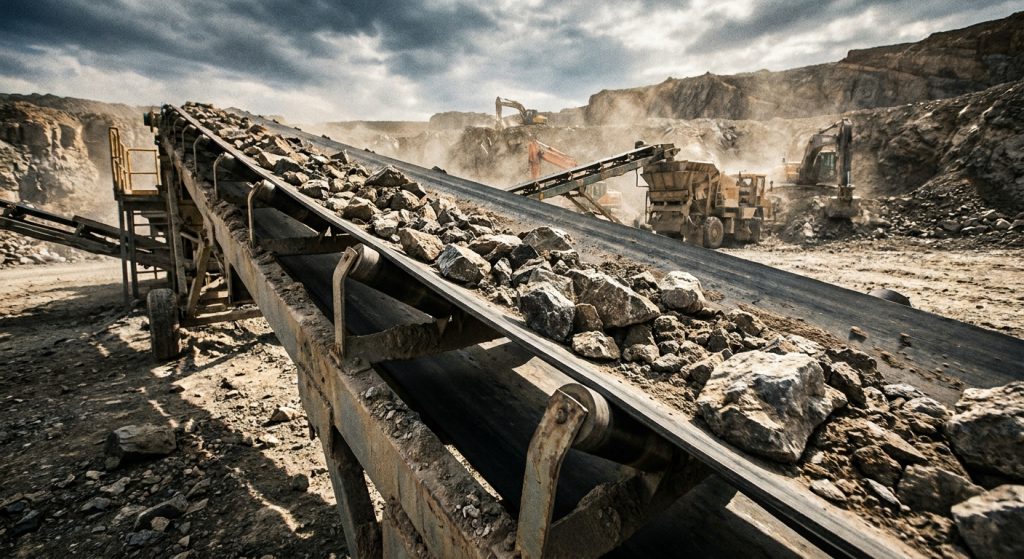
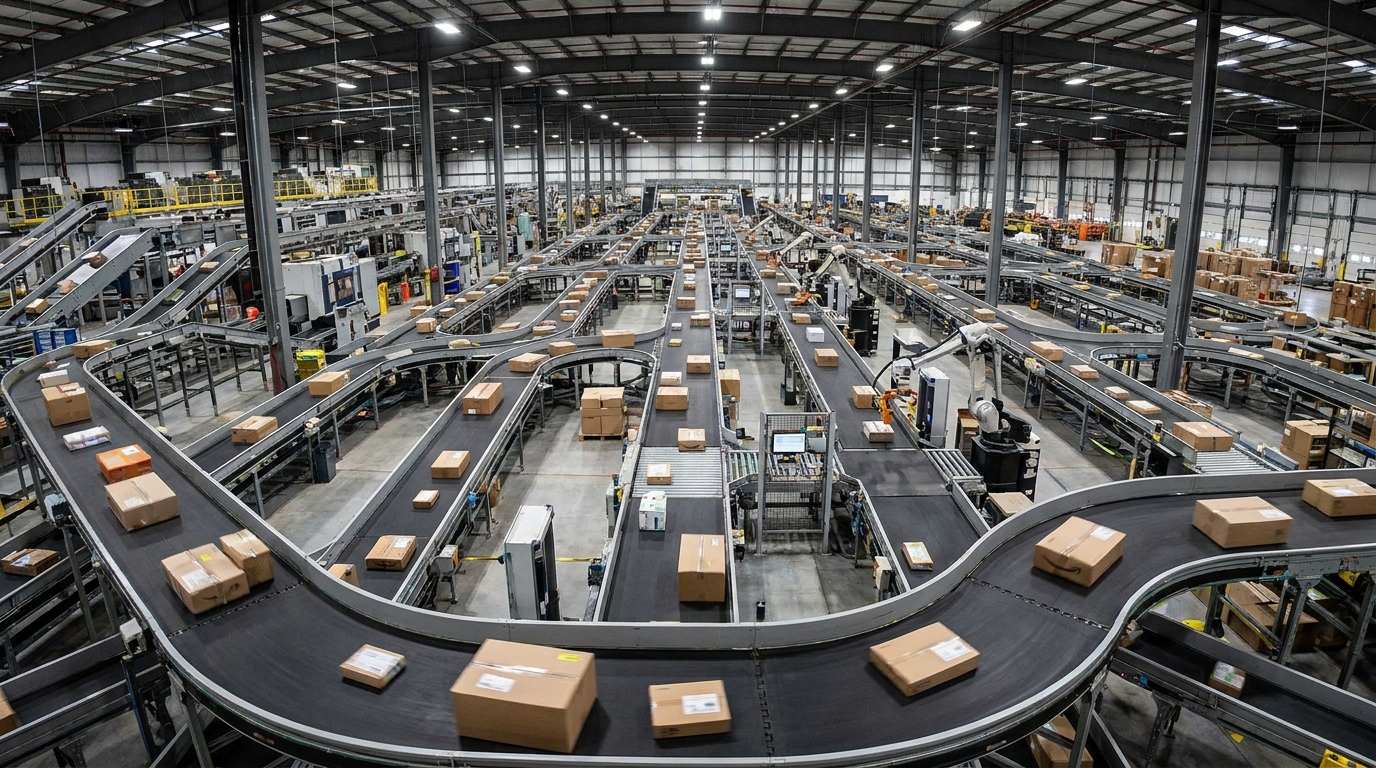
Engineers designing high-speed sorting facilities are the primary users of a rubber conveyor belt from china with casted components. These high-traffic systems run 24/7 and cannot afford the vibration issues caused by unbalanced or rough rollers. Logistics hubs and global e-commerce giants rely on this precision technology to keep packages moving without the risk of breakdown.
High-Speed Sorting Needs
In high-speed parcel sorting, every millisecond counts, and even a tiny vibration can cause a sorting error. Casted pulleys ensure that your belt remains stable even when traveling at speeds of 5 meters per second.
The truth is: vibration is the primary enemy of speed and accuracy.
- Prevents parcel slippage during rapid acceleration phases.
- Reduces noise levels in massive warehouse environments.
- Supports complex multi-belt “merging” and “diverting” systems.
Heavy Industrial Plants
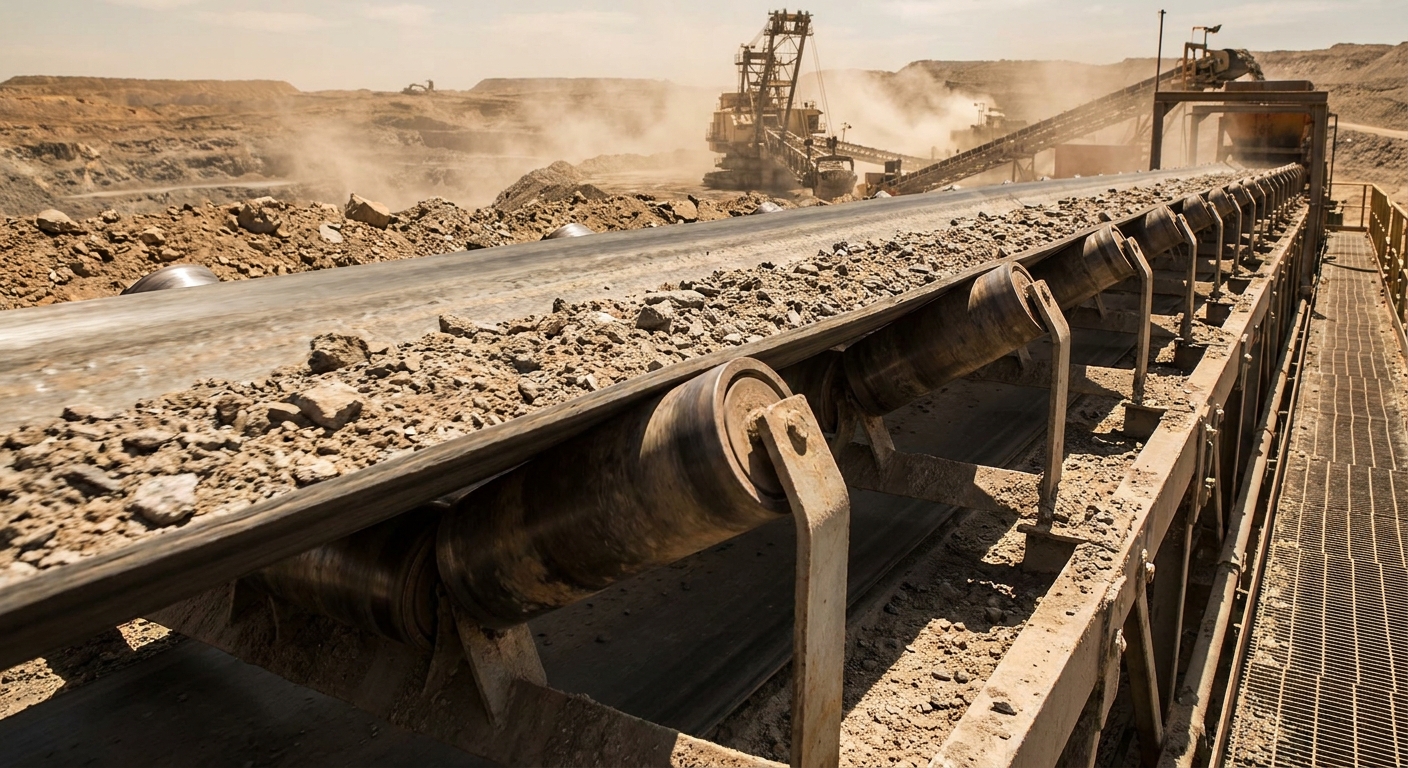
Heavy loads in mining and quarrying require a belt that won’t sag or stretch unevenly over long distances. If your drive pulley is even slightly off-center, your belt will wander and damage the structure.
Think about this: if your hardware fails, your entire mining operation grinds to a halt.
- Compatible with high-tensile steel cord and textile belts.
- Resistant to the corrosive dust found in mining environments.
- Heavy-duty load bearing without any structural deformation.
| User Group | Primary Need | |
|---|---|---|
| Logistics Hubs | Speed and low vibration for accuracy | |
| Mining Sites | Torque and durability for heavy loads |
Whether you are moving light parcels or heavy ore, the rubber conveyor belt from china performs best when paired with casted parts.
Key Takeaway: High-speed logistics and heavy-duty mining sectors benefit most from the precision of casted conveyor components.
Which rubber conveyor belt from china parts use casting?
Commonly casted parts for a rubber conveyor belt from china include the drive pulley hub, the tensioner arm, and custom belt cleats. These parts require high mechanical strength but often have complex shapes that are difficult to machine from solid metal. Casting these components as a single piece eliminates weak points like welds or bolts that can fail.
Drive Hub Assemblies
The hub is the heart of your drive system, connecting the electric motor directly to the conveyor belt. A casted hub is often stronger than a welded one because it has a uniform grain structure.
Believe it or not: one-piece construction is the key to handling high-torque loads.
- Integrated keyways for secure and stable motor mounting.
- Perfectly balanced directly out of the plaster mold.
- Highly resistant to fatigue from constant 24/7 rotation.
Custom Side Walls
Specialized belts for vertical lifting require cleats and side walls to keep bulk material in place during transport. We cast the molds for these cleats to ensure they match the belt’s profile with absolute perfection.
Here is the kicker: a perfect match ensures a permanent bond between rubber and metal.
- Custom designs available for sandbags, gravel, or grain.
- Available in Chevron, U-type, and V-type patterns.
- Heat-treated metal for maximum resistance against wear.
| Part Name | Material Used | |
|---|---|---|
| Drive Hub | Aluminum Alloy | |
| Cleat Mold | Zinc or Zinc-Aluminum |
Using casted molds for your rubber accessories ensures that the final product meets your exact performance specifications.
Key Takeaway: Crucial drive components and custom cleat molds are the most frequent applications for plaster casting in this industry.
Are rubber conveyor belt from china casting costs low?

Yes, the costs for a rubber conveyor belt from china casting are relatively low compared to CNC machining or die casting. The initial investment in plaster molds is significantly less than the cost of creating hardened steel dies. This makes it an ideal choice for specialized industrial applications where you only need 100 to 1,000 units.
Tooling vs. Speed
Initial tooling for plaster casting is incredibly fast and inexpensive compared to other precision methods. This allows your production line to get up and running much faster than if you waited for steel dies.
Think about this: why wait 12 weeks for a die when you can have a mold in 2?
- Molds can be created from simple rubber, wood, or plastic patterns.
- Multiple parts can be cast in a single mold “tree” for efficiency.
- Significant reduction in material waste compared to machining.
Long-Term Savings
While the per-part cost might be slightly higher than sand casting, the savings come from drastically reduced belt wear. A cheap, rough roller can destroy an expensive belt in just a few weeks of operation.
The fact is: investing in quality rollers saves you thousands in belt replacements.
- Lower energy consumption due to lighter, more efficient parts.
- Fewer maintenance intervals required for the belt system.
- Reduced downtime for frequent belt realignments.
| Method | Initial Tooling Cost | Lead Time | |
|---|---|---|---|
| Plaster Casting | Low-Medium | Short | |
| Die Casting | Very High | Long |
By reducing wear and tear on your rubber conveyor belt from china , plaster casting provides a superior return on investment.
Key Takeaway: Plaster casting offers the best ROI for specialized conveyor systems by balancing low tooling costs with high operational efficiency.
Is the rubber conveyor belt from china casting durable?
The durability of a rubber conveyor belt from china with casted parts is exceptional, often outlasting the belt carcass itself. By using aerospace-grade aluminum and zinc alloys, these parts resist corrosion and mechanical fatigue even in the harshest environments. When paired with high-quality rubber, the entire system provides a robust solution for your global industrial needs.
Corrosion Resistance
Outdoor or chemical-rich environments can quickly rust traditional steel rollers, leading to belt damage. Aluminum casting naturally forms a protective oxide layer that prevents rust from ever forming.
The secret? Your hardware stays smooth and rust-free for its entire lifespan.
- Ideal for fertilizer plants and chemical processing facilities.
- Withstands harsh salt-spray in coastal shipping ports.
- Requires no painting or plating to maintain its protection.
Fatigue Strength
Conveyor parts must endure millions of rotations under heavy loads without cracking or deforming. The dense grain structure of a plaster cast is engineered to resist mechanical fatigue over long periods.
It gets better: these parts can handle emergency stop forces without failure.
- Tested for high-impact resistance in rock crushing plants.
- Maintains its precise shape under 24/7 continuous operation.
- Engineered to handle the high tension of steel cord belts.
| Property | Performance Rating | |
|---|---|---|
| Corrosion Resistance | High | |
| Fatigue Life | Exceptional |
Investing in durable casted hardware is the best way to ensure your facility maintains its production targets without interruption.
Key Takeaway: Plaster casting provides a level of durability and corrosion resistance that ensures a long-term, maintenance-free lifespan for conveyor systems.
Integrating precision plaster-cast components with high-performance rubber technology is the key to optimizing your industrial facility. We have solved the problem of mechanical inefficiency by providing a unified solution where metal and rubber are engineered for perfect compatibility. Our vision is to empower global industries with the most reliable material handling systems available on the market. To upgrade your production line with the best Chinese manufacturing has to offer, contact us today for a technical consultation and custom quote.
FAQ
Can I customize the surface texture of the casted rollers?Yes, plaster casting allows for extreme detail. We can add specific textures or patterns to the metal surface to improve belt grip or release based on your material needs.
What’s the best way to ensure the belt and casted parts are compatible?The best approach is to source both components from the same manufacturer. This ensures the rubber compound and metal surface finish are engineered to work together with zero friction issues.
How do I know if my system needs plaster-casted components?If your application requires high precision, operates in a clean-room, or involves high-speed sorting, plaster casting is likely the superior choice for your hardware.
Can I use these casted parts in outdoor mining environments?Yes, because we use corrosion-resistant alloys like aluminum and zinc, these parts are ideal for harsh outdoor settings where rust and dust would destroy standard steel.
What’s the best material for high-torque drive hubs?Aluminum alloys produced via plaster casting are best. They offer the necessary strength to handle high torque while remaining lightweight enough to reduce energy consumption.