
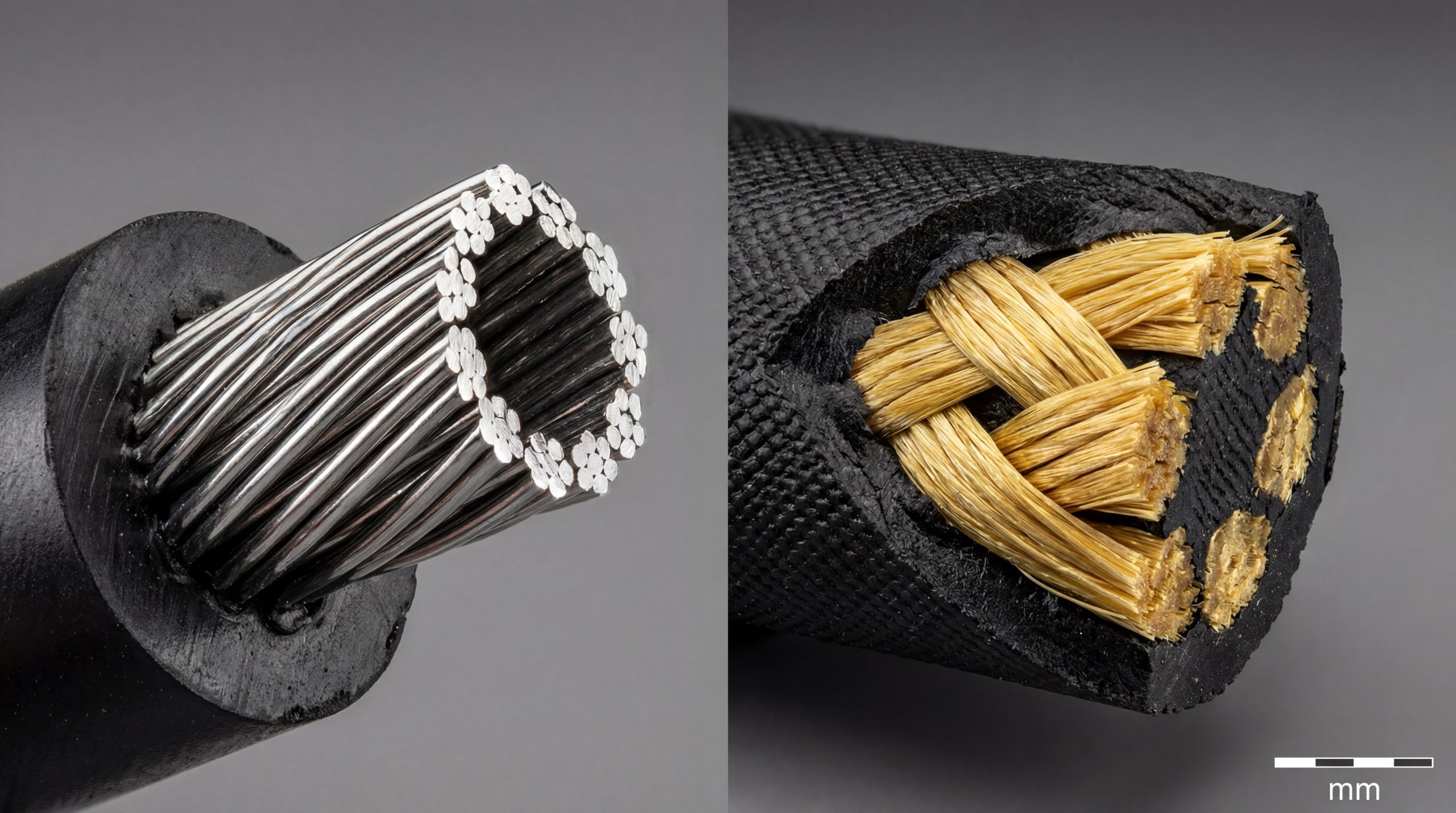
Understanding steel cord rubber conveyor belt price helps you balance cost and performance, ensuring high tensile strength, minimal elongation, and long-term reliability in heavy-duty operations.
What determines the steel cord rubber conveyor belt price?
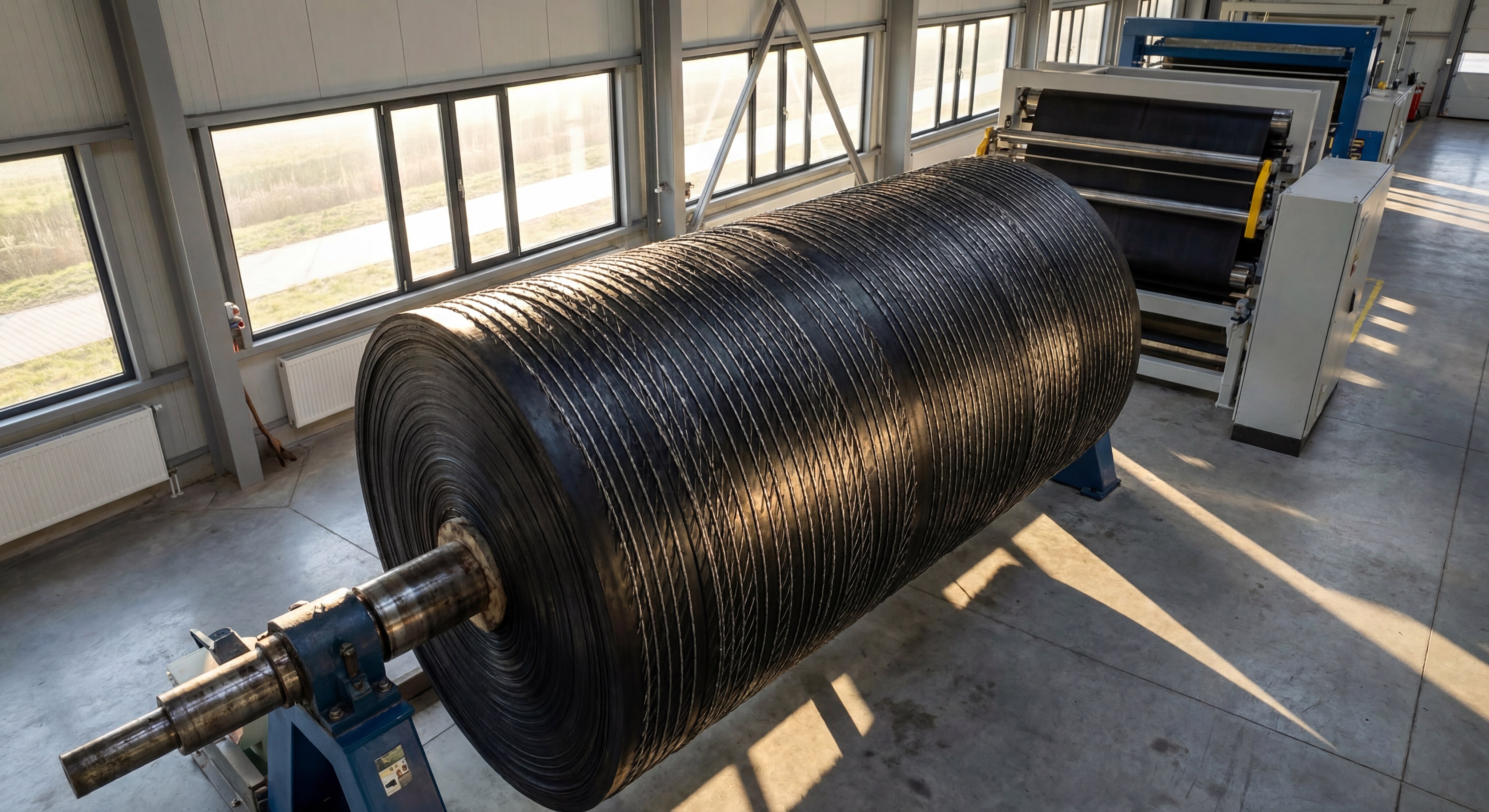
Initial costs for high-strength industrial belting are primarily driven by a complex interplay of raw material quality and engineering precision. When you evaluate the steel cord rubber conveyor belt price, you must look beyond the sticker value to the “total cost of ownership,” which accounts for longevity and operational uptime.
Why does raw material quality dictate the cost?
Think about it. The purity of the steel cords and the chemical composition of the rubber compounds determine how the belt performs under pressure. High-quality materials prevent internal corrosion and ensure that the belt remains flexible yet strong throughout its lifecycle.
- High-tensile steel cords for maximum load support.
- Specialized rubber polymers for abrasion resistance.
- Advanced bonding agents to prevent ply separation.
The best part? Investing in superior materials upfront reduces the likelihood of catastrophic failure during peak production hours. You are essentially buying insurance for your throughput.
How does manufacturing precision impact your investment?
But that’s not all. The way those steel cords are embedded into the rubber matrix requires extreme precision to ensure uniform tension across the entire width. If even one cord is slightly out of alignment, you will face tracking issues that can destroy your equipment.
- Laser-aligned cord placement for straight tracking.
- Controlled vulcanization temperatures for uniform density.
- Rigorous ultrasonic testing to detect internal voids.
Look at it this way: a belt made with precision lasts significantly longer and requires far fewer adjustments. This reliability is why premium engineering often commands a higher price point.
Key Takeaway: Quality materials and precision engineering are the foundation of a belt that delivers long-term value.
To help you understand the value proposition, here is a comparison of how manufacturing choices influence your bottom line:
| Feature | Low-Cost Standard | Premium Engineering | |
|---|---|---|---|
| Material Grade | Recycled/Generic | Virgin Polymers/High-Tensile Steel | |
| Cord Alignment | Visual Check Only | Laser-Guided Precision | |
| Service Life | 3–5 Years | 10–20+ Years |
How does steel cord rubber conveyor belt price reflect durability?
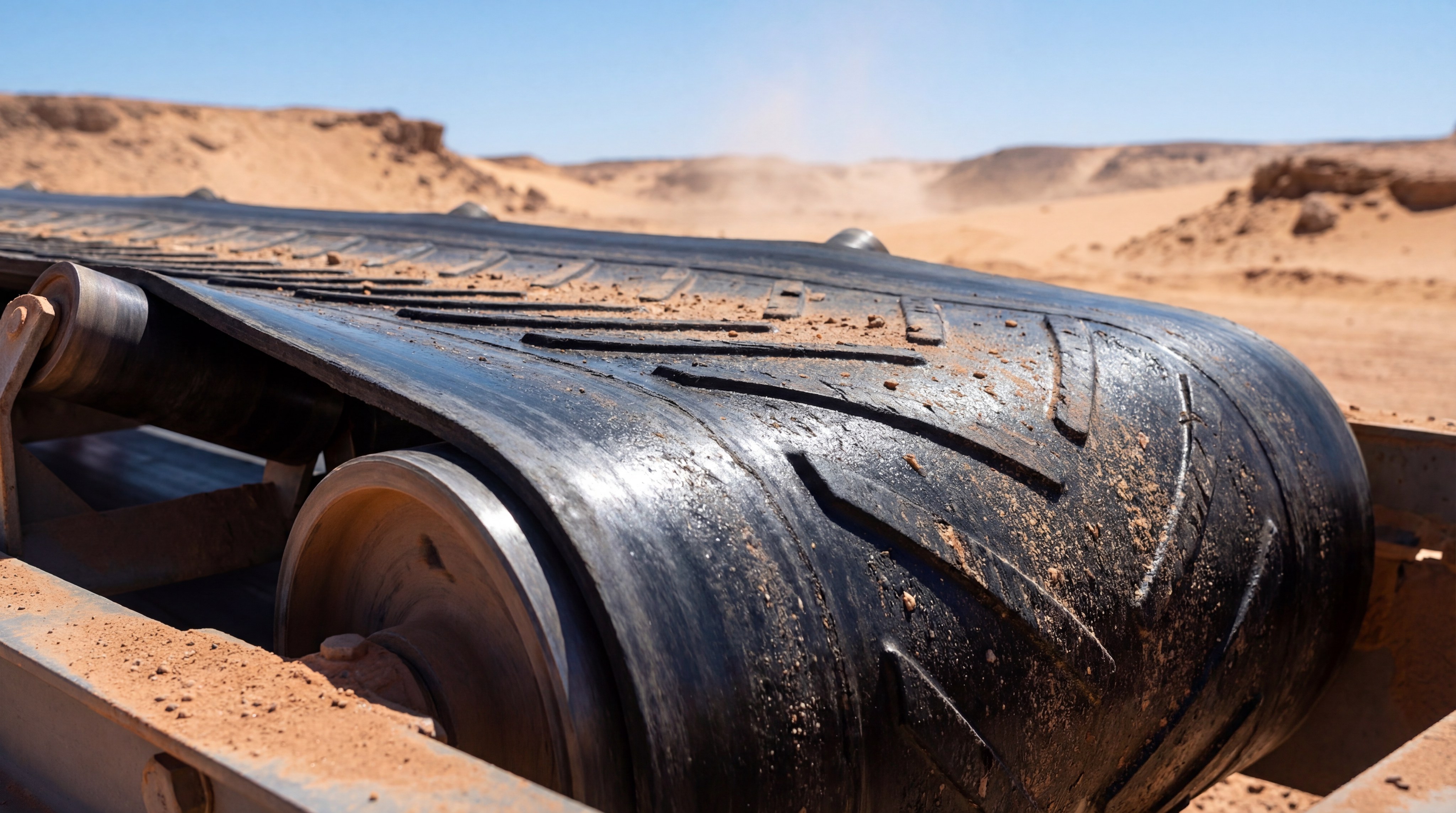
Durability is the primary driver of value in the mining and quarrying sectors because it directly dictates the replacement interval. A belt that resists ozone, UV radiation, and extreme abrasion will inherently command a premium, which is reflected in the steel cord rubber conveyor belt price as these features extend the operational life by up to 50%.
Does ozone resistance justify a higher cost?
You see, environmental factors like sun exposure and air quality can cause standard rubber to crack and degrade prematurely. By adding specialized anti-ozonants to the rubber covers, manufacturers ensure that your belt doesn’t turn brittle in outdoor applications.
- Prevents surface cracking in sun-drenched environments.
- Protects the internal steel cords from moisture ingress.
- Maintains flexibility in fluctuating temperature zones.
Believe it or not, an unprotected belt can start showing signs of wear in just a few months of desert operation. Choosing the right compound ensures your investment stays intact.
How do “tested to the limit” standards ensure longevity?
Here is the catch: not all belts are tested to the same rigorous industrial standards. When you pay for a belt that has passed strict impact and tear resistance tests, you are paying for the peace of mind that it can handle unexpected debris.
- Impact testing to simulate heavy material drops.
- Tear propagation tests to prevent longitudinal ripping.
- Tensile strength verification for high-tension starts.
It gets better. These tests guarantee that the belt will perform exactly as specified, even under the most grueling conditions you can throw at it.
Key Takeaway: Durability features like ozone resistance and impact testing are essential for maximizing the lifespan of your conveyor system.
The following table highlights how specific durability factors directly translate into operational benefits:
| Environmental Factor | Protective Feature | Benefit | |
|---|---|---|---|
| UV/Ozone Exposure | Specialized Rubber Compounds | Prevents surface cracking | |
| Heavy Impact | Transverse Breaker Plies | Prevents longitudinal ripping | |
| Abrasive Materials | High-Grade Cover Rubber | Reduces wear-and-tear rate |
Why compare steel cord rubber conveyor belt price to fabric belts?
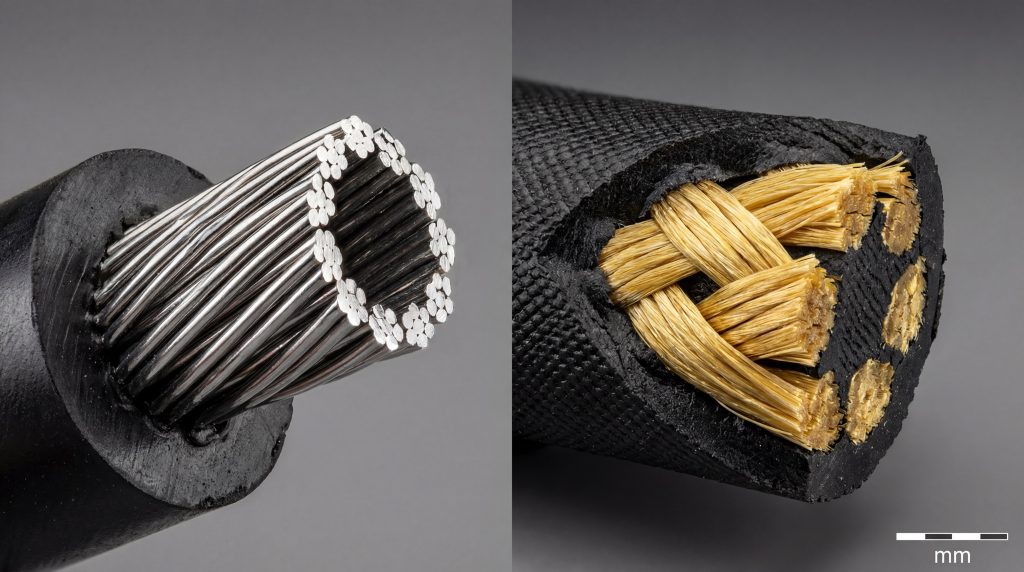
While fabric belts are cheaper initially, the steel cord rubber conveyor belt price reflects a massive leap in tensile strength and structural stability. In many heavy-duty scenarios, operators compare traditional materials to modern alternatives only to find that steel’s low elongation offers far better long-term ROI.
Are aramid fibers a viable alternative to steel?
Look at it this way: aramid fibers are incredibly strong and light, but they don’t offer the same extreme impact resistance as steel cords. While they are useful in specific weight-sensitive applications, steel remains the king for heavy mining and bulk handling.
- Lighter weight for reduced energy consumption.
- Excellent corrosion resistance in wet environments.
- Higher initial cost compared to standard textile belts.
But that’s not all. Aramid belts can be more difficult to splice and repair than steel cord belts, which can lead to longer downtime periods during maintenance.
Which belt type offers the best long-term ROI?
Here is why: the minimal elongation of steel cord means you don’t need massive take-up towers to keep the belt taut over long distances. This simplifies your entire conveyor structure and reduces the mechanical strain on your pulleys and drives.
- Near-zero stretch (<0.25%) over kilometers of travel.
- Fewer splice points required for long-overland systems.
- Significantly higher ST ratings for vertical lift.
The best part? You spend less on maintenance and adjustments over a 20-year period, making the higher initial investment the smarter financial move.
Key Takeaway: Steel cord outperforms fabric and aramid in high-tension, long-distance applications where stability is critical.
Analyze the material characteristics below to see which reinforcement suits your specific project requirements:
| Feature | Steel Cord Belting | Aramid Reinforced Belting | |
|---|---|---|---|
| Tensile Strength | Exceptional (Up to ST7500) | High | |
| Elongation | Extremely Low (<0.25%) | Low | |
| Belt Weight | Heavy | Light | |
| Impact Resistance | Very High | High |
Which factors lower the steel cord rubber conveyor belt price?
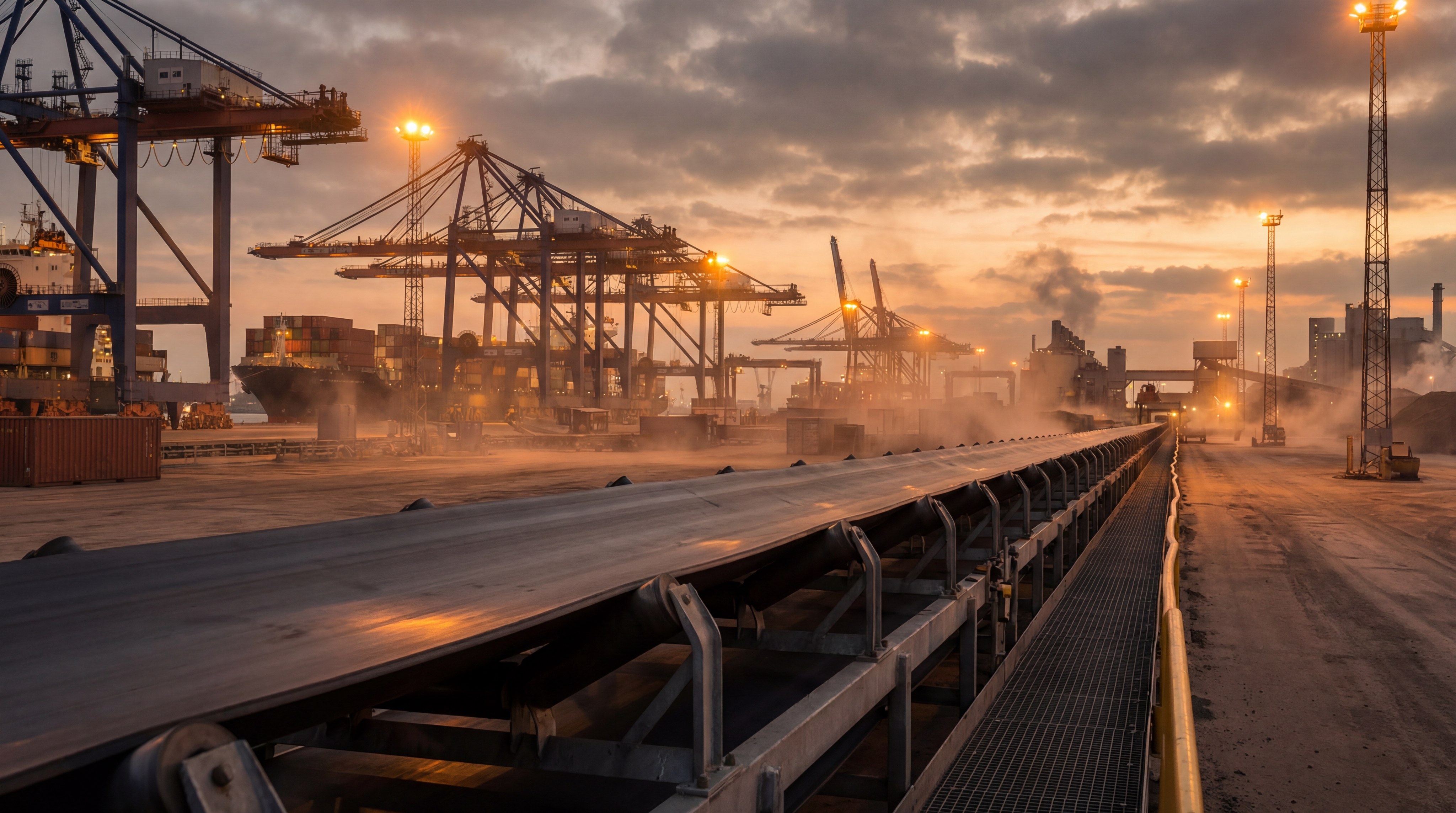
Dimensions are a direct mathematical factor in the steel cord rubber conveyor belt price because of raw material volume. As the width increases from 500mm to 1600mm, the volume of rubber and the number of internal steel cables increase proportionally, scaling the production cost.
Why is 1600mm width considered a heavy-duty standard?
Think about it. A 1600mm wide belt can transport massive volumes of ore or coal, making it the go-to choice for power plants and major ports. Because it is a common industrial size, manufacturing efficiencies can sometimes make it more cost-effective per ton of material moved.
- Capable of handling extreme load capacities.
- Compatible with most large-scale transshipment equipment.
- High availability of replacement parts and splicing kits.
What does this mean for you? Choosing a standardized width allows you to tap into existing supply chains and avoid the premiums associated with custom engineering.
How do custom dimensions affect the production timeline?
Here is the catch: when you request a belt that falls outside standard width or thickness parameters, the manufacturing process slows down significantly. Custom molds and machine setups add time and cost to your project that you must account for in your planning.
- Requires specialized tooling and machine recalibration.
- Leads to longer lead times for delivery and installation.
- Increases the per-meter cost due to lower production volume.
The best part? If your system is designed around standard sizes, you can often find better deals and faster shipping times from reputable suppliers.
Key Takeaway: Standardizing your conveyor dimensions can significantly reduce both the purchase price and the lead time.
Refer to this scale to understand how belt width correlates with application and load capacity:
| Belt Width (mm) | Common Application | Load Capacity Scale | |
|---|---|---|---|
| 500 – 800 | General Transshipment | Medium | |
| 1000 – 1200 | Quarry & Aggregate | High | |
| 1400 – 1600 | Mining & Power Generation | Extreme |
Can quality justify a higher steel cord rubber conveyor belt price?
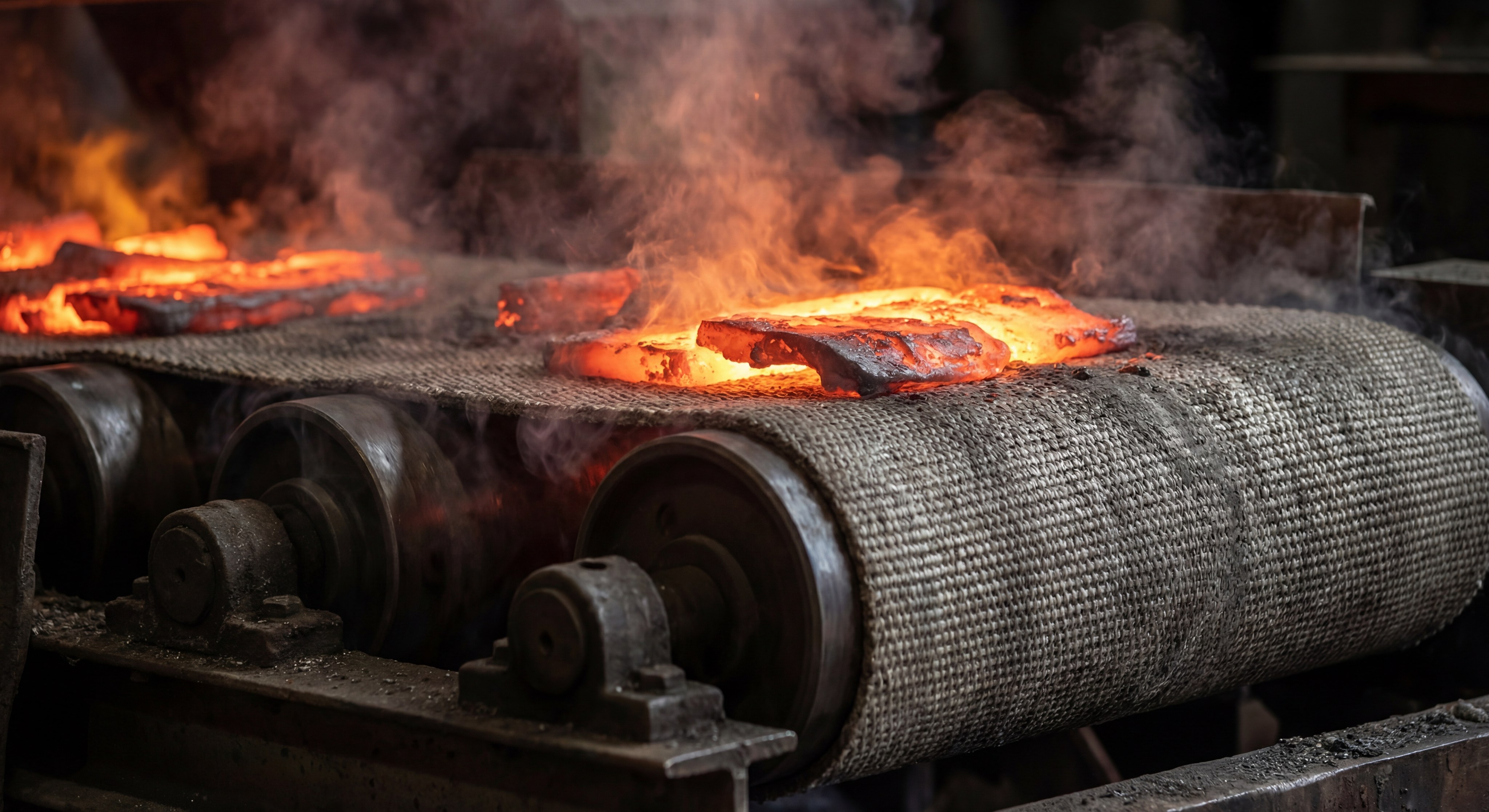
The “skin” of the belt—the rubber cover grade—is engineered for specific hazards that can justify a higher steel cord rubber conveyor belt price. Whether you are transporting hot clinker in a cement plant or oily materials in a recycling facility, the chemical composition of the rubber covers will significantly shift the final cost.
Why is heat resistance more expensive than standard grades?
You see, transporting materials at temperatures up to 400°C requires specialized EPDM or SBR rubber compounds that won’t melt or harden. These materials are expensive to formulate but essential for preventing the belt from disintegrating under thermal stress.
- Resists hardening and cracking under high heat.
- Prevents the internal steel cords from losing their bond.
- Extends belt life in cement and steel manufacturing.
Look at it this way: a standard belt would fail in days when exposed to red-hot clinker. The premium for heat resistance is actually a saving when compared to the cost of weekly replacements.
What are the benefits of oil-resistant rubber compounds?
But that’s not all. If you are handling recycled materials or oil-treated ores, standard rubber will swell and lose its structural integrity. Oil-resistant grades use nitrile-based compounds to ensure the belt remains flat and functional despite chemical exposure.
- Prevents belt swelling and tracking issues.
- Maintains high abrasion resistance in oily conditions.
- Essential for recycling, chemical, and grain handling.
The best part? Using the correct cover grade ensures that the belt surface remains smooth and easy to clean, preventing material carryback and mess.
Key Takeaway: Matching the rubber cover grade to your specific material hazards is the most effective way to protect your investment.
Choosing the right cover grade is critical; use the following guide to identify the best match for your environment:
| Cover Grade | Primary Protection | Best For | |
|---|---|---|---|
| Grade HR | Heat Resistance (up to 400°C) | Cement & Steel Plants | |
| Grade OR | Oil & Grease Resistance | Recycling & Chemicals | |
| Grade FR | Flame Retardancy | Underground Mining |
How to evaluate the steel cord rubber conveyor belt price ROI?
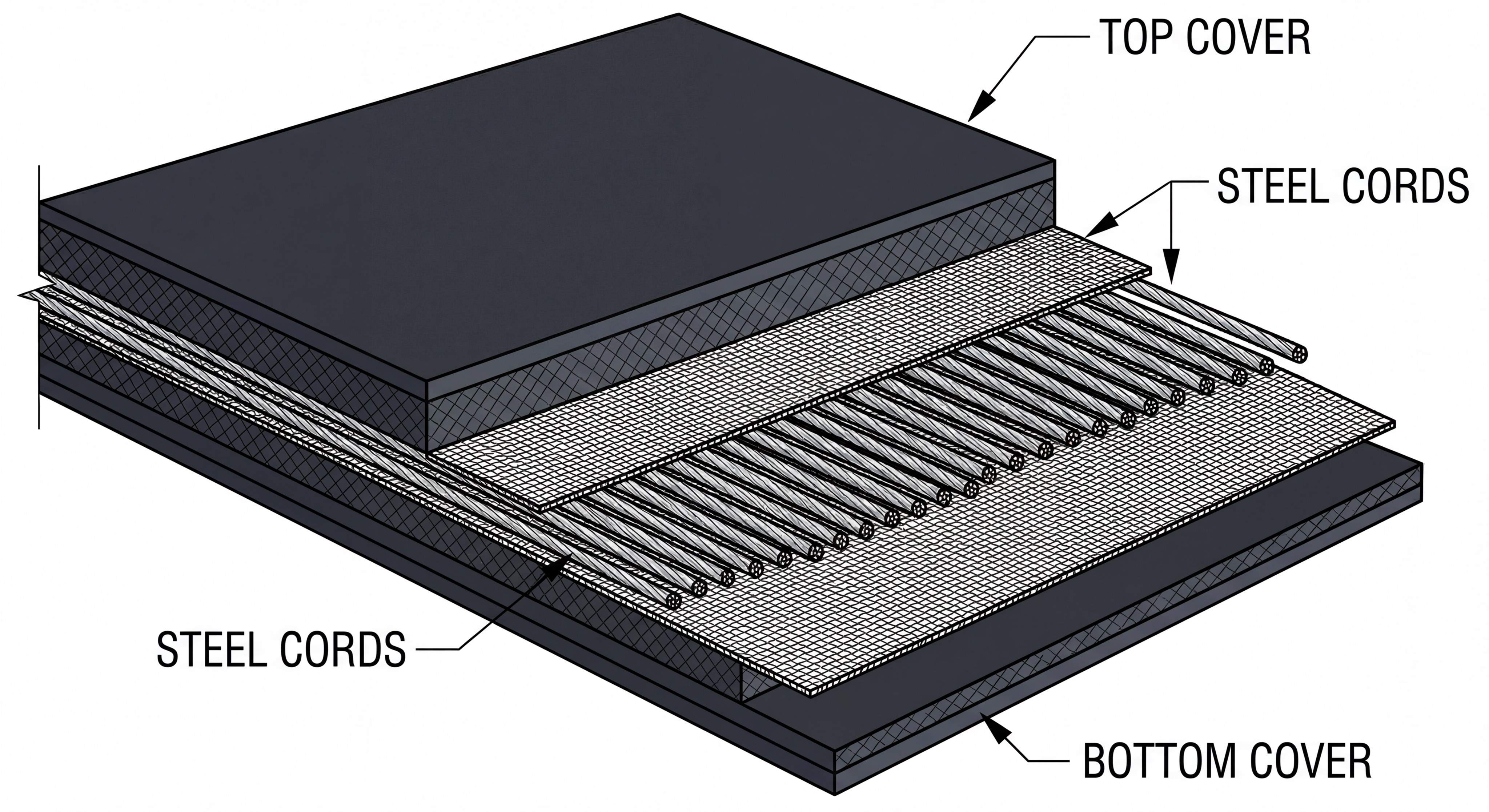
Tensile strength, measured in N/mm (ST ratings), defines how much load a belt can pull over what distance and directly impacts the steel cord rubber conveyor belt price . Higher ST ratings require thicker steel cords and superior rubber-to-metal bonding agents, making strength a primary pricing tier for any large-scale operation.
What is the difference between ST1000 and ST5400?
Think about it. An ST1000 belt is designed for shorter, medium-tension runs, while an ST5400 belt is a massive engineering feat capable of pulling ore out of deep mine shafts. The amount of steel and rubber required for an ST5400 belt is exponentially higher.
- ST1000: Ideal for quarrying and overland links under 2km.
- ST5400: Required for vertical lifts and extreme long-haul systems.
- Higher ratings provide a greater safety factor against surges.
Believe it or not, using an under-rated belt is the leading cause of “belt snap,” which can cause millions in damages. Selecting the right ST rating is a balance of engineering necessity and budget.
How do we measure the dynamic splice efficiency of a belt?
But that’s not all. The ROI of a high-strength belt is only as good as its splices. Dynamic testing ensures that the joint can withstand the same repeated cycles of tension and bending as the rest of the belt without failing.
- Simulates years of operation in a laboratory setting.
- Ensures the rubber-to-steel bond remains intact at the joint.
- Validates the safety rating of the entire conveyor string.
What does this mean for you? A belt with a high dynamic splice efficiency will have a much lower “maintenance-per-hour” cost, allowing you to run your system at full capacity with confidence.
Key Takeaway: High ST ratings and proven splice efficiency are the benchmarks of a high-ROI conveyor belt.
Evaluate the following metrics to determine if a high-strength belt fits your long-term financial strategy:
| Metric | Importance | Target | |
|---|---|---|---|
| Elongation Rate | High | < 0.25% | |
| Splice Life | Critical | Matches Belt Life | |
| Maintenance Hours | High | < 10 hrs / Month |
Where can you find the best steel cord rubber conveyor belt price?
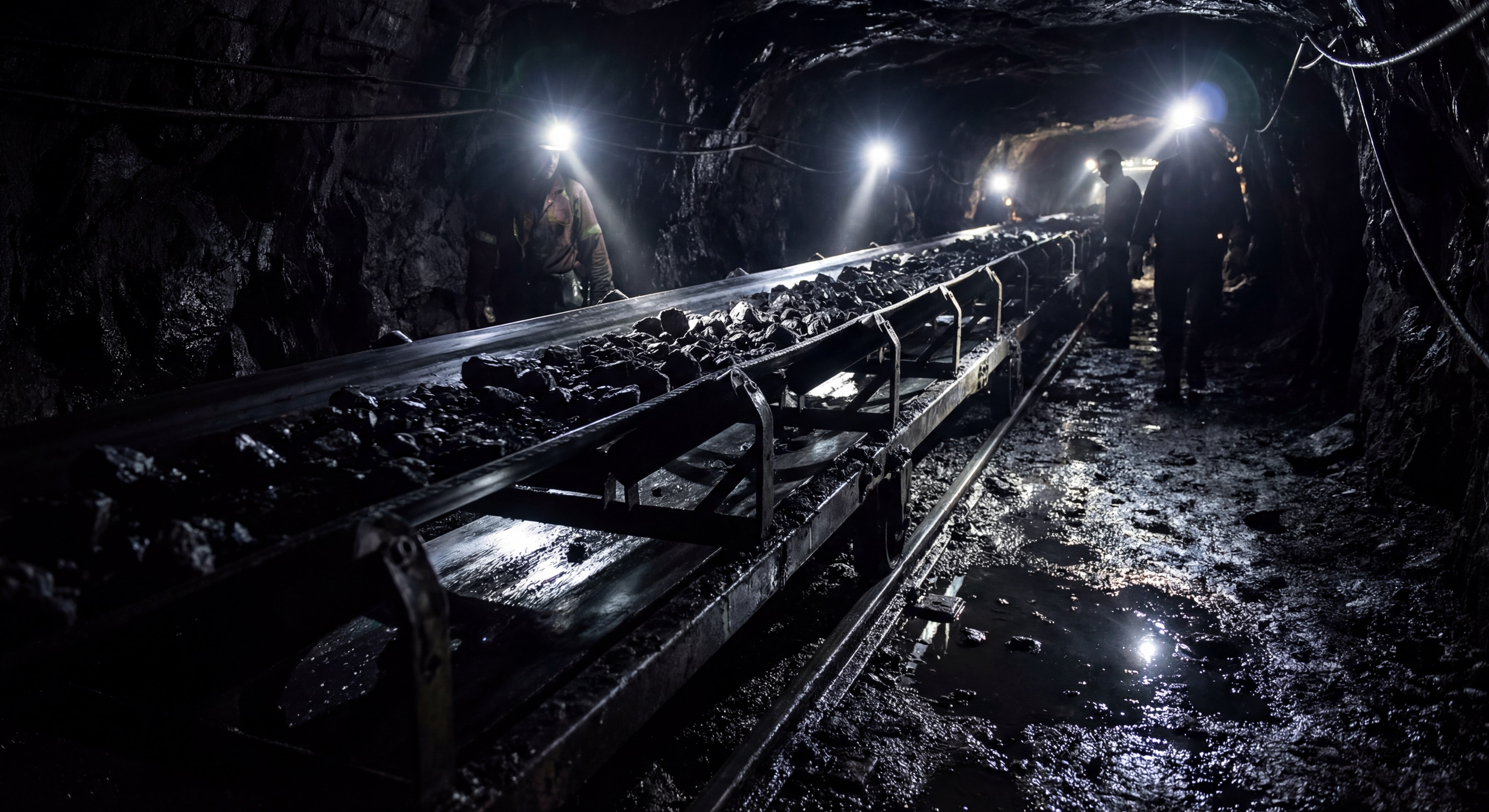
Underground mining requires the “toughest belts for the toughest applications,” and safety regulations like REACH compliance significantly impact the steel cord rubber conveyor belt price. To find the best price, you need to partner with a manufacturer who understands the specific regulatory landscape of your industry.
What safety standards are required for underground mining?
Here is why: in underground environments, fire is the greatest risk. Flame-retardant compounds are not just a preference; they are a legal requirement that prevents a small spark from turning into a life-threatening disaster.
- Meets ISO or MSHA flame resistance standards.
- Low-smoke emission to protect air quality.
- Anti-static properties to prevent dust explosions.
Look at it this way: the slightly higher cost for safety-compliant belts is negligible compared to the potential liability and loss of life in a mining accident. You cannot afford to cut corners here.
How does high tensile strength benefit deep-shaft mining?
It gets better. Moving tons of ore vertically requires a belt that won’t stretch or snap under the weight of the material and the belt’s own self-weight. Steel cord is the only material that can reliably perform this task in deep-shaft mines.
- Enables single-flight vertical lifts, reducing transfer points.
- Lowers the energy required to start a loaded belt.
- Increases the total annual tonnage moved through the shaft.
The best part? Fewer transfer points mean less dust, less material degradation, and fewer mechanical components to maintain at different levels of the mine.
Key Takeaway: Specialized safety and strength specifications for mining applications are an investment in both worker safety and operational efficiency.
The table below outlines the critical requirements for mining-grade steel cord belting:
| Requirement | Technical Solution | Impact on Operation | |
|---|---|---|---|
| Fire Safety | Flame Retardant Compounds | Prevents underground hazards | |
| High Vertical Lift | ST-Rating (e.g., ST5400) | Moves ore from deep shafts | |
| Long Distance | Low Elongation Steel Cords | Reduces take-up travel needs |
Does installation affect steel cord rubber conveyor belt price?
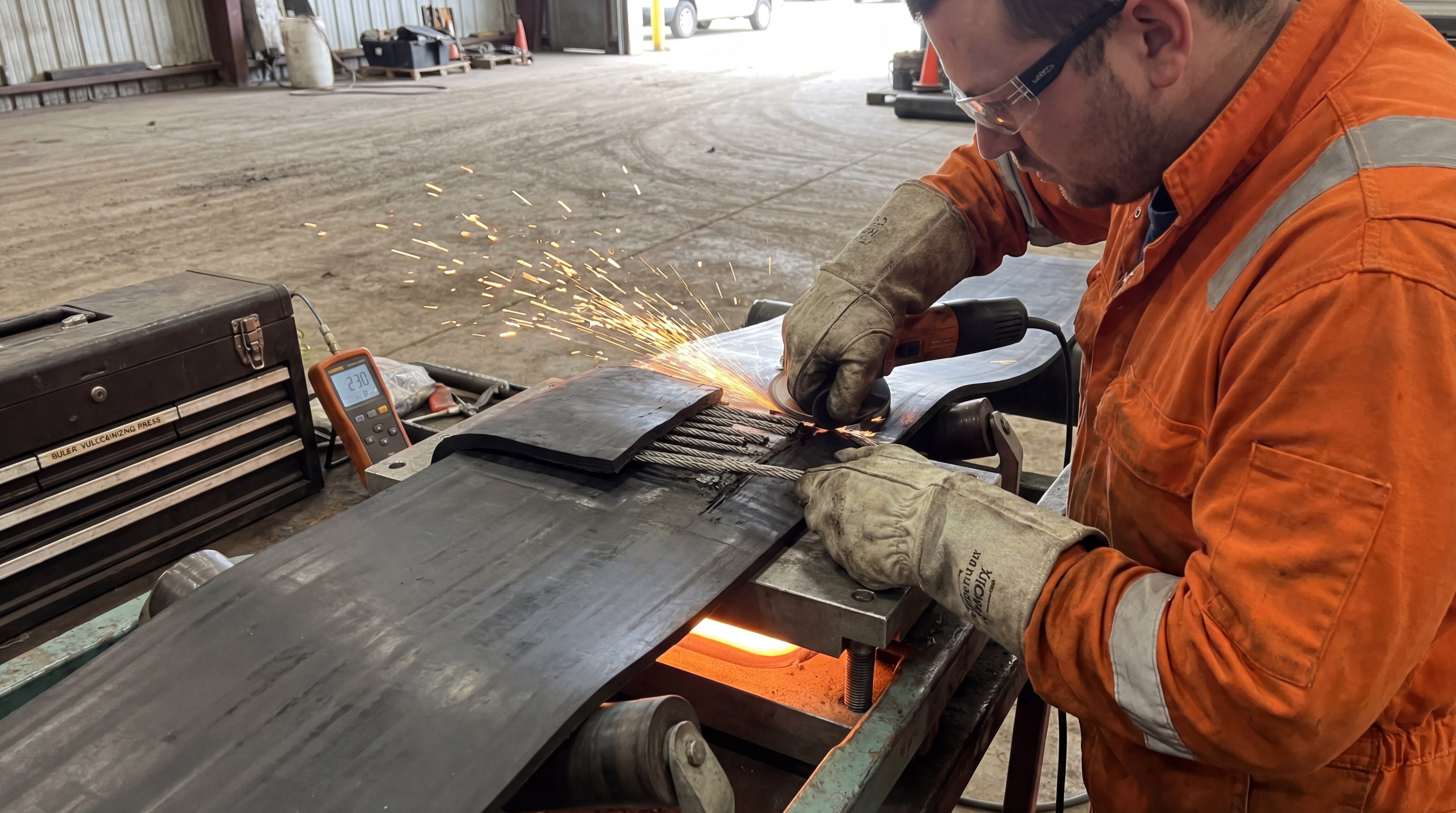
A belt is only as strong as its weakest link: the splice. Investing in a premium steel cord rubber conveyor belt price is futile if the jointing solution is substandard, as professional installation ensures a 20+ year service life.
Why are breaker plies used in the jointing process?
Think about it. Breaker plies act as an extra layer of protection at the splice point, distributing the load and preventing sharp objects from piercing the joint. This is especially important in heavy-impact zones where the belt is most vulnerable.
- Provides transverse reinforcement across the splice.
- Increases the tear resistance of the joint area.
- Helps maintain belt flexibility through the pulleys.
Believe it or not, a splice without proper breaker plies is the first place a belt will rip. High-quality splicing materials are a small cost compared to the protection they provide.
How does professional splicing reduce maintenance costs?
Here is the catch: a poorly executed splice will cause the belt to track incorrectly, leading to edge wear and damage to your conveyor frame. Professionals use specialized kits and vulcanizing presses to ensure the joint is as strong as the belt itself.
- Ensures perfect cord alignment for straight running.
- Uses high-grade bonding rubber for a permanent seal.
- Includes documented testing to prove joint integrity.
Look at it this way: one hour of downtime costs more than the difference between a cheap splice and a professional one. Doing it right the first time is the only way to save money long-term.
Key Takeaway: High-quality splicing materials and expert installation are non-negotiable for achieving the full lifespan of a steel cord belt.
Review these success factors to ensure your next installation meets the necessary performance standards:
| Factor | Importance | Result | |
|---|---|---|---|
| Step Length | Critical | Determines joint strength | |
| Rubber Hardness | High | Matches belt flexibility | |
| Cord Alignment | Vital | Prevents belt mistracking |
How does maintenance impact steel cord rubber conveyor belt price?
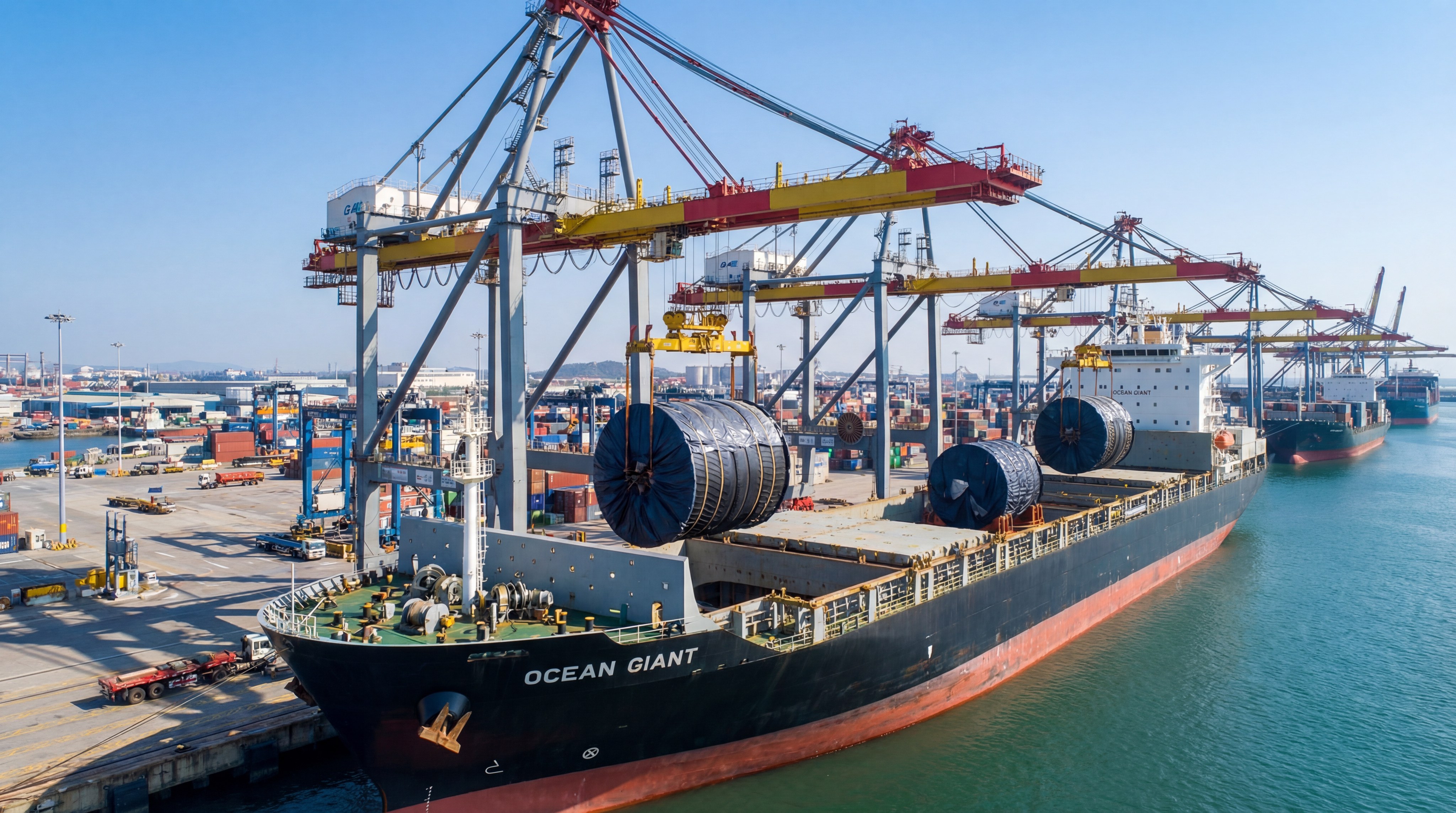
The price of steel and crude oil fluctuate based on global market conditions, directly affecting the steel cord rubber conveyor belt price. Additionally, logistics and shipping costs for heavy, oversized rolls of belting contribute to the final delivered price you see on your quote.
How does the cost of steel influence belt manufacturing?
You see, because steel cords make up a significant portion of the belt’s weight and strength, any spike in the global steel market will drive up production costs. Manufacturers often have to adjust their pricing based on these raw material trends.
- Fluctuations in high-carbon steel wire costs.
- Impact of global trade tariffs on metal imports.
- Availability of specialized corrosion-resistant coatings.
What does this mean for you? Timing your purchase or securing long-term contracts can help you hedge against these market fluctuations and keep your project on budget.
What role does global logistics play in your quote?
But that’s not all. Shipping a 30-ton roll of conveyor belt across the ocean is a massive logistical challenge. The cost of freight, customs duties, and specialized transport vehicles can add 10-20% to the total delivered price.
- Requires specialized heavy-lift shipping containers.
- Inland transport often needs permits for oversized loads.
- Port handling fees for large-diameter rolls.
The best part? Working with a supplier who has an integrated logistics network can help minimize these external costs and provide more accurate delivery timelines.
Key Takeaway: External market drivers like steel prices and shipping logistics are variable costs that must be factored into your procurement strategy.
Understand the primary external drivers that influence your final quotation with this summary table:
| Driver | Influence Level | Description | |
|---|---|---|---|
| Steel Market | High | Fluctuations in cord wire costs | |
| Oil Prices | Moderate | Impacts polymer and cover costs | |
| Shipping | Variable | Weight-based freight charges |
Is the steel cord rubber conveyor belt price worth the investment?
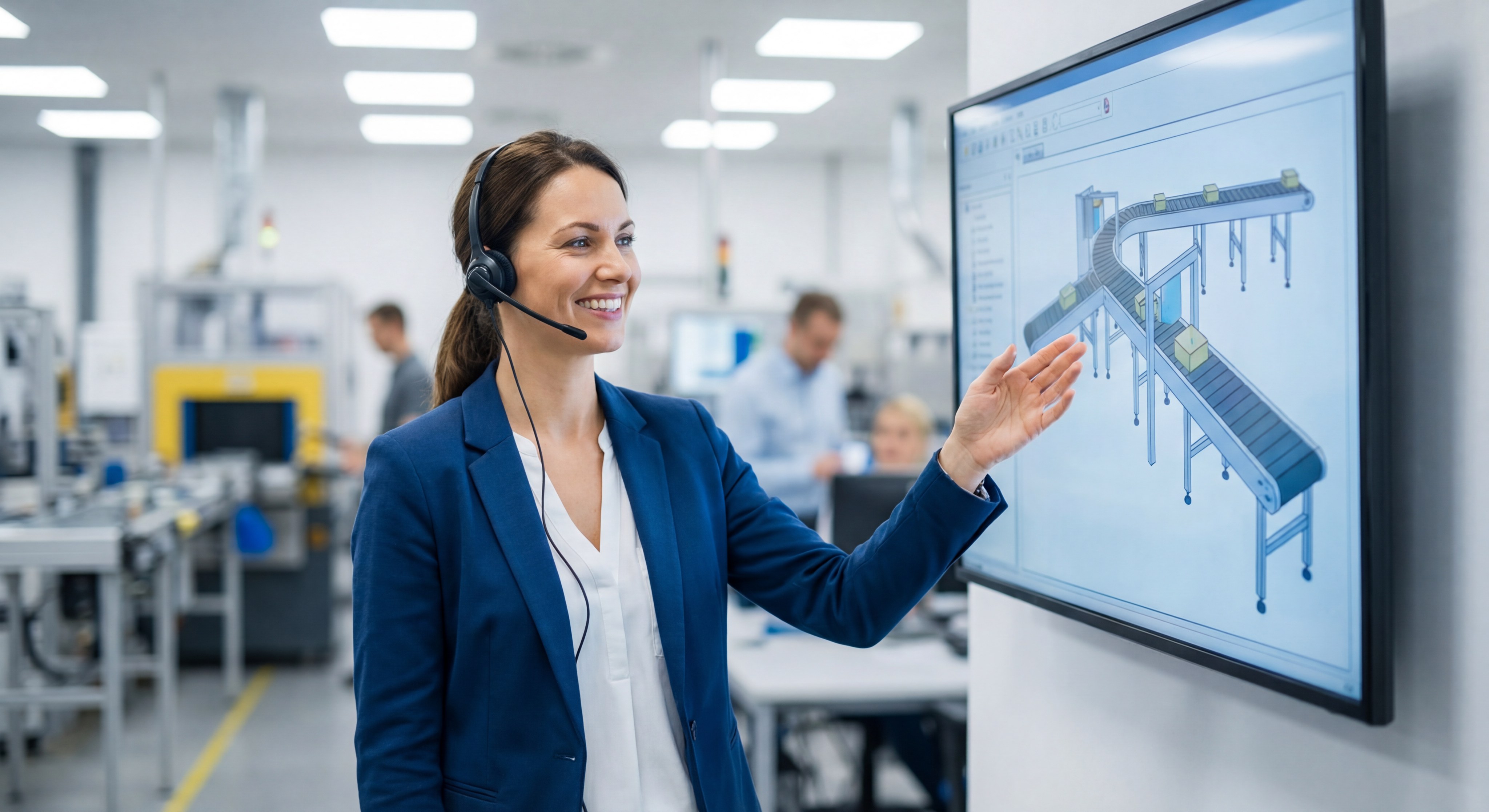
Securing the most competitive steel cord rubber conveyor belt price requires a balance of technical specification and manufacturer reliability. Rather than choosing the cheapest option, seek a partner who provides a comprehensive guarantee and documented test results to ensure the belt is worth every penny.
What questions should you ask your belt supplier?
Think about it. You need to know exactly what you are getting before the belt arrives on site. Asking the right questions about testing and material sourcing will help you weed out inferior products that might fail prematurely.
- “What is the rubber-to-metal bond strength of these cords?”
- “Can you provide a dynamic splice test report for this ST rating?”
- “How does your rubber compound handle my specific material temperature?”
It gets better. A transparent supplier will be happy to provide this data, proving that their product meets the high standards required for your application.
Why is a two-year guarantee essential for steel cord?
Here is why: if a steel cord belt is going to fail due to manufacturing defects, it usually happens within the first 18 months of service. A two-year guarantee shows that the manufacturer has confidence in their bonding process and cord alignment.
- Protects against premature cord corrosion or delamination.
- Ensures the manufacturer stands behind their “tested” claims.
- Provides a safety net for your most critical production asset.
The best part? A strong guarantee is the ultimate indicator of quality, as no manufacturer can afford to replace these belts for free if they aren’t built to last.
How do you request an accurate technical quotation?
Look at it this way: the more data you provide, the more accurate your quote will be. Don’t just ask for a “steel cord belt”; provide the ST rating, cover grade, and operating environment to ensure you aren’t overpaying for features you don’t need.
- Specify the exact tensile rating (ST) required.
- Detail the temperature and chemical hazards of the load.
- Include the total conveyor length and pulley diameters.
Key Takeaway: Reliability and technical support are just as important as the initial price when selecting a long-term conveyor partner.
Use the ST rating guide below to ensure you are selecting the right strength tier for your specific conveyor length:
| Tensile Rating | Max Tension (N/mm) | Typical Conveyor Length | |
|---|---|---|---|
| ST1000 | 1000 | Short to Medium | |
| ST2500 | 2500 | Long Distance | |
| ST5000+ | 5000+ | Extreme/Overland |
In conclusion, the price of a steel cord belt is an investment in the reliability of your entire production chain. By moving away from cheap, high-stretch textile belts and embracing the strength of steel, you solve the chronic problems of downtime and frequent maintenance. Our vision is to provide the world’s toughest belting solutions that keep your industry moving without interruption. To get a customized quote and expert consultation for your specific project, please contact us today .
FAQ
Can I use steel cord belts on a conveyor designed for fabric belts?No, because steel cord belts require significantly larger pulley diameters to prevent the cords from fatiguing and snapping.
What’s the best way to prevent steel cord corrosion?Absolute adherence to high-quality rubber-to-metal bonding and ensuring your splices are perfectly sealed is the only way.
Can I repair a rip in a steel cord belt?Yes, but it requires specialized hot vulcanizing kits to ensure the internal cords are properly re-aligned and protected.
What’s the most durable cover grade for mining?Grade FR (Flame Retardant) combined with high abrasion resistance is the gold standard for underground safety and longevity.
Can I reduce my belt’s energy consumption with steel cord?Yes, because the low elongation and high strength allow for lighter belt weights compared to multiple plies of fabric over long distances.