
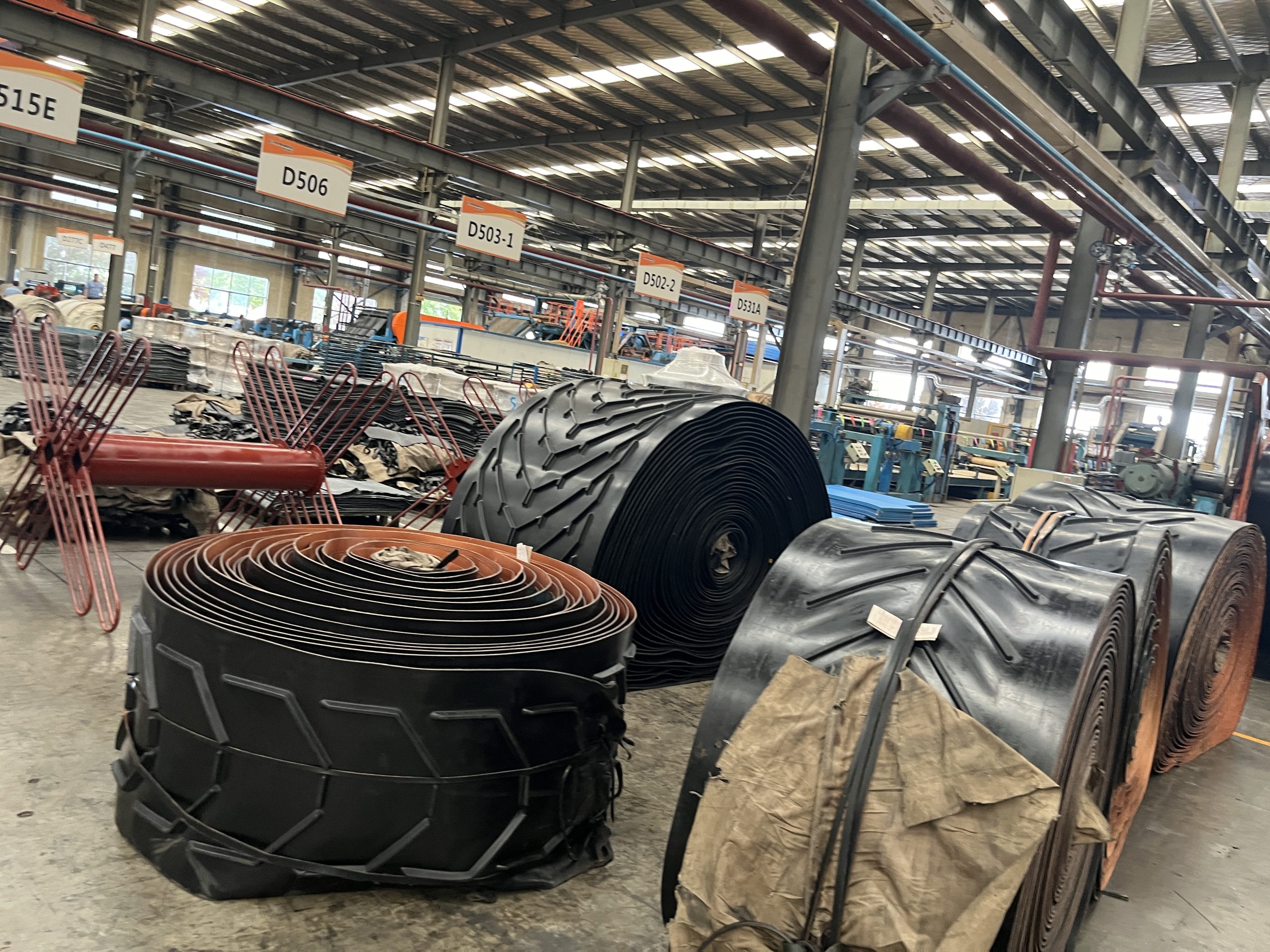
Enhance manufacturing precision and equipment reliability in a china rubber conveyor belt factory by utilizing plaster casting technology for high-detail, non-ferrous metal components. This advanced process ensures superior surface finish and dimensional accuracy, supporting the performance of critical mechanical parts required for continuous, 24/7 industrial operations.
What is plaster casting for a china rubber conveyor belt factory?

Plaster casting is a specialized molding process that uses a mixture of gypsum, water, and strengthening agents to create a disposable mold for non-ferrous metals. For a china rubber conveyor belt factory, this technique is essential for creating precise mechanical housing units that require minimal post-processing. It bridges the gap between the cost-effectiveness of sand casting and the high precision of investment casting.
The material used is similar to the plaster of Paris but is specifically engineered to withstand the thermal shock of molten metal. This allows engineers to produce complex geometries that would be impossible with traditional tooling.
Why precision casting matters
Here is the deal: precision casting eliminates the need for expensive secondary machining on complex parts. Because the plaster mold is formed around a master pattern, every detail of the original design is captured with sub-millimeter accuracy.
- Superior dimensional stability
- Reduced material waste
- Excellent reproduction of fine textures
- Lower cost than investment casting
Plaster vs. Ceramic molding
While they look similar, plaster molds are primarily restricted to lower-melting-point non-ferrous alloys. Ceramic molds can handle higher temperatures but often come at a much steeper price point. You must choose based on your specific metal requirements.
| Feature | Plaster Casting | Ceramic Molding | |
|---|---|---|---|
| Material | Gypsum-based | Zircon/Silica-based | |
| Max Temp | ~1,200°C | ~1,800°C | |
| Precision | Very High | Exceptional |
The selection of plaster over ceramic usually depends on the thermal properties of the alloy being cast.
Key Takeaway: Plaster casting provides a cost-effective route to achieving high-precision metal parts with a flawless surface finish.
How does it work for a china rubber conveyor belt factory?
The process works by pouring liquid metal into a cavity made of dried gypsum to replicate a master pattern with high fidelity. In any china rubber conveyor belt factory , this method is used to create prototypes and small-batch production parts for belt tensioning systems. The liquid metal fills every crevice of the mold before solidifying into the final component.
Because plaster has low thermal conductivity, the metal cools slowly, which helps prevent defects like cracking or warping. This controlled cooling environment is critical for maintaining the structural integrity of thin-walled parts.
The role of the master pattern
The bottom line is: the quality of your cast part is entirely dependent on the quality of your initial pattern. Patterns are usually made from metal, plastic, or wood and must be slightly oversized to account for metal shrinkage during cooling.
- Create a high-precision master pattern.
- Pour the plaster slurry over the pattern.
- Allow the mold to set and then remove the pattern.
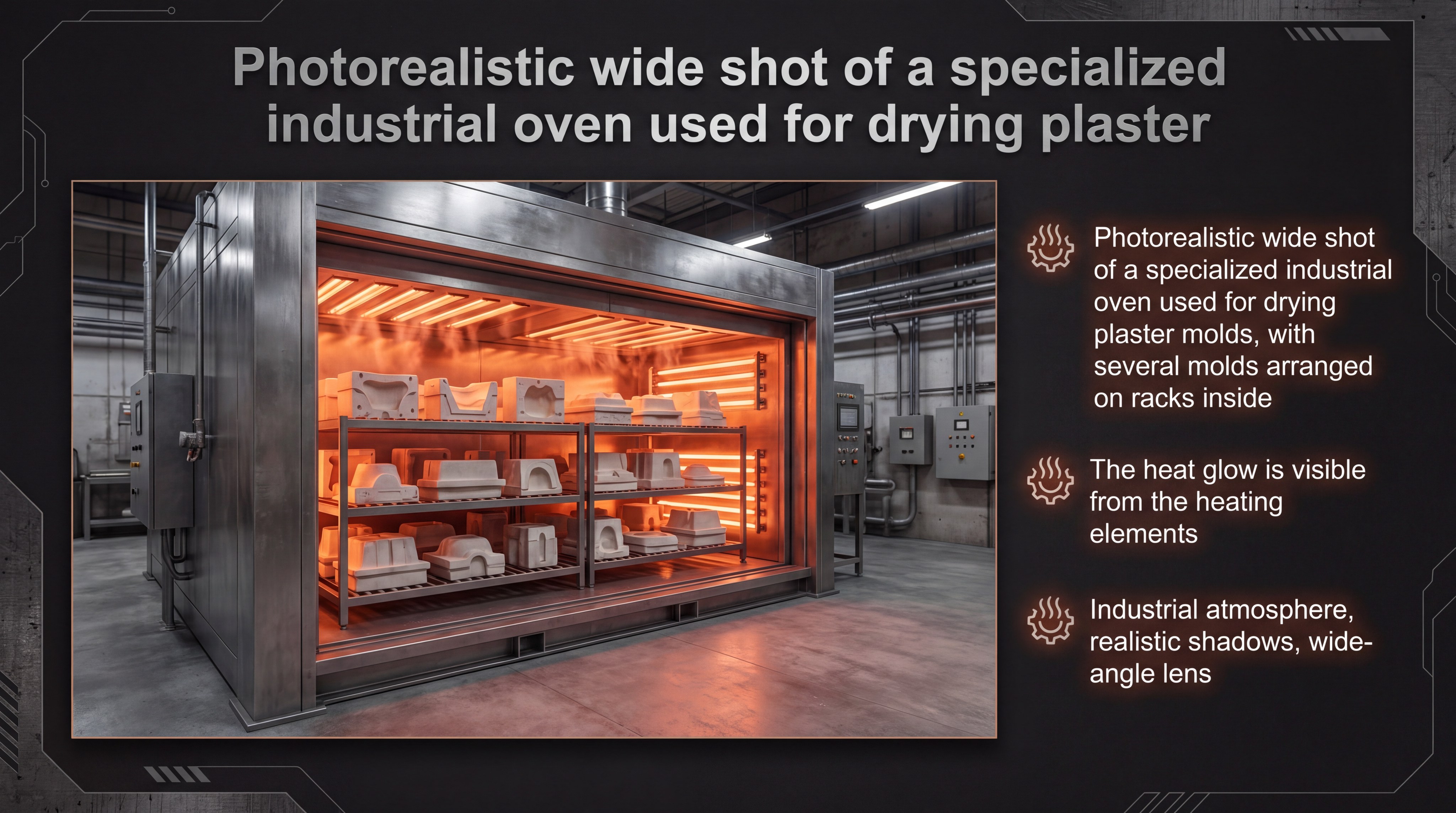
- Bake the mold to remove all moisture.
Metal filling dynamics
Gravity is the primary force used to fill these molds, although vacuum assistance is sometimes employed for extremely intricate designs. This ensures that even the most delicate features are fully formed without air pockets.
| Dynamic | Description | |
|---|---|---|
| Flow Rate | Controlled to prevent mold erosion | |
| Venting | Plaster is naturally porous, aiding air escape | |
| Solidification | Slower than sand casting for better grain structure |
Slow cooling allows the metal to settle perfectly into the mold’s most complex corners.
Key Takeaway: Controlled metal filling and slow cooling in plaster molds result in parts with high integrity and complex shapes.
What are the uses for a china rubber conveyor belt factory?
The primary uses involve the production of high-precision non-ferrous components such as gears, valves, and specialized fittings. A china rubber conveyor belt factory relies on these parts for the precision timing and alignment of heavy-duty industrial belts. Aerospace and automotive sectors also utilize this method for engine components and cockpit hardware.
Beyond heavy industry, this method is popular for creating decorative hardware and medical equipment. Its ability to capture fine detail makes it ideal for parts that require both aesthetic appeal and mechanical functionality.
Aerospace and Automotive parts
You will find plaster-cast parts in the most demanding environments, from high-altitude flight systems to high-performance engines. These industries require parts that are lightweight yet incredibly durable.
- Engine cooling fan blades
- Hydraulic valve bodies
- Electronic equipment housings
- Transmission prototypes
Complex industrial components
The deal is this: plaster casting excels at producing parts with internal cavities and undercuts. This makes it the go-to choice for complex manifolds used in pneumatic conveyor systems.
| Industry | Common Applications | |
|---|---|---|
| Automotive | Cylinder heads and torque converters | |
| Aerospace | Instrument panels and fuel system parts | |
| Electronics | Heat sinks and RF shielding boxes |
These parts often require the exact tolerances that only precision casting can provide reliably.
Key Takeaway: Plaster casting is versatile enough to support industries ranging from heavy logistics to advanced aerospace engineering.
What is the process in a china rubber conveyor belt factory?
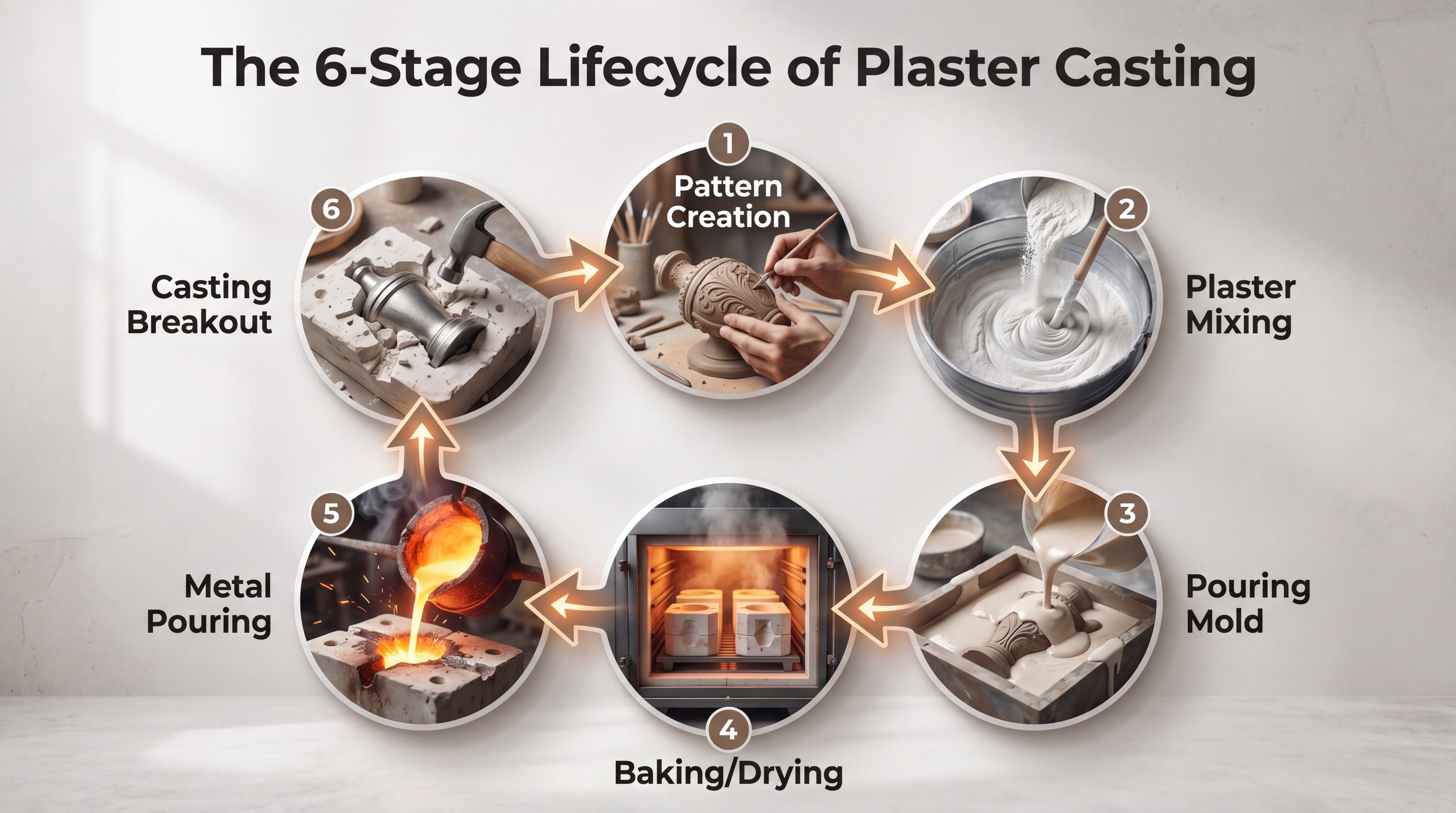
The process is a multi-step workflow starting with pattern creation and ending with the breakout of the finished metal part. Managers at a china rubber conveyor belt factory follow these steps strictly to ensure that every replacement part fits perfectly into existing conveyor systems. Each stage requires precise timing, especially during the mixing and baking phases.
If the moisture is not completely removed from the plaster mold before pouring, the molten metal can react violently. Therefore, the dehydration stage is arguably the most critical part of the entire manufacturing cycle.
Preparing the plaster mix
Mixing is not as simple as adding water; it involves specific ratios of gypsum and additives like talc or silica. This creates a slurry that is thin enough to flow into fine details but strong enough to hold its shape.
- Weigh dry components accurately.
- Mix under vacuum to remove air bubbles.
- Pour slowly to avoid entrapment.
- Let the mold cure at room temperature.
The baking stage
Here is the deal: baking the mold is essential to remove “chemically combined” water that air drying cannot touch. This process usually happens in specialized industrial ovens over several hours or even days.
| Stage | Duration | Purpose | |
|---|---|---|---|
| Curing | 15 – 30 Minutes | Hardening of the gypsum structure | |
| Baking | 12 – 72 Hours | Complete moisture removal | |
| Cooling | 2 – 4 Hours | Preparation for metal pouring |
Proper baking ensures the mold does not crack when it meets the 700°C+ molten metal.
Key Takeaway: A disciplined, multi-step process is required to transform liquid plaster and metal into a high-precision component.
What are the advantages for a china rubber conveyor belt factory?
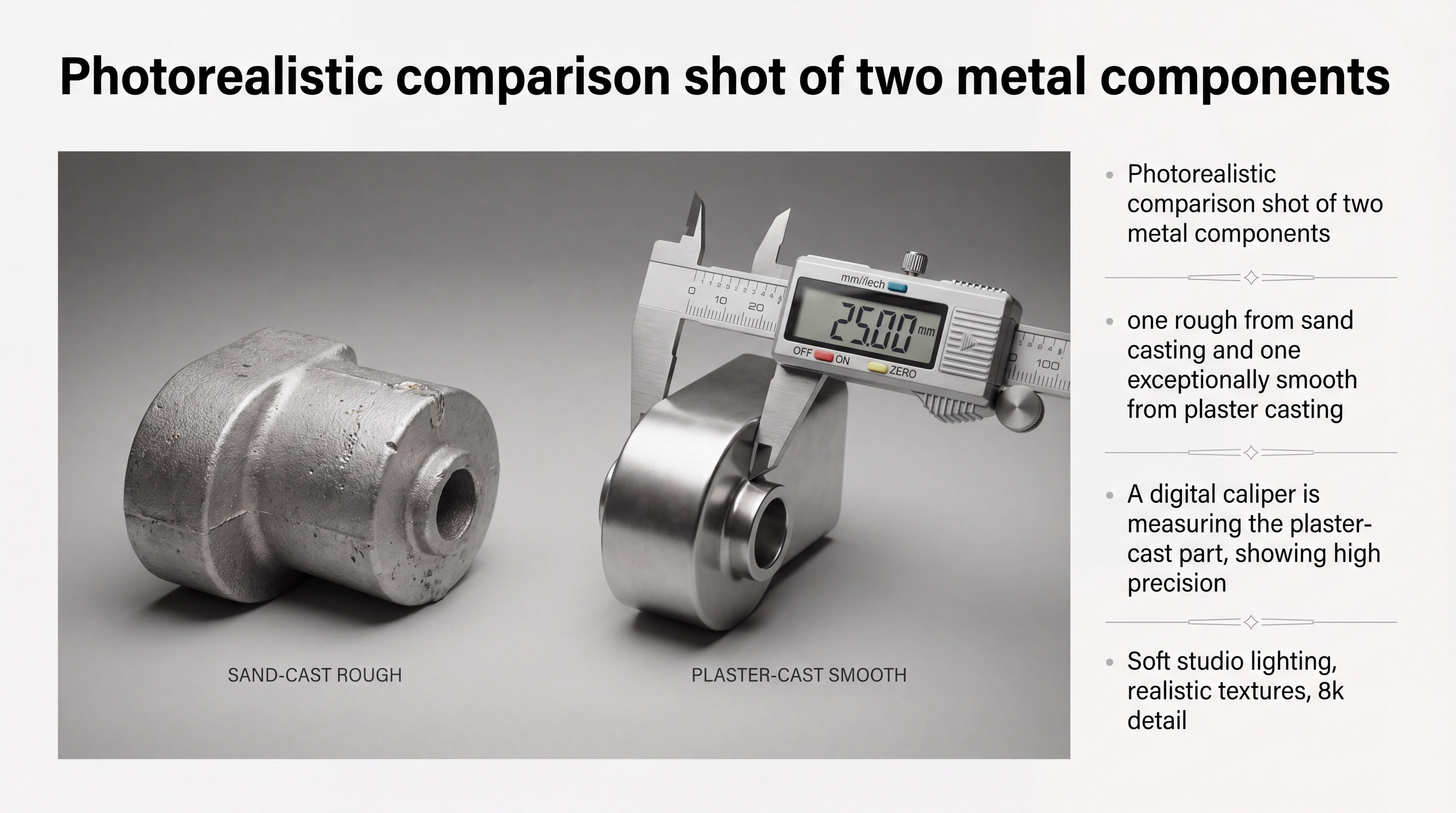
The main advantages include a superior surface finish, high dimensional accuracy, and the ability to cast extremely thin walls. For a china rubber conveyor belt factory , these advantages translate to lower maintenance costs because the parts fit better and wear down more slowly. Unlike sand casting, which leaves a grainy texture, plaster casting results in a “mirror-like” finish.
Additionally, this method allows for complex internal geometries without the need for multiple cores. This reduces the assembly time for complex machinery and improves overall structural reliability.
Superior surface finish
The fact of the matter is that plaster-cast parts often look like they have already been polished. This eliminates the need for grinding, sanding, or chemical smoothing after the casting is complete.
- Surface roughness as low as 1.5–4.0 μm
- No parting line flash common in other methods
- High reproduction of decorative details
- Clean, professional aesthetic
Accurate final dimensions
Plaster molds do not shift or distort easily during the pouring process. This means you can achieve tolerances as tight as +/- 0.1 mm over a significant distance.
| Metric | Plaster Casting Value | Sand Casting Value | |
|---|---|---|---|
| Surface Finish | Smooth/Polished | Rough/Grainy | |
| Tolerance | +/- 0.1mm | +/- 0.5mm | |
| Wall Thickness | Down to 0.6mm | Minimum 3.0mm |
Higher accuracy leads to better performance in high-speed industrial conveyor applications.
Key Takeaway: Choosing plaster casting saves time and money by providing “net-shape” parts that require almost no finishing.
What materials are used by a china rubber conveyor belt factory?
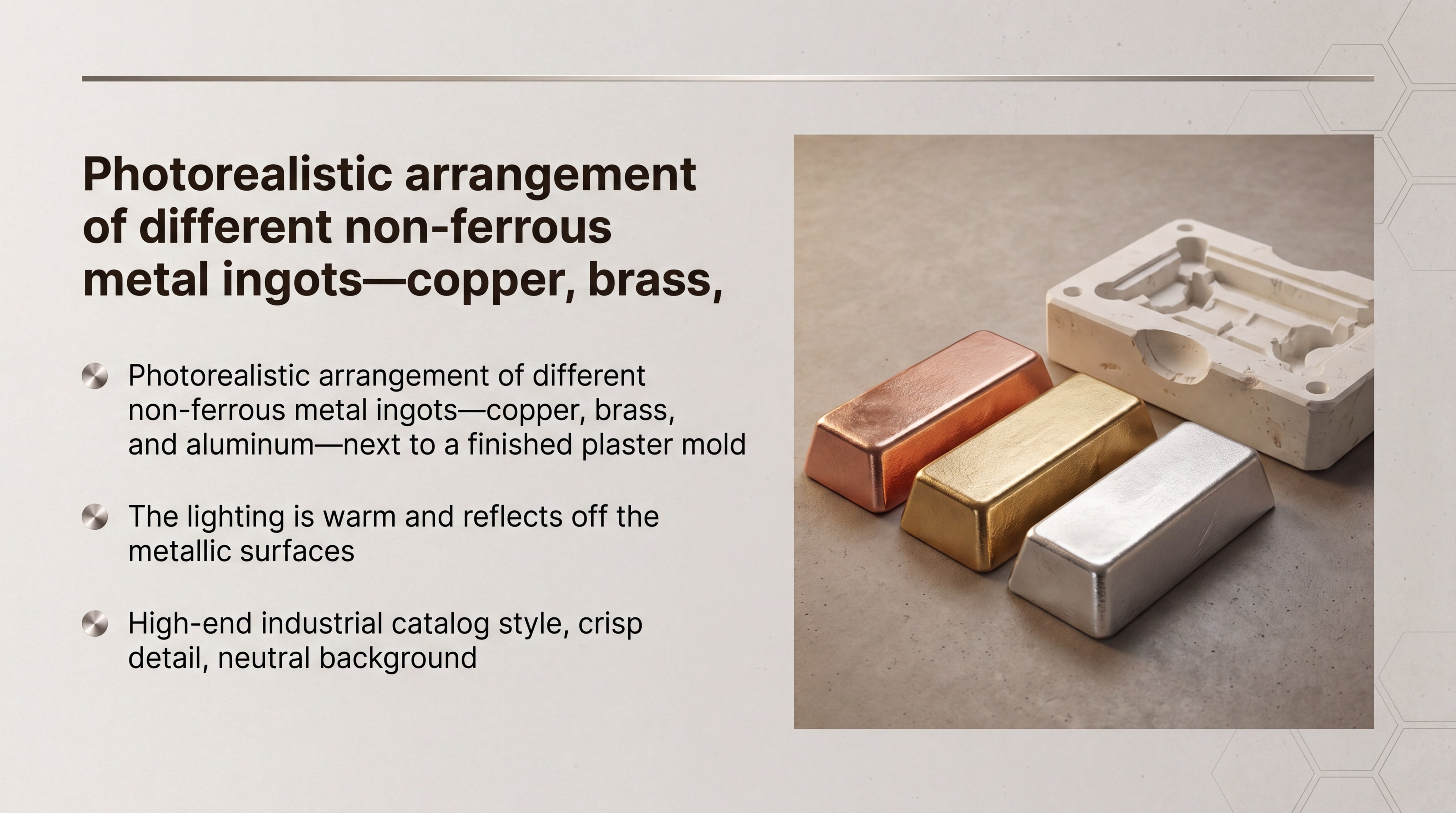
Materials used in this process are strictly limited to non-ferrous metals such as aluminum, brass, magnesium, and copper alloys. A china rubber conveyor belt factory uses these materials because they are corrosion-resistant and offer excellent strength-to-weight ratios. Ferrous metals like steel cannot be used because their high melting points would destroy the gypsum mold instantly.
Aluminum is the most common material due to its low melting point and excellent fluidity. It allows for the creation of lightweight components that can withstand the constant tension of a running conveyor system.
Why non-ferrous is preferred
The simple truth is: gypsum starts to decompose at temperatures above 1,200 degrees Celsius. Therefore, we must use metals that become liquid well below this thermal threshold to maintain mold integrity.
- Aluminum: Lightweight and highly fluid.
- Brass/Bronze: Excellent wear resistance for moving parts.
- Magnesium: For ultra-lightweight aerospace applications.
- Zinc: Often used for high-detail decorative hardware.
Benefits of aluminum
Aluminum is the workhorse of the precision casting world. It provides a perfect balance of durability, cost, and ease of manufacturing for industrial components.
| Property | Aluminum | Brass | |
|---|---|---|---|
| Melting Point | ~660°C | ~930°C | |
| Weight | Low | High | |
| Corrosion | Excellent | Good |
Using aluminum ensures that your machinery remains efficient without adding unnecessary weight to the system.
Key Takeaway: Non-ferrous metals are the only compatible materials, with aluminum being the top choice for industrial precision.
How is quality controlled in a china rubber conveyor belt factory?

Quality control is ensured through a combination of dimensional inspections, X-ray scanning, and ultrasonic testing for internal defects. Every china rubber conveyor belt factory must implement these checks to prevent part failure during critical production windows. Because precision is the selling point of this method, even a minor deviation is considered a failure.
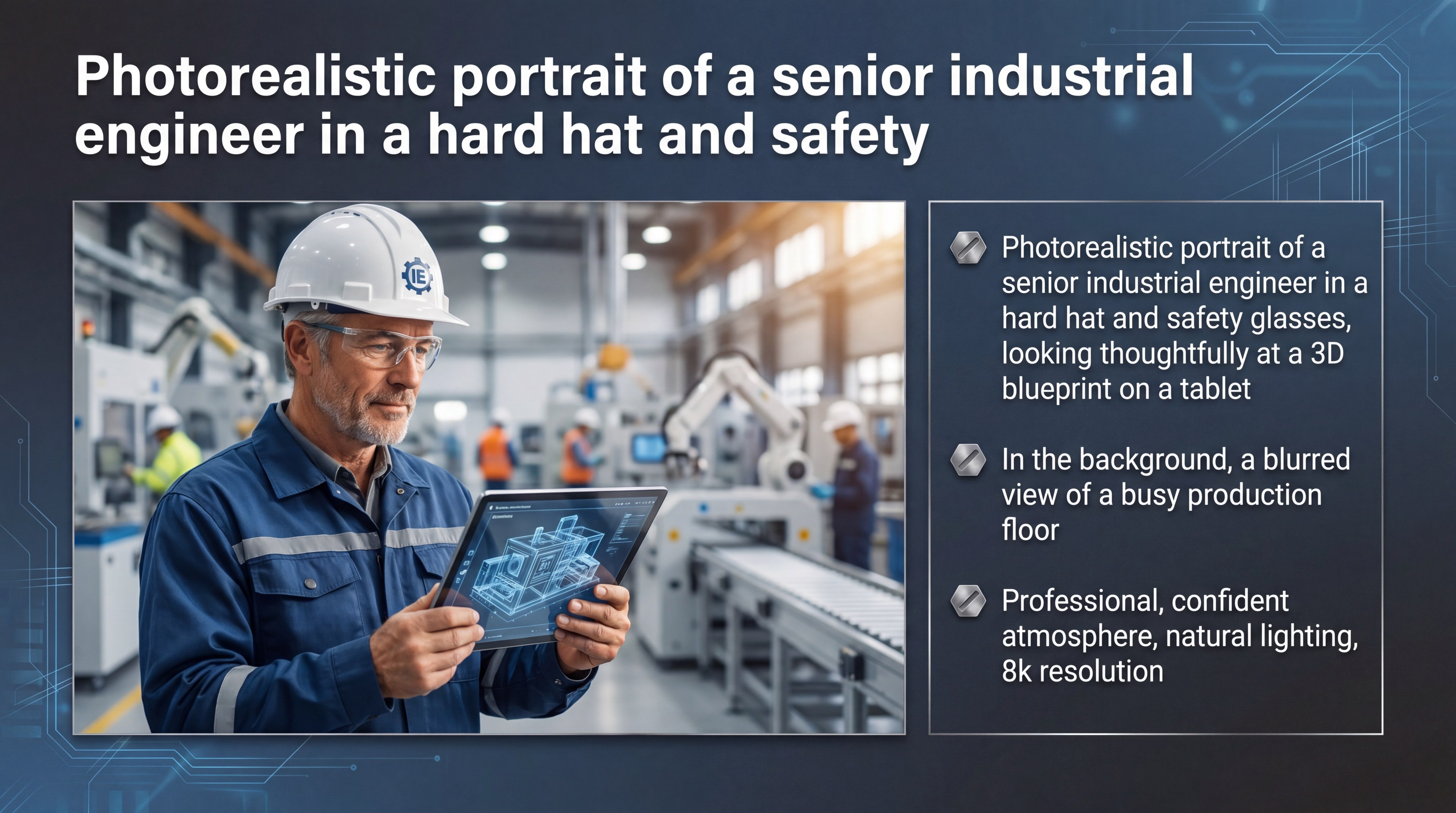
Digital calipers and coordinate measuring machines (CMM) are used to verify that every dimension matches the original 3D blueprint. This ensures that the parts will integrate seamlessly into the final assembly.
Inspection methods
Here is the deal: visual inspection is never enough for high-stress industrial parts. We utilize advanced technology to look inside the metal and ensure there are no hidden air pockets or inclusions.
- X-Ray: Detects internal porosity and cracks.
- Dye Penetrant: Highlights surface-level cracks.
- CMM Testing: Verifies geometric tolerances.
- Spectroscopy: Confirms the chemical purity of the metal alloy.
Testing for internal defects
Internal voids can cause a part to snap under the heavy loads of a conveyor system. Ultrasonic testing uses high-frequency sound waves to map the interior of the casting and find these weaknesses.
| Test Type | Target Issue | Necessity | |
|---|---|---|---|
| Ultrasonic | Hidden voids/bubbles | Essential for safety | |
| Hardness | Material strength | Critical for wear parts | |
| Visual | Surface finish | Standard procedure |
Rigorous testing guarantees that every component delivered is of the highest possible quality.
Key Takeaway: Strict quality control through high-tech scanning ensures that your precision parts never fail under pressure.
What are the limitations for a china rubber conveyor belt factory?
The main limitations are the inability to handle ferrous metals and the relatively slow production speed compared to die casting. At a china rubber conveyor belt factory , this means plaster casting is reserved for specialized parts rather than mass-produced rollers. The mold is also destroyed during the breakout process, meaning a new mold must be made for every single part.
Additionally, the plaster material is sensitive to moisture and must be stored in climate-controlled environments. If the molds absorb humidity from the air, the casting quality will drop significantly.
High-melt metal constraints
The bottom line is: you cannot use this method for steel or iron components. The extreme heat of molten steel would turn the gypsum mold into powder before the metal could even solidify.
- Limited to alloys below 1,200°C
- Not suitable for heavy-duty structural steel
- Requires careful selection of non-ferrous alloys
- Mold failure increases at higher temperature ranges
Production cost-effectiveness
While the finish is great, the process is slow. It is perfect for 10 to 500 parts, but for 50,000 parts, die casting or sand casting is usually more economical.
| Production Factor | Plaster Casting | Die Casting | |
|---|---|---|---|
| Tooling Cost | Low | Very High | |
| Speed | Slow (Days) | Fast (Seconds) | |
| Scale | Low/Medium | High Volume |
Understanding these trade-offs is key to managing your manufacturing budget effectively.
Key Takeaway: Plaster casting is a specialized tool best suited for high-quality, low-volume, non-ferrous parts.
How does it help industries from a china rubber conveyor belt factory?

Global solutions empower industries by providing custom, high-precision designs that can be shipped worldwide to support diverse infrastructure. A china rubber conveyor belt factory provides the essential components that keep global supply chains moving, from mining sites in Australia to warehouses in Europe. Precision casting ensures that these international systems operate with minimal downtime.
By leveraging advanced manufacturing techniques, factories can now produce parts that are tailored to specific environmental conditions. This localized customization is a major driver of industrial growth in the modern era.
Custom designs worldwide
Here is the deal: you can now send a digital file to a factory and receive a precision-cast part anywhere in the world. This level of connectivity has revolutionized how we handle machine repairs and upgrades.
- Worldwide shipping of precision components
- Digital-to-physical manufacturing workflows
- Support for remote industrial operations
- Standardized quality across borders
Supporting diverse needs
Whether it is a food-grade conveyor in a bakery or a heavy-duty belt in a coal mine, precision parts are the common denominator. High-quality casting supports the unique demands of every sector.
| Sector | Specific Need | Solution | |
|---|---|---|---|
| Logistics | High-speed reliability | Precision-balanced pulleys | |
| Mining | Extreme durability | Wear-resistant bronze fittings | |
| Food | Easy cleaning | Smooth-surface aluminum parts |
Reliable manufacturing partners help businesses stay competitive in a fast-paced global market.
Key Takeaway: Global precision manufacturing ensures that no matter where your industry is located, you have access to the best components.
Which method should you choose for a china rubber conveyor belt factory?
Choosing the right method depends on your budget, required surface finish, and the complexity of the part. In a china rubber conveyor belt factory , engineers often weigh the benefits of plaster casting against sand casting for different mechanical assemblies. If the part is internal and simple, sand casting wins; if it is visible or high-precision, plaster is the clear choice.
Your decision should also consider the total “lead time.” While plaster casting provides a better finish, the long baking times mean you need to plan your production schedules carefully.
Plaster vs. Sand: Which wins?
The choice is simple: if you need “net-shape” parts that require no extra work, plaster is the winner. If you are casting a heavy engine block where surface finish doesn’t matter, sand casting is much cheaper.
- Choose Plaster for: Accuracy, thin walls, smooth finish.
- Choose Sand for: Large parts, ferrous metals, low cost.
- Choose Die Casting for: Millions of identical parts.
Budgeting your project
Here is the deal: expensive parts are often cheaper in the long run if they don’t require 10 hours of manual polishing. Always calculate the total cost, including secondary operations.
| Cost Element | Plaster Casting | Sand Casting | |
|---|---|---|---|
| Initial Tooling | $$ | $ | |
| Per Part Cost | $$$ | $$ | |
| Finishing Cost | $ | $$$ |
Strategic planning ensures you get the most value for your manufacturing investment.
Key Takeaway: Consult with an experienced engineer to match the casting method to your specific performance and budget goals.
Frequently Asked Questions
Can I cast steel using a plaster mold?No, because the melting point of steel exceeds the thermal limits of gypsum, which will cause the mold to disintegrate. Use ceramic or sand molds for ferrous metals.
What’s the best metal for plaster casting?Aluminum is the best choice because it has a low melting point, excellent fluidity, and results in strong, lightweight parts with great detail.
How do I know if my part is suitable for this method?It depends on your required tolerance and surface finish. If you need dimensions tighter than +/- 0.5mm and a surface that doesn’t need grinding, this is the right choice.
Can I reuse a plaster mold?No, the mold must be broken to remove the metal part. It is a “disposable” or “single-use” molding process.
What’s the best way to reduce costs in plaster casting?It depends on your design; reducing the volume of the part and using standardized master patterns can help lower the overall price per unit.
Conclusion
Precision is the heartbeat of modern industry, and plaster casting remains one of the most reliable ways to achieve it. Whether you are maintaining a global supply chain or building custom industrial machinery, contact us today to find the perfect components for your needs.
Our mission is to solve complex logistics challenges through high-durability rubber products and precision-engineered mechanical parts. We provide end-to-end support for your manufacturing needs, ensuring your operations never miss a beat. We are dedicated to conveying efficiency and empowering global industries through innovation and excellence.