
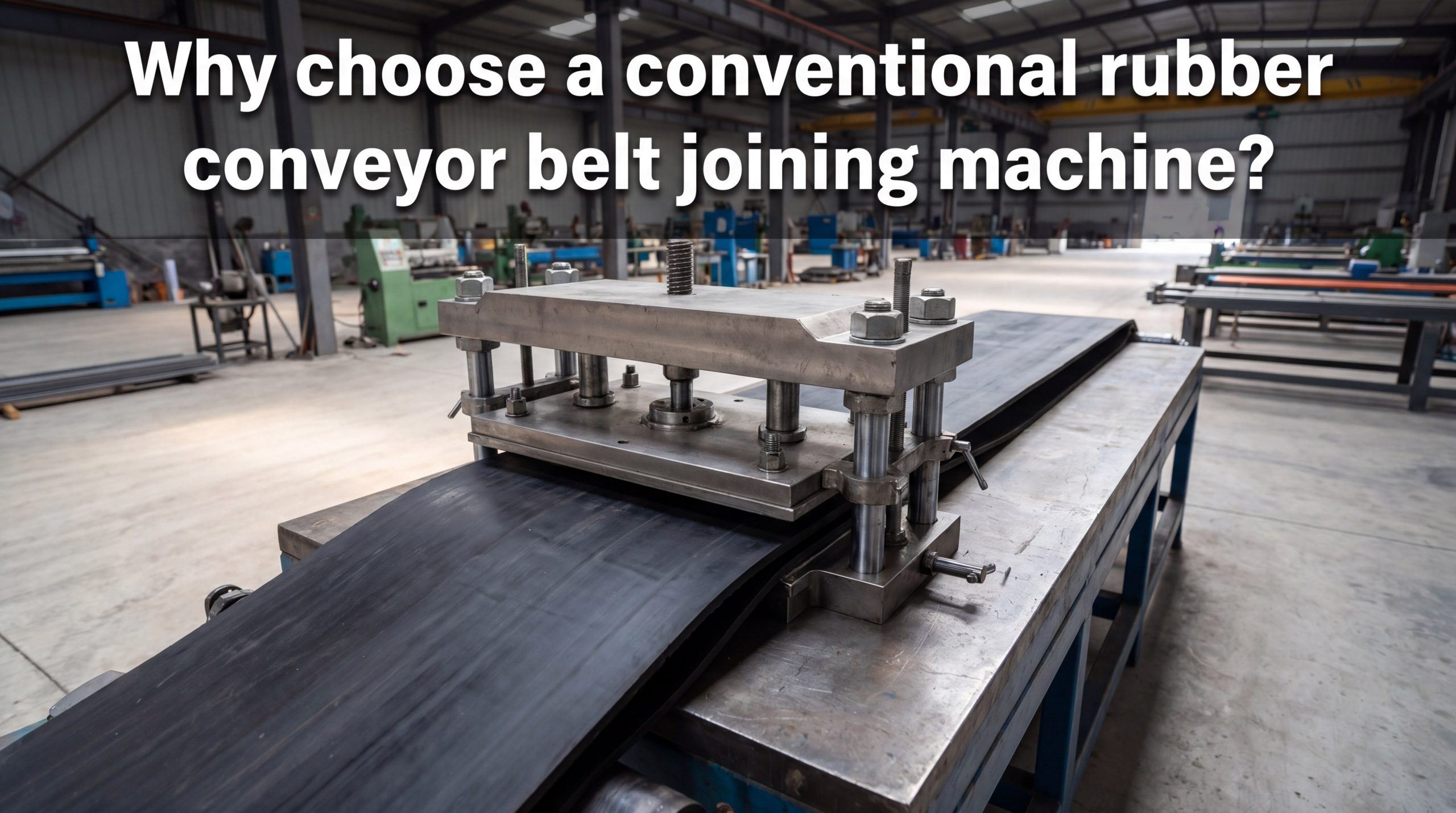
Improve conveyor system reliability with a conventional rubber conveyor belt joining machine designed to create strong, seamless, and permanent belt splices through thermal bonding. This professional solution eliminates weak joints caused by mechanical fasteners, reduces downtime, minimizes equipment wear, and ensures joint strength equal to the original belt material in demanding industrial environments.
Why choose a conventional rubber conveyor belt joining machine?
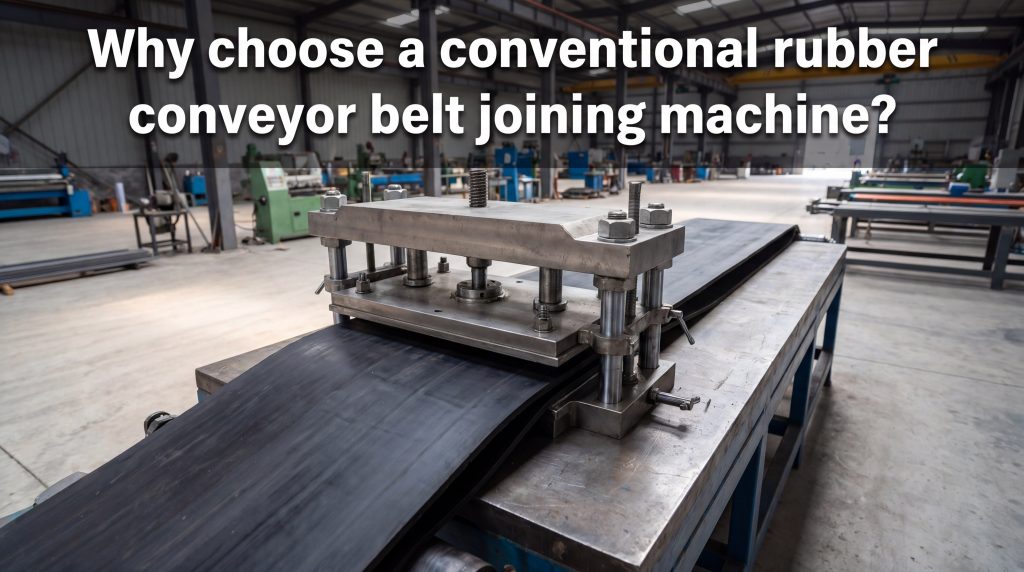
You should choose this system because it provides a smooth, flat joint that eliminates the “click” and vibration associated with mechanical fasteners. Utilizing a conventional rubber conveyor belt joining machine allows you to achieve up to 100% of the belt’s original tensile strength. This level of reliability is critical for high-tension systems where mechanical splices simply cannot hold.
Does heat vulcanization outperform mechanical splicing?
Heat vulcanization is superior because it chemically fuses the rubber layers into a single, continuous structure. Mechanical splices rely on physical teeth that can tear through the fabric carcass over time. Here is why it matters:
- Seamless finish prevents scrapers from catching.
- Chemical bonding resists moisture and environmental rot.
- Uniform thickness protects your downstream conveyor components.
What are the long-term cost benefits for mine operators?
While the initial setup takes longer than a mechanical splice, you will see a massive reduction in long-term maintenance costs. Permanent joints eliminate the need for frequent retightening and prevent the material leakage that causes pulley slippage.
Key Takeaway: Professional vulcanization is an investment in system uptime that pays for itself through reduced labor and component wear.
| Feature | Mechanical Splicing | Vulcanized Joining | |
|---|---|---|---|
| Tensile Strength | 50-70% | 90-100% | |
| Surface Profile | Raised/Rough | Flush/Smooth | |
| Service Life | Short/Medium | Long-Term |
Use this table to compare joint integrity when planning your next scheduled maintenance shutdown.
How does a conventional rubber conveyor belt joining machine work?
This machine works by applying precise levels of heat and pressure to raw rubber compounds, initiating a chemical reaction called cross-linking. The conventional rubber conveyor belt joining machine uses high-quality aluminum alloy plates to distribute this heat evenly across the entire splice area. This ensures that every inch of the joint reaches the same level of curing density.
What are the critical temperature requirements for bonding?
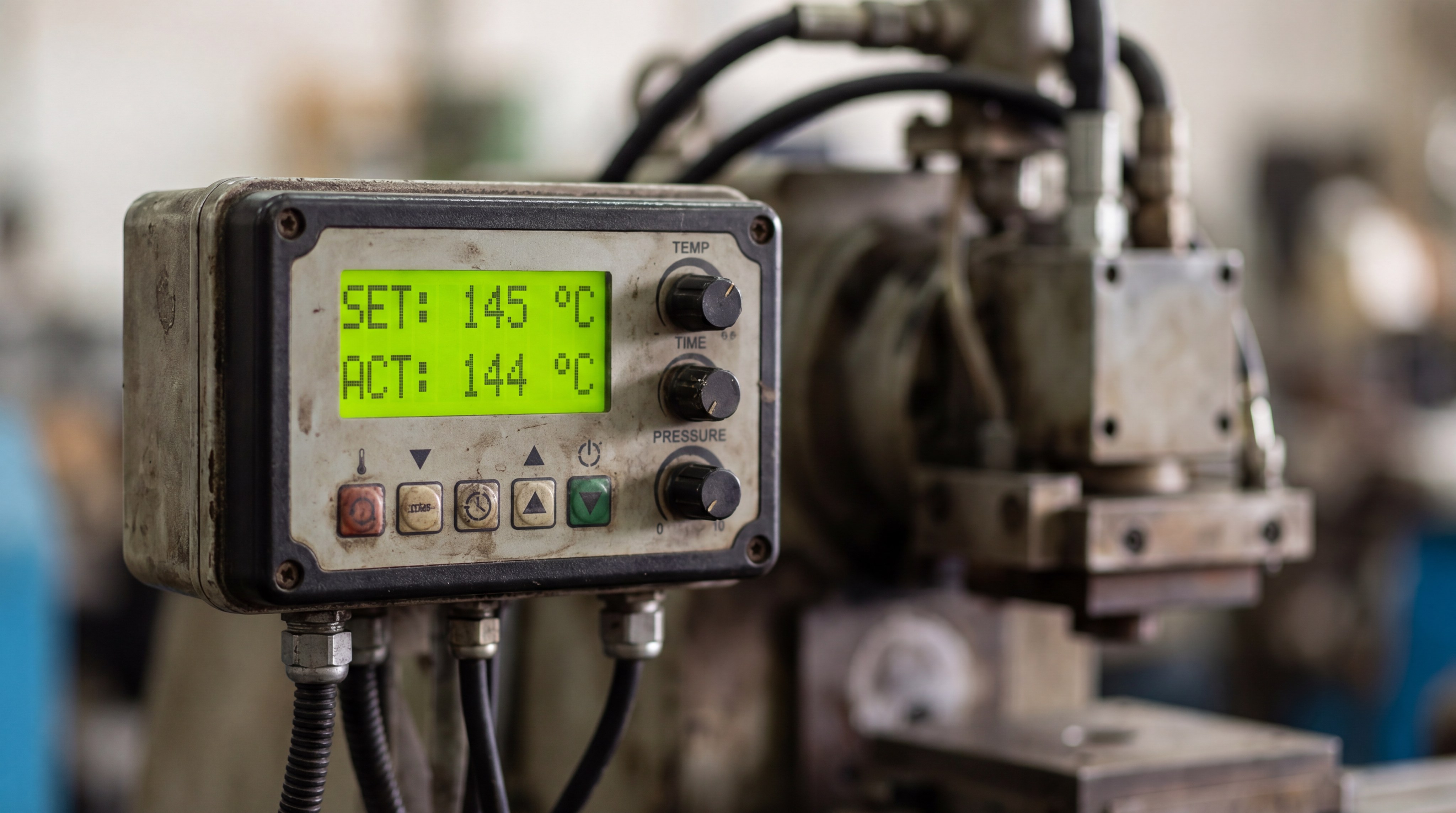
The standard temperature for most industrial rubber belts is 145°C, though the machine can adjust up to 200°C for special materials. Maintaining this exact temperature is vital because under-curing leads to weak bonds, while over-curing makes the rubber brittle. But that’s not all.
- Digital sensors monitor the working face constantly.
- Automatic controls maintain a variance of only ±3°C.
- Preset timers ensure the heat is applied for the perfect duration.
How much pressure is applied during the vulcanization cycle?
Standard industrial units apply a uniform pressure of 1.5 MPa using specialized water pressure plates. This force pushes out any trapped air and forces the rubber compounds into the fabric (textile) conveyor belt fibers.
Key Takeaway: The combination of 145°C heat and 1.5 MPa pressure creates the molecular fusion necessary for heavy-duty belt operation.
| Parameter | Recommended Setting | Tolerance | |
|---|---|---|---|
| Temperature | 145°C | ±3°C | |
| Pressure | 1.5 MPa | Continuous | |
| Curing Time | 25-50 min | Preset |
Review these parameters to ensure your field technicians are following manufacturer-recommended bonding standards.
What parts form a conventional rubber conveyor belt joining machine?
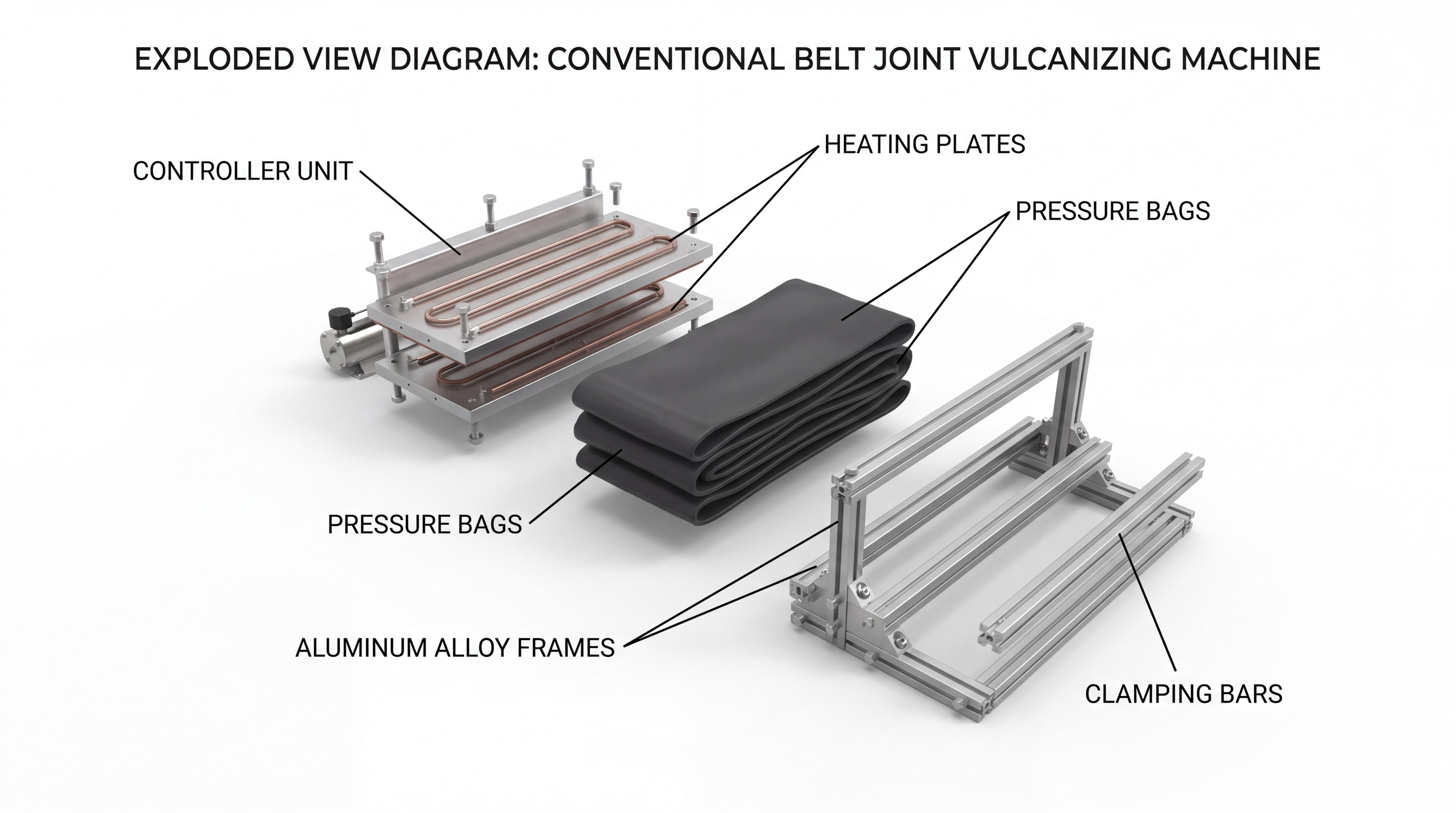
The core components include high-strength aluminum alloy heating plates, a water pressure plate, and an automatic digital control box. A conventional rubber conveyor belt joining machine is built using modular frames that you can assemble quickly on-site. These parts are engineered to withstand extreme pressures without warping or leaking.
What is the role of the automatic electric control box?
The control box acts as the brain of the machine, regulating the timing and power output to the heating elements. It features an LCD digital display and indicator lamps to guide you through the automatic curing process.
- Preset your desired curing time and temperature.
- Monitor the real-time heat rise on the display.
- Receive automatic alerts once the cycle is complete.
How do high-strength aluminum plates ensure stability?
The plates use a refined aluminum alloy that is 1/3 lighter than traditional steel, yet offers superior thermal conductivity. This material choice ensures your steel cord conveyor belt joints are cured evenly without the heavy lifting requirements of old equipment.
Key Takeaway: Modular components and advanced alloys allow for a simpler installation process while maintaining professional-grade thermal performance.
| Component | Material/Type | Primary Function | |
|---|---|---|---|
| Heating Plate | Aluminum Alloy | Thermal distribution | |
| Control Box | LCD Digital | Process regulation | |
| Pressure Plate | Water-Fed | Compression force |
Check your spare parts list against these core components to prevent delays during emergency belt repairs.
Is a conventional rubber conveyor belt joining machine portable?
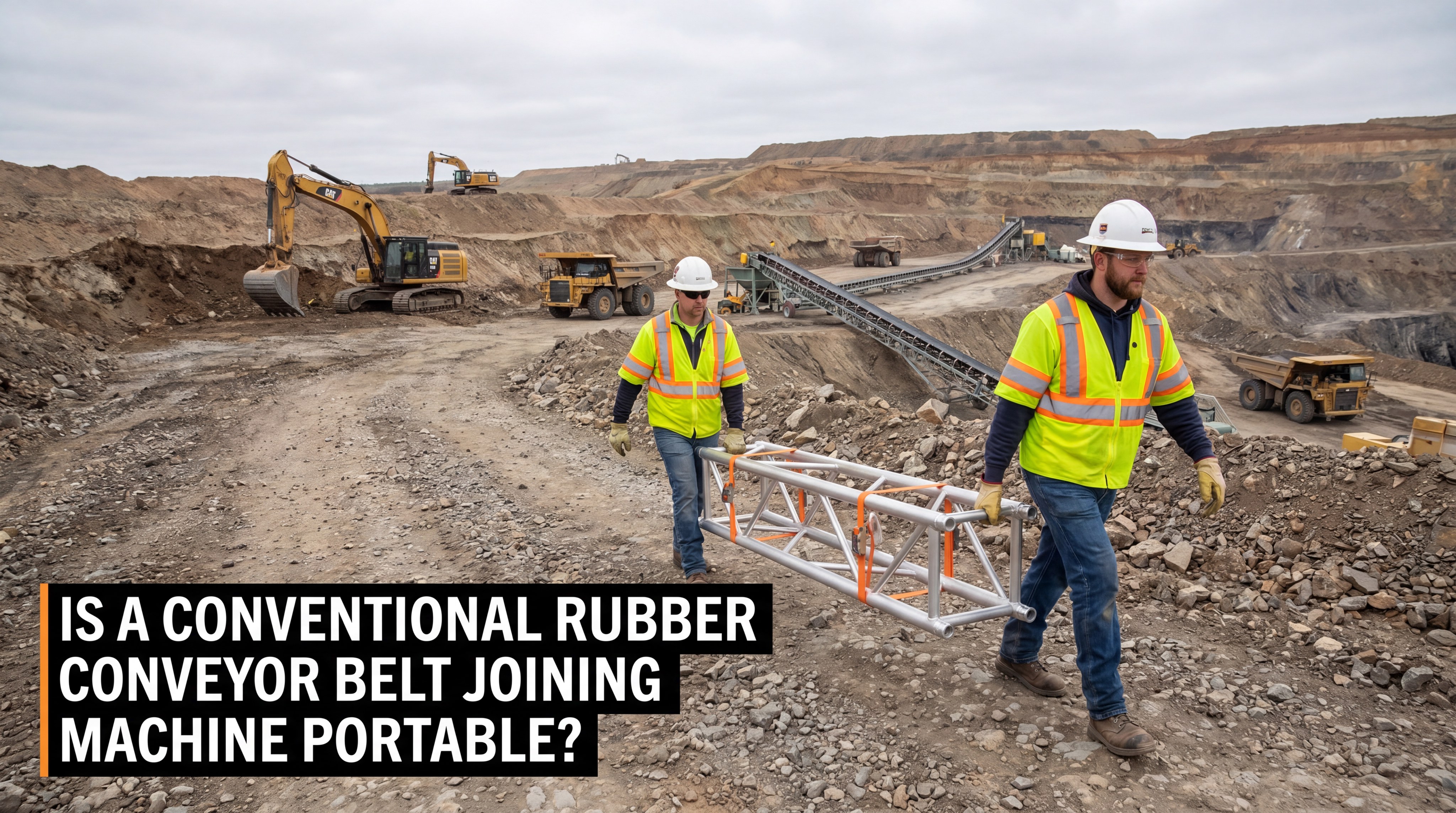
Yes, modern machines are designed with high-strength, lightweight aluminum alloys that reduce the total weight by approximately 50% compared to traditional models. Your field technicians can easily transport a conventional rubber conveyor belt joining machine to remote mine sites or difficult-to-reach underground locations. This portability does not compromise the 1.5 MPa pressure capacity required for high-density bonding.
How much weight reduction can field technicians expect?
You can expect a weight reduction of at least 1/3 compared to original steel-framed vulcanizers, making it a two-man lift for most modules. This is essential for safety when working in the mining industry solutions sector where access is often restricted. Here is why it matters:
- Reduced risk of back injuries for your crew.
- Faster setup times in tight conveyor galleries.
- Lower logistics costs for transporting equipment between sites.
Are vertical waterproof designs better for outdoor sites?
Vertical double-deck waterproof technology protects the electrical components from rain, dust, and direct sun. You can operate the machine in severe weather conditions without worrying about short circuits or control box failure.
Key Takeaway: Enhanced portability and weather-resistant designs ensure you can perform high-quality repairs regardless of your location or the climate.
| Part | Aluminum Alloy Weight | Traditional Steel Weight | |
|---|---|---|---|
| Main Frame | ~60 kg | ~100 kg | |
| Heating Plate | ~40 kg | ~85 kg | |
| Total System | 1/2 Reduction | Baseline |
Use this weight comparison to determine the necessary manpower for your next mobile repair mission.
Can a conventional rubber conveyor belt joining machine save energy?
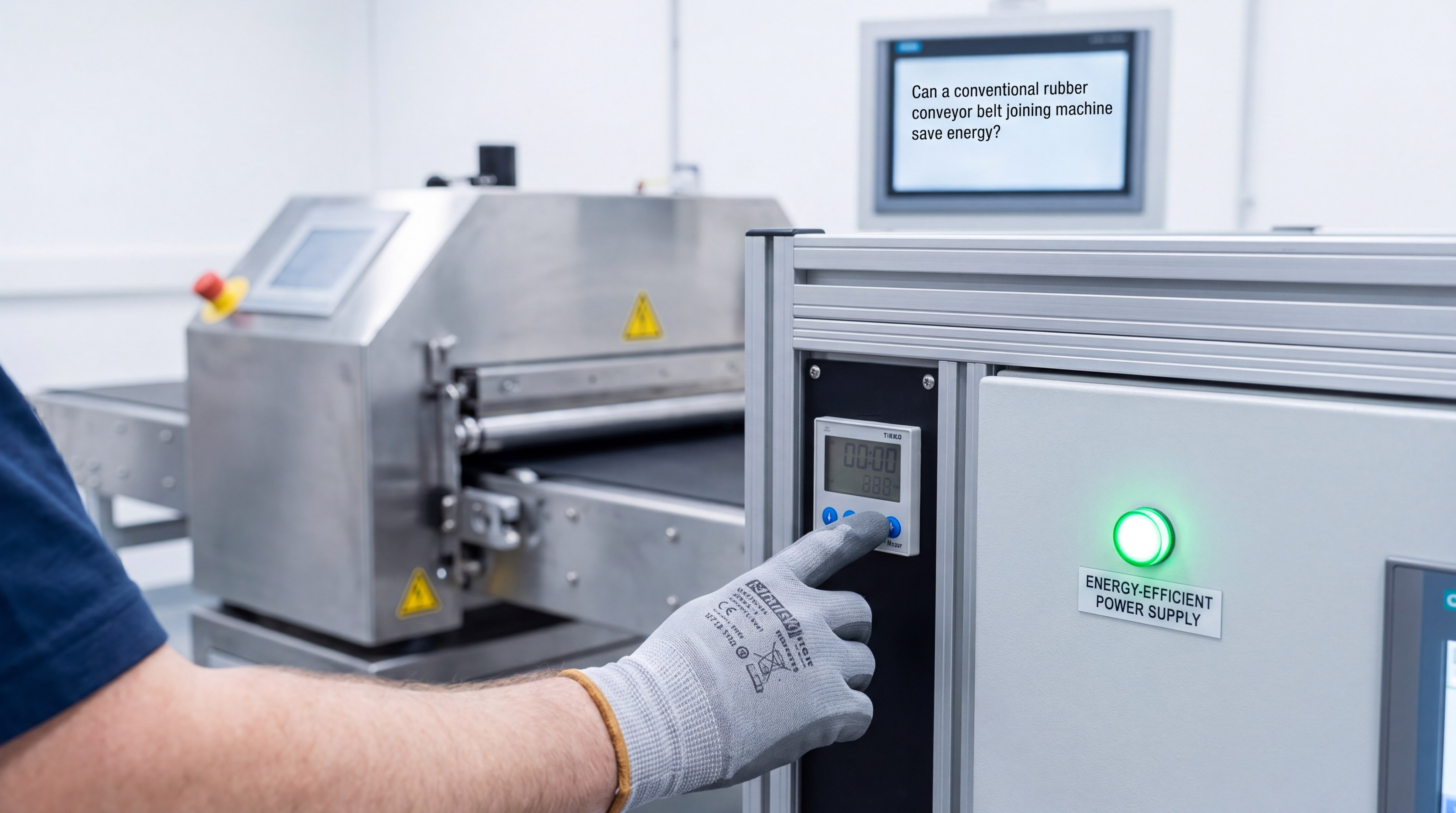
These machines save energy by utilizing advanced heating layers that consume nearly half the power of older, less efficient industrial models. By using a conventional rubber conveyor belt joining machine , you benefit from a “three-in-one” heating structure that minimizes heat loss to the surrounding environment. This efficiency allows the plates to reach the required 145°C temperature in less than 25 minutes.
Are modern heating layers more efficient than older models?
Modern heating elements are embedded directly into the aluminum plates to ensure maximum thermal transfer. You no longer waste energy heating massive steel frames that don’t contribute to the bonding process.
- Direct contact heating reduces warm-up time.
- Insulation layers prevent energy leakage.
- Precise thermostats stop power consumption the moment target heat is reached.
How does digital timing reduce unnecessary power consumption?
The LCD control box allows you to preset the exact timing required for your specific chevron conveyor belt thickness. Once the curing time is up, the system automatically shuts off the power, preventing over-curing and wasted electricity.
Key Takeaway: Energy-efficient components and automatic shut-off features significantly reduce the operational costs of your repair projects.
| Power Metric | Old Steel Unit | Modern Aluminum Unit | |
|---|---|---|---|
| Warm-up Time | 50+ Minutes | <25 Minutes | |
| Power Rating | 72 kW | 36 kW | |
| Energy Waste | High (Uninsulated) | Low (Three-in-One) |
Consult this efficiency guide when calculating the generator capacity needed for remote site repairs.
Does a conventional rubber conveyor belt joining machine use water?
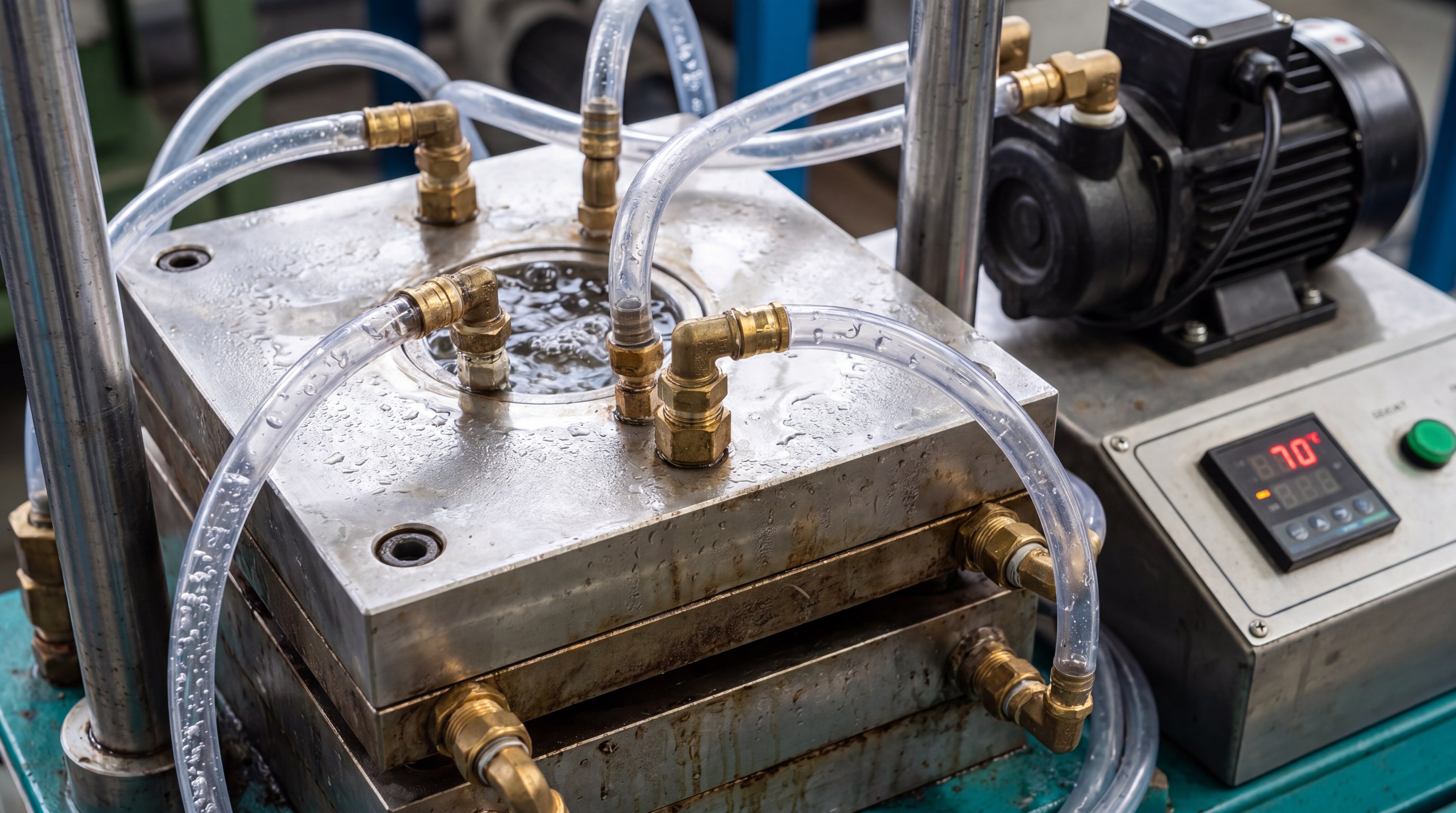
The machine uses water for two critical functions: applying uniform hydraulic pressure and enabling a rapid cooling cycle. A conventional rubber conveyor belt joining machine features a DC water cooling device that can drop the plate temperature from 145°C to 70°C in just 15 minutes. This saves you valuable hours during each repair, as you don’t have to wait for the machine to cool naturally.
How does the DC water cooling cycle speed up the process?
By circulating cool water through internal channels in the heating plates, you can remove residual heat much faster than air cooling. You can release the pressure and move the machine sooner, which is a major advantage for busy production lines.
- Rapid cooling prevents the belt from staying in the “danger zone” of heat too long.
- It protects the white conveyor belt surfaces from discoloration.
- Your technicians can pack up the equipment much earlier.
Is the internal water pressure plate tested for leaks?
Every water pressure plate undergoes rigorous high-pressure testing at 1.875 MPa for at least 30 minutes. This ensures that you will never have a leak that could damage the sensitive electrical components or ruin the splice.
Key Takeaway: Integrated water systems provide both the force needed for bonding and the speed needed for rapid equipment disassembly.
| Cycle Phase | Natural Cooling | DC Water Cooling | |
|---|---|---|---|
| Temp Drop | 145°C to 70°C | 145°C to 70°C | |
| Time Required | 60-90 Minutes | 15 Minutes | |
| Wait Time | High | Minimal |
Refer to these cooling times to more accurately predict the total duration of your conveyor downtime.
Why use a conventional rubber conveyor belt joining machine for EP?
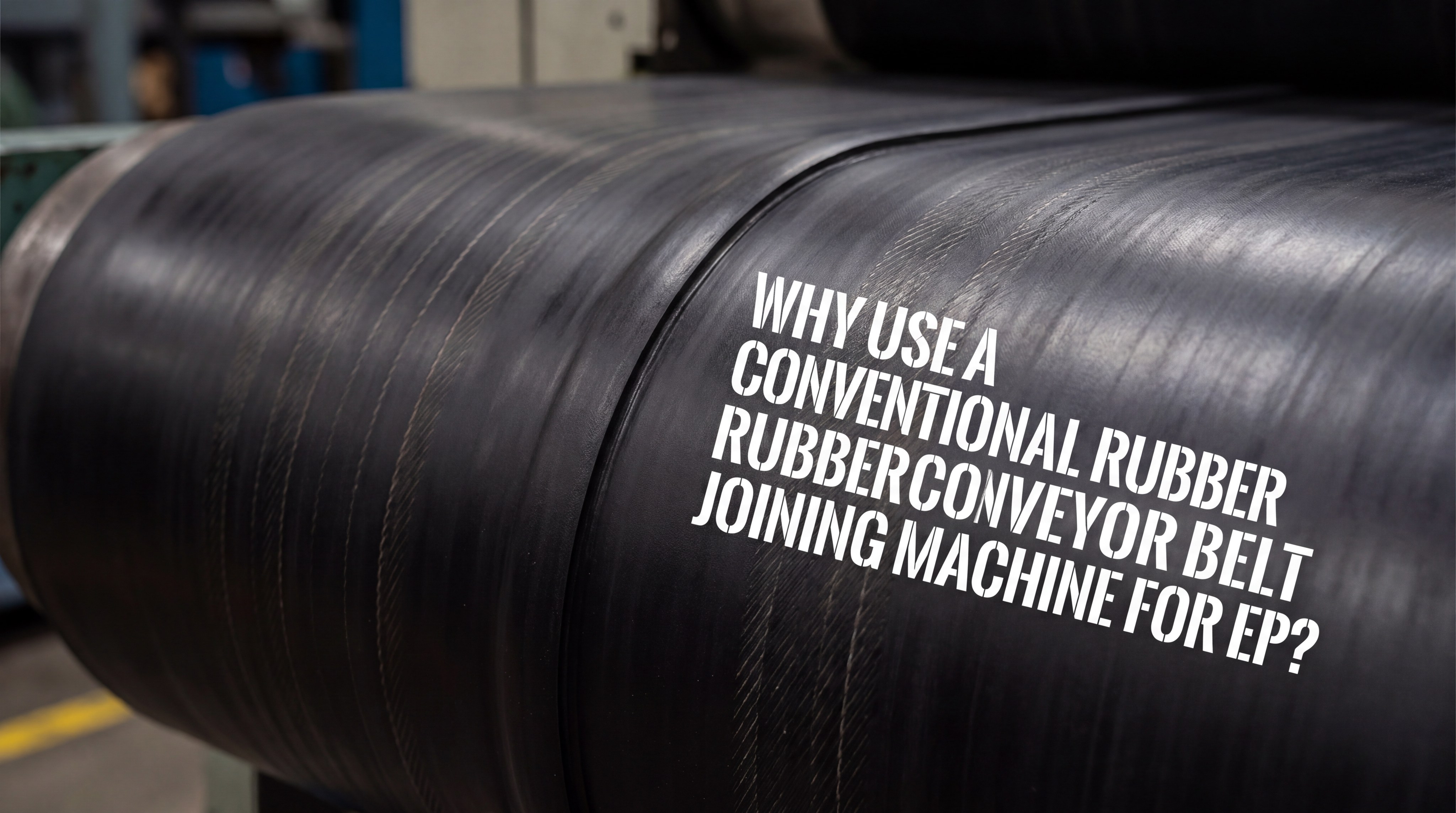
EP (Polyester) belts require the precise temperature control provided by these machines to prevent the synthetic fibers from shrinking or melting. Utilizing a conventional rubber conveyor belt joining machine ensures that the heat penetrates all layers of the fabric carcass without creating hot spots. This creates a balanced joint that can handle the high-speed demands of modern material handling.
Is it compatible with heavy-duty steel cord belts?
While EP belts are common, these machines are also the industry standard for high-tension steel cord joints. The 1.5 MPa pressure is specifically designed to force rubber compounds into the gaps between the steel cables for a perfect anchor.
- High pressure ensures no voids exist around the cords.
- Even heating prevents cord misalignment during the cure.
- Long heating plates allow for the extended splice lengths required for steel.
Can it handle specialized chevron or sidewall patterns?
You can use custom-contoured heating plates or specialized filler rubber to vulcanize joints on patterned belts. This versatility makes it the most flexible tool in your industrial belt maintenance arsenal.
Key Takeaway: Precise thermal and pressure regulation makes this equipment suitable for the full range of textile and steel-reinforced belts.
| Belt Type | Recommended Splice Method | Machine Benefit | |
|---|---|---|---|
| EP / NN | Step Splice | Fabric fiber protection | |
| Steel Cord | Finger Splice | Deep cord penetration | |
| PVC / PVG | Hot Vulcanization | Chemical fusion |
Use this selection guide to confirm that your current vulcanizer is appropriate for your specific belt inventory.
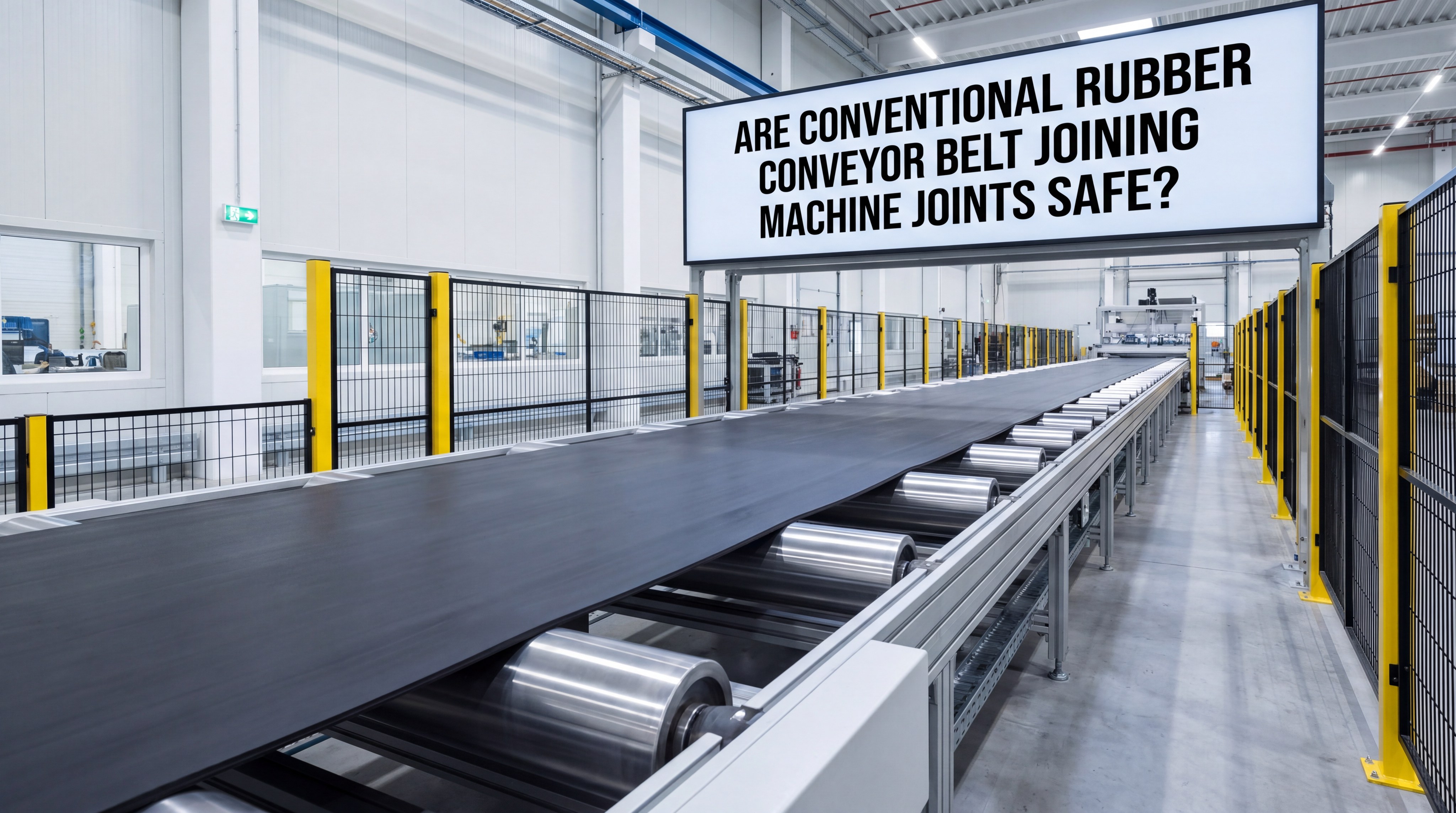
Are conventional rubber conveyor belt joining machine joints safe?
Vulcanized joints are the safest option because they eliminate the risk of fasteners pulling out and causing catastrophic belt failure. A conventional rubber conveyor belt joining machine creates a joint that is as flexible as the rest of the belt, meaning it passes over rollers and through scrapers without any impact force. This safety profile is why vulcanization is mandatory in many high-speed and high-capacity industrial environments.
Do vulcanized joints prevent hazardous material spillage?
Because the joint is flush and seamless, there are no gaps where fine particles or liquids can leak through. This is particularly important when you are conveying corrosive or abrasive materials in the cement industry . But that’s not all.
- No edges for material to build up and cause fire risks.
- Smooth transition reduces dust generation at rollers.
- Perfect seal protects the conveyor structure from spillage.
How does a smooth joint surface protect conveyor rollers?
Smooth joints prevent the constant “hammering” effect that mechanical splices have on your idlers and pulleys. You will notice a significant increase in the life of your bearings and roller shells after switching to vulcanization.
Key Takeaway: Seamless joints protect your staff from sudden belt snaps and your equipment from the vibration damage caused by mechanical fasteners.
| Safety Risk | Mechanical Splice | Vulcanized Joint | |
|---|---|---|---|
| Splice Pull-out | High Risk | Negligible | |
| Material Spillage | Potential Gaps | Zero Gaps | |
| Component Impact | Constant Vibration | Smooth Travel |
This safety matrix helps justify the shift toward vulcanization for high-risk or high-capacity conveying systems.
How fast is a conventional rubber conveyor belt joining machine?
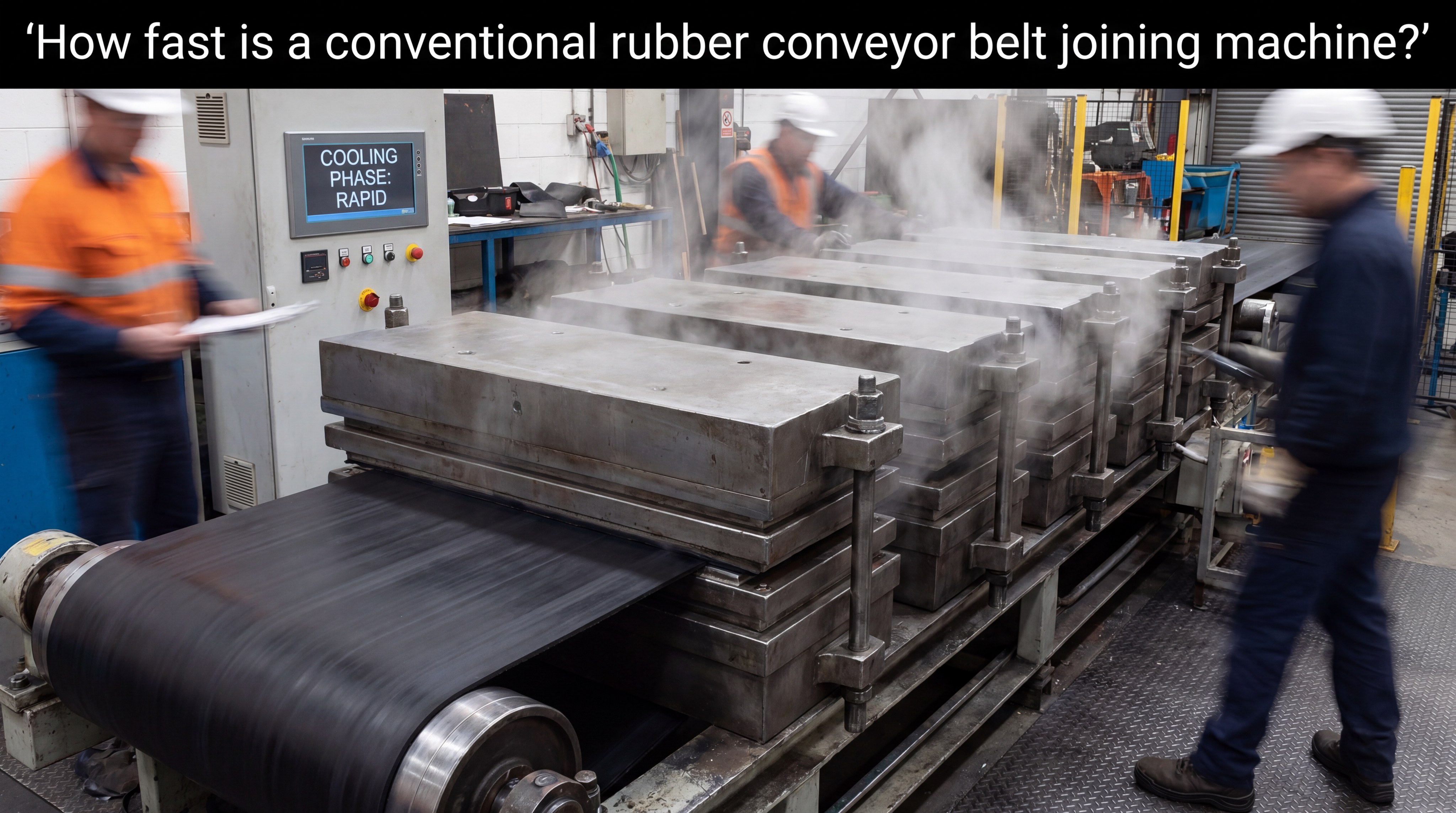
The speed of the process is primarily determined by the heating and cooling times, which have been significantly optimized in modern designs. Using a conventional rubber conveyor belt joining machine , you can reach the 145°C vulcanization temperature in as little as 25 to 50 minutes. When you factor in the 15-minute rapid water cooling phase, the total turnaround time for a complete repair is drastically shorter than traditional methods.
What is the typical heating time to reach 145 degrees?
For a standard 1000mm belt, you can expect the heating plates to reach target temperature in approximately 25 minutes. This rapid response time is due to the high-efficiency heating elements and the superior conductivity of the aluminum alloy plates.
- 380V / 36kW output ensures consistent power delivery.
- Parallelism of 0.03mm ensures no heat is lost to air gaps.
- Digital controls eliminate the time spent manually adjusting heat.
How quickly can the cooling system reach 70 degrees?
The integrated DC water pump circulates cold water to bring the temperature down to 70°C in about 15 minutes. Here is why it matters:
- You can begin disassembly while the belt is still warm.
- Total shutdown time is reduced by up to 2 hours per joint.
- The machine is ready for the next joint much faster.
Key Takeaway: High-power heating and rapid water cooling technology combined to minimize the “dead time” during your conveyor maintenance windows.
| Phase | Duration (Mins) | Primary Advantage | |
|---|---|---|---|
| Heat Up | 25 – 50 | Fast-start curing | |
| Vulcanization | 15 – 30 | Chemical cross-linking | |
| Cool Down | 15 | Quick-release disassembly |
Use these time estimates to plan more efficient maintenance windows and improve your facility’s overall productivity.
Where to buy a conventional rubber conveyor belt joining machine?
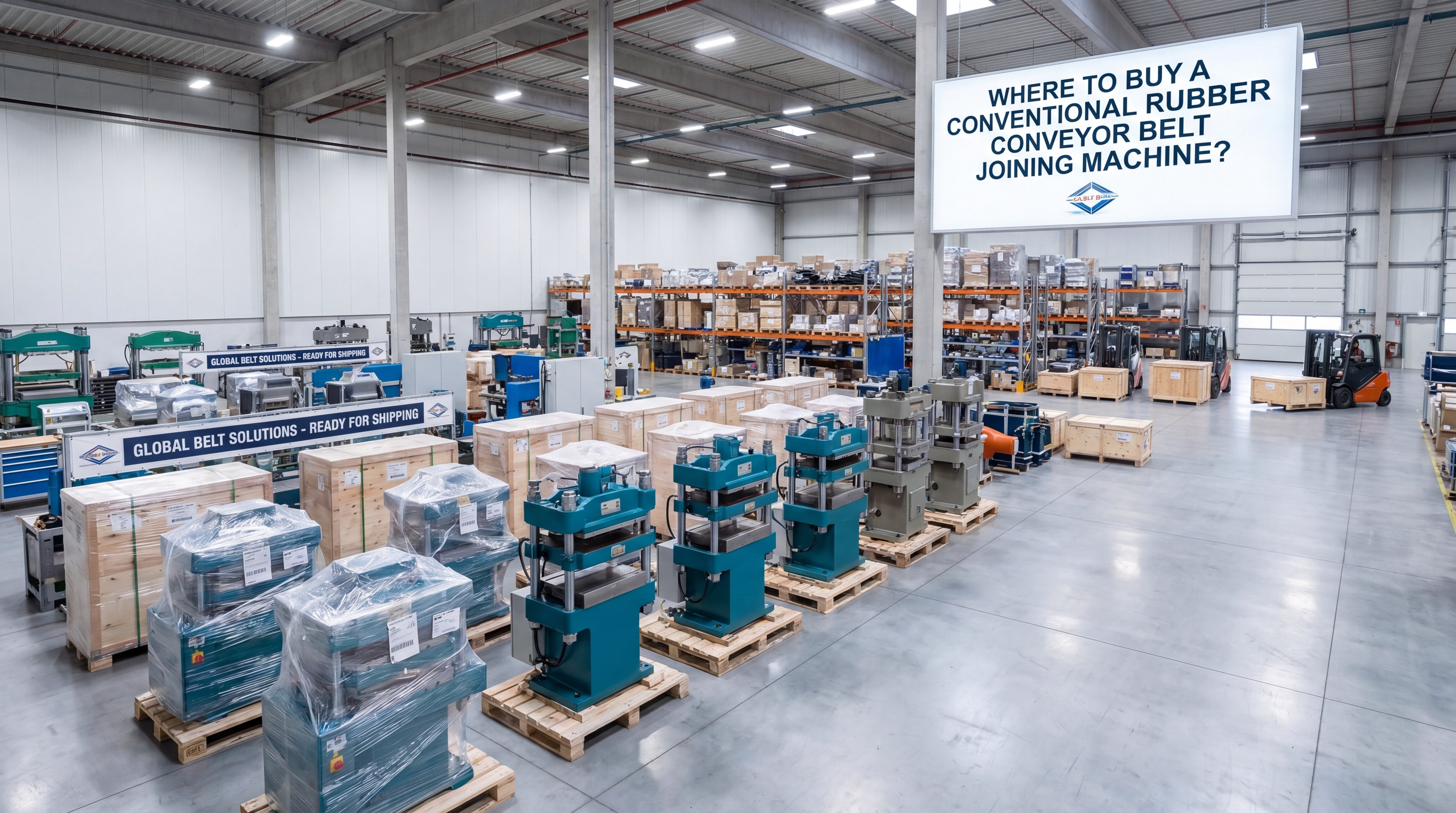
You should buy from established manufacturers who provide comprehensive technical specifications and long-term technical support. A conventional rubber conveyor belt joining machine should be selected based on your maximum belt width and the specific pressure requirements of your facility. Look for suppliers who offer ISO-certified equipment and a complete list of machine spares to ensure you can maintain the unit for years to come.
Do manufacturers offer custom sizes for wider belts?
Standard models support widths from 650mm up to 2200mm, but you can request custom plate lengths and widths for non-standard systems. It is vital to match the plate size to your belt width to ensure the entire splice area is covered.
- 1000mm width belts typically require 14.4 kW power.
- 2000mm width belts scale up to 26.76 kW.
- Custom frames can be built for ultra-wide port conveyors.
What technical support services should you look for?
You need a partner who offers guidance on belt selection and drawing-based quotations. Ensure your supplier can provide testing reports and samples to verify the quality of the vulcanized joints they produce.
Key Takeaway: Choosing a manufacturer with direct factory experience and a dedicated engineering team ensures you receive a machine tailored to your exact industrial needs.
| Belt Width (mm) | Power (kW) | Heaviest Part (kg) | Plate Size (mm) | |
|---|---|---|---|---|
| 800 | 11.46 | 70 | 830 x 980 | |
| 1400 | 18.96 | 113 | 830 x 1640 | |
| 2200 | 29.70 | 174 | 830 x 2510 |
Analyze this sizing chart to identify the specific machine model required for your current conveyor infrastructure.
Investing in a professional vulcanizing system is the most effective way to eliminate the weak links in your material handling chain. By prioritizing uniform heat, high pressure, and rapid cooling, you ensure your conveyor belts remain operational for years, significantly reducing your Total Cost of Ownership (TCO). Our goal is to provide you with the engineering expertise and high-performance equipment needed to maximize your uptime and worker safety. To optimize your facility’s belt joints and reduce maintenance costs, contact us today for a custom solution.
Frequently Asked Questions (FAQ)
1. Can I use this machine for on-site repairs?Yes. The aluminum alloy construction makes the modules portable enough for field technicians to transport to remote mine sites or underground galleries.
2. What is the best way to maintain the heating plates?You should keep the working surfaces clean of debris and ensure the water channels are flushed after use to prevent mineral buildup and maintain cooling efficiency.
3. Can I adjust the pressure for different belt types?Yes. While 1.5 MPa is the industrial standard, the water pressure system allows for fine-tuning based on the specific thickness and compound of your belt.
4. What is the best temperature for standard rubber belts?Most industrial conveyor belts cure perfectly at 145°C. The digital control box allows you to preset this exactly to prevent under-curing or thermal damage.
5. Can I vulcanize a belt in humid or rainy conditions?Yes, provided you use a model with vertical double-deck waterproof technology. The electrical components are shielded to ensure safe operation in severe weather.