
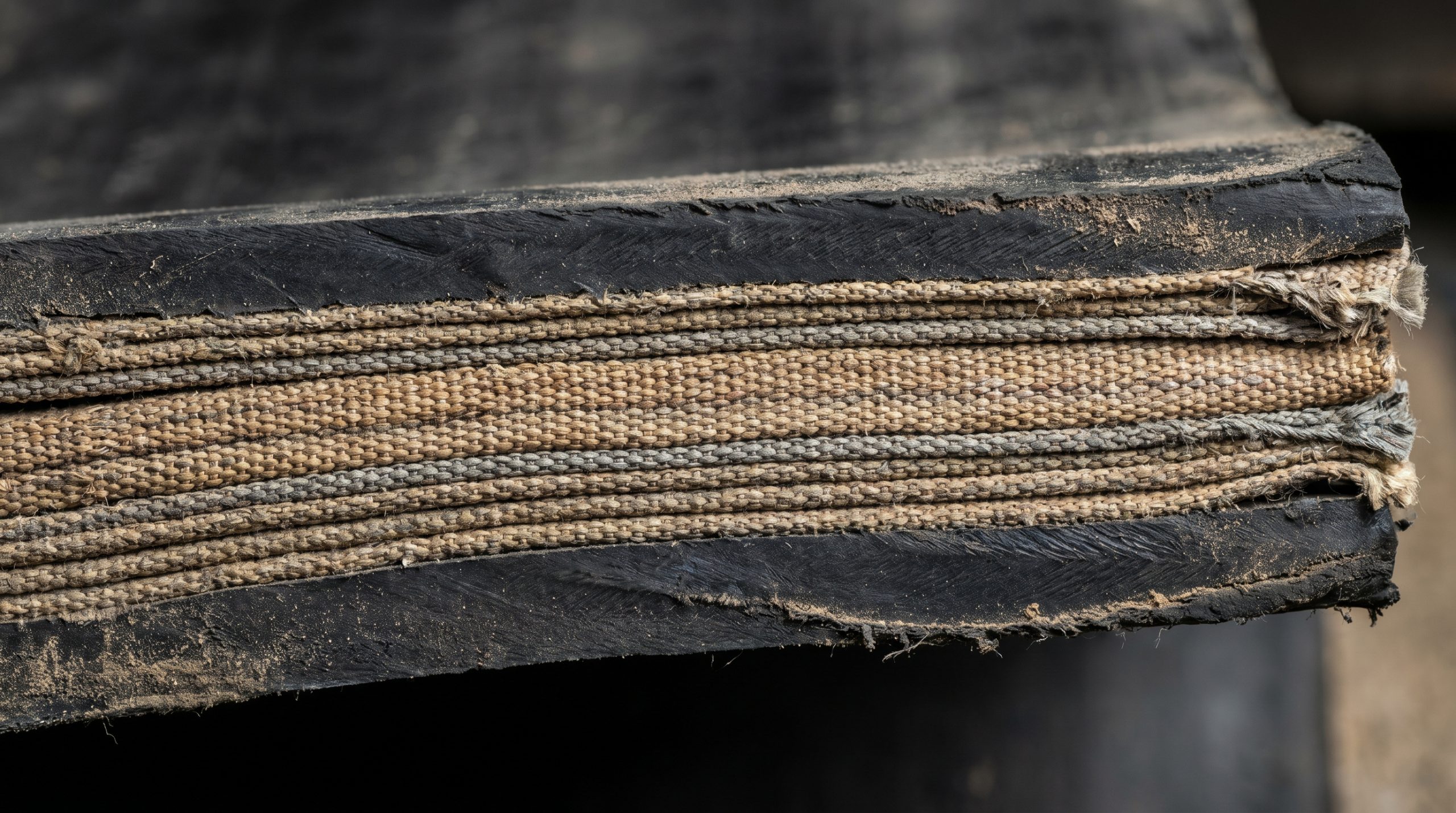
A canvas reinforced rubber conveyor belt is a heavy-duty material handling solution engineered for high-temperature industrial environments where standard conveyor belts often fail. Built with a durable fabric carcass and heat-resistant rubber cover, these conveyor belts provide excellent tensile strength, dimensional stability, and long-term durability under extreme thermal and mechanical stress. Widely used in plaster casting, manufacturing, and bulk material handling applications, a canvas reinforced rubber conveyor belt helps prevent belt deformation, reduce maintenance downtime, and ensure smooth, continuous production flow in demanding operating conditions.
What is a canvas reinforced rubber conveyor belt?
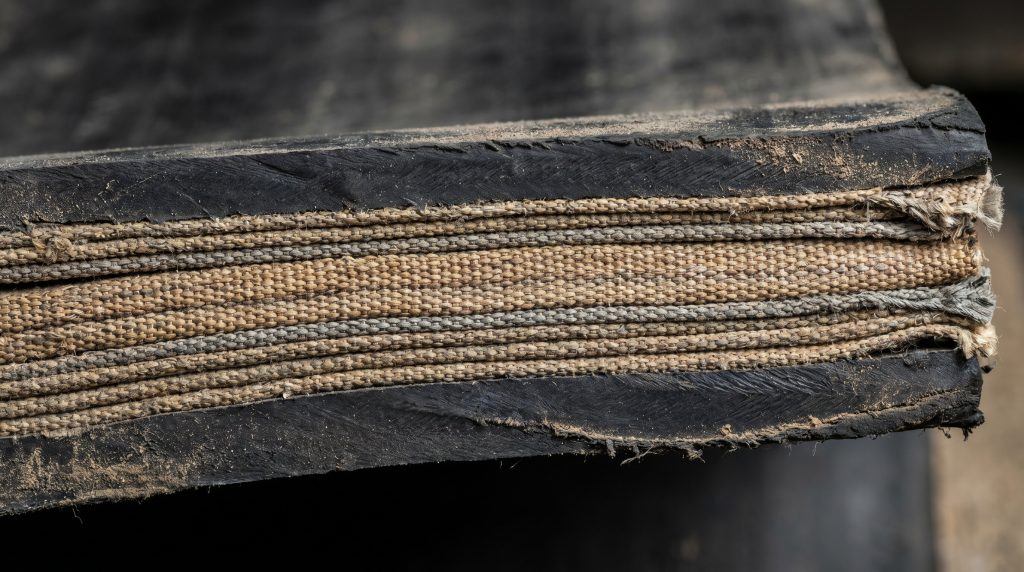
This belt is a specialized transport tool consisting of multiple plies of heavy-duty cotton or fabric encased in a heat-resistant rubber compound. You will find that a canvas reinforced rubber conveyor belt utilizes natural fibers to provide a unique combination of flexibility and breathability. These structural properties are essential for applications where the belt must track perfectly while resisting extreme temperatures.
What are the primary structural layers?
Think about it. The integrity of your system depends on how well these layers bond together under pressure.
- The Carcass: Multiple plies of woven canvas providing the primary tensile strength.
- The Cover: Heat-resistant rubber layers that protect the internal fabric from abrasion.
- Bonding Layers: Specialized adhesives that ensure the rubber and canvas remain inseparable.
Key Takeaway: The structural synergy between natural canvas and rubber covers allows for superior heat dissipation and dimensional stability in heavy-duty casting lines.
| Component | Function | |
|---|---|---|
| Carcass | Tensile strength and flexibility | |
| Rubber Cover | Thermal shield and abrasion resistance | |
| Adhesion Plies | Prevents delamination under stress |
The multi-ply construction ensures that your belt maintains its shape even when carrying heavy plaster molds through high-heat zones.
How does the canvas reinforced rubber conveyor belt work?
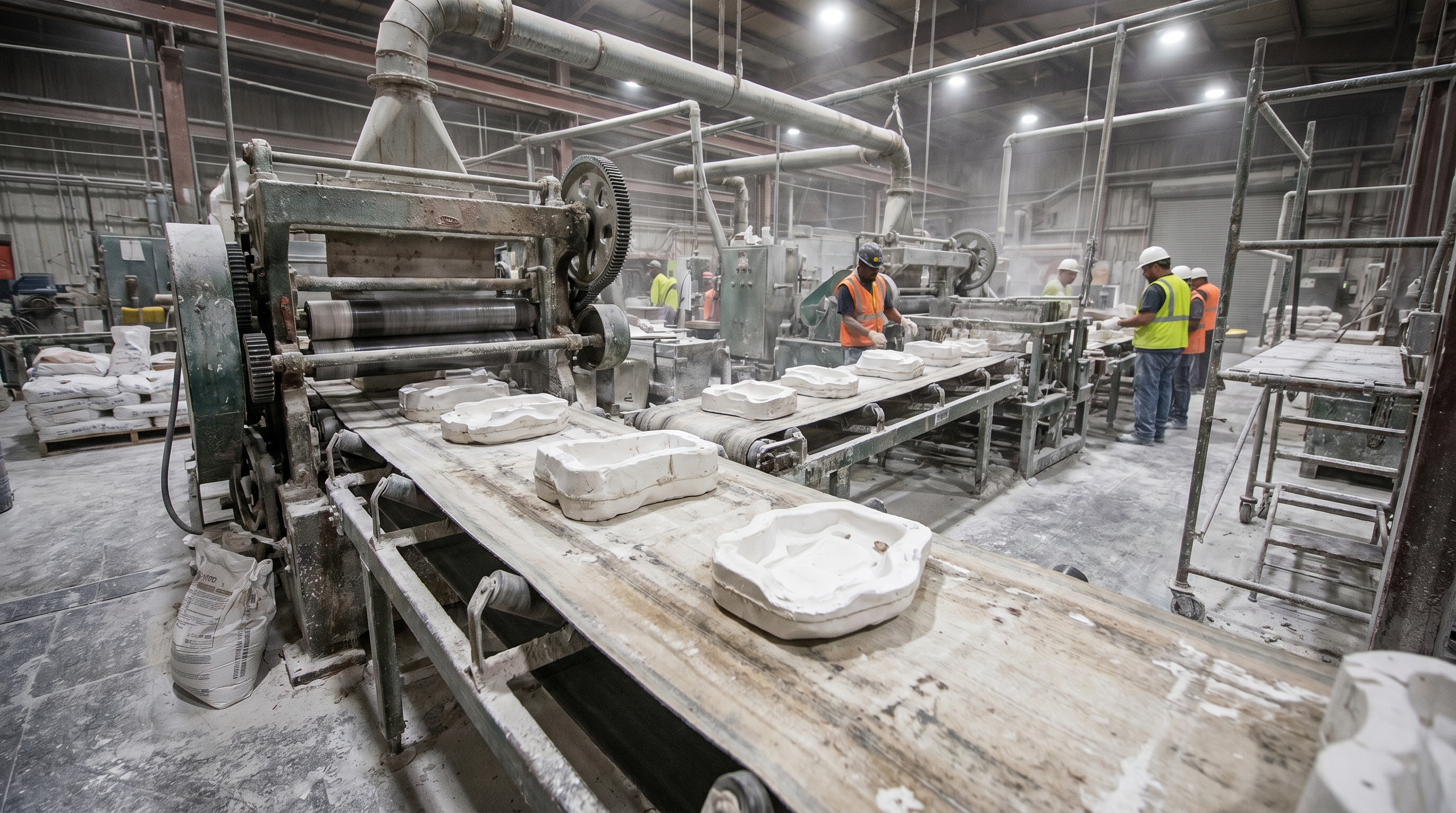
It works by using its high-tensile fabric core to maintain dimensional stability while moving plaster molds through extreme temperature zones. The canvas reinforced rubber conveyor belt stabilizes delicate molds during the liquid pouring phase to prevent surface irregularities. You can rely on the smooth, flat surface to reduce vibrations that might otherwise cause defects in your finished casts.
How does it support precision pouring?
But that’s not all. Precise movement is the secret to a high-quality casting result every single time.
- Steady Speed: Variable drives allow for constant, slow-speed mold filling.
- Vibration Control: The fabric layers absorb machine hum to settle the plaster.
- Air Removal: Controlled movement helps remove bubbles during the setting phase.
Key Takeaway: By providing a stable and vibration-free platform, these belts directly improve the quality and yield of your plaster casting operations.
| Operational Phase | Belt Action | |
|---|---|---|
| Mix Prep | Constant speed transport | |
| Mold Filling | Zero-slip surface stability | |
| Setting/Cooling | Heat dissipation via fabric breathability |
The mechanical design of the fabric core ensures that the belt does not stretch, which is vital for maintaining timing in automated casting lines.
Why choose a canvas reinforced rubber conveyor belt?
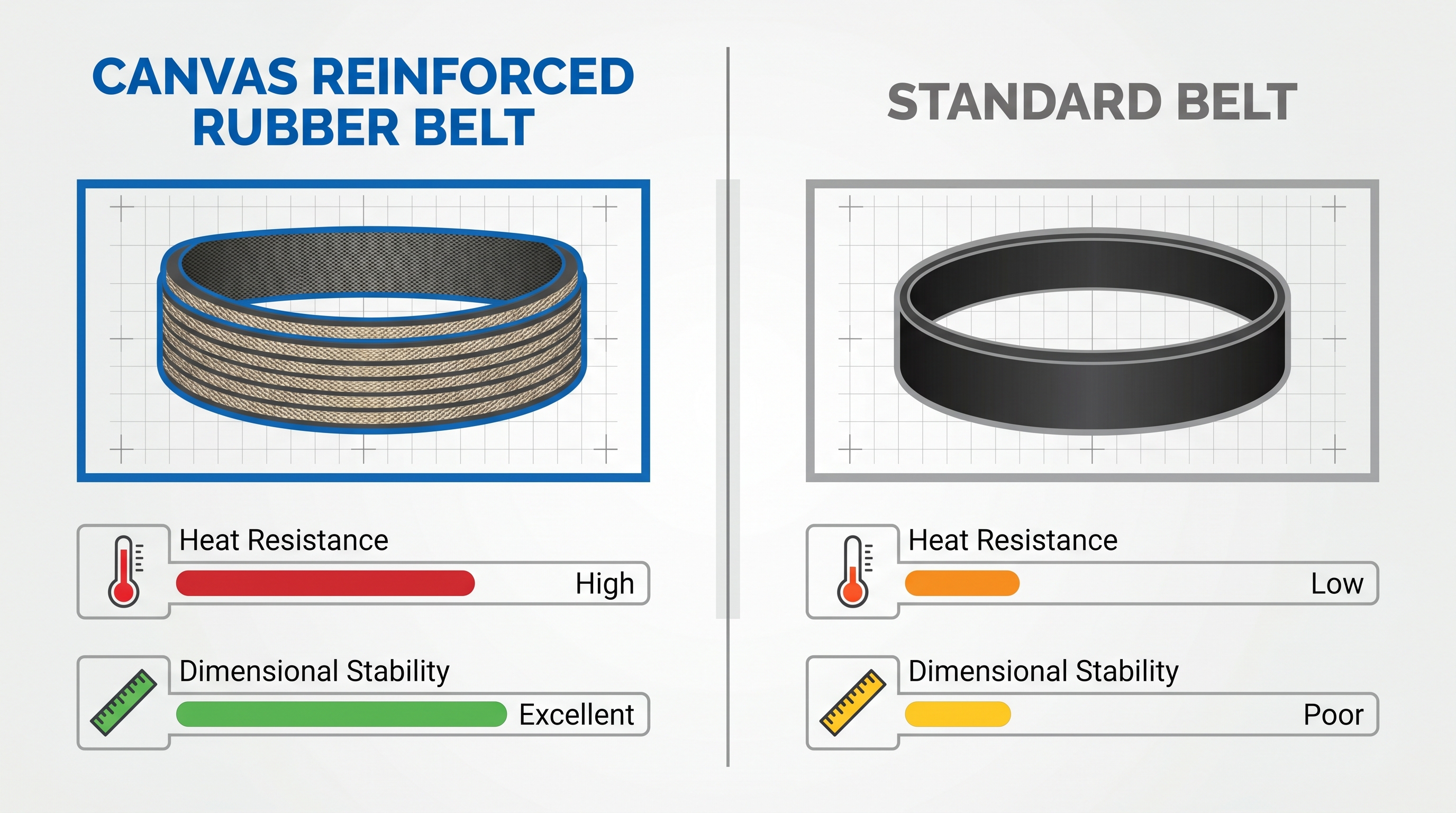
You should choose this belt because the natural properties of the canvas carcass prevent stretching and warping when exposed to temperatures exceeding 200°C. A canvas reinforced rubber conveyor belt serves as a thermal shield, protecting the internal fabric from degradation. This allows your facility to operate continuously without the risk of the belt becoming brittle.
What makes it cost-effective?
Let’s be honest. You need a solution that balances high performance with long-term savings on maintenance and replacement parts.
- Low Stretch: Reduces the need for frequent tensioning and manual adjustments.
- Impact Resistance: Absorbs the shock of heavy molds being placed on the line.
- Repairability: These belts are significantly easier to lace or vulcanize in the field.
Key Takeaway: Investing in canvas reinforcement reduces your total cost of ownership by extending the service life and decreasing downtime.
| Feature | Operational Benefit | |
|---|---|---|
| Flexibility | Allows for smaller pulley diameters | |
| Heat Resistance | Prevents premature belt failure | |
| Grip Surface | Ensures secure transport of smooth molds |
The ability to withstand high thermal loads without losing tensile strength makes this the most reliable choice for your casting facility.
Where is a canvas reinforced rubber conveyor belt used?
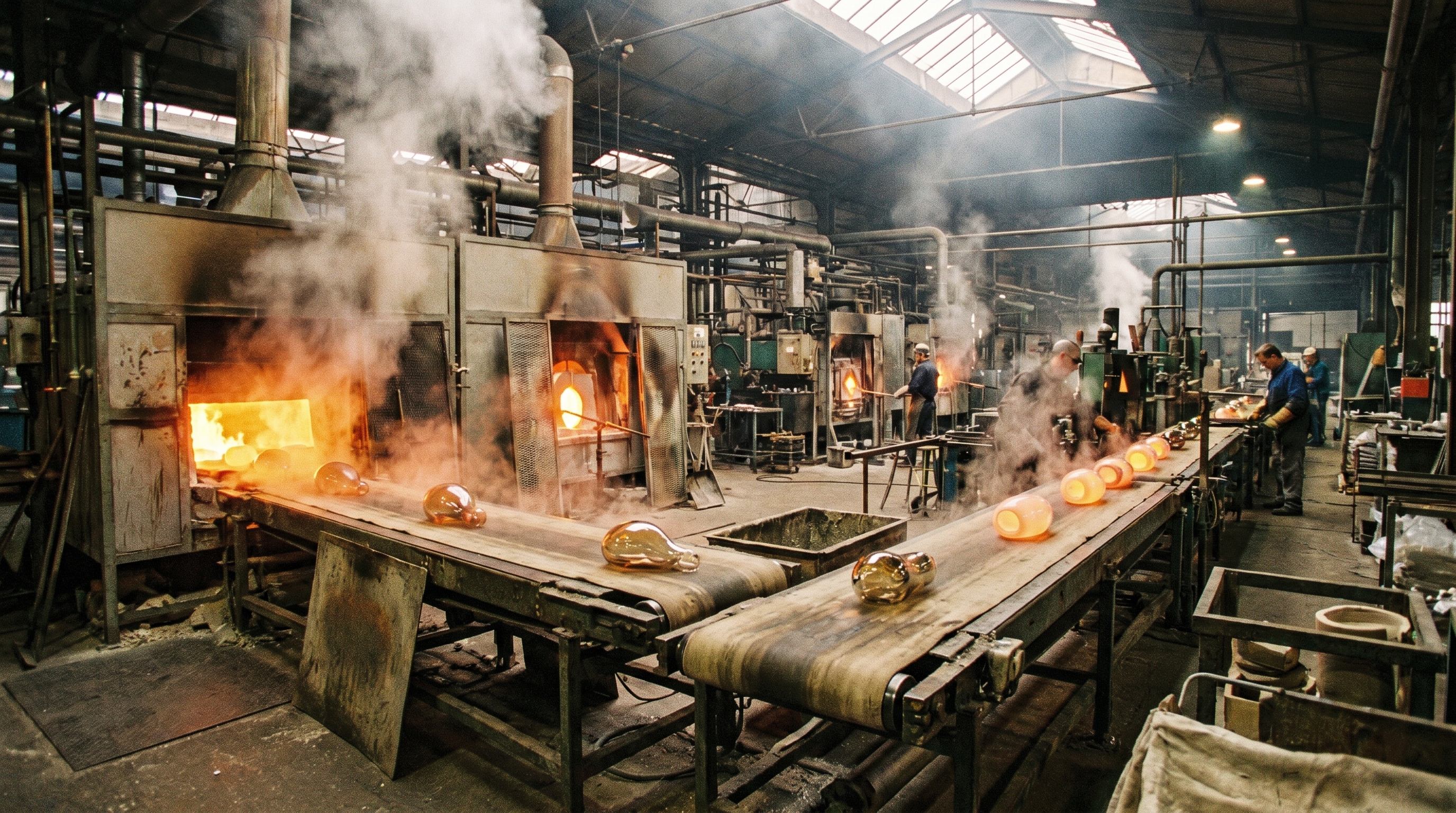
This belt is primarily used in the metallurgy, glass manufacturing, and ceramic industries, as well as specialized plaster production lines. The canvas reinforced rubber conveyor belt is essential for transporting materials directly from furnaces where thermal stress is highest. You will see these systems in drying tunnels and finishing stations where stability is the top priority.
Which industries benefit the most?
You might be wondering if your specific sector can utilize these high-performance belts effectively.
- Ceramics: Moving wet clay through high-temperature drying zones.
- Metallurgy: Carrying sintered metal parts from cooling stations.
- Plaster Casting: Providing a flat base for precision mold setting and curing.
Key Takeaway: The versatility of canvas-reinforced systems makes them indispensable across all sectors involving high-heat material handling.
| Industry Sector | Primary Application | |
|---|---|---|
| Glass Production | Transporting hot containers | |
| Construction | High-volume aggregate and plaster transport | |
| Food Processing | High-temperature oven discharge (Food Grade) |
By matching the belt to your specific industrial environment, you can optimize the flow of materials and reduce bottlenecks.
How is the canvas reinforced rubber conveyor belt made?
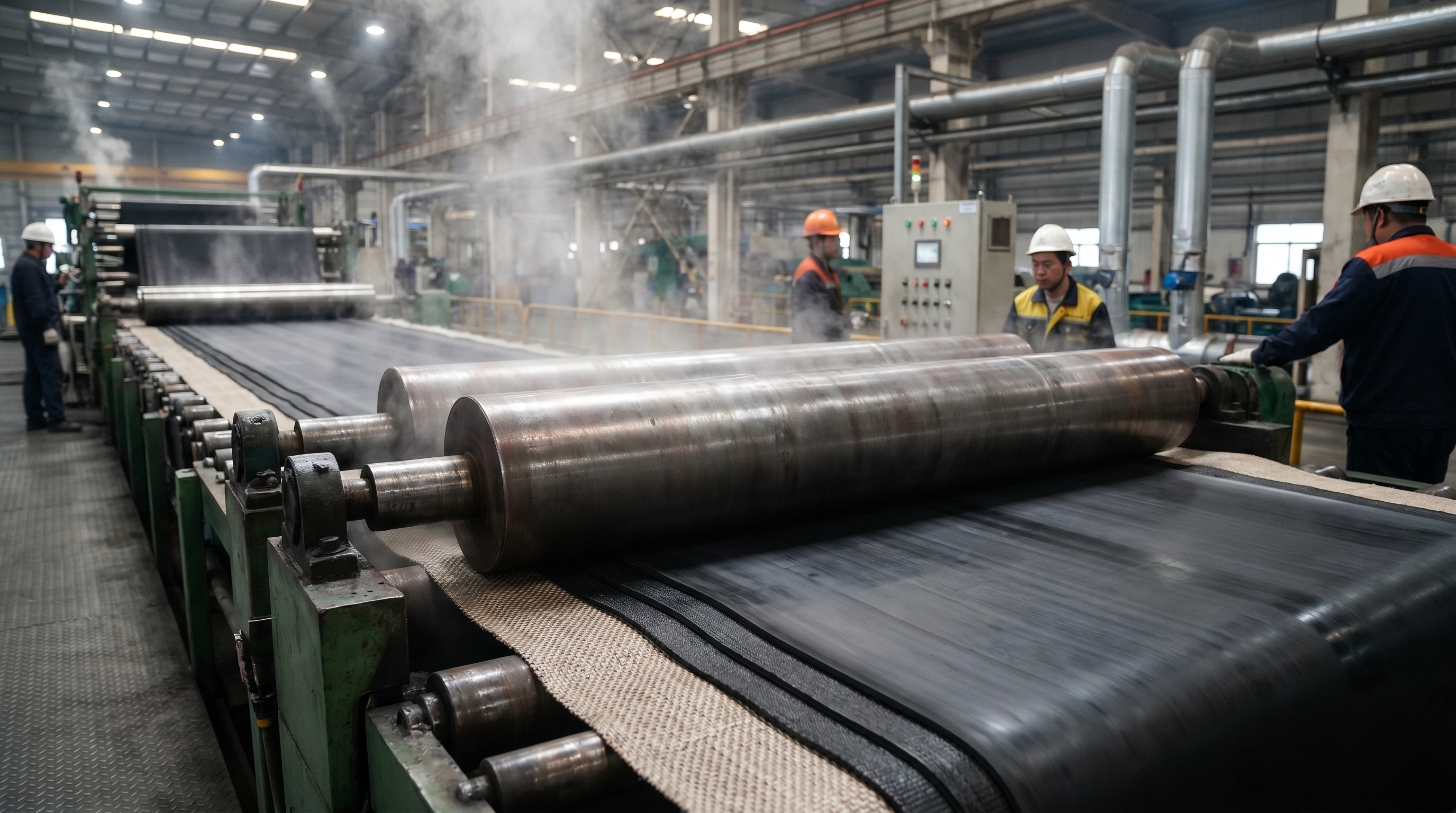
The manufacturing process involves laminating multiple layers of woven fabric with specially formulated rubber compounds under high pressure and heat. Every canvas reinforced rubber conveyor belt is engineered to meet specific tensile requirements based on the number of plies used. You can customize the thickness of the rubber cover to suit the level of abrasion expected in your casting line.
How do ply counts affect performance?
Here’s the catch. Choosing the right thickness is the difference between a belt that lasts months and one that lasts years.
- 2-Ply: Best for light plaster casts and short-distance transport.
- 4-Ply: The standard for medium-duty metallurgy and industrial casting.
- 6-Ply and above: Necessary for heavy industrial loads and long-distance lines.
Key Takeaway: Professional manufacturing allows for deep customization, ensuring your belt’s ply count and cover thickness are perfectly balanced.
| Manufacturing Step | Purpose | |
|---|---|---|
| Calendaring | Ensuring uniform rubber and fabric thickness | |
| Vulcanization | Creating a permanent bond between layers | |
| Slitting | Trimming the belt to your exact width requirements |
The result is a unified structure that provides the flexibility and strength required for complex conveyor paths.
What heat can a canvas reinforced rubber conveyor belt handle?
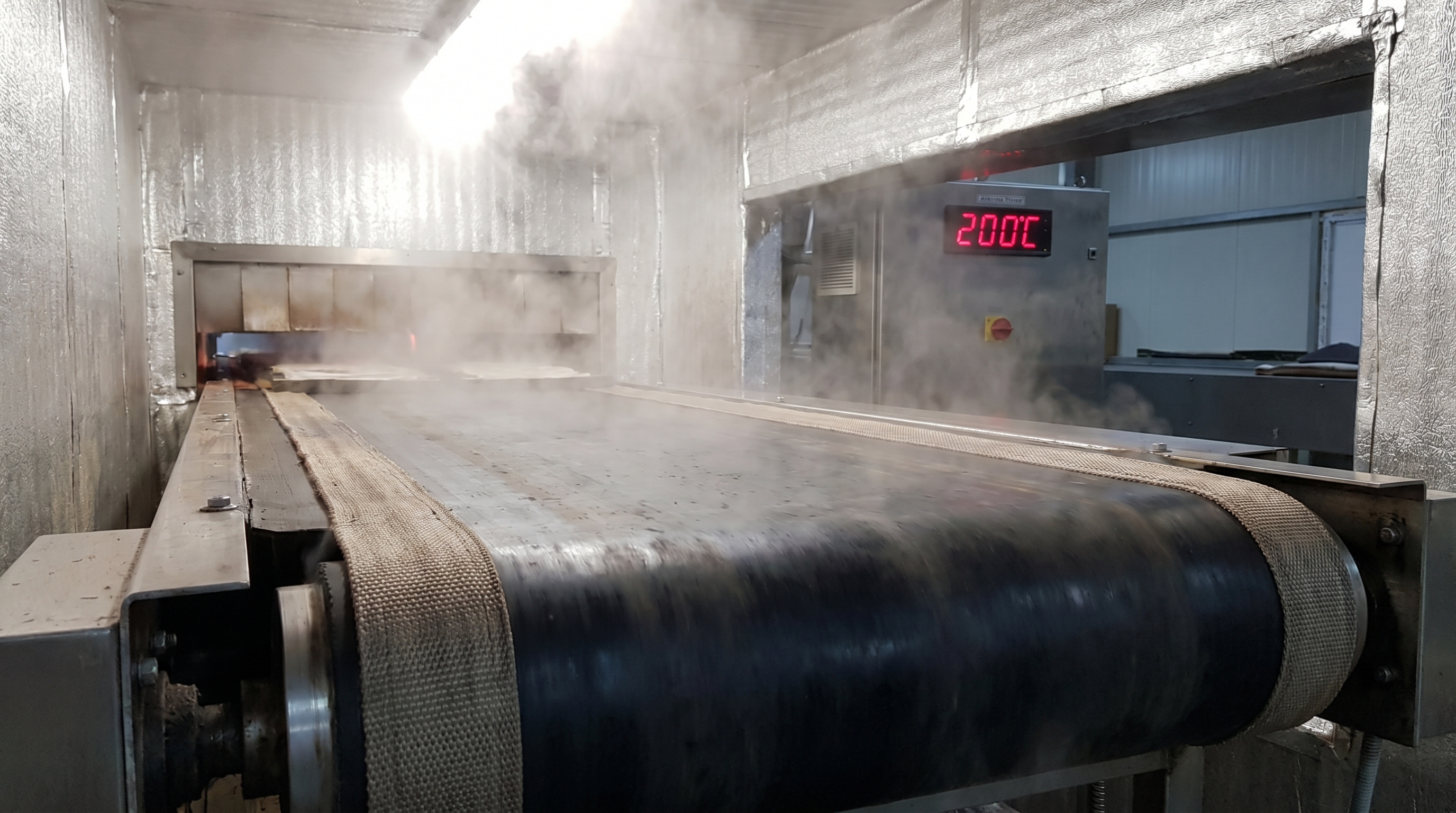
These belts are designed to handle constant temperatures up to 120°C, with peak capabilities reaching as high as 200°C depending on the cover grade. A canvas reinforced rubber conveyor belt often uses EPDM covers to act as a heat shield for the cotton carcass. You will find that this thermal protection prevents the internal fibers from burning or losing their structural integrity.
What are the standard heat ratings?
It’s simple. You must match the belt rating to the actual temperature of the materials you are transporting.
- HR (Heat Resistant): Ideal for materials up to 120°C in standard conditions.
- SHR (Super Heat Resistant): Designed for peak temperatures between 180°C and 200°C.
- Flame Retardant: Necessary for environments with high fire risks or underground mining.
Key Takeaway: Selecting the correct heat rating ensures your belt remains flexible and functional even in the most extreme furnace discharge zones.
| Rating Grade | Temperature Range | Ideal Material | |
|---|---|---|---|
| HR Grade | 100°C – 120°C | Setting Plaster | |
| SHR Grade | 150°C – 200°C | Sintered Metal | |
| EPDM Custom | 200°C+ | Molten Glass / Slag |
Thermal management is the most critical factor in extending the life of your conveyor system and protecting your infrastructure.
How to install a canvas reinforced rubber conveyor belt?
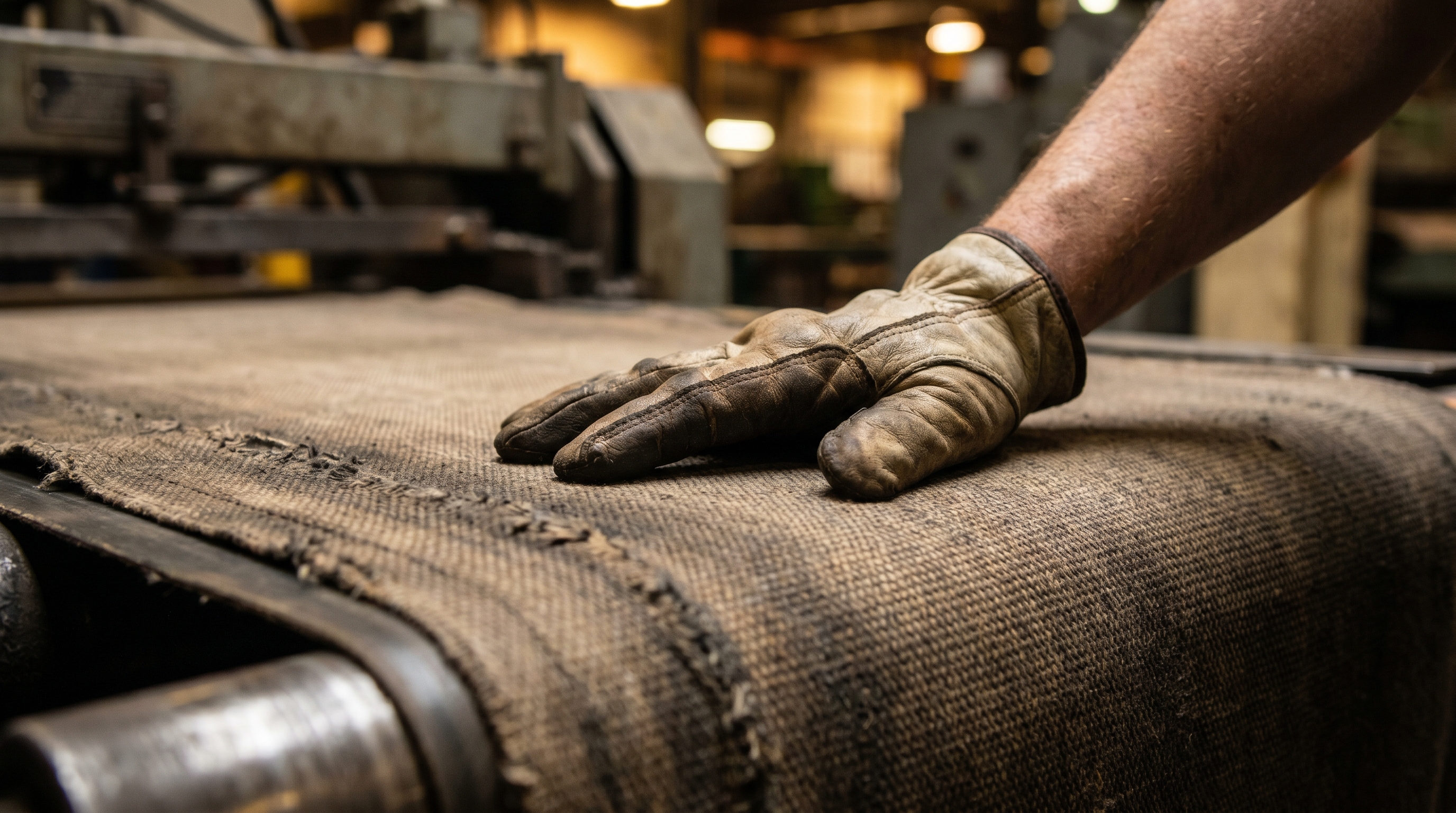
Professional installation involves site inspection, pulley alignment, and the final vulcanization of the joint to create a seamless loop. Your canvas reinforced rubber conveyor belt requires precise tensioning to prevent slippage and premature bearing failure. You must ensure the belt is properly threaded through the system to avoid tracking issues during the initial run.
What are the steps for a safe startup?
Think about it. A mistake during installation can lead to a catastrophic failure once the heat is turned on.
- Alignment Check: Ensuring all pulleys are square to prevent edge wear.
- Initial Run: Running the belt empty to observe tracking and tension.
- Load Testing: Gradually adding weight to simulate full production capacity.
Key Takeaway: Correct installation and rigorous testing are the foundation of a reliable, long-lasting conveyor operation.
| Installation Phase | Success Metric | |
|---|---|---|
| Threading | No snags or twists in the belt carcass | |
| Splicing | Smooth, seamless joint with 100% adhesion | |
| Tensioning | Zero slippage on the drive pulley under load |
Following these protocols protects your investment and ensures the safety of your personnel during high-temperature production cycles.
How to clean a canvas reinforced rubber conveyor belt?
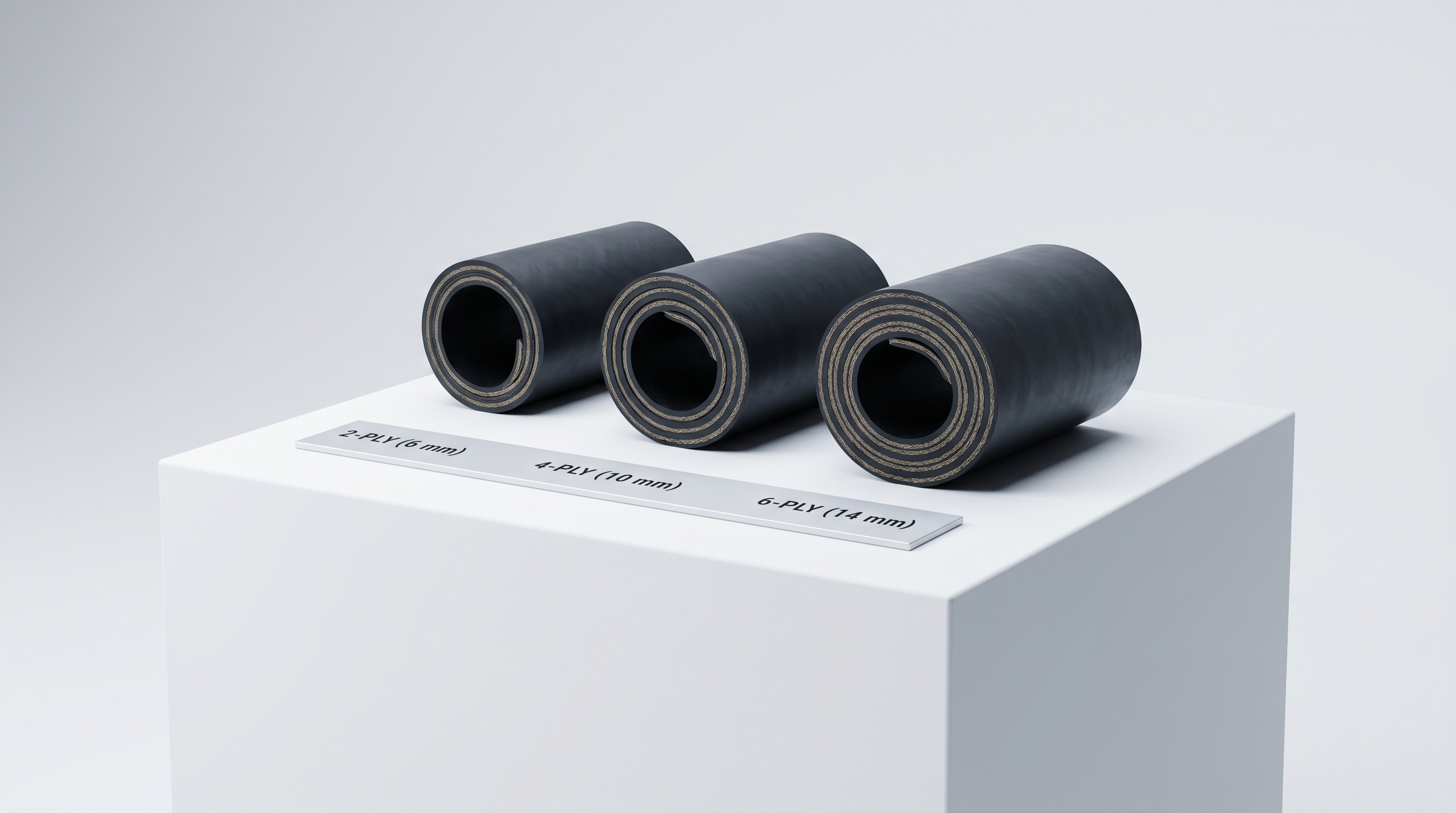
You can clean these belts using soft-edge scrapers and air blasts to remove dried plaster residue without damaging the rubber cover. The canvas reinforced rubber conveyor belt must be kept free of abrasive dust to prevent the build-up of heat-fatigue points. You should also utilize wash-downs to neutralize any chemicals used in the casting process that might degrade the rubber.
How to prevent material build-up?
But that’s not all. Regular maintenance prevents small residue issues from turning into major line stoppages.
- Primary Scrapers: Remove the bulk of wet plaster at the discharge point.
- Secondary Cleaners: Polish the belt surface to remove fine dust particles.
- Pulley Lagging: Ensure pulleys are clean to maintain maximum grip.
Key Takeaway: A clean belt tracks better and dissipates heat more effectively, significantly reducing the risk of thermal failure.
| Cleaning Tool | Recommended Use | |
|---|---|---|
| Soft Scrapers | Daily removal of setting plaster | |
| Compressed Air | Clearing dust from pulley systems | |
| Neutral Detergents | Removing chemical oils and residues |
Consistent cleaning schedules ensure that your belt maintains the friction levels required for precise material transport.
What are canvas reinforced rubber conveyor belt standards?
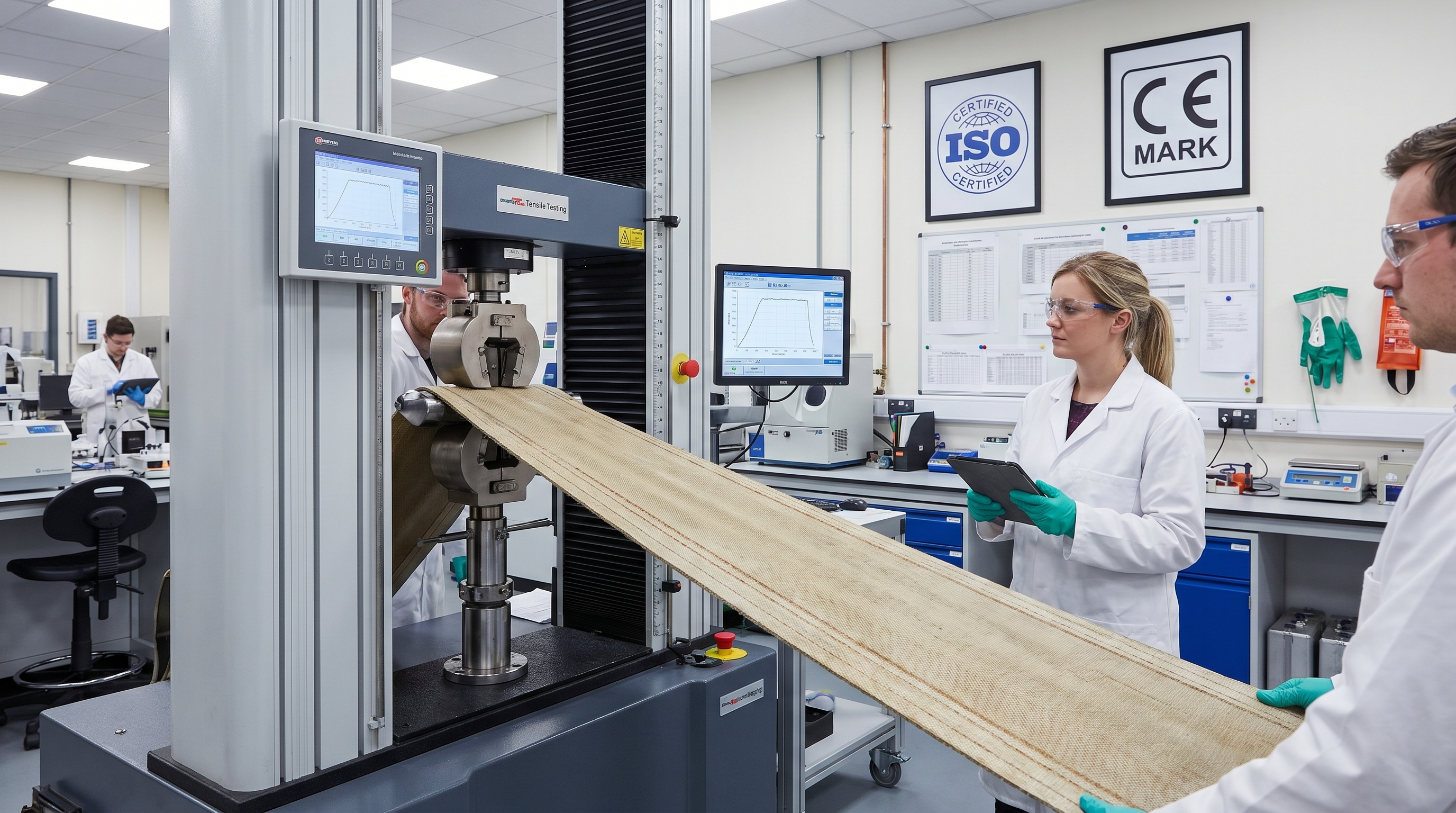
These belts are governed by international ISO standards and specific flame-retardant certifications required for industrial safety. A high-quality canvas reinforced rubber conveyor belt should meet ISO 9001 standards for manufacturing consistency. You can trust that these certifications guarantee the bond between the canvas and rubber can withstand heavy industrial loads.
Which certifications should you look for?
You might be wondering which labels actually matter when you are comparing different belt manufacturers.
- ISO 9001: Ensures the belt was made using standardized quality control.
- CE EN14973: Confirms the belt meets European safety standards for industrial use.
- MT 668: A critical mining safety standard for flame and static resistance.
Key Takeaway: Certified belts provide peace of mind and ensure compliance with local safety and environmental regulations.
| Certification | Focus Area | |
|---|---|---|
| ISO 9001 | Management and Quality Consistency | |
| CE | European Health and Safety Compliance | |
| SGS | Independent Third-Party Performance Verification |
Using standardized components simplifies your procurement process and ensures compatibility with global equipment.
How to buy a canvas reinforced rubber conveyor belt?
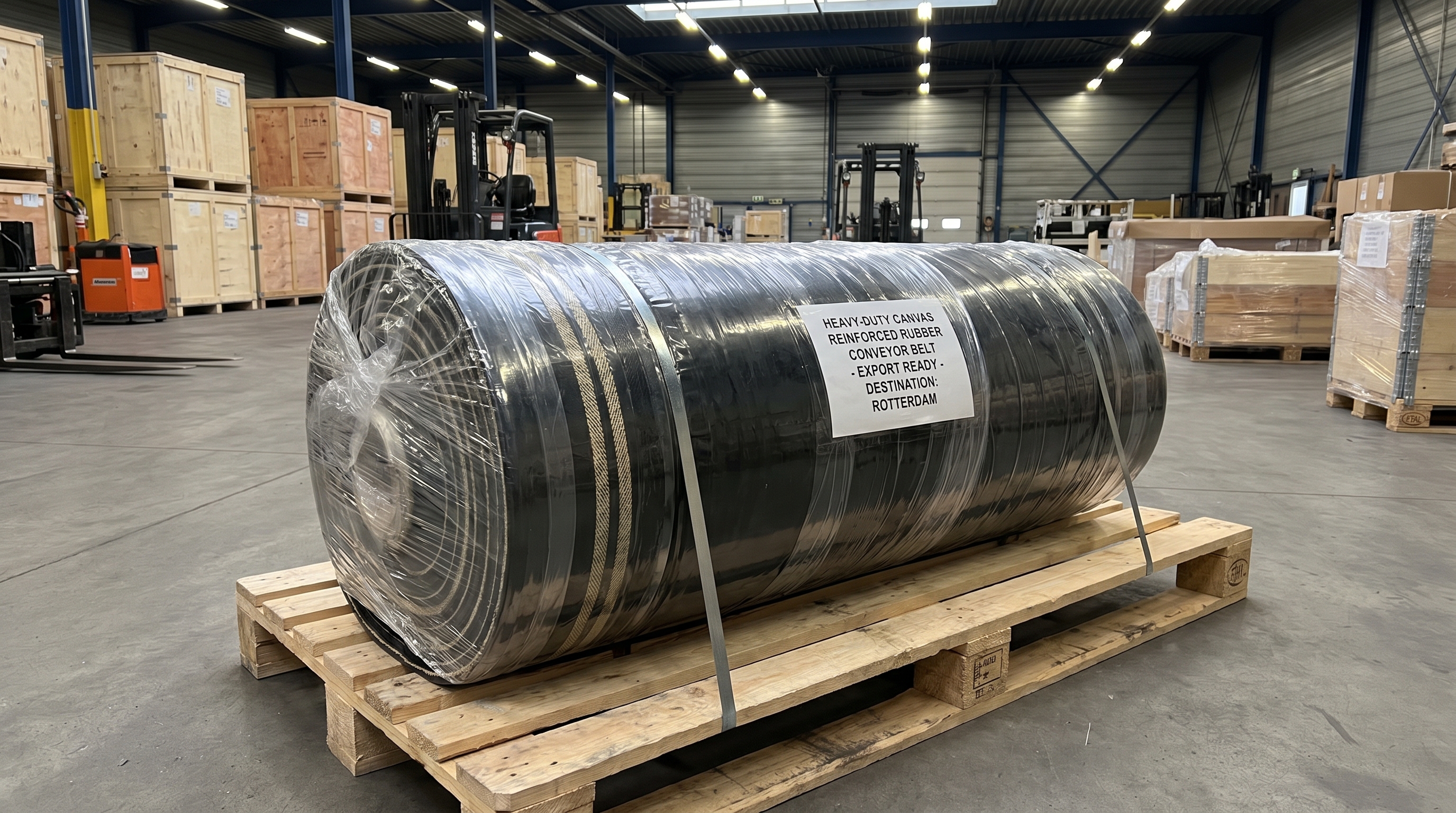
You can buy these belts by contacting a professional manufacturer to provide your specific width, ply count, and temperature requirements. The canvas reinforced rubber conveyor belt should be customized to match your existing pulley diameters and load capacities. You can request a technical consultation to ensure the belt grade you select is optimized for your plaster casting environment.
What information should you provide?
Let’s be honest. The more data you give the engineer, the better the final solution will perform in your facility.
- Belt Width: The total width of your conveyor frame.
- Operating Temp: The constant and peak temperatures the belt will face.
- Load Weight: The maximum weight of the plaster molds being carried.
Key Takeaway: Working directly with a manufacturer allows for precise engineering that solves your specific material handling challenges.
| Inquiry Detail | Why It Matters | |
|---|---|---|
| Center Distance | Determines the total length of the belt roll | |
| Pulley Diameter | Influences the required belt flexibility | |
| Material Type | Affects the choice of rubber cover compound |
Selecting the right partner for your belt supply ensures you receive a product that maximizes your plant’s efficiency.
At Weifang Zhenxing Rubber, we believe that high-performance manufacturing requires reliable components that never compromise on safety. Our expert engineering team is ready to help you optimize your material handling efficiency with custom solutions tailored to your specific industrial needs. We are committed to providing the most durable and cost-effective belts in the global market. Please contact us today to receive a technical solution and accurate quotation for your project within 24 hours.
Frequently Asked Questions
Can I use a canvas reinforced belt for food processing?Yes, as long as you select a version with an FDA-approved “Food Grade” white rubber cover, these belts are excellent for high-heat baking and drying lines.
What’s the best way to stop my belt from slipping?The best way is to ensure your drive pulley has proper rubber lagging and that you maintain the correct tension according to the manufacturer’s specifications.
How do I know if my belt is heat-fatigued?You should look for “alligatoring” or small cracks on the rubber surface, which indicate the cover is becoming brittle and needs replacement.
Can I repair a small tear in the belt myself?Yes, you can use mechanical fasteners or cold-bond repair kits to patch small holes, which allows you to keep the line running without a full replacement.
What’s the best temperature rating for a plaster line?For most plaster casting applications, a standard Heat Resistant (HR) grade is sufficient, but Super Heat Resistant (SHR) is recommended for drying tunnels.