

A high-performance conveyor belt rubber sheet is an essential material for industrial plaster casting and heavy-duty molding applications where heat resistance, flexibility, and durability are critical. Designed to withstand intense mechanical pressure and elevated temperatures, these rubber sheets provide reliable protection as mold liners, gaskets, and impact-resistant surfaces. Unlike standard materials that crack or wear out quickly, a quality conveyor belt rubber sheet helps reduce downtime, improve casting consistency, and extend equipment lifespan. Its superior resilience and long-term performance make it an ideal solution for demanding manufacturing and material handling environments.
What is a conveyor belt rubber sheet for casting?
A conveyor belt rubber sheet for casting is a heavy-duty elastomer material designed to serve as a protective barrier or structural base for plaster molds. It provides the necessary flexibility to release set plaster while offering the toughness required to endure repeated industrial cycles.
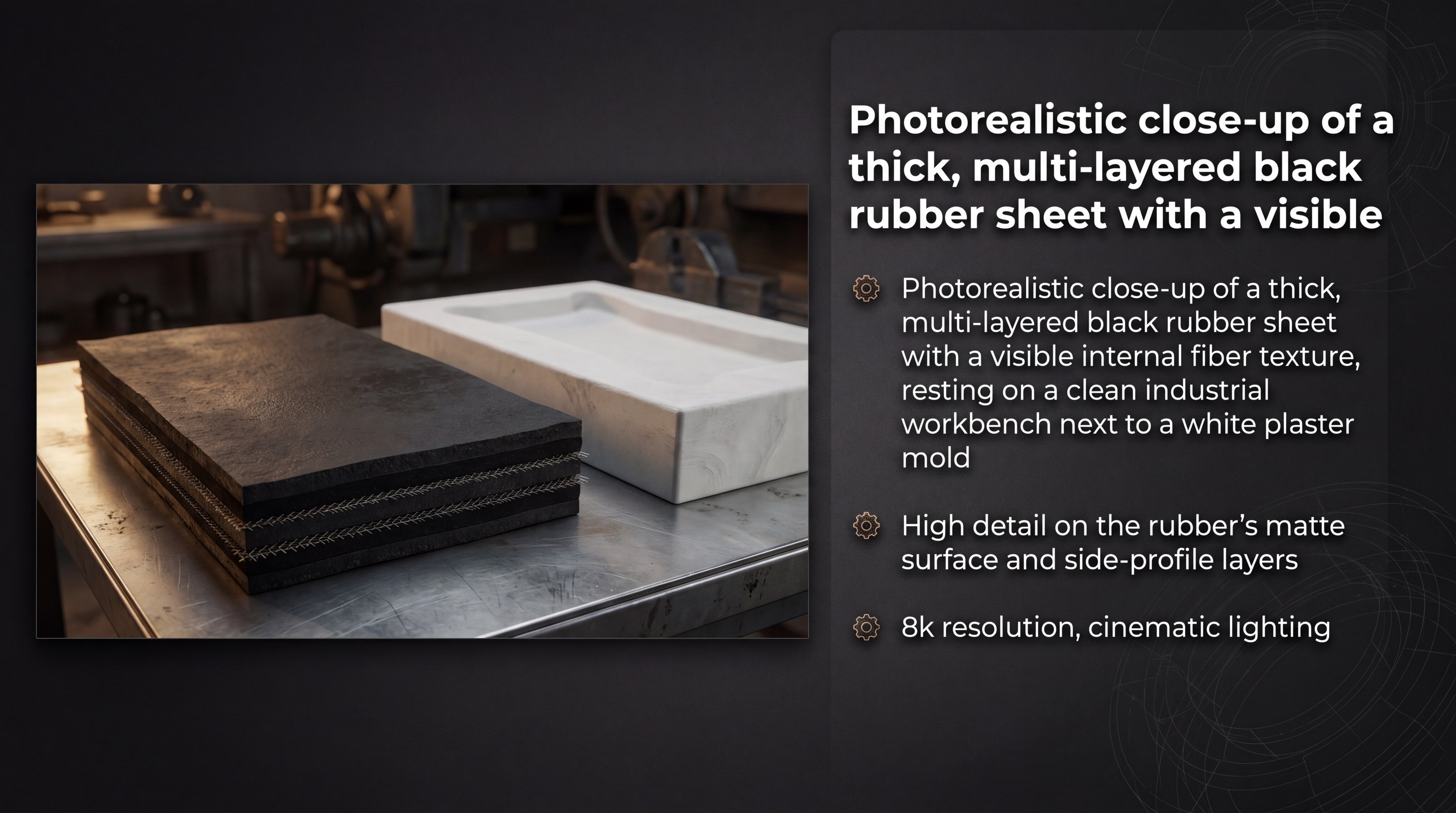
Defining the casting rubber material
You might be wondering if any rubber will do. The short answer is no.
- It must have high tensile strength.
- Internal fabric reinforcement is essential.
- Dimensional stability prevents mold warping.
- Heat resistance protects against exothermic reactions.
Think about it this way: Industrial-grade sheets provide a level of reliability that standard rubber simply cannot match. This ensures your molds remain consistent from the first pour to the last.
Key Takeaway: High-grade rubber sheets are essential for industrial plaster casting due to their durability and heat-resistant properties.
| Feature | Casting Rubber Sheet | Standard Rubber | |
|---|---|---|---|
| Durability | High (Multi-ply) | Low (Single layer) | |
| Heat Limit | Up to 200°F | Variable/Lower | |
| Stability | Reinforced | Prone to stretching |
Use this table to evaluate the material strength needed for your specific molding temperature requirements.
How does a conveyor belt rubber sheet function?
A conveyor belt rubber sheet functions as a high-performance interface that absorbs the thermal shock and mechanical stresses inherent in the plaster casting cycle. By utilizing specialized reinforcements, such as those found in a steel cord conveyor belt , the rubber maintains its dimensional stability even under extreme weight.
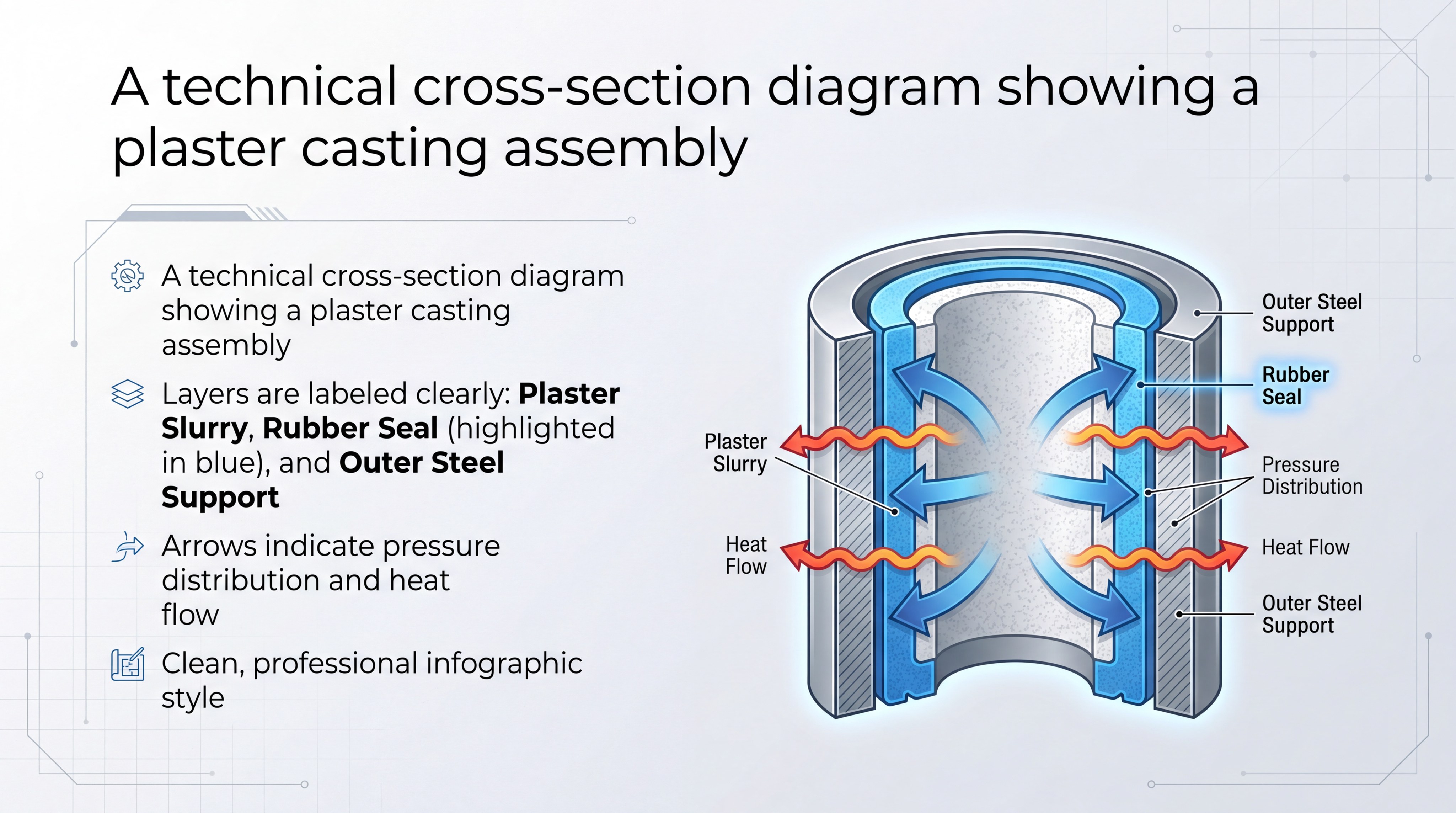
The mechanics of rubber in molding
The secret is in the layering.
- It distributes pressure evenly.
- The rubber acts as a thermal buffer.
- Vibration energy is absorbed to prevent cracks.
- Elasticity allows for easy de-molding.
But here is the kicker: The internal cords prevent the rubber from deforming when the heavy liquid plaster is poured into the flask. This ensures your final product matches your exact design specifications every single time.
Key Takeaway: The structural reinforcement of the rubber prevents mold deformation during the high-pressure pouring phase.
| Function | Advantage | Impact | |
|---|---|---|---|
| Pressure Buffering | Prevents mold failure | Lower scrap rates | |
| Thermal Insulation | Protects outer frames | Longer equipment life | |
| Energy Absorption | Smoother surface finish | Less post-processing |
This guide helps you understand how the mechanical properties of rubber directly correlate to the quality of your cast.
Why use a conveyor belt rubber sheet for molds?
Selecting a conveyor belt rubber sheet for your molds offers unparalleled durability and prevents material overflow during the initial pour. For specialized setups requiring vertical containment, integrated designs like sidewall structures demonstrate how industrial rubber can be adapted for efficiency.
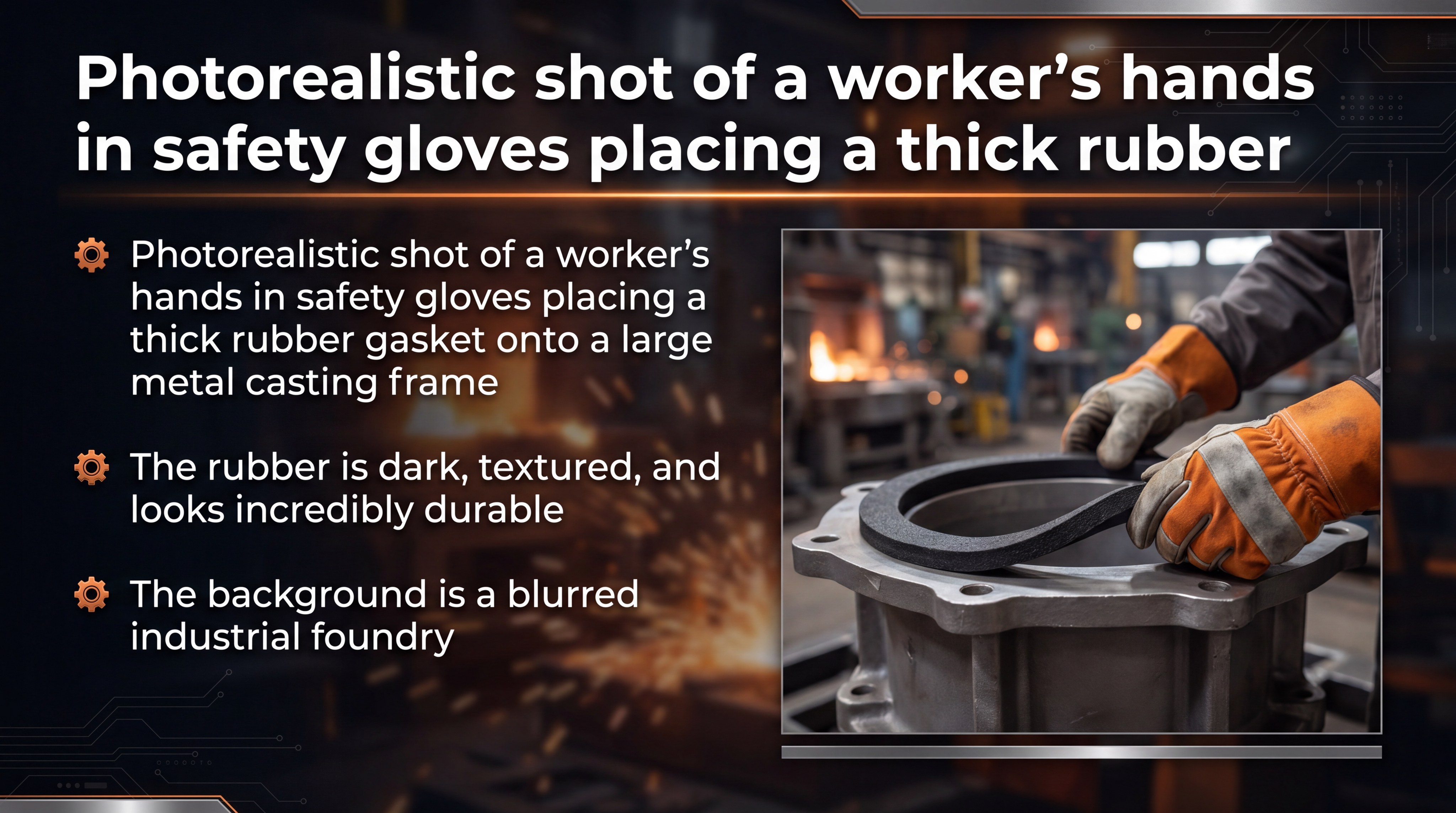
Maximizing mold longevity
You need a material that lasts. And that is where industrial rubber excels.
- It resists abrasion from plaster dust.
- Chemical resistance prevents rubber rot.
- High tear strength handles mechanical tools.
- Flexibility remains consistent over hundreds of cycles.
Look at it from this perspective: By investing in reinforced sheets, you reduce the frequency of liner replacements. This directly translates to higher uptime for your production line and better overall ROI.
Key Takeaway: Reinforced rubber sheets significantly extend the lifespan of casting molds compared to unreinforced alternatives.
| Benefit | Industrial Rubber | Consumer Grade | |
|---|---|---|---|
| Cycle Life | 500+ Pours | <50 Pours | |
| Tear Resistance | High | Low | |
| Fitment | Custom cut for frames | Pre-set sizes only |
Compare these metrics to see why industrial-grade sheets are the standard for high-volume manufacturing environments.
Where is the conveyor belt rubber sheet applied?
The conveyor belt rubber sheet is applied in sectors ranging from architectural stonework to heavy machinery parts casting. In facilities where materials must be moved at an incline during the curing process, a chevron patterned surface provides the necessary grip for the flasks.
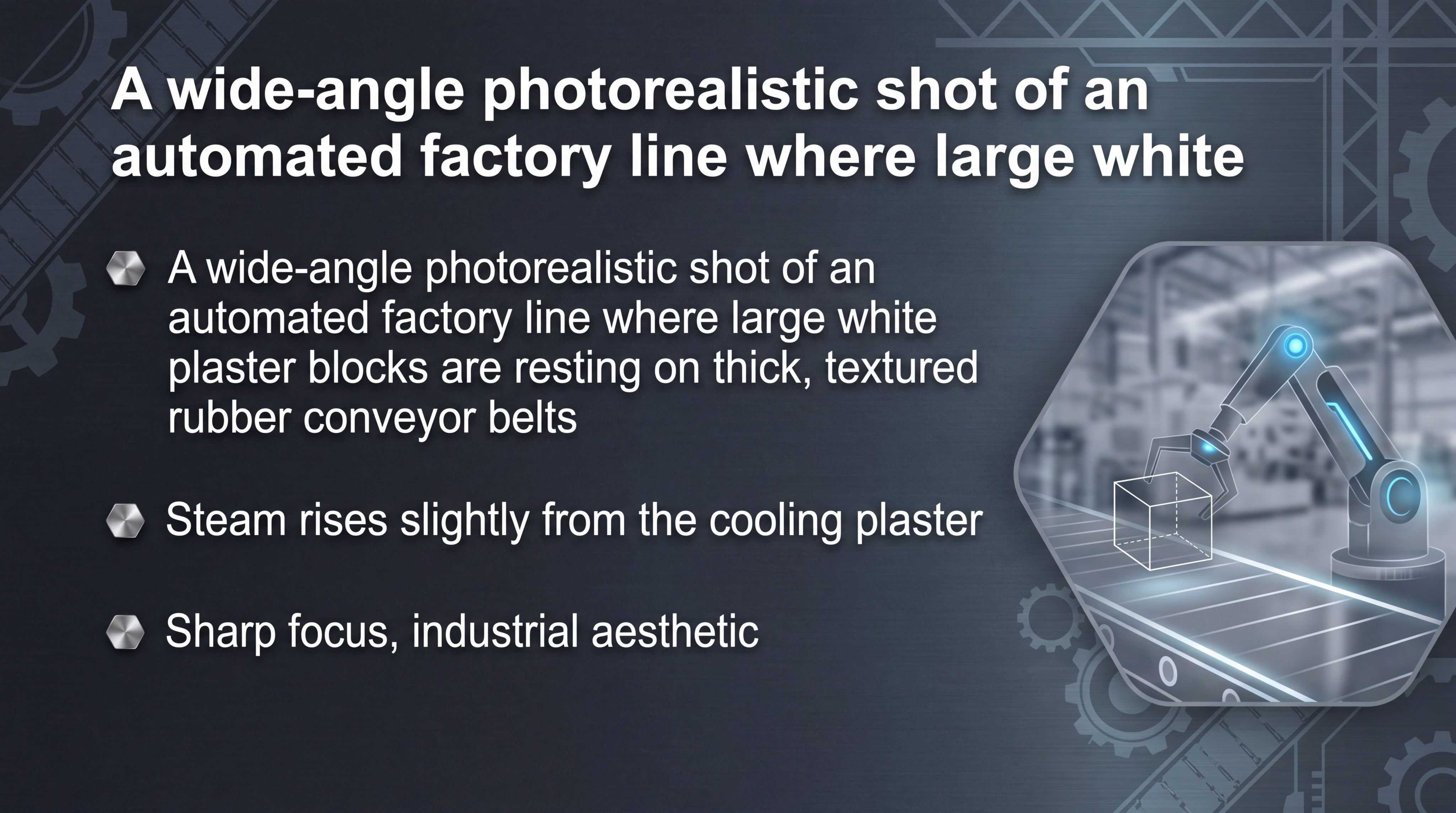
Diverse industrial implementations
It is more versatile than you think.
- Used in large-scale architectural molding.
- Applied in automotive component prototyping.
- Serves as non-slip flooring for casting stations.
- Acts as a gasket for high-vibration machinery.
Wait, there’s more: These sheets are also used in the production of decorative concrete and pavers. The rubber’s ability to replicate fine textures makes it an ideal choice for high-detail aesthetic products.
Key Takeaway: The application of heavy rubber sheets extends across multiple industries, providing stability and detail for varied products.
| Industry | Primary Use | Secondary Use | |
|---|---|---|---|
| Construction | Paving molds | Sound dampening | |
| Automotive | Part prototyping | Machine gaskets | |
| Aerospace | Precision casting | Tooling protection |
Identify your industry category to determine which specialized rubber pattern fits your specific production goals.
How is a conveyor belt rubber sheet used in steps?
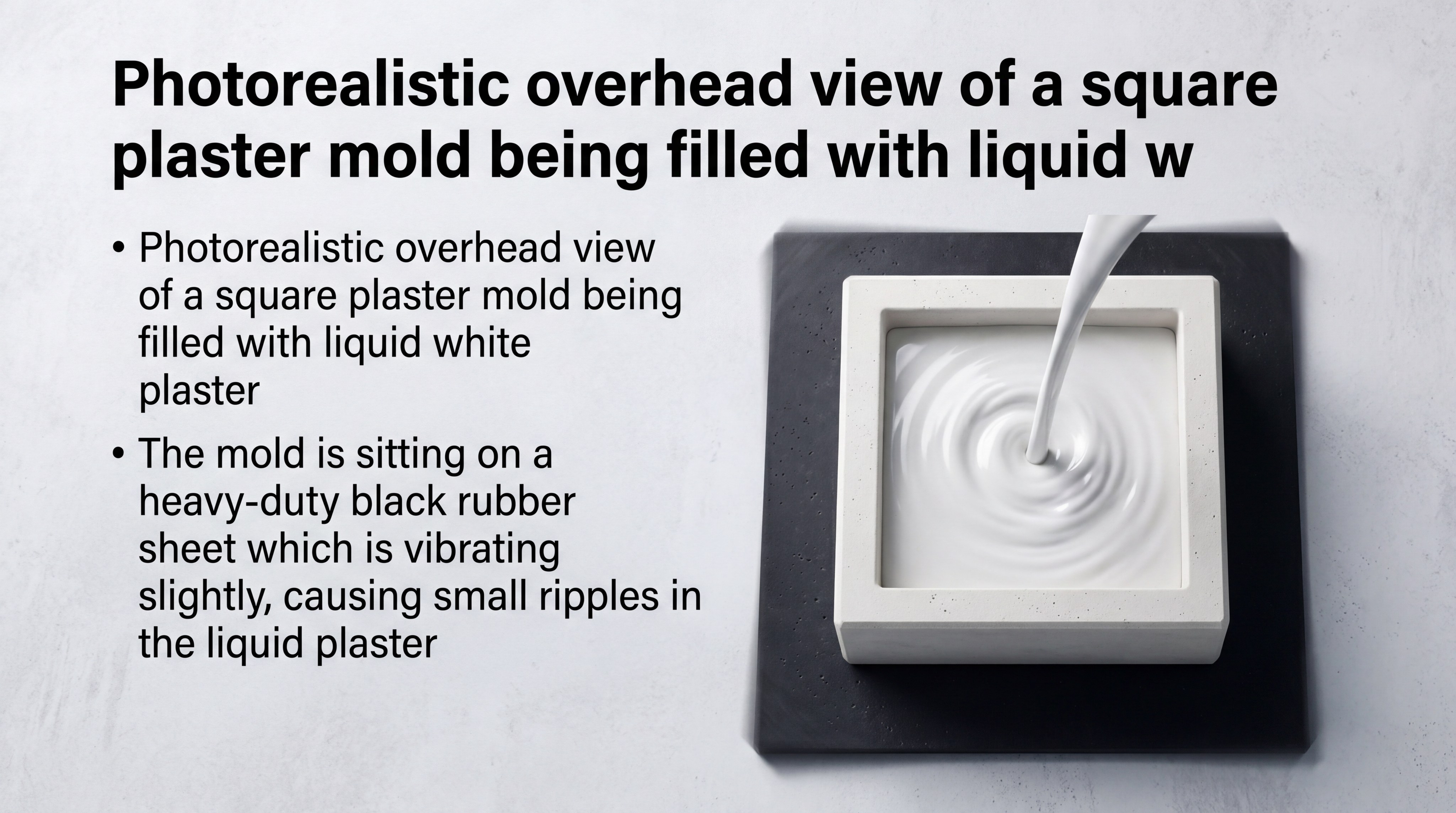
Integrating a conveyor belt rubber sheet begins with preparation where the rubber is cut to fit the base of the casting flask. Once the plaster is poured, the rubber facilitates even vibration, helping to remove air bubbles that could compromise the product’s integrity.
Executing the perfect cast
Consistency is the name of the game.
- Measure and cut the rubber to fit.
- Apply a release agent to the rubber surface.
- Pour the plaster slurry onto the base.
- Activate the vibration table for degassing.
The best part? The rubber’s natural grip keeps the mold perfectly centered during high-frequency vibration. This prevents misalignments that could lead to uneven wall thickness in your final cast.
Key Takeaway: Following a structured process with rubber bases ensures a bubble-free and perfectly aligned plaster cast.
| Step | Action | Objective | |
|---|---|---|---|
| Prep | Surface cleaning | Prevent sticking | |
| Pour | Steady flow control | Minimize air traps | |
| Vibrate | Mechanical oscillation | Remove bubbles |
Follow these steps to maximize the efficiency of your casting workflow and ensure high-quality outputs.
Which conveyor belt rubber sheet specs are best?
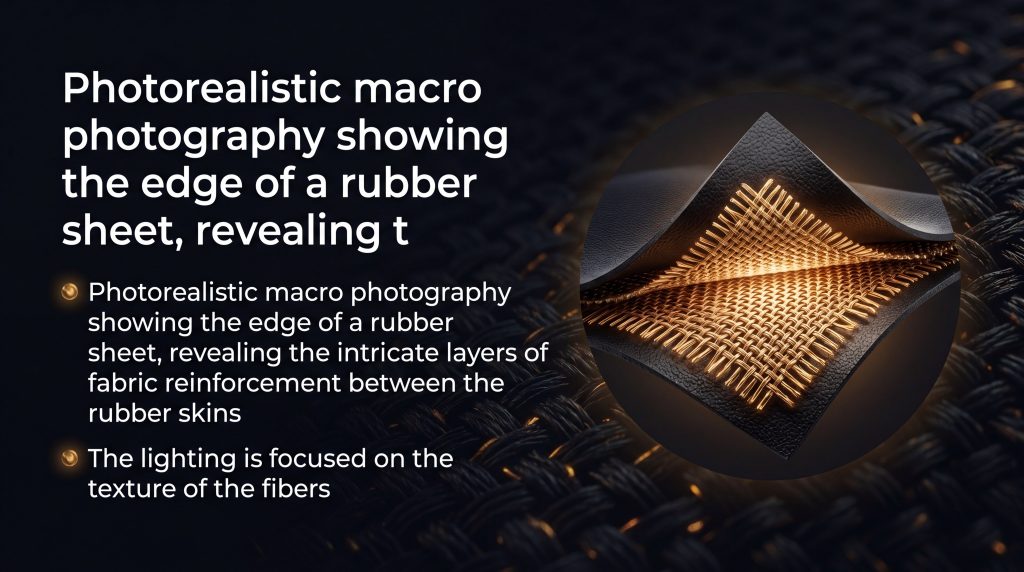
The best conveyor belt rubber sheet specs for casting are those with a high durometer and heat resistance. For most needs, a fabric textile conveyor belt provides the ideal balance of flexibility and shape retention.
Technical specifications to look for
Don’t settle for guessing.
- Look for EP (Polyester/Nylon) fabric plies.
- A 60-70 Shore A durometer is ideal.
- Check for a minimum 15MPa tensile strength.
- Ensure the operating range covers 200°F.
Here is the deal: Selecting the right thickness is crucial for weight distribution. Thicker sheets (over 1/2 inch) are recommended for large-scale casts to prevent the base from sagging under the plaster load.
Key Takeaway: Selecting the correct durometer and tensile strength is critical for preventing mold sagging and heat damage.
| Specification | Recommendation | Why? | |
|---|---|---|---|
| Ply Count | 2-ply or 3-ply | Balance of flex/strength | |
| Thickness | 1/4″ to 3/4″ | Load bearing capacity | |
| Compound | SBR or Neoprene blend | Durability and heat resistance |
Use this checklist when ordering your next batch of rubber sheets to ensure they meet industrial standards.
What benefits does a conveyor belt rubber sheet offer?
Using a conveyor belt rubber sheet as a liner significantly eases the de-molding process because the rubber’s flexible nature prevents sticking. This flexibility reduces the risk of cracking the cast and extends the life of the primary mold housing.

Improving production efficiency
Speed up your turnaround time.
- Faster de-molding saves labor hours.
- Smoother finishes reduce sanding time.
- Lower breakage rates save raw material.
- Reusable liners lower the cost per part.
Believe it or not: Plants that switched to industrial rubber liners reported a 20% increase in daily throughput. This is because workers spend less time fighting with stuck molds and more time pouring new ones.
Key Takeaway: Flexible rubber liners drastically reduce de-molding time and material waste through easier separation.
| Benefit Category | Improvement | ROI Impact | |
|---|---|---|---|
| Speed | 20-30% faster release | Higher throughput | |
| Quality | Fewer surface defects | Lower rejection rate | |
| Cost | 15% material savings | Better margins |
Analyze these benefits to justify the transition to high-performance industrial rubber liners in your facility.
Does a conveyor belt rubber sheet improve safety?
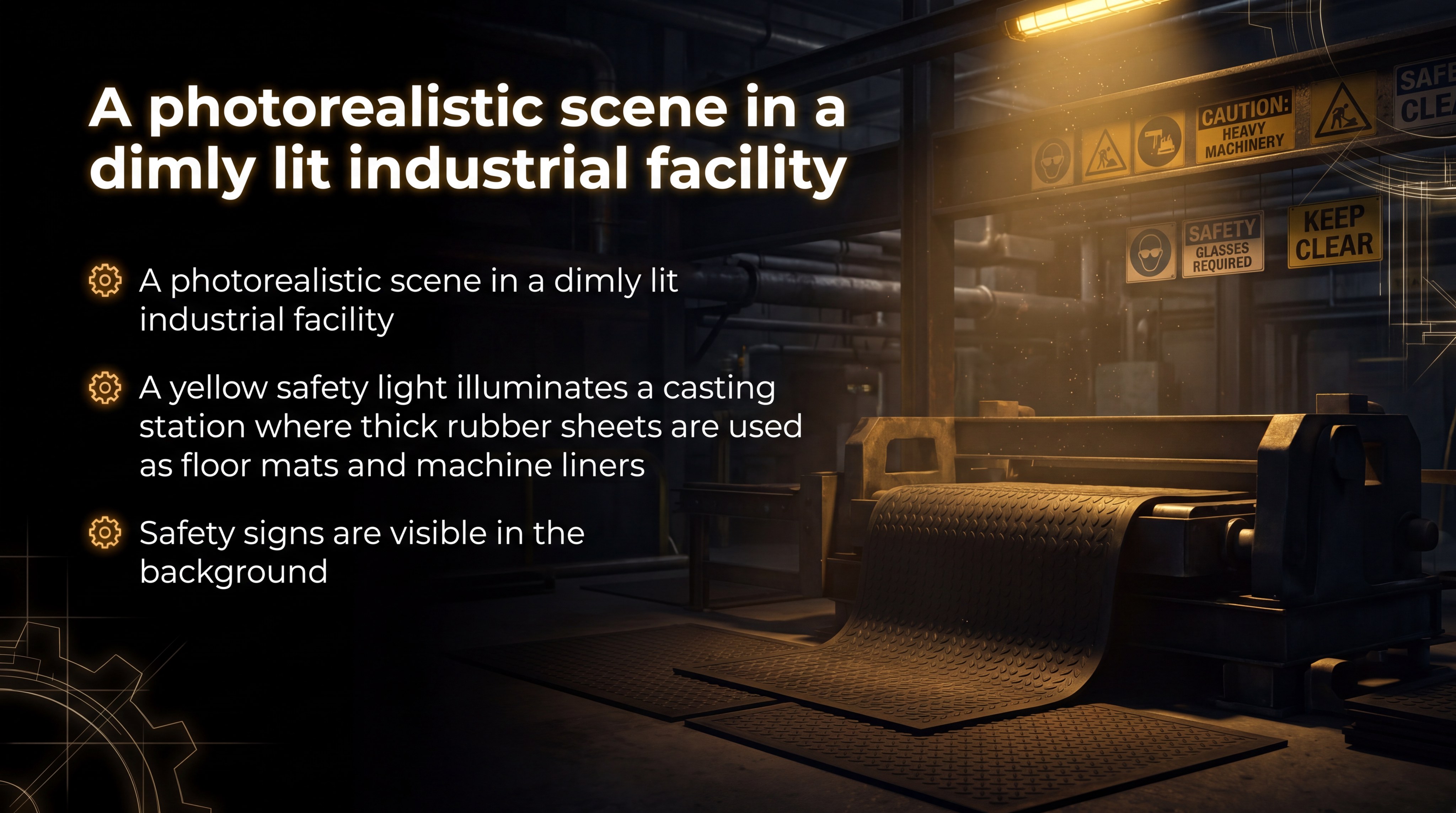
A conveyor belt rubber sheet provides a non-slip surface that prevents heavy molds from shifting during high-frequency vibration. In specialized environments like the coal mine underground sector, using flame-retardant rubber sheets adds essential fire protection.
Safety standards in the workshop
Protect your team and your assets.
- Dampens deafening machine noise.
- Provides a stable, non-slip workspace.
- Absorbs shocks from heavy mold drops.
- Resists sparks and heat in foundry settings.
It gets better: Rubber sheets also serve as effective ergonomic mats for workers standing for long periods. This reduces worker fatigue and minimizes the risk of long-term repetitive strain injuries in your team.
Key Takeaway: Beyond mold protection, industrial rubber improves worker ergonomics and reduces hazardous noise levels.
| Safety Factor | Rubber Solution | Benefit | |
|---|---|---|---|
| Slip Hazard | Textured surface | Prevent falls | |
| Noise Level | Vibration damping | Hearing protection | |
| Fire Risk | FR compounds | Workshop safety |
Implementing these safety measures can lower insurance premiums and improve overall workplace morale.
How to clean your conveyor belt rubber sheet?
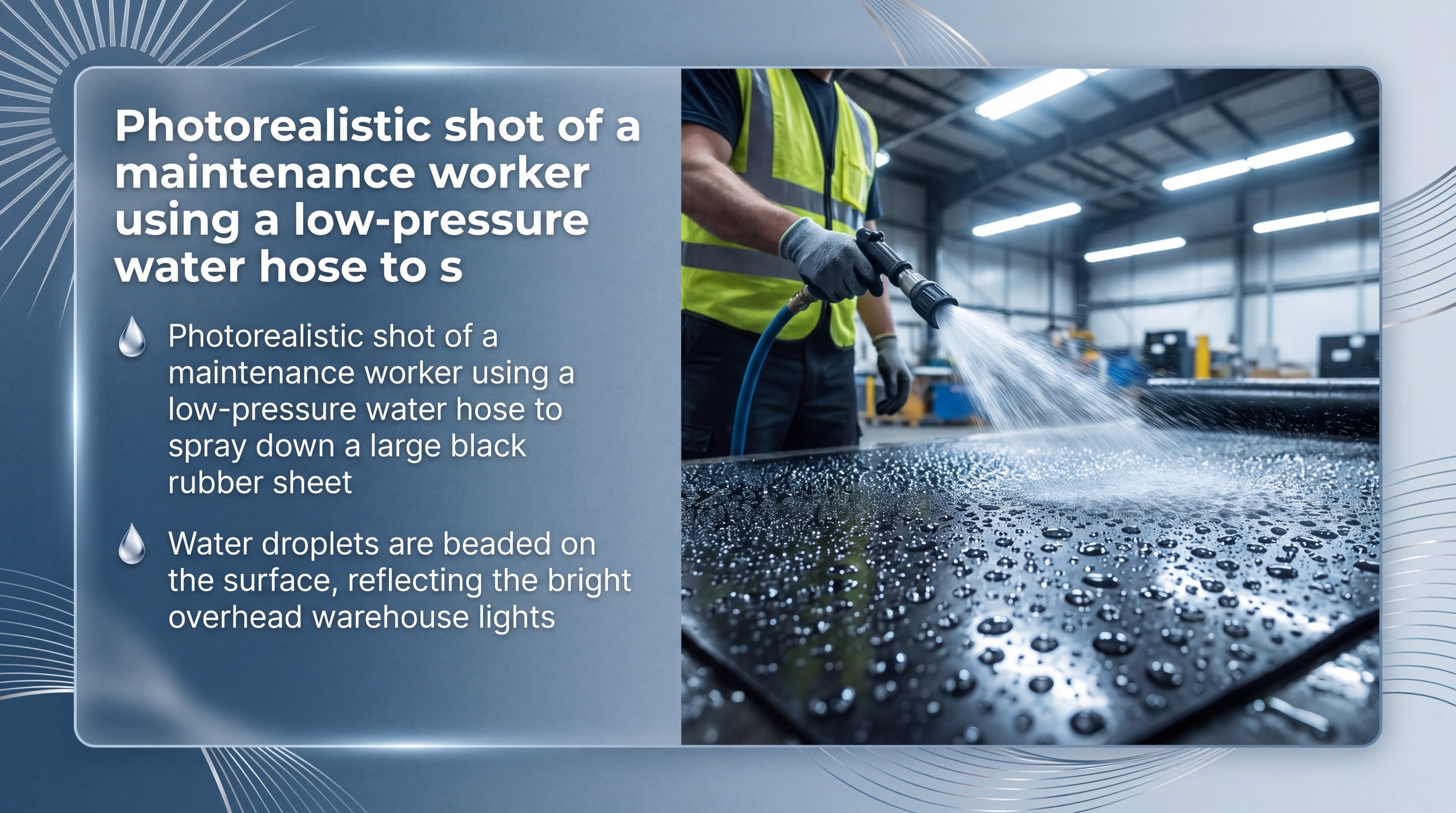
To maximize the life of your conveyor belt rubber sheet , regular cleaning to remove plaster dust and chemical agents is necessary. Simple maintenance ensures the rubber remains supple and prevents the surface from becoming brittle over time.
Maintaining peak performance
Don’t let neglect ruin your investment.
- Use mild soap and water for daily cleaning.
- Avoid harsh petroleum-based solvents.
- Inspect edges regularly for fraying.
- Store sheets flat to prevent permanent curls.
Keep this in mind: The alkaline nature of plaster can eventually dry out rubber. Applying a silicone-based conditioner once a month can keep the sheet flexible and preserve the high-quality surface finish of your casts.
Key Takeaway: Regular maintenance and proper storage can double the operational lifespan of your rubber liners.
| Task | Frequency | Result | |
|---|---|---|---|
| Washing | After every shift | No buildup | |
| Inspection | Weekly | Early damage detection | |
| Conditioning | Monthly | Maintains flexibility |
Follow this maintenance schedule to ensure your rubber sheets remain in top condition for years to come.
How to pick a conveyor belt rubber sheet?
Choosing the perfect conveyor belt rubber sheet involves analyzing your specific temperature requirements and the frequency of use. Consulting with a specialist can help you determine if you need reinforced cords for your plaster results.

Selecting the right partner
You need more than just a product; you need a solution.
- Define your maximum mold temperature.
- Calculate the total weight of the cast.
- Decide between smooth and textured surfaces.
- Request a sample to test release agents.
The truth is: Every casting operation is unique. Working with an experienced engineering team ensures you get a custom-tailored sheet that handles your specific chemical loads and mechanical stresses without failing.
Key Takeaway: Consultation with experts is the best way to match rubber specifications to your specific casting load requirements.
| Selection Criteria | Importance | Impact | |
|---|---|---|---|
| Temp Range | Critical | Prevents melting | |
| Surface Finish | High | Dictates cast texture | |
| Ply Count | Moderate | Controls stretch |
Use this selection matrix to facilitate discussions with your supplier and ensure you receive the right product.
Frequently Asked Questions
Can I use recycled conveyor belt rubber for plaster casting?Yes, recycled sheets are often used for base pads, though new sheets are recommended for mold-facing surfaces to ensure a perfectly consistent finish.
What’s the best thickness for a rubber liner in a plaster mold?The best thickness typically ranges between 1/4 inch and 1/2 inch, depending on the weight of the plaster and the intensity of the vibration equipment used.
How do I know if my rubber sheet is heat resistant enough?Check the technical data sheet for the “Maximum Operating Temperature”; for plaster casting, the rubber should ideally handle temperatures up to 200°F without degrading.
Can I cut these rubber sheets with standard tools?Industrial rubber sheets usually require heavy-duty utility knives or specialized power cutters due to their internal fabric or steel reinforcements.
How long does a rubber liner typically last in a production environment?With proper cleaning and storage, a high-quality industrial rubber sheet can last for hundreds of casting cycles before needing replacement.
To find the perfect material for your next casting project, contact us today for expert guidance and premium rubber solutions.