
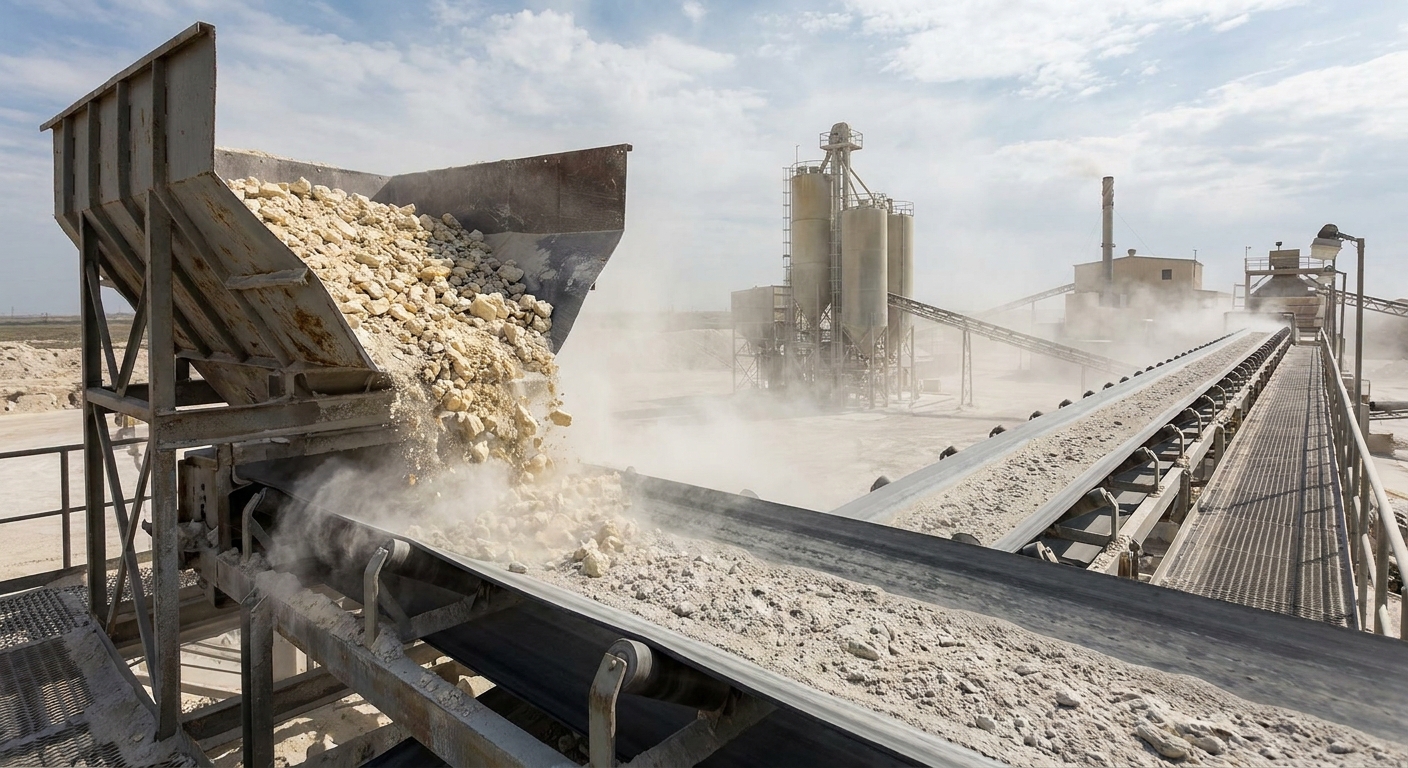
An industrial rubber conveyor belt is a critical component in high-demand manufacturing environments where heavy loads, abrasive materials, and continuous production cycles require exceptional durability and reliability. In plaster casting and metalworking applications, these conveyor belts are engineered to transport fragile molds, wet gypsum, and bulk raw materials through heating, curing, and demolding processes without structural failure. Featuring high-strength carcass construction, superior heat resistance, and advanced wear-resistant rubber compounds, an industrial rubber conveyor belt helps reduce downtime, prevent material spillage, and improve overall production efficiency in demanding industrial operations.
What is plaster casting with an industrial rubber conveyor belt?
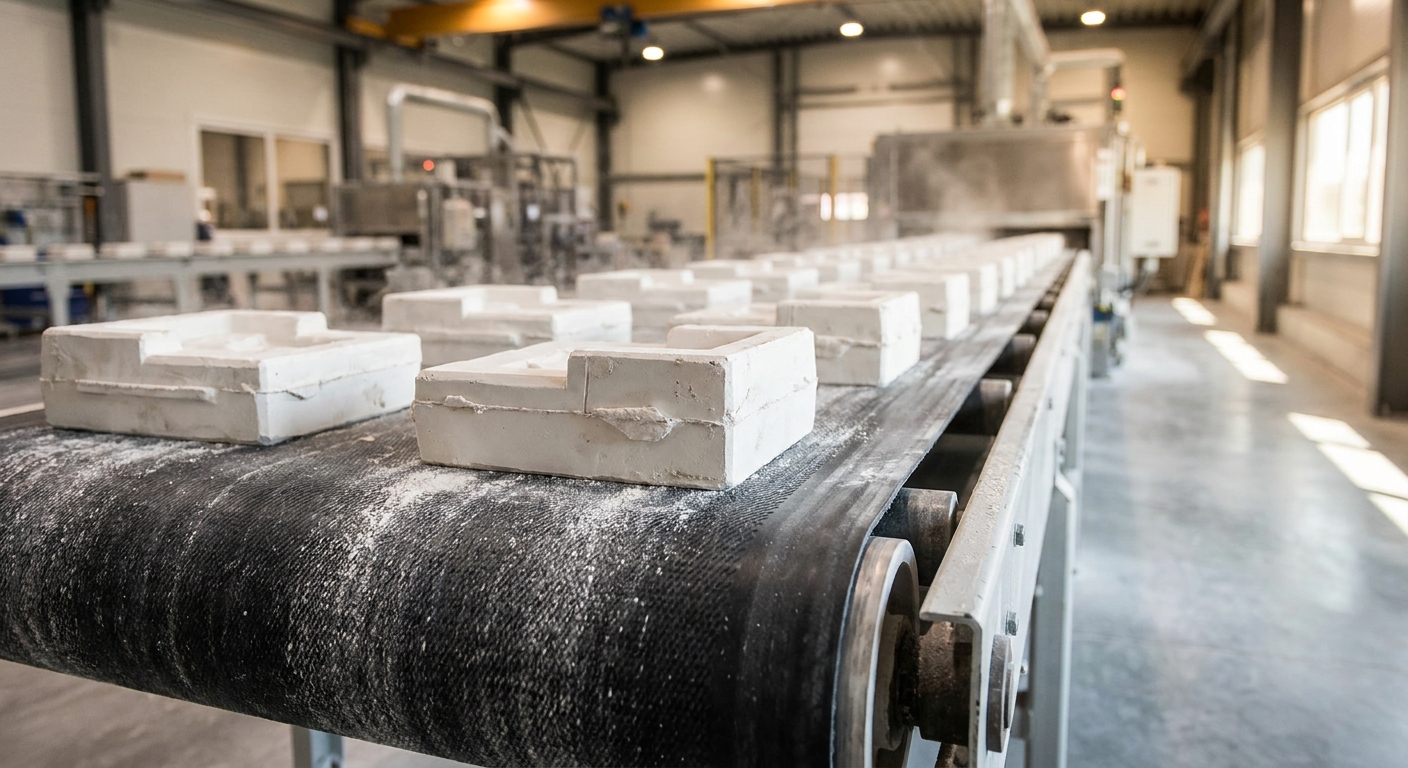
Plaster casting utilizing an industrial rubber conveyor belt is an automated industrial process designed to move high-density gypsum molds and poured metal flasks through a continuous production loop. This specialized machinery ensures that fragile plaster structures remain perfectly stable as they transition across different factory floors. By automating this workflow, foundries can eliminate manual transit bottlenecks and stabilize production output. Standard transport options simply cannot handle the sheer weight of curing casting assemblies.
Understanding Plaster Mold Casting Basics
Plaster mold casting relies on highly detailed gypsum forms to shape non-ferrous metals into complex, smooth components. Unlike sand molds, plaster yields tight dimensional tolerances and an exceptional surface finish. Think about it. A single vibration during the casting process can ruin the delicate mold cavity entirely. That is why the mechanical support system must provide absolute structural stability from start to finish.
- Non-ferrous alloys like aluminum, zinc, and brass are ideal for this casting method.
- Gypsum-based compounds provide the exact thermal resistance needed for these pour temperatures.
Why Material Handling Matters in Foundries
Continuous casting requires exceptional mechanical reliability to maintain efficient cycle times. You see: typical utility belts wear down almost immediately under these extreme operational conditions. Choosing the wrong equipment leads directly to micro-cracking and eventual belt snapping. Highly reinforced belt systems prevent these issues entirely.
- High-impact resistance prevents mold breakage at loading chutes.
- Chemical resistance protects the belt surface from raw gypsum additives.
Key Takeaway: High-performance foundry transportation relies on minimizing mold vibrations while protecting mechanical structures from abrasive dust and extreme structural loads.
| Feature | Performance Requirement | Impact on Mold Quality | |
|---|---|---|---|
| Belt Stability | High | Prevents internal micro-cracks | |
| Cover Durability | High Abrasion Resistance | Minimizes wear from loose plaster |
Comparing these essential metrics highlights how critical specialized belting is to preserving final casting quality.
How does an industrial rubber conveyor belt aid plaster casting?
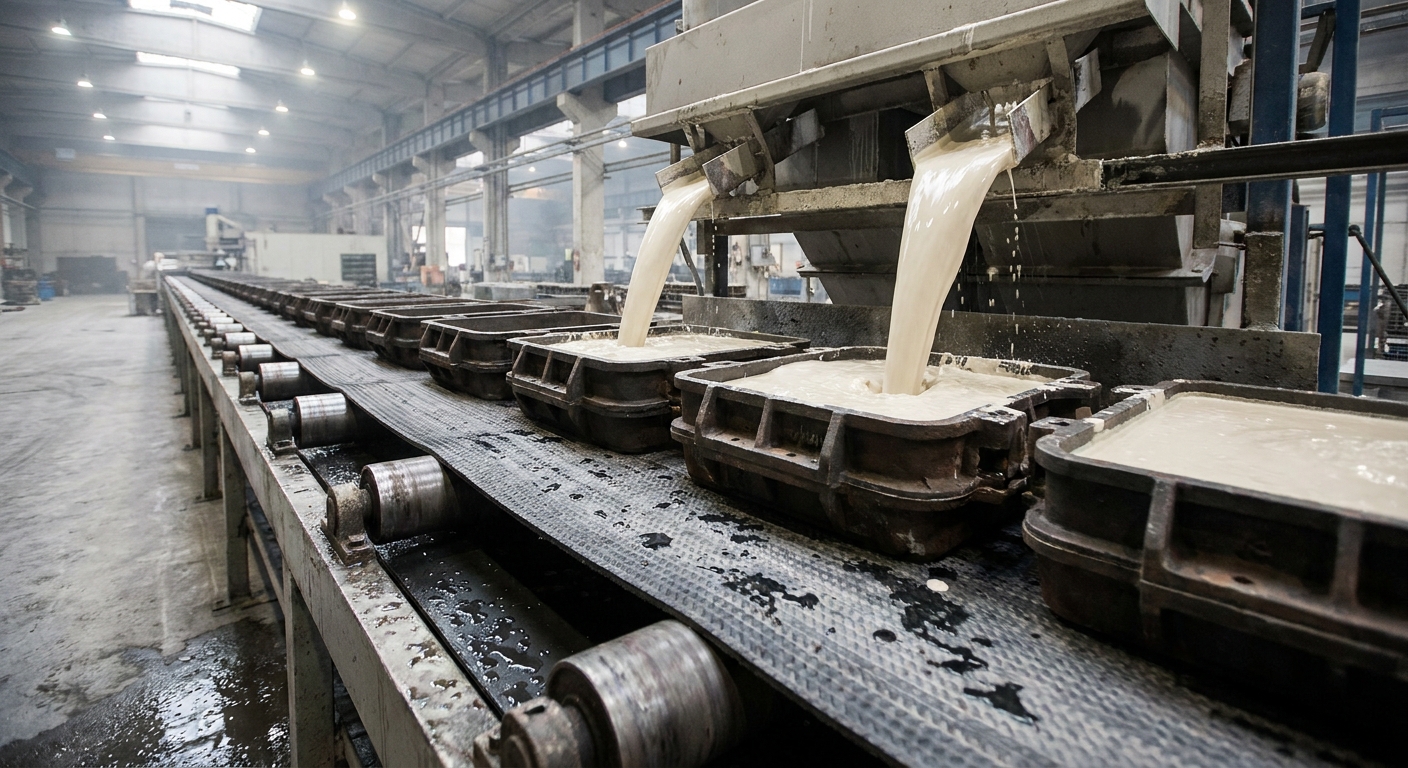
An industrial rubber conveyor belt aids plaster casting by maintaining a continuous, ultra-smooth movement path that prevents setting slurry from shifting or cracking. This steady mechanical flow ensures that the liquid gypsum can cure uniformly without developing internal air pockets or structural voids. Additionally, the conveyor carries the finished heavy molds directly to the thermal baking oven without manual delays. This seamless automation keeps high-volume manufacturing loops operating without bottlenecks.
Transporting Gypsum and Plaster Slurry
Moving raw, highly abrasive gypsum powder requires a conveyor belt that can contain fine particles while preventing mechanical slips. Here is the thing: wet plaster slurry is heavy and puts massive hydrostatic pressure on flat belt profiles. To prevent messy spills, the belt carcass must retain its shape under heavy fluid loads. High-performance rubber keeps everything moving cleanly.
- Deep troughing capabilities maximize the safe transport volume of slurry.
- Excellent water resistance prevents moisture from rotting the inner fabric plies.
Managing Casted Metal Cooling Lines
Once the molten metal is safely poured, the hot mold assemblies must travel along dedicated cooling lines. But that’s not all. The belt must simultaneously bear the heavy physical load of the metal flask and the thermal stress of the setting casting. Specialized rubber compounds handle this dual stress easily, ensuring the hot molds cool uniformly.
- Multi-ply reinforcements prevent structural sagging under localized heavy weights.
- High temperature thresholds protect the belt’s top cover during cooling runs.
Key Takeaway: A smooth, vibration-free conveyor path is essential to ensure that gypsum slurry sets without internal defects and cooling lines remain structurally sound.
| Process Phase | Main Challenge | Belting Solution | |
|---|---|---|---|
| Slurry Transport | Water saturation & weight | Moisture-resistant EP fabrics | |
| Cooling Line | Combined heat & high mass | Reinforced heat-resistant covers |
By analyzing these distinct process stages, it becomes clear that specialized physical properties are needed at every point of the line.
Why choose a heavy industrial rubber conveyor belt for plaster?
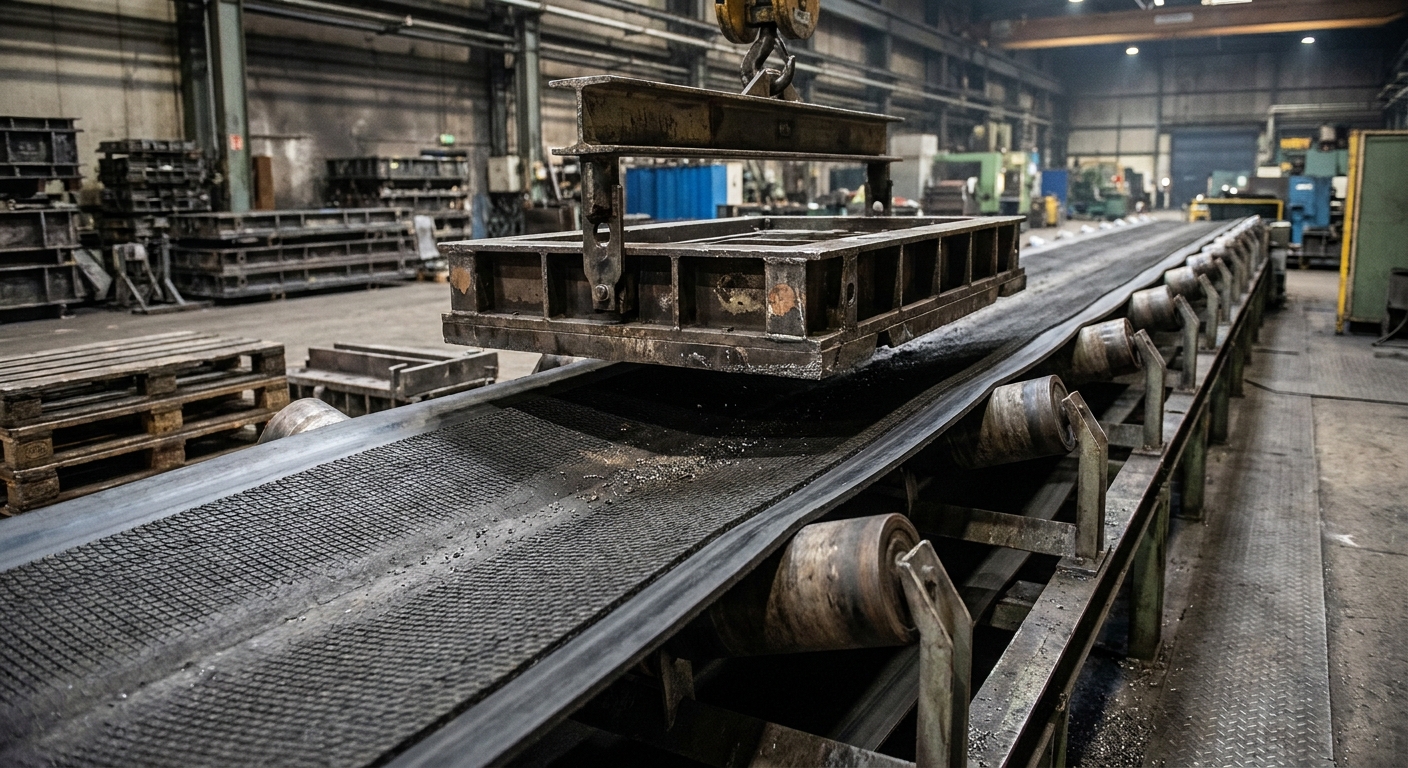
Choosing a heavy industrial rubber conveyor belt for plaster casting is crucial because it offers the structural integrity and chemical resistance required to survive aggressive foundry environments. These robust systems prevent long-term carcass warping and elongation when handling heavy-duty molds. They also shield internal components from abrasive mineral powders. Investing in premium rubber compounds translates directly into longer operational life and fewer maintenance stops.
Withstanding Heavy Loads and High Impact
Plaster mold assemblies and protective metal flasks exert heavy physical forces when dropped onto conveyor lines. Here’s why: without proper heavy-duty backing, standard belts experience severe gouging, ply separation, and localized tearing. A thick, impact-absorbing cover compound acts as a protective shield for the conveyor’s structural core. This heavy-duty reinforcement ensures the belt easily absorbs high-velocity impacts.
- Impact-absorbing covers prevent fabric carcass bruising at loading chutes.
- High-tensile reinforcement eliminates structural belt sagging under massive flasks.
Resisting Chemical Additives in Plaster
Industrial gypsum mixtures are packed with chemical retardants, accelerators, and silica powders to control drying speeds. Think about it. These compounds can chemically attack standard rubber, causing the top cover to soften, swell, or crack. A chemically inert cover compound keeps the conveyor running smoothly and prevents chemical degradation. This level of protection prevents premature belt replacement.
- Advanced synthetic polymers resist chemical attacks from gypsum-mix additives.
- Stable surface compounds prevent moisture-driven swelling and tracking issues.
Key Takeaway: Premium heavy-duty conveyor belts combine high impact absorption with chemical resistance, preventing surface breakdown in aggressive environments.
| Stress Factor | Standard Belt Response | Premium Heavy Belt Response | |
|---|---|---|---|
| Heavy Flask Impact | Carcass bruising & tearing | Shock absorption & structural stability | |
| Chemical Additives | Softening & cover swelling | Full chemical inertness & tracking accuracy |
Evaluating these stress responses illustrates why low-cost utility belts cannot survive the harsh physical and chemical demands of plaster casting.
Which industrial rubber conveyor belt best handles gypsum bulk?
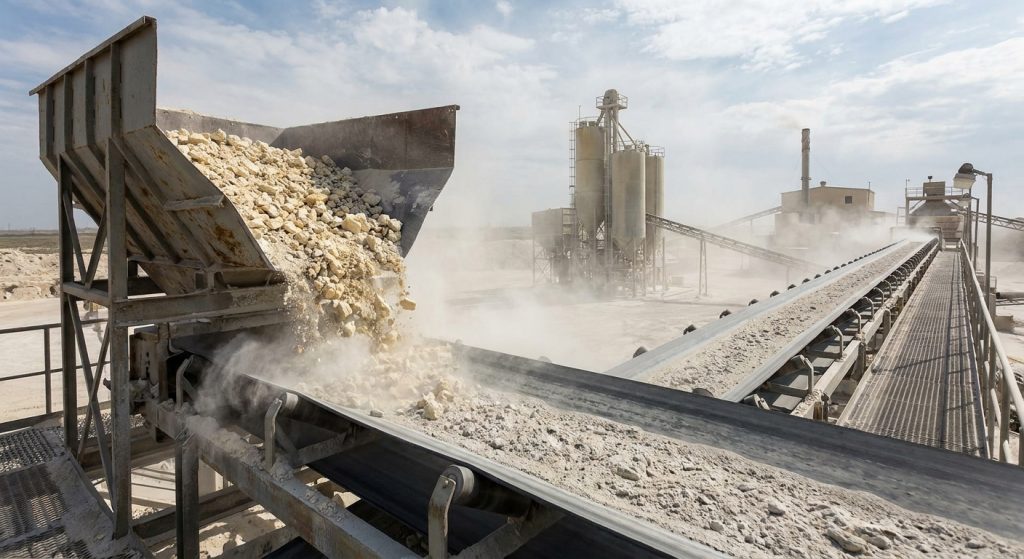
Selecting the ideal industrial rubber conveyor belt for raw gypsum bulk depends on balancing deep troughing capabilities with high tear resistance to prevent structural failure. Multi-ply polyester-nylon (EP) belts provide the perfect longitudinal tension and transverse flexibility to handle raw rocks and powder. They also keep bulk materials contained safely at high transfer speeds. This design ensures highly efficient material transport from outdoor silos to indoor processing lines.
The Benefits of Multi-Ply Fabric Belting
EP fabric belts offer excellent flexibility, allowing them to trough deeply under raw gypsum feed hoppers. You see: this deep troughing action increases the cross-sectional area of the load, preventing material from spilling off the sides. The robust polyester-nylon weave also provides superb resistance to rip propagation. This means the belt remains reliable even if sharp gypsum stones pierce the top cover.
- Excellent troughability maximizes bulk transport capacity.
- High elasticity absorbs sudden mechanical tension spikes.
When to Upgrade to High-Tensile Alternatives
For massive casting plants operating long-distance runs, fabric reinforcement might not be enough to prevent stretching. But that’s not all. Upgrading to steel cord reinforcements provides near-zero elongation and incredible tensile strength. This ensures perfect belt tracking and zero slippage over extremely long spans under maximum load. It is the ultimate choice for high-volume, long-distance gypsum bulk handling.
- Steel cord cores deliver maximum tensile strength for heavy-haul routes.
- Minimal elongation limits the need for constant take-up adjustments.
Key Takeaway: Multi-ply EP belts are ideal for flexible bulk handling, while steel-cord options provide the extreme tensile strength needed for long-distance transport.
| Belt Core Style | Best Suited Distance | Main Performance Benefit | |
|---|---|---|---|
| Multi-Ply EP | Short to Medium | Outstanding troughability & flexibility | |
| Steel Cord | Long-Distance / High-Load | Minimal elongation & ultimate tensile strength |
Aligning your belt selection with the distance and load requirements of your facility prevents chronic tracking errors and unexpected downtime.
Where is an industrial rubber conveyor belt used in foundries?
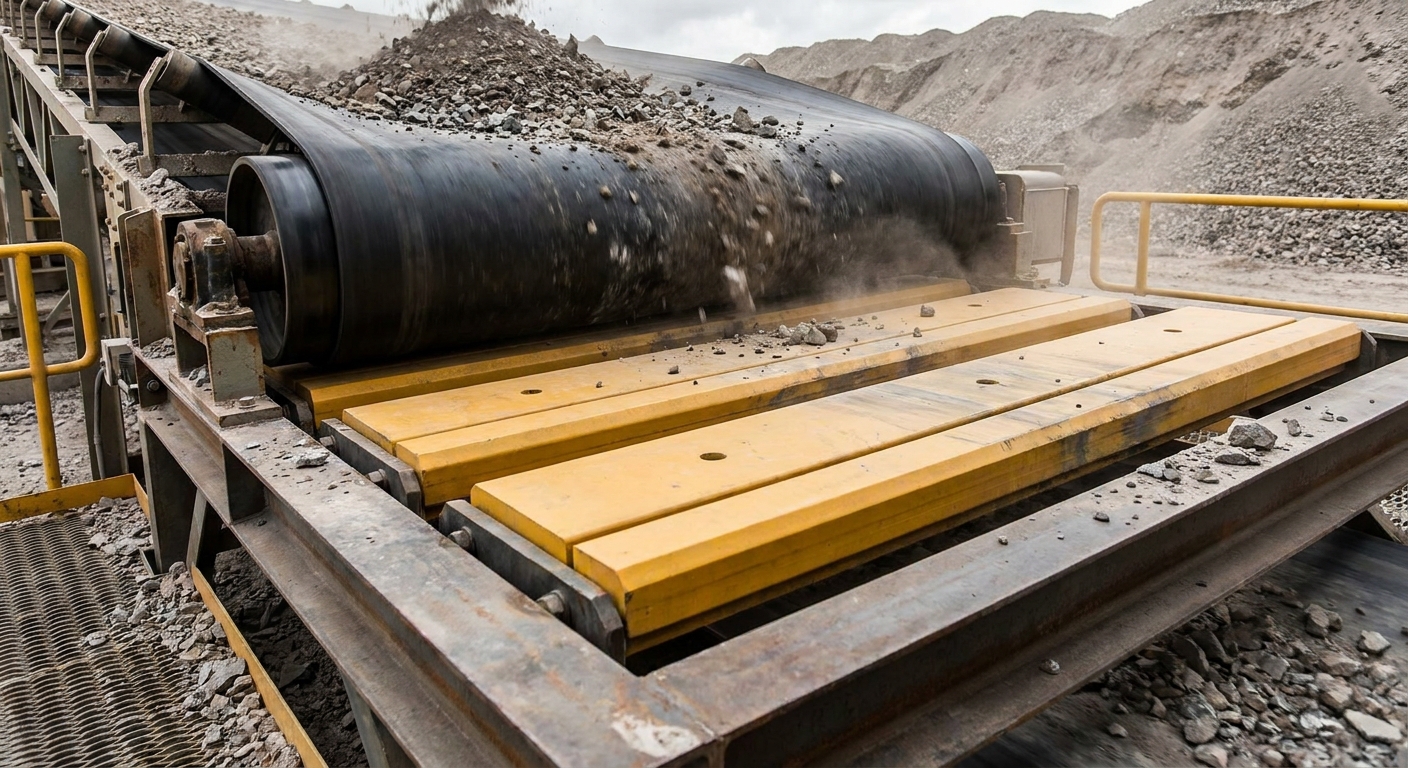
An industrial rubber conveyor belt is used throughout modern foundries, stretching from raw material preparation areas to the final high-temperature de-molding stations. Each individual zone presents unique hazards, including sharp metal scrap, abrasive powder, and high-velocity water sprays. Installing specialized belts across these zones ensures that materials move smoothly from one phase to the next. Tailoring the belt type to each zone’s specific stresses maximizes overall system reliability.
Primary Raw Material Preparation Areas
In raw material prep, bulk conveyors transport dry gypsum and chemical additives directly to high-capacity blending systems. Here is the thing: dry gypsum powder is incredibly abrasive and can quickly wear down standard rubber covers. Dust containment is also critical to protect factory air quality and prevent premature gear wear. Highly sealed conveyor systems are required to manage these dusty bulk materials safely.
- Highly wear-resistant cover compounds prevent erosion from abrasive gypsum powder.
- Efficient skirting compatibility limits dust escape at high-speed transfer chutes.
High-Impact De-Molding Stations
During de-molding, mechanical shakeouts break away brittle plaster molds from the hot metal castings. Here’s why: this process drops heavy chunks of hard plaster, sharp metal flash, and hot debris directly onto the belt below. The conveyor must withstand intense impact and heavy cuts without tearing. Specialized puncture-resistant belts are essential in this high-stress zone.
- Puncture-resistant carcasses prevent sharp metal flash from slicing through the belt.
- Moisture-resistant covers withstand water jets used to clear remaining plaster.
Key Takeaway: Foundries require different belt specifications for bulk material preparation and high-impact de-molding zones to protect against abrasive wear and catastrophic cuts.
| Foundry Zone | Primary Hazard | Key Belt Requirement | |
|---|---|---|---|
| Material Prep | Abrasive gypsum dust | High abrasion-resistant top cover | |
| De-Molding | Sharp scrap & heavy impacts | Superior puncture & cut resistance |
Identifying the unique hazards of each foundry zone allows operators to install the most cost-effective and durable belt style.
How does an industrial rubber conveyor belt optimize casting?
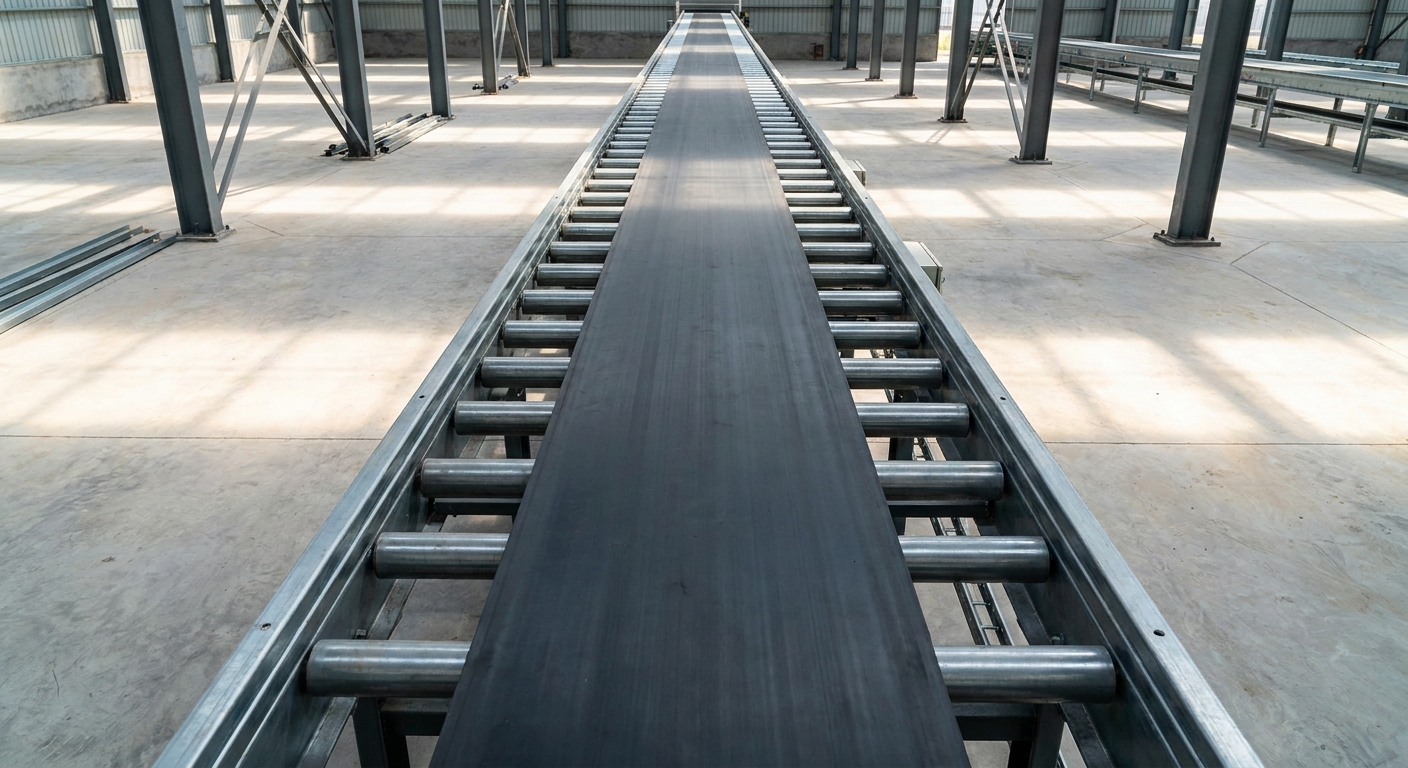
An industrial rubber conveyor belt optimizes casting operations by allowing facilities to automate their mold transport, reducing material spillage and maximizing daily production yields. By providing a stable, predictable flow of materials, these belts help eliminate manual transport bottlenecks and ensure consistent cycle times. They also prevent material waste by keeping raw gypsum and wet slurry securely on the conveyor. Investing in a premium belt setup directly increases overall factory efficiency and reduces operating costs.
Reducing Material Spillage and Waste
Spilled raw gypsum and slurry create massive safety hazards and waste expensive raw materials. You see: a high-quality conveyor belt stays perfectly aligned on its rollers, keeping materials centered even under heavy loads. This eliminates messy spills at critical transfer points, keeping the facility clean and safe. It also ensures that every ounce of raw material reaches the production line.
- Perfect lateral stiffness keeps the belt centered on the idlers.
- Smooth cover finishes prevent wet gypsum slurry from sticking and building up.
Can System Automation Increase Yield?
Modern automated casting lines rely on absolute precision to synchronize mold pouring, curing, and de-molding steps. Think about it. Any belt slip or tracking error can throw off the entire system, causing major delays and ruined molds. Automated sensors combined with a reliable belt ensure that mold assemblies are positioned perfectly every time. This high level of precision maximizes daily throughput and product quality.
- Consistent dimensional stability ensures reliable sensor tracking and indexing.
- Low-stretch properties prevent timing errors on automated production lines.
Key Takeaway: Upgrading to a premium conveyor belt enables precise automation, reduces costly material waste, and maximizes overall production output.
| Operational Goal | Manual/Low-Grade Belt Line | Automated/Premium Belt Line | |
|---|---|---|---|
| Process Synchronization | High variance & frequent adjustments | Flawless tracking & automated indexing | |
| Material Waste Rates | High spillage (2% – 4%) | Minimal loss (<0.5%) |
Comparing these operational outcomes proves that premium belting is the cornerstone of a modern, automated casting facility.
Is an industrial rubber conveyor belt safe for heat treatment?
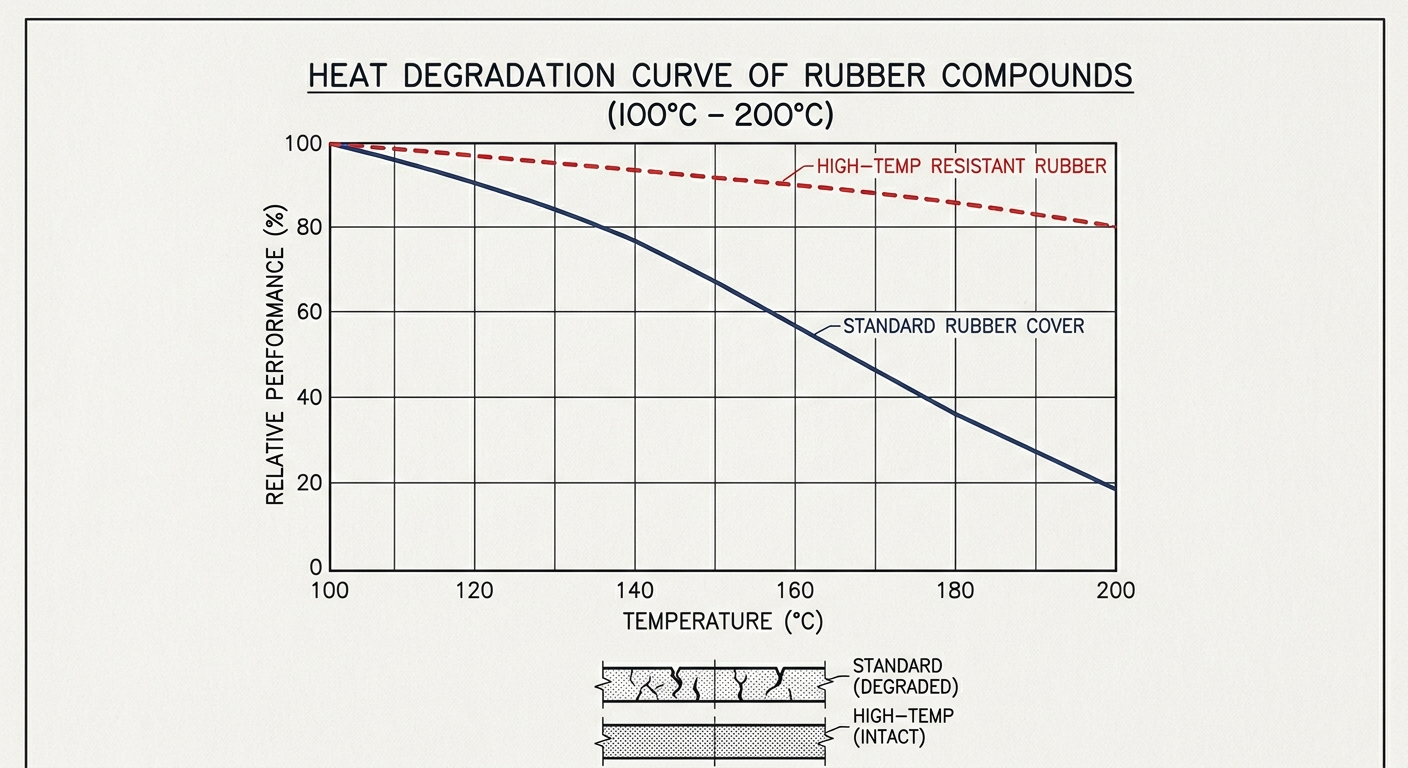
Yes, an industrial rubber conveyor belt is safe for heat treatment when engineered with high-grade, heat-resistant EPDM compounds that can withstand the intense temperatures of drying ovens. These specialized belts prevent the rubber from hardening, cracking, and losing strength when exposed to continuous heat. They also protect the internal carcass fibers from thermal degradation, maintaining structural integrity over long-term use. This high level of heat resistance ensures reliable performance through every curing cycle.
Managing Thermal Exposure Near Ovens
Plaster molds must be baked in high-temperature ovens to remove all moisture before molten metal is poured. But that’s not all. The conveyor belt carrying the molds must withstand continuous exposure to intense heat as it exits the drying chamber. Standard utility rubber quickly becomes brittle, cracks, and fails under these extreme thermal conditions. Using specialized heat-resistant covers prevents this premature breakdown.
- High-grade EPDM cover compounds resist thermal oxidation and cracking.
- Specialized heat-resistant fabrics maintain tensile strength at elevated temperatures.
Preventing Fire Risks in High-Temp Zones
Foundry environments present constant fire hazards due to the presence of molten metals and open burners. Here is the thing: standard rubber belts can act as fuel sources if they catch fire, spreading flames across the facility. Flame-retardant and self-extinguishing conveyor covers are essential in these areas to prevent major fires. These safety features protect workers and keep your operations running safely.
- Certified flame-retardant covers prevent flame spread by self-extinguishing.
- Anti-static compounds prevent dangerous electrostatic build-up in dusty zones.
Key Takeaway: Heat-resistant and flame-retardant conveyor belts are essential to withstand drying oven heat and prevent catastrophic fire hazards in foundries.
| Temperature Range | Compound Material | Safety / Performance Benefit | |
|---|---|---|---|
| Up to 150°C (302°F) | Heat-Resistant SBR | Good durability for medium thermal loads | |
| Up to 200°C+ (392°F+) | Specially Formulated EPDM | Exceptional thermal stability & crack resistance |
Selecting the appropriate temperature-rated elastomer ensures maximum belt service life and prevents sudden heat-induced failures.
Can custom industrial rubber conveyor belt designs limit spill?
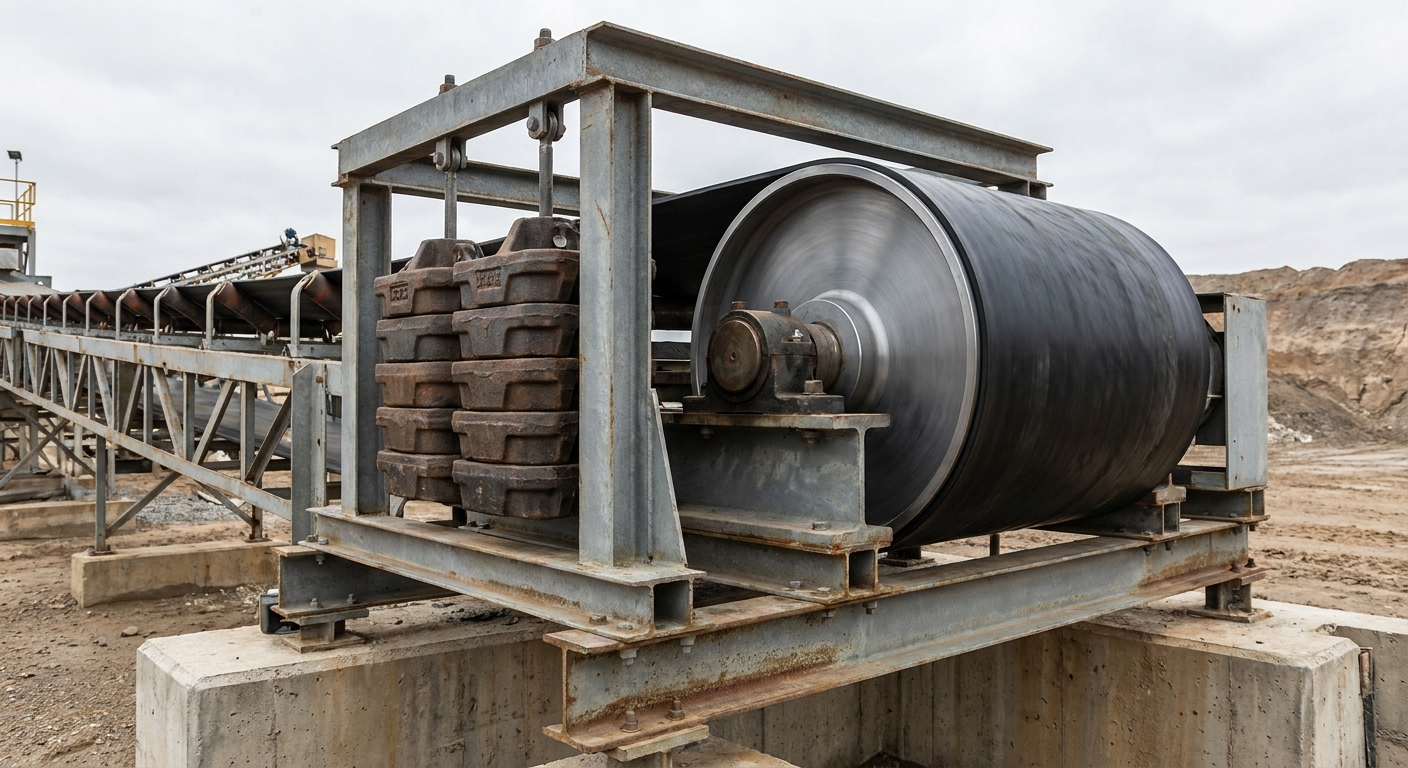
Yes, custom industrial rubber conveyor belt designs can significantly limit spillage by incorporating molded chevron cleats or corrugated sidewalls to keep materials secure on steep inclines. These specialized profiles prevent raw gypsum powder and heavy molds from sliding backward during transport. By keeping materials firmly contained, custom designs maximize throughput and keep your facility clean. They also allow plants to make full use of their vertical space.
Using Profiled Belts for Inclines
Transporting raw gypsum or damp plaster molds up steep inclines on a flat belt often leads to material sliding backward and spilling. You see: molded chevron profiles act as physical barriers that hold materials in place on inclines up to 45 degrees. This prevents material fallback, increases safe transport angles, and saves valuable floor space in your facility. It is a highly effective way to optimize your plant layout.
- Molded chevron cleats prevent material slide-back on steep inclines.
- Custom cleat heights can be adjusted to match your specific material size.
Why Choose Corrugated Sidewalls?
When your facility requires high-capacity or vertical transport, flat belts simply cannot handle the steep angles. Here’s why: corrugated sidewalls combined with transverse cleats form secure pockets that contain materials on inclines up to 90 degrees. This design prevents side spillage and allows you to move materials vertically, maximizing your plant’s throughput. It is the perfect solution for tight factory spaces.
- Corrugated sidewalls prevent side spillage on high-capacity runs.
- Transverse cleats allow vertical or near-vertical transport of fine powders.
Key Takeaway: Custom-designed profiled belts and corrugated sidewalls maximize material containment on steep inclines, keeping operations clean and efficient.
| Belt Design | Max Safe Incline | Primary Spillage Prevention Benefit | |
|---|---|---|---|
| Chevron Cleated Belt | 30 to 45 Degrees | Prevents bulk gypsum from sliding backward | |
| Corrugated Sidewall | Up to 90 Degrees | Total containment of dry powders & raw slurries |
Choosing the correct profiled design allows operators to optimize space while maintaining a clean, spillage-free environment.
What preserves an industrial rubber conveyor belt in casting?
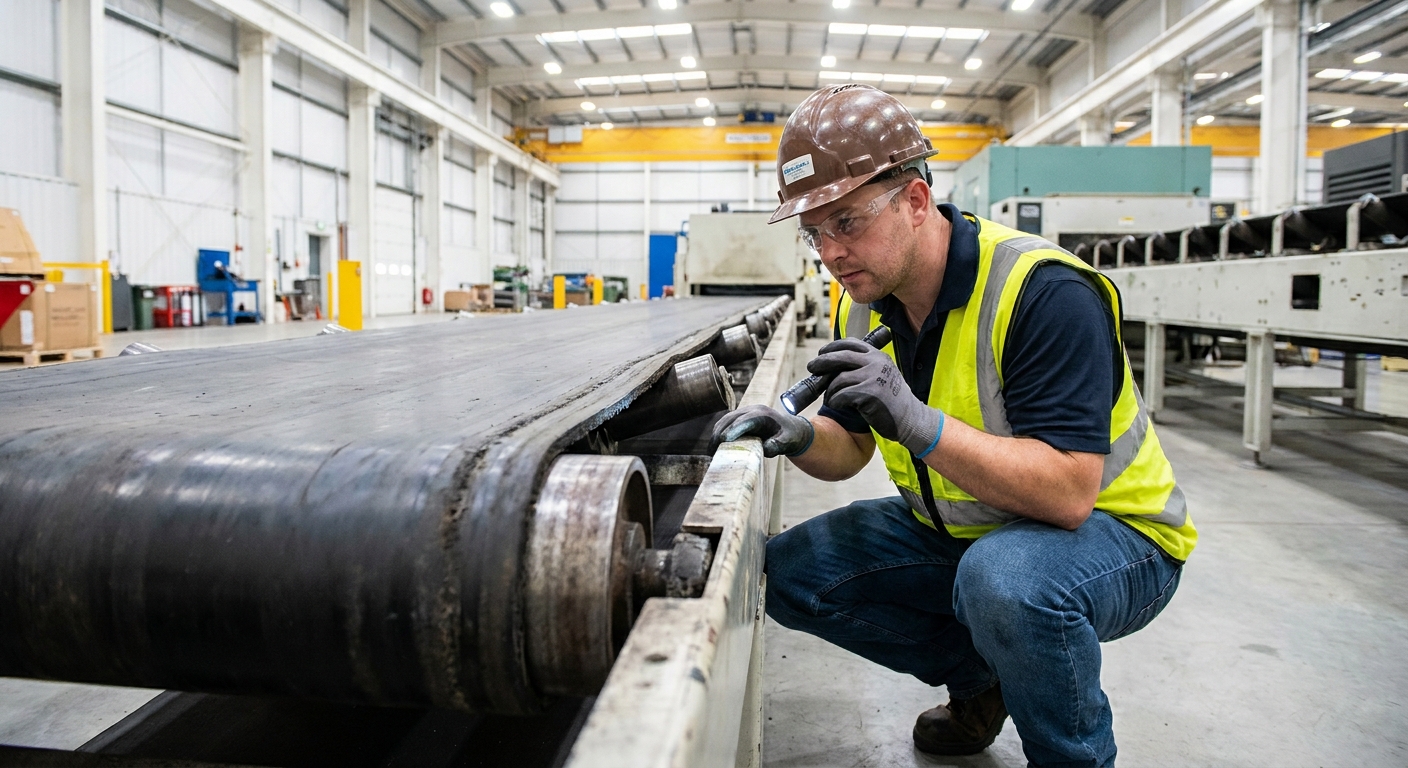
Preserving an industrial rubber conveyor belt in casting facilities requires a combination of regular inspections, proper belt cleaning accessories, and high-quality vulcanized splicing. These proactive maintenance steps prevent fine plaster dust and abrasive materials from building up and causing premature wear. They also help catch small surface cuts and tracking issues before they turn into major failures. Regular maintenance extends your belt’s service life and reduces unexpected downtime.
Routine Splicing and Maintenance Tips
The belt splice is often the weakest point in a conveyor loop, especially under the heavy loads of plaster casting. Think about it. A failing splice can lead to sudden, catastrophic belt breaks that halt your entire production line instantly. Regular inspections of vulcanized splices and mechanical fasteners can catch wear early and prevent expensive emergency shutdowns. This simple step keeps your operations running smoothly.
- Weekly splice inspections help catch early signs of separation or wear.
- Vulcanized splicing provides a stronger, smoother joint than mechanical fasteners.
Selecting the Right Cleaning Accessories
Fine gypsum dust and wet slurry can build up on pulleys and return rollers, causing the belt to mistrack and wear prematurely. But that’s not all. Installing heavy-duty belt scrapers, plows, and brush cleaners keeps the belt’s surface clean and prevents abrasive buildup. These simple cleaning accessories protect your equipment and ensure smooth, reliable tracking. They are a highly cost-effective way to extend your belt’s life.
- Primary scrapers remove wet plaster slurry before it can build up on pulleys.
- Self-cleaning return idlers prevent abrasive dust from wearing the belt’s bottom cover.
Key Takeaway: Combining regular splice inspections with heavy-duty cleaning accessories is essential to prevent premature wear and unexpected belt failure.
| Maintenance Item | Recommended Frequency | Primary Wear Prevention Benefit | |
|---|---|---|---|
| Splice Joint Check | Weekly | Catches early separation to prevent major breaks | |
| Belt Scrapers | Daily | Removes wet slurry to prevent abrasive buildup |
Implementing a strict preventative maintenance schedule is the most effective way to protect your conveyor investment and maintain high yields.
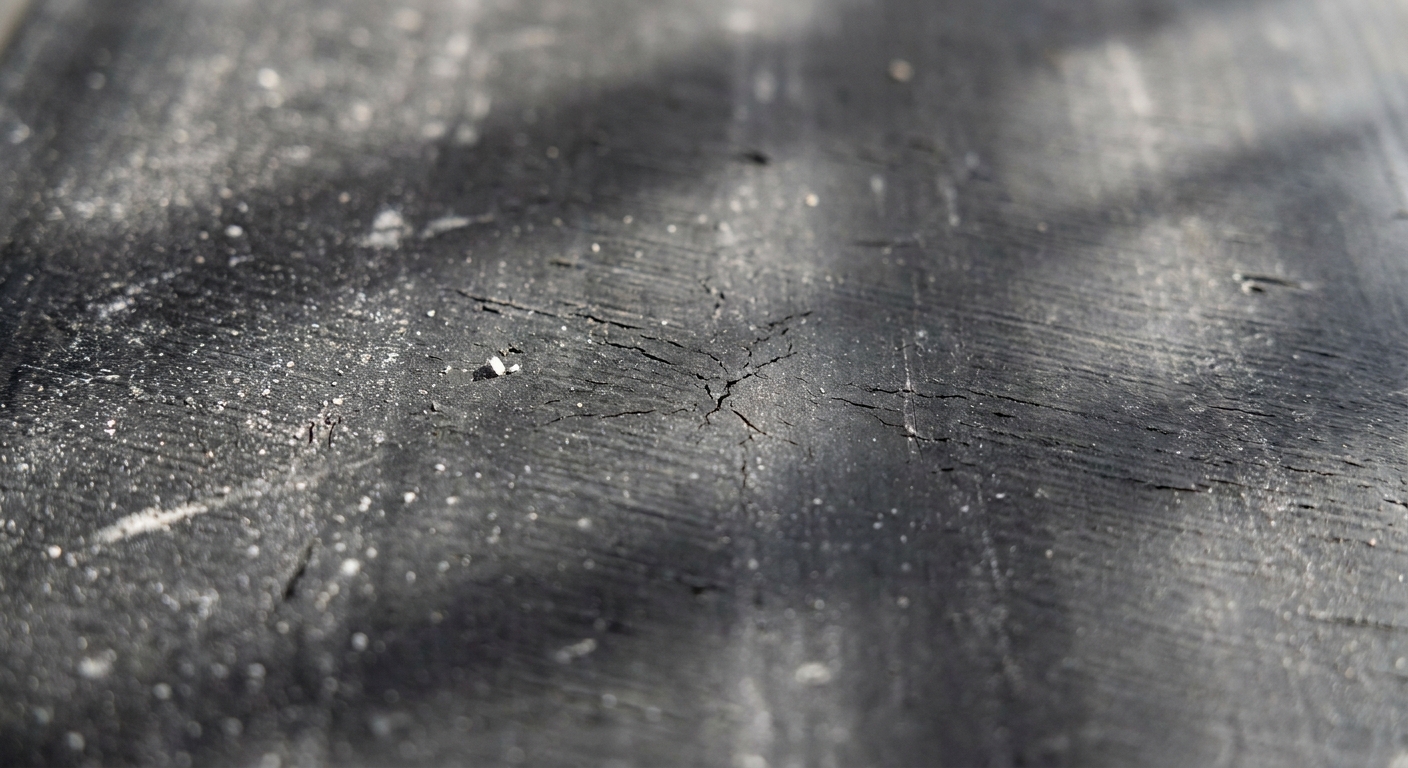
Investing in a premium industrial rubber conveyor belt now is a highly strategic decision that delivers outstanding long-term cost savings, increases operational safety, and maximizes your casting line’s throughput. High-quality belts are specifically engineered to withstand the extreme heat, chemical additives, and heavy impacts of plaster casting. By choosing a durable, high-performance belt, you eliminate the constant repairs and unplanned downtime that come with low-grade options. It is an investment that quickly pays for itself in increased productivity.
Long-Term Cost Savings on Maintenance
While low-grade conveyor belts seem attractive upfront, they quickly fail under the demanding conditions of plaster casting. Here’s why: cheap belts require constant repairs, splicing adjustments, and early replacement, which drives up your total operating costs. Premium belts, on the other hand, offer exceptional durability and a much longer service life. Investing in quality upfront drastically reduces your annual maintenance costs and increases your ROI.
- Premium compounds extend belt service life by up to three times.
- Reduced maintenance needs translate directly into lower labor costs and less downtime.
Meeting Strict Safety and Eco Standards
Modern casting facilities must meet strict safety and environmental regulations to protect workers and maintain compliance. You see: premium flame-retardant and anti-static belts minimize fire hazards and prevent dangerous static build-up in dusty environments. Dust-free bulk handling designs also help keep your facility clean and safe, protecting workers’ health. Choosing a premium belt ensures your plant remains safe, clean, and fully compliant.
- Flame-retardant covers protect your personnel and prevent catastrophic facility damage.
- Dust-free transport designs help your plant meet strict air quality standards.
Key Takeaway: Investing in premium heavyweight conveyor belts delivers outstanding long-term cost savings, protects your workers, and ensures full regulatory compliance.
| Metric | Standard Belting | Premium Heavyweight Belting | |
|---|---|---|---|
| Expected Lifespan | 6 to 9 Months | 24 to 36 Months | |
| Operational Safety | Standard | Exceptional (Flame-Retardant/Anti-Static) |
Analyzing these key differences demonstrates how upgrading to premium belting secures your production line’s profitability and safety.
Maximizing throughput in plaster casting requires a material handling system that can handle continuous mechanical stress, high temperatures, and abrasive materials. Standard utility belts quickly fail under these harsh conditions, causing costly unplanned downtime and reduced product quality. By upgrading your foundry lines to specialized, high-tensile heavyweight conveyor belts, you protect your production from heat damage, minimize material spillage, and ensure reliable, long-term performance.
Are you ready to optimize your material handling lines with durable, custom-engineered conveyor solutions? Please contact us today to discuss your project specifications, request detailed product samples, and get a tailored quote from our expert engineering team.
Frequently Asked Questions (FAQs)
Can I use a standard fabric belt for transporting raw gypsum?
No, you should avoid using standard utility fabric belts for high-volume raw gypsum transport. Raw gypsum’s fine powder and abrasive nature require high abrasion-resistant covers and profiled structures on inclines to prevent continuous slippage, cover gouging, and rapid tracking degradation.
What’s the best belt type for transporting heavy plaster molds?
High-strength steel cord or multi-ply EP belts with impact-absorbing covers are the superior choice. These configurations provide the low elongation and high tensile strength necessary to support heavy, rigid plaster molds and flasks without sagging, stretching, or causing structural belt mistracking.
How do I know if my casting line needs a heat-resistant belt?
You must upgrade immediately if your conveyor’s surface temperatures exceed 100°C (212°F). Standard rubber covers rapidly degrade, crack, and lose tensile strength when exposed to hot plaster molds or cured metals, leading to premature splice failures and cracking.
Can I integrate corrugated sidewalls on an existing incline conveyor?
Yes, provided your conveyor’s pulley diameters and framework clearance match the sidewall’s flexing limits. Upgrading to corrugated sidewall profiles prevents lateral material spillage on steep inclines up to 90 degrees, maximizing throughput within a compact footprint.
How do I know if my conveyor belt requires flame retardancy?
Flame-retardant specifications are absolutely mandatory if your operations run in enclosed zones or near active furnaces. Handling casting processes with high thermal hazards requires certified self-extinguishing covers to protect personnel and prevent catastrophic facility fires.