
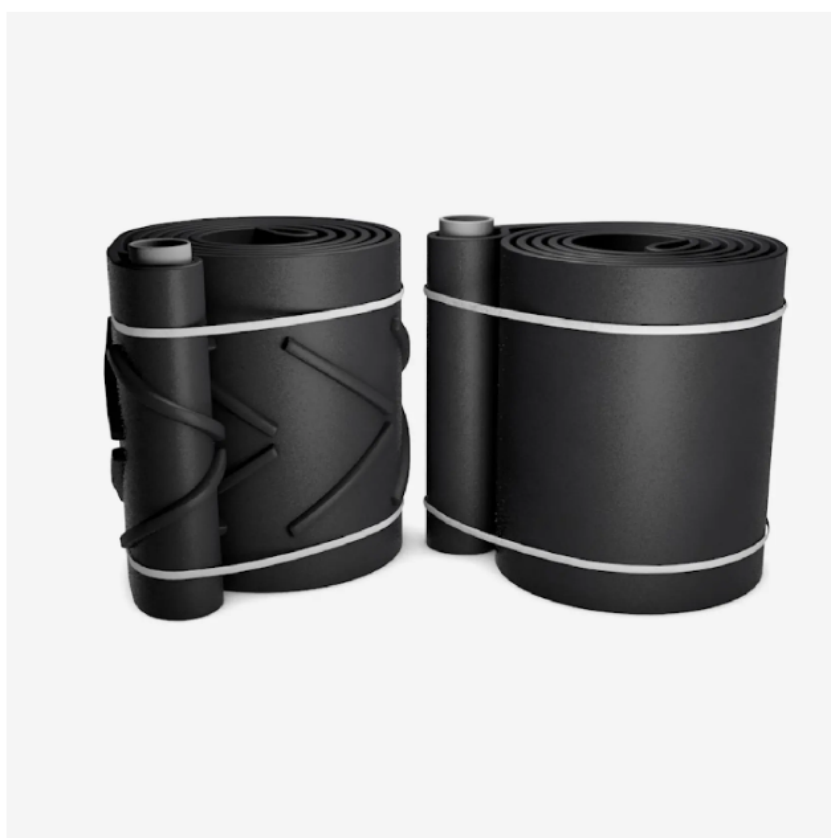
An endless rubber conveyor belt is designed to deliver uninterrupted material transport in demanding plaster casting and mineral processing environments. Unlike traditional jointed belts that are vulnerable to mechanical fastener failures, endless conveyor belts provide seamless construction for greater tensile strength, reduced material leakage, and smoother operation. These high-performance belts help prevent costly downtime, minimize maintenance requirements, and improve production efficiency when transporting gypsum, limestone, and other bulk materials under heavy loads. By eliminating weak connection points, an endless belt system ensures reliable long-term performance and cleaner industrial operations.
What is an endless rubber conveyor belt?
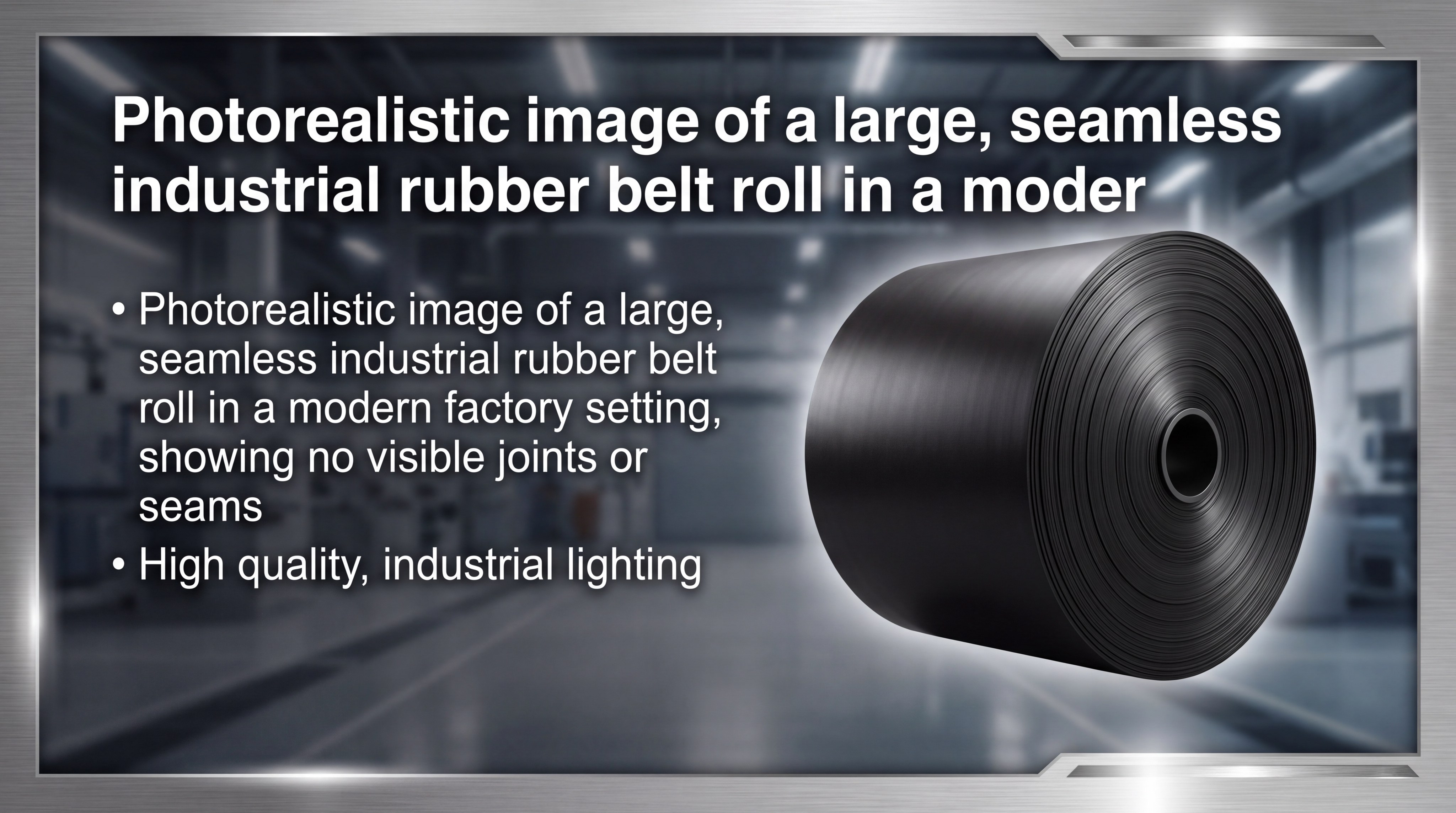
An endless rubber conveyor belt is a jointless loop of reinforced rubber manufactured as a single piece to ensure uniform thickness and strength across its entire circumference. This endless rubber conveyor belt is produced in a controlled factory environment using hot vulcanization, making it far superior to belts joined on-site.
Why is seamless construction critical for you?
You require a transport system that can handle the extreme vibrations and heavy impacts of mineral processing without fraying at the edges. But that’s not all:
- Seamless surfaces eliminate “bump” vibrations at the pulleys.
- Internal fabrics are molecularly bonded for maximum tension.
- No mechanical parts can corrode or damage your machine frames.
Key Takeaway: Jointless belts eliminate the splice—the most common point of failure—to provide 100% reliability for heavy-duty casting applications.
| Feature | Spliced Belt | Endless Rubber Belt | |
|---|---|---|---|
| Joint Type | Fastener or Cold Glue | Hot Vulcanized (Seamless) | |
| Failure Risk | High at the splice | Negligible | |
| Material Loss | Frequent leakage at joint | Zero leakage |
Choosing a seamless loop is the most effective way to protect your equipment from the abrasive dust common in plaster production.
How does a seamless belt operate?
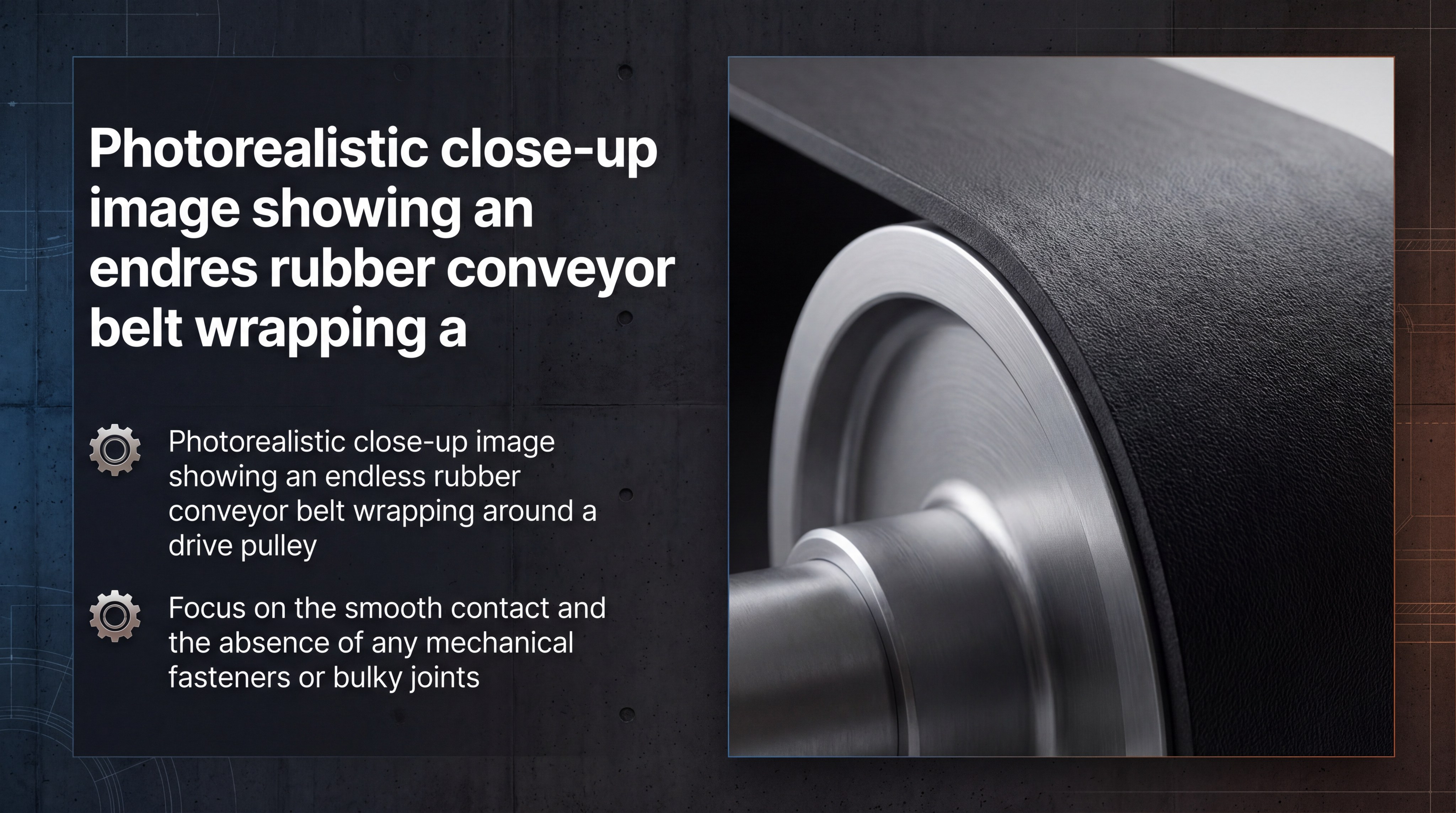
A seamless belt operates by distributing driving tension perfectly across its continuous loop, which prevents the tracking and slipping issues often caused by uneven splices. Because the endless rubber conveyor belt has a uniform thickness, it maintains constant contact with the drive pulley for optimal power transfer.
Does the drive pulley benefit?
Smaller pulleys can be used because there are no stiff mechanical joints to resist bending as the belt wraps around the cylinder. Here is the kicker:
- Constant friction reduces motor energy consumption.
- Lack of fasteners means silent, click-free operation.
- Self-centering properties reduce guide rail wear.
Key Takeaway: Uniform tension distribution ensures the belt stays centered and operates quietly even under maximum capacity.
| Operational Metric | Standard Belt Performance | Endless Belt Performance | |
|---|---|---|---|
| Tracking Stability | Low to Moderate | Exceptionally High | |
| Noise Level | Clicking/Bumping | Near-Silent | |
| Vibration | High at joint pass | None |
Smooth pulley interaction translates directly into lower electricity costs and longer motor life for your conveyor systems.
Where is it used in plaster casting?
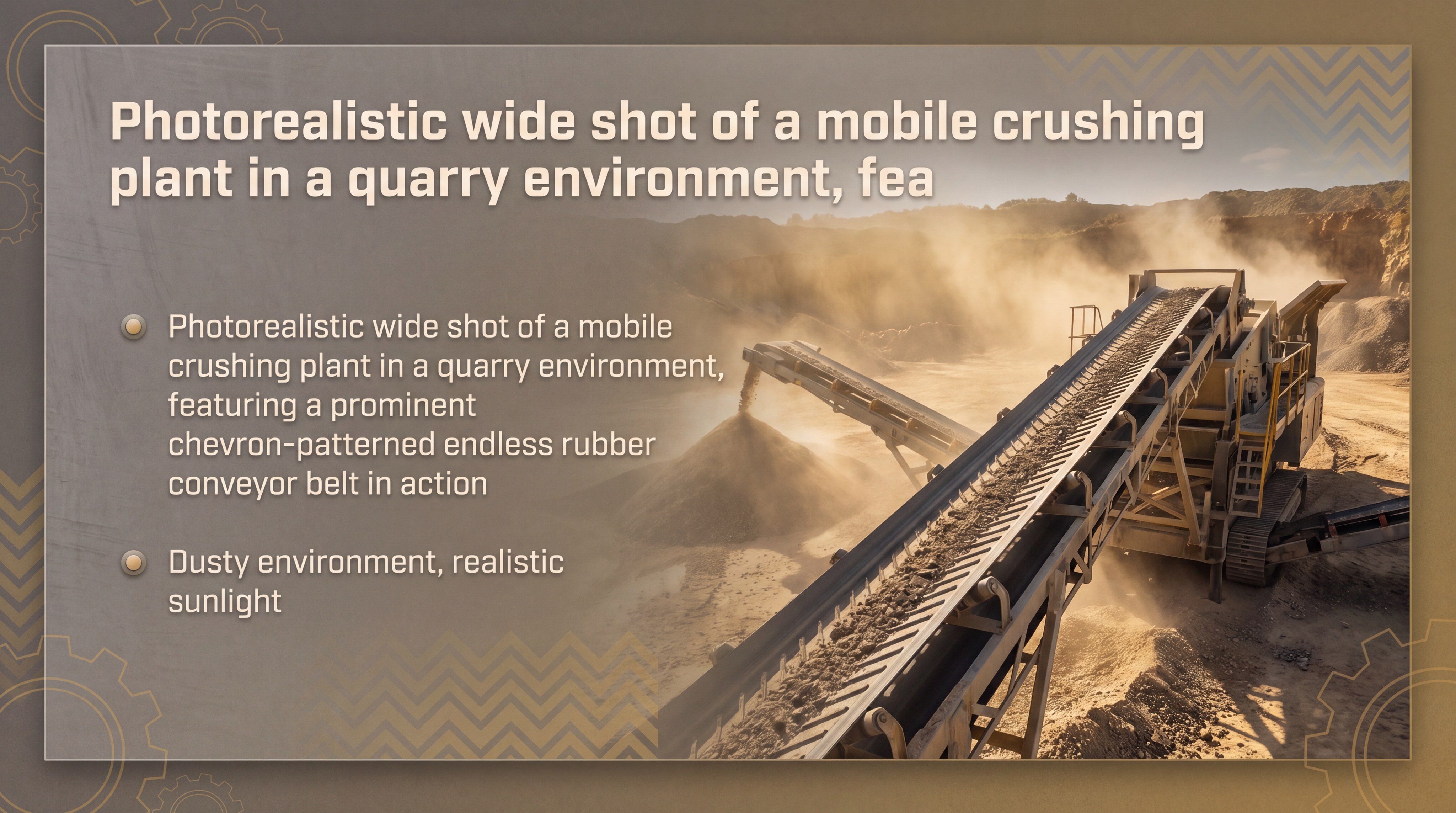
In plaster casting, these belts are used to transport raw gypsum from primary crushers to storage silos where fine material containment is the top priority. This endless rubber conveyor belt is also essential for incline systems where material slippage must be prevented.
Is it fit for abrasive gypsum?
Raw gypsum is naturally abrasive and can quickly wear down exposed metal fasteners or glue-hardened splices in traditional belts. Believe it or not:
- Seamless covers provide a 360-degree shield against abrasion.
- Fine powders cannot settle into joint gaps.
- It survives the high-vibration screening process easily.
Key Takeaway: The lack of openings in an endless belt prevents fine minerals from escaping and damaging your roller bearings.
| Application | Primary Material | Preferred Belt Style | |
|---|---|---|---|
| Crushing Area | Gypsum Rock | High Impact Endless | |
| Silo Feeding | Fine Plaster Dust | Dust-Tight Seamless | |
| Truck Loading | Aggregates | Chevron Patterned Loop |
Deploying a jointless system in your quarrying or milling section drastically reduces the need for manual cleaning crews.
What is the hot vulcanization process?
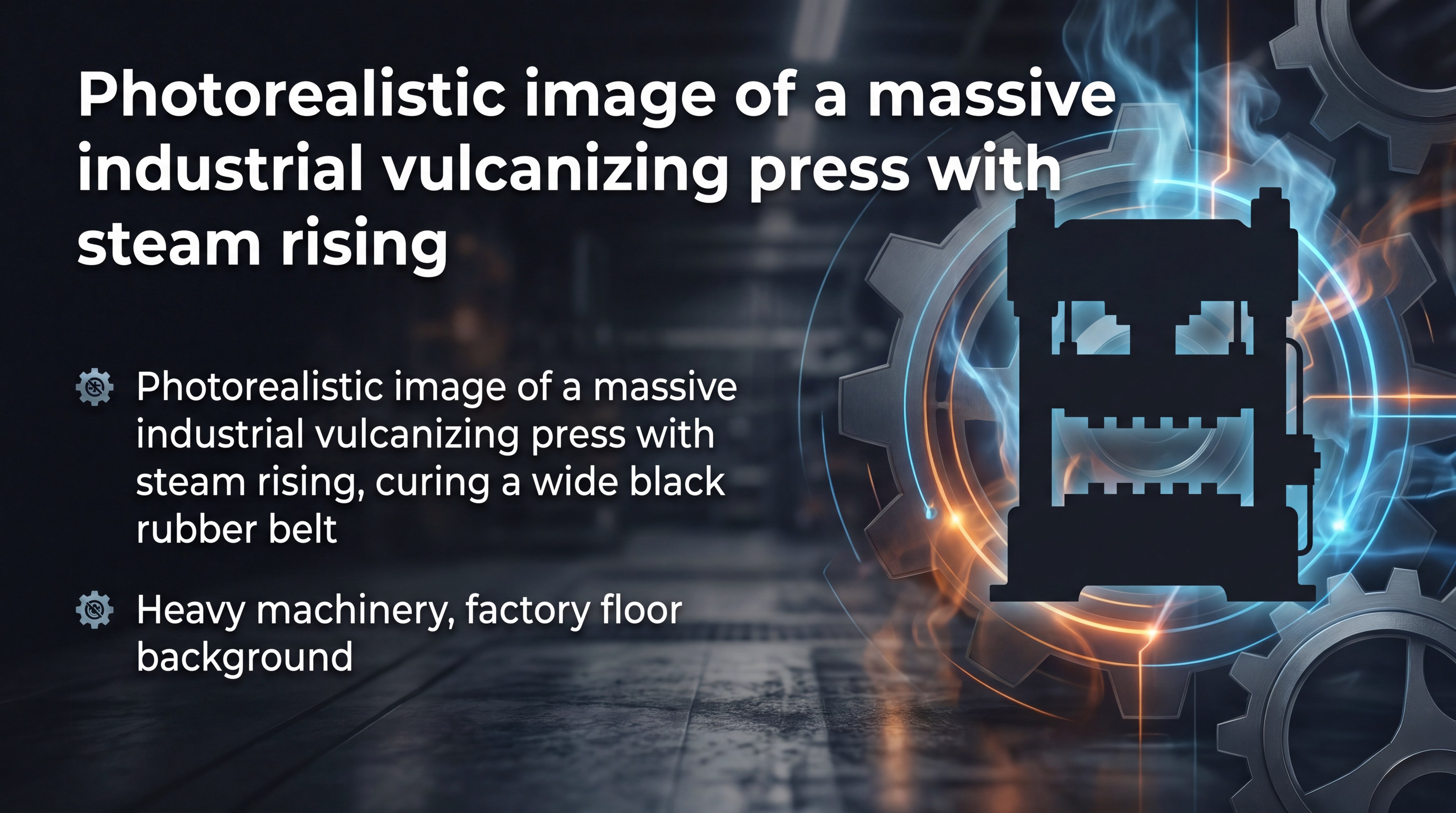
The hot vulcanization process involves placing the belt ends into a high-pressure press where heat fuses the rubber and internal fabrics into a single, permanent bond. This ensures the endless rubber conveyor belt becomes a molecularly unified structure that is just as strong at the “join” as it is elsewhere.
How is molecular bonding achieved?
You achieve a superior bond by combining specific temperatures with thousands of pounds of pressure to cure the rubber compound. But wait, there’s more:
- Heat creates a permanent chemical cross-link.
- Fabric layers are precision-overlapped for strength.
- The finished product has no visible seam.
Key Takeaway: Vulcanization ensures the belt can withstand high-starting torque without the risk of the “seam” pulling apart.
| Process Variable | Purpose | Result | |
|---|---|---|---|
| High Heat | Initiates chemical curing | Structural Unity | |
| Extreme Pressure | Removes air pockets | High Density | |
| Overlapping Plies | Distributes tensile load | No Weak Spots |
This precision manufacturing method ensures your belt remains a true loop that never stretches or snaps during peak production hours.
Why choose it over spliced belts?
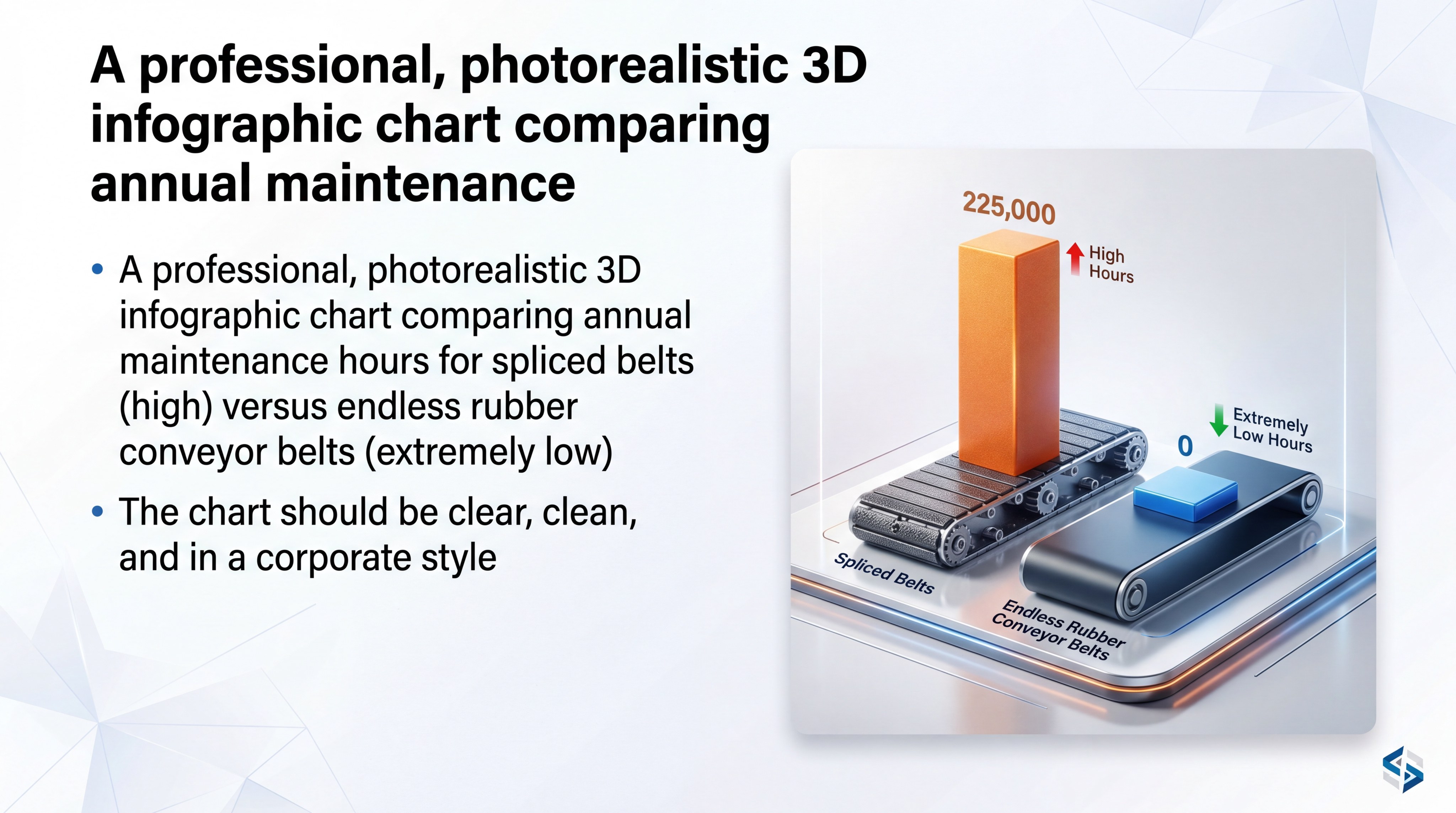
Choosing a seamless belt over a spliced one is the most effective way to lower your total cost of ownership by eliminating expensive emergency repairs. This endless rubber conveyor belt pays for itself by reducing the labor hours typically spent on fastener replacement.
Does it lower total costs?
While the initial purchase price may be higher, the savings in uptime and material recovery provide a significant return on investment. It gets better:
- Maintenance intervals are extended by up to 300%.
- No more material “leaking” onto the plant floor.
- Belt life is extended by several years.
Key Takeaway: Eliminating the splice removes 90% of all common belt-related failures in mineral processing plants.
| Comparison | Spliced Belt System | Endless Belt System | |
|---|---|---|---|
| Maintenance Frequency | Monthly checks required | Annual inspection only | |
| Repair Cost | High (Labor + Parts) | Near Zero | |
| Service Life | 12 – 18 Months | 36 – 60 Months |
Reducing your maintenance staff’s workload allows them to focus on preventative care rather than fighting constant fire-drills.
How are these belts manufactured?
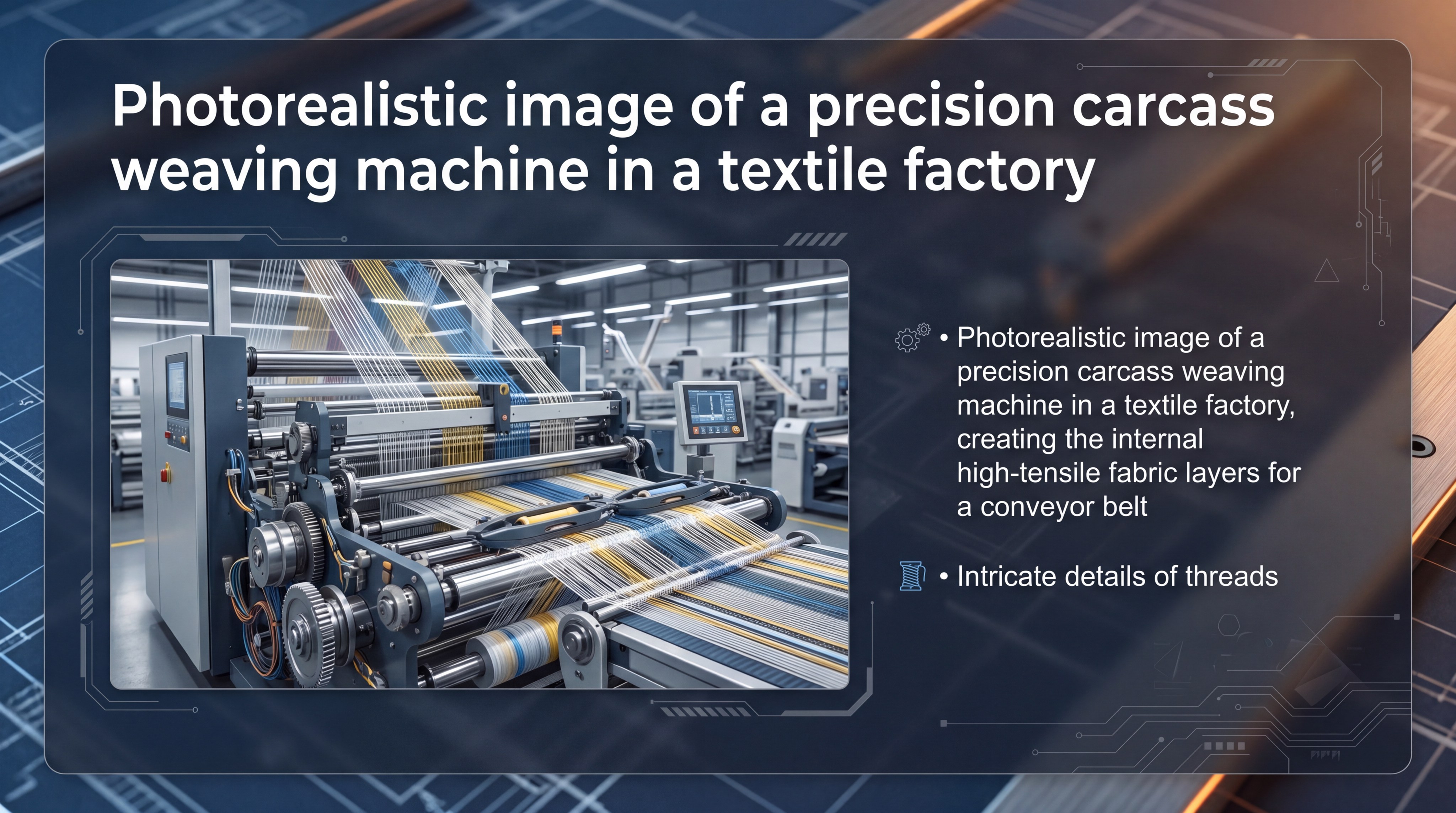
Manufacturing begins with the precision weaving of the internal carcass to ensure that the tensile strength is perfectly balanced throughout the endless rubber conveyor belt. Modern machines use high-tensile polyester and nylon fabrics to create a core that resists stretching under the heaviest plaster loads.
Can internal layers be customized?
You can customize the number of fabric plies or even include steel breaker layers to protect the belt from sharp gypsum rocks. Check this out:
- Multi-ply designs handle higher tensions.
- Steel cords provide zero-stretch performance.
- Rubber grades can be adjusted for heat.
Key Takeaway: Custom carcass engineering allows your belt to be specifically tuned for the unique impact levels of your site.
| Carcass Type | Strength Level | Best Application | |
|---|---|---|---|
| EP Fabric | High Elasticity | Short to Mid-range | |
| Steel Cord | Maximum Tensile | Long Distance / Heavy | |
| Ripstop Mesh | Impact Resistant | Primary Crushers |
A well-engineered carcass is the hidden foundation that allows your production line to carry thousands of tons without fail.
Can it improve plant safety levels?
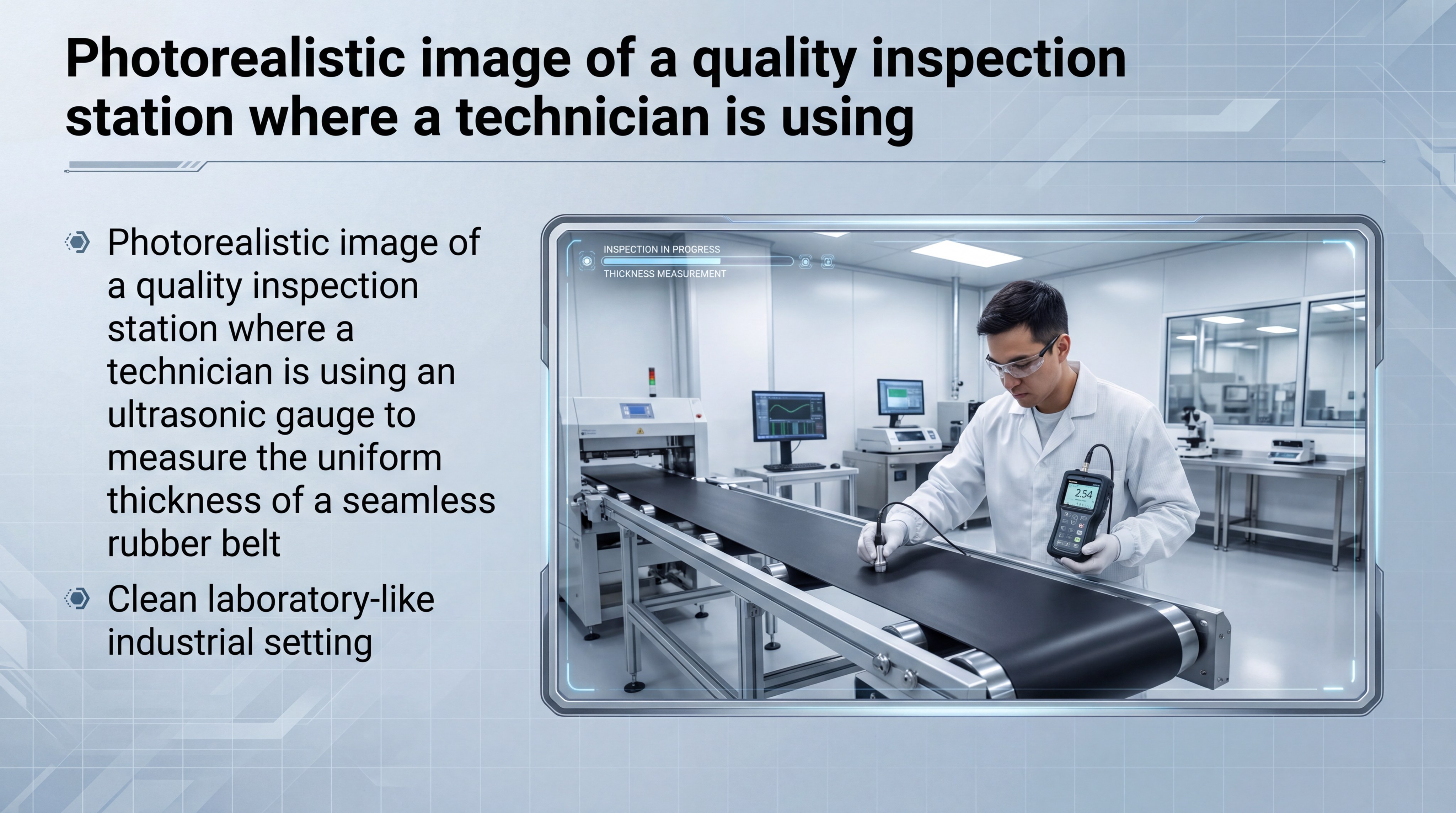
Plant safety is significantly improved because the absence of mechanical fasteners removes the risk of sharp metal hooks catching on workers’ clothing or skin. This endless rubber conveyor belt also creates a cleaner environment by preventing the dust explosions associated with leaking gypsum.
Are sharp fasteners a risk?
Mechanical fasteners can become dangerous projectiles if they fail under tension, posing a severe threat to nearby personnel. But that’s not all:
- Smooth surfaces allow for safe manual cleaning.
- No “snagging” on scrapers or skirt boards.
- Reduced noise pollution improves worker focus.
Key Takeaway: Moving away from mechanical joints is a proactive step toward achieving zero-accident targets in your facility.
| Hazard | Mechanical Splicing | Seamless Solution | |
|---|---|---|---|
| Sharp Edge Cuts | High Risk | Zero Risk | |
| Dust Explosion | Possible (Leakage) | Prevented (Sealed) | |
| Projectile Risk | Possible | None |
Prioritizing a seamless design protects your most valuable asset—your people—while maintaining a more professional and orderly worksite.
Which specifications should you use?
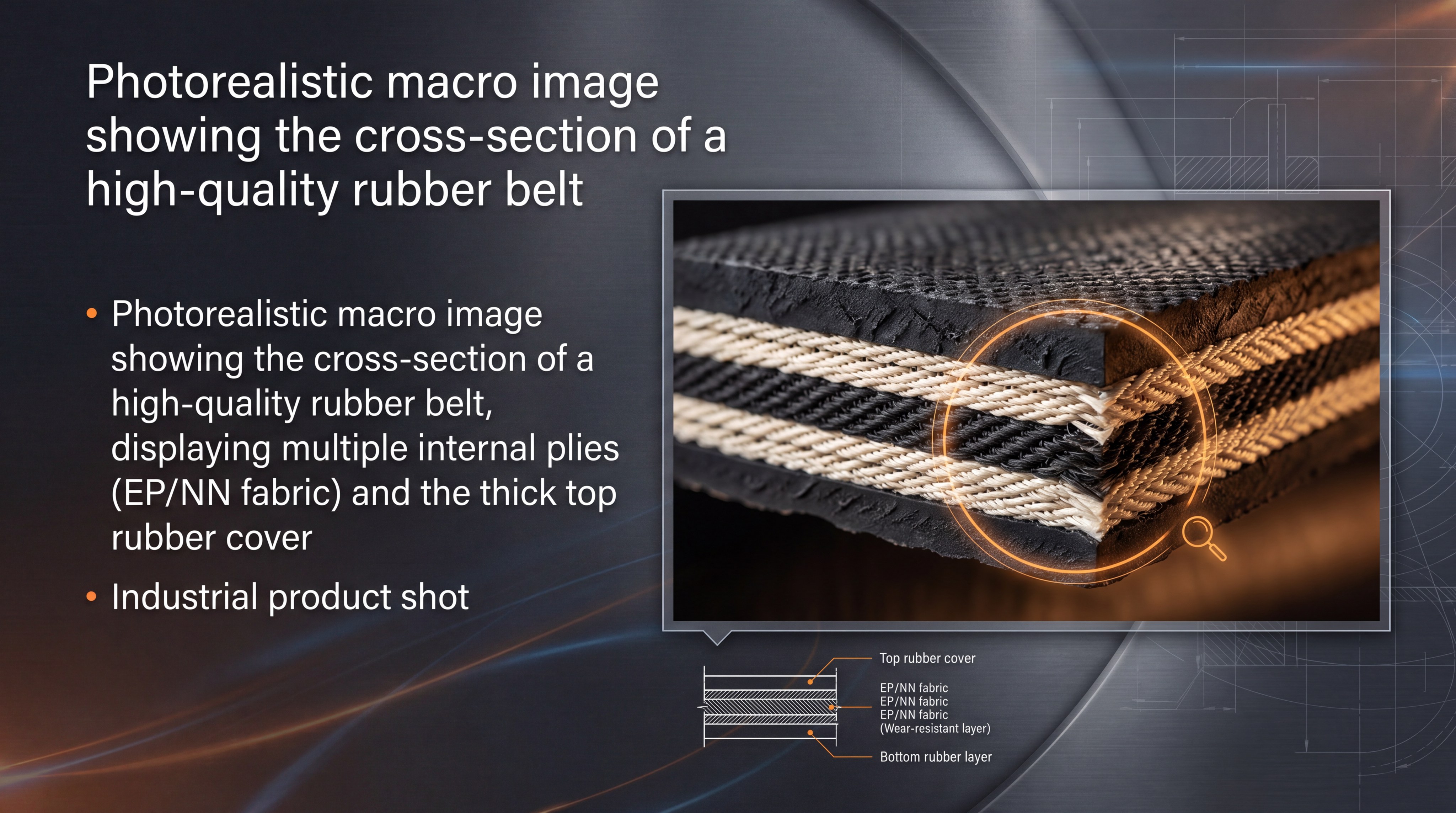
You should select specifications based on the abrasion levels of your gypsum and the maximum temperature of the processed plaster powder. The endless rubber conveyor belt is available in various cover thicknesses to provide the exact level of protection your application demands.
What cover grade is best?
Grade M and Grade N are typically used for high abrasion resistance, ensuring that the belt surface doesn’t “pock” or “crater” when hit by falling rocks. Here is the kicker:
- Thick top covers absorb impact energy.
- Heat-resistant grades prevent hardening.
- Oil-resistant covers handle processed additives.
Key Takeaway: Matching the rubber compound to your specific mineral chemistry can double the lifespan of your belt.
| Property | Mineral Grade | Heat-Resistant Grade | |
|---|---|---|---|
| Abrasion Loss | < 90mm³ | < 150mm³ | |
| Max Temperature | 80°C | Up to 200°C | |
| Puncture Resistance | Extreme | Moderate |
Ensuring you have the correct cover grade prevents the premature cracking that often leads to internal carcass failure and belt snapping.
How do you maintain jointless belts?
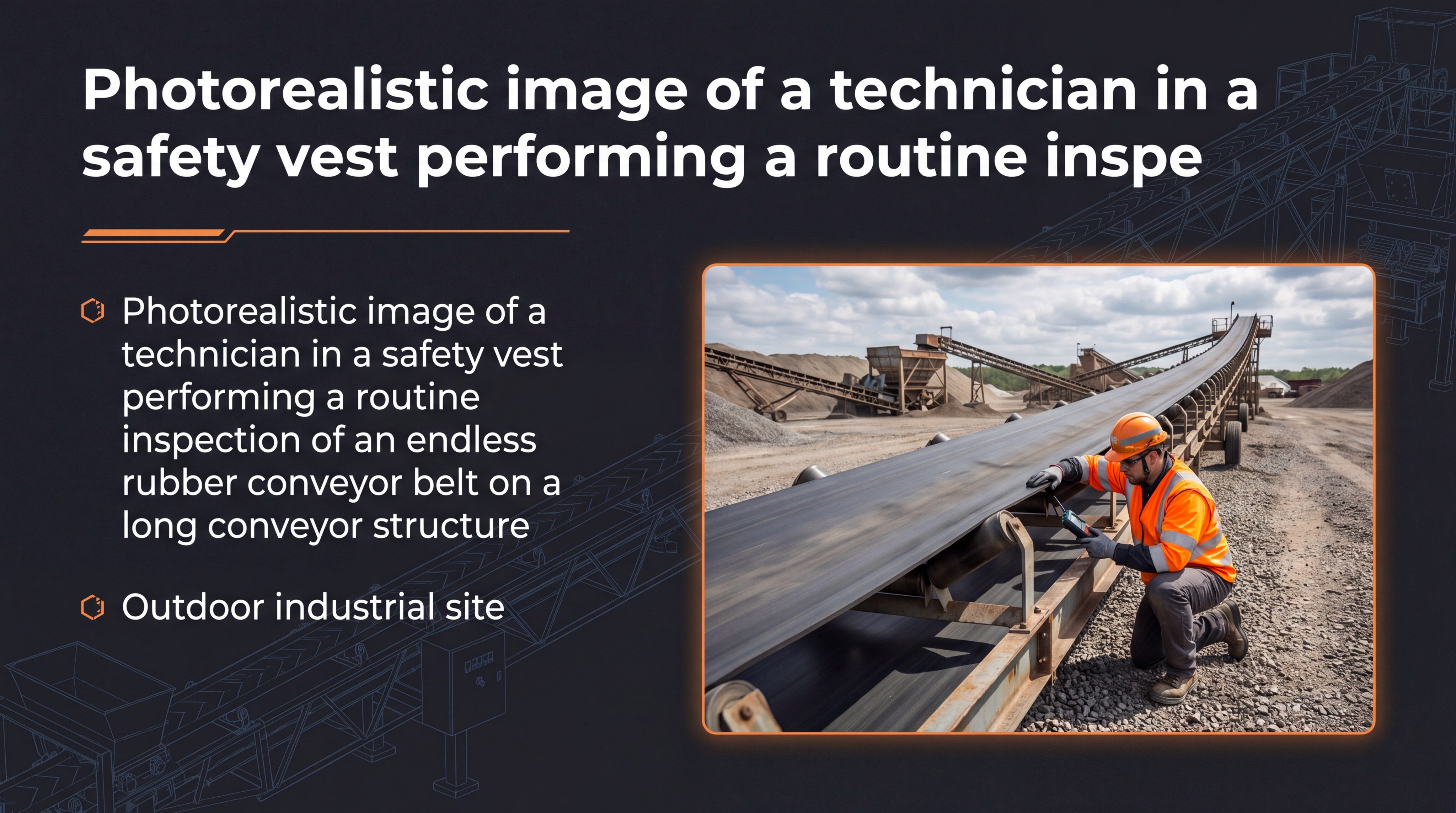
Maintaining jointless belts is straightforward and involves routine checks of edge wear and ensuring that the belt scrapers are correctly tensioned. This endless rubber conveyor belt requires far less intervention than spliced models, but visual inspections are still vital.
What about scraper adjustments?
Because there is no “bump” from a fastener, you can set your scrapers to higher pressure for a perfectly clean surface without fear of damage. Believe it or not:
- Cleaning efficiency increases by up to 40%.
- Scraper blades last longer on smooth rubber.
- No joint-related “skipping” occurs.
Key Takeaway: Seamless belts allow for more aggressive cleaning, which keeps your return rollers free from material buildup.
| Maintenance Task | Frequency | Focus Area | |
|---|---|---|---|
| Visual Inspection | Monthly | Edge fraying | |
| Scraper Check | Quarterly | Tension & Wear | |
| Pulley Alignment | Annually | Tracking accuracy |
A consistent, low-effort maintenance schedule is all that’s required to keep your endless system running for five years or more.
Where can you find expert support?
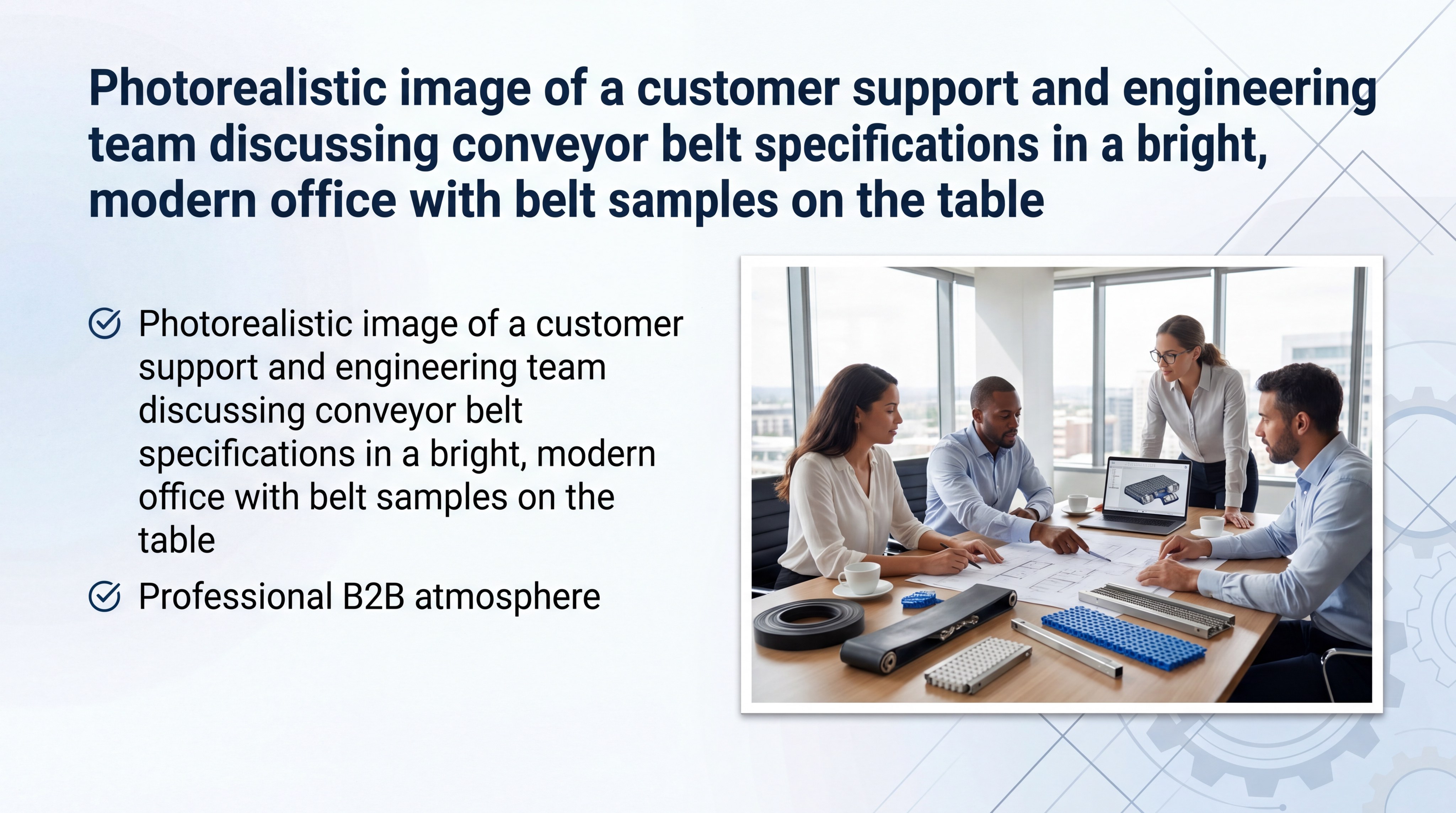
Expert support is available through our dedicated engineering team who can help you calculate the exact belt length and tension requirements for your machinery. Selecting the right endless rubber conveyor belt requires an understanding of your pulley diameters and the specific mineral throughput of your plant.
How do we start your project?
You can start by providing us with your conveyor drawings so we can manufacture a belt that fits perfectly the first time. But wait, there’s more:
- We provide site-specific belt recommendations.
- Global delivery ensures minimal lead times.
- Full technical data sheets are available.
Key Takeaway: Partnering with a specialized manufacturer ensures you get industrial-grade quality backed by decades of engineering experience.
| Support Phase | Action | Benefit | |
|---|---|---|---|
| Consultation | Technical review | Correct spec choice | |
| Manufacturing | Precise curing | Perfect fitment | |
| After-sales | Performance tracking | Optimized life cycle |
Having a team of experts on your side ensures that you never have to guess about belt strength or material compatibility again.
What is an endless rubber conveyor belt FAQ?
Can I install an endless belt on an enclosed conveyor frame?Yes, but you must ensure the frame has removable side panels or pulleys that can slide out, as these belts cannot be opened and “threaded.”
What’s the best way to prevent edge fraying?Correct pulley alignment is the best solution; if the belt is centered, it will never rub against the frame and damage its edges.
How do I know if my belt is stretched too far?If your take-up pulley is at its maximum travel limit and the belt is still slipping, it has reached the end of its structural life.
Can I use these belts for 200°C materials?Certainly, provided you specify an EPDM heat-resistant cover during the manufacturing process to prevent the rubber from becoming brittle.
How do I know if I need a chevron pattern?If your incline angle is greater than 18 degrees, a chevron pattern is necessary to prevent the raw minerals from rolling backward.
Conclusion
The transition to endless conveyor belts in the plaster casting industry is a strategic move toward higher efficiency and reduced operating costs. By eliminating the structural weaknesses of traditional splices, you ensure that your production line remains resilient against the abrasive and heavy demands of mineral transport. Seamless technology not only protects your mechanical components but also creates a safer, cleaner, and more productive facility.
At our core, we are dedicated to providing the most reliable belt solutions for the world’s most demanding industrial environments. We invite you to contact us today to discuss your specific project needs and experience the difference that true engineering excellence can make for your business.