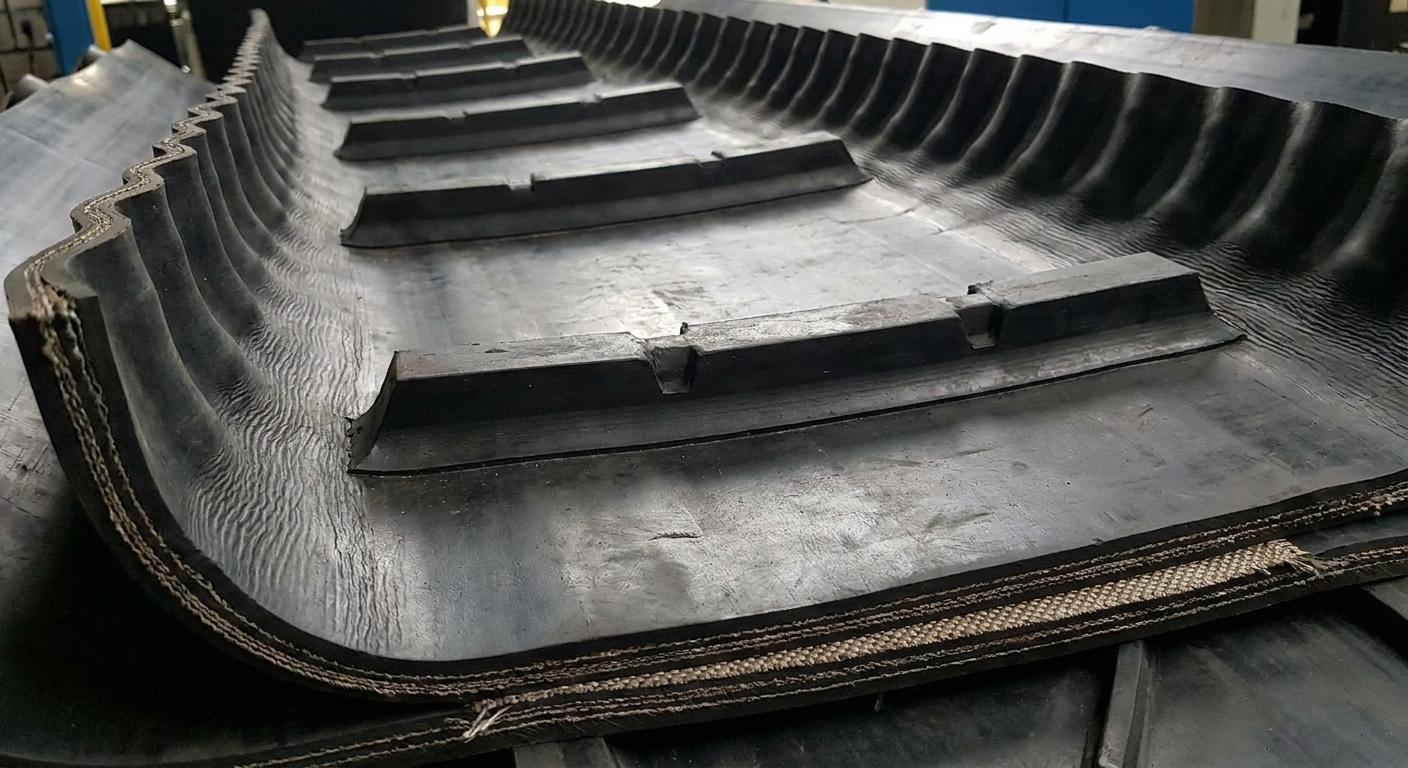
A durable sidewall rubber conveyor belt is an advanced material handling solution specifically engineered for steep incline and vertical conveying applications. Featuring reinforced cleats and corrugated sidewalls, this conveyor belt securely transports bulk materials at angles up to 90 degrees while preventing spillage and rollback. Ideal for facilities with limited floor space, it maximizes operational efficiency by enabling continuous vertical transport without the need for multiple transfer points. With its heavy-duty construction, excellent wear resistance, and reliable pocketed design, a durable sidewall rubber conveyor belt helps reduce maintenance costs, improve productivity, and optimize material handling performance in demanding industrial environments.
The Problem of Vertical Lifting
Traditional conveyor systems require long, gradual inclines to prevent material from sliding backward. This setup consumes massive amounts of floor space that could be used for more productive machinery.
- Wasted industrial real estate.
- Excessive material fallback risks.
- Complex multi-conveyor transfer points.
- Increased dust and debris accumulation.
A High-Capacity Engineering Solution
Believe it or not, these belts can replace three separate standard conveyors with one continuous run. They utilize a cross-stabilized base to maintain rigidity while navigating vertical transitions. This design ensures that your bulk cargo remains perfectly contained throughout the entire lift.
Why is the durable sidewall rubber conveyor belt essential?
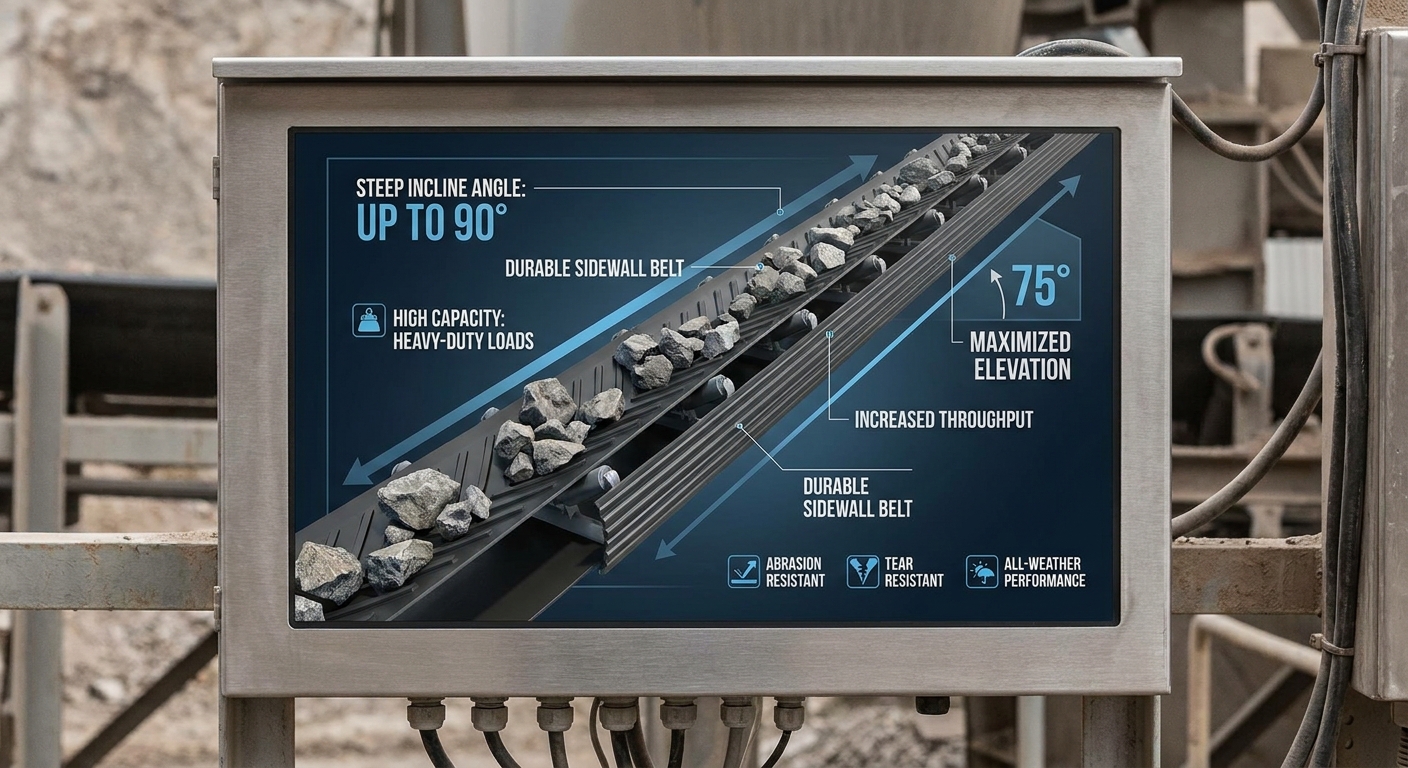
This specific belt is essential because it maximizes space efficiency while handling heavy material loads that traditional systems simply cannot manage. When your operational layout demands vertical transport, the durable sidewall rubber conveyor belt ensures bulk materials remain trapped within defined pockets. This specialized containment prevents the costly sliding and product loss common at angles greater than 18 degrees.
Space-Saving Vertical Transport
Think about it for a moment. By lifting materials at a 90-degree angle, you drastically reduce the horizontal length of your entire transport system. This reclaimed space allows for easier facility expansion and optimized workflow designs.
- Reduced structural footprint.
- Increased vertical lifting height.
- Lower infrastructure construction costs.
- Improved site navigation for vehicles.
Eliminating Wasteful Transfer Points
Here is the thing: Most material damage and dangerous dust emissions occur at transfer points between different conveyor segments. A continuous sidewall system eliminates these points, ensuring a smoother and cleaner transition from horizontal to vertical runs.
| Feature | Sidewall Belt Benefit | Operational Impact | |
|---|---|---|---|
| Incline Capacity | Up to 90 Degrees | Maximized facility space | |
| Transfer Design | Single continuous run | Lower maintenance costs | |
| Pocket Volume | High-capacity containment | Increased hourly throughput |
This comparison highlights how specialized geometry transforms standard transport into a high-performance vertical solution for modern industry.
Key Takeaway: Choosing a sidewall system allows for vertical lifting and space optimization that standard conveyors can never achieve.
How does the durable sidewall rubber conveyor belt function?
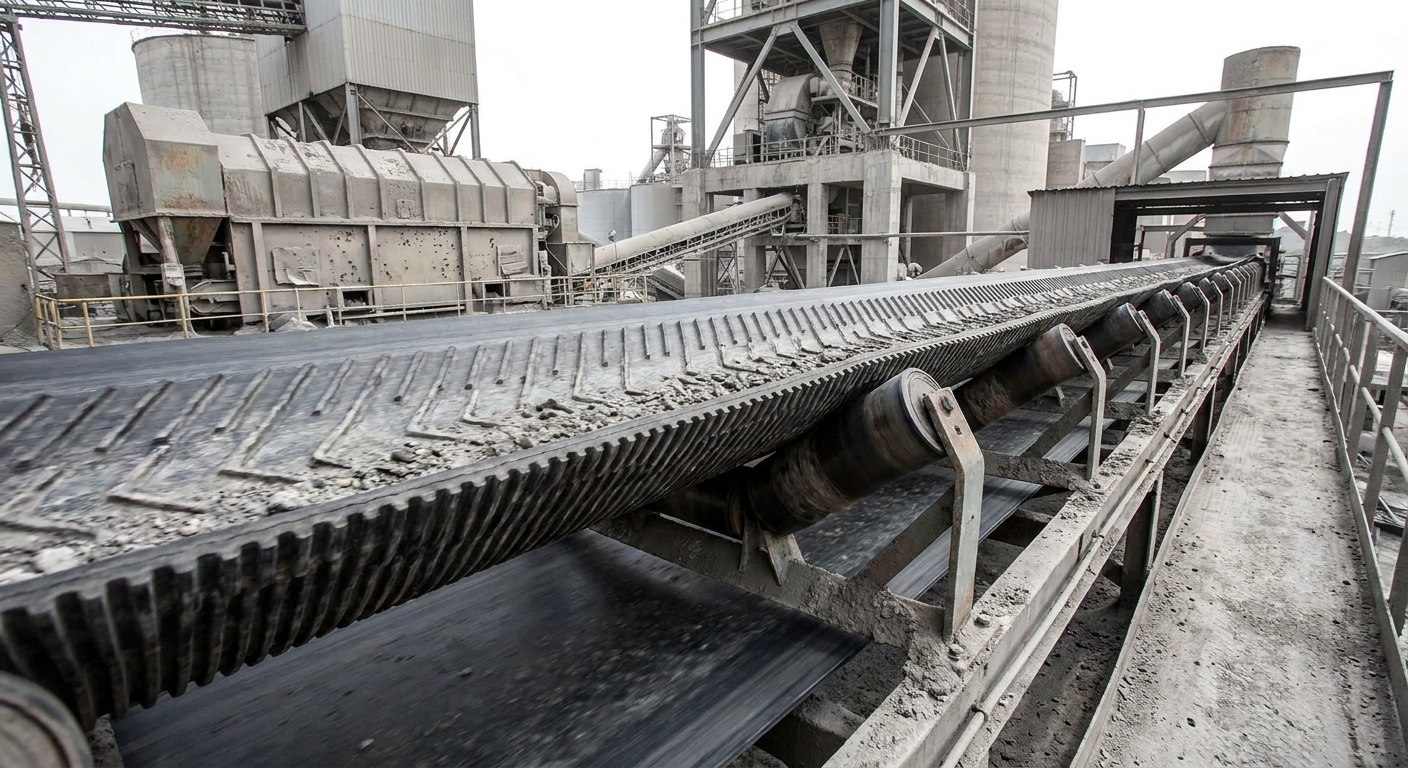
It functions by combining a cross-stabilized base belt with corrugated sidewalls and transverse cleats to form a series of moving containers. The system relies on the unique structural integrity of its base, which must remain rigid across its width but flexible along its length. This duality allows the belt to support heavy loads without sagging while still wrapping around pulleys and deflection wheels.
The Cross-Stabilized Mechanism
Look at it this way: The foundation is a specialized carcass that prevents the belt from bowing or “cupping” under the weight of the material. This lateral stiffness is achieved through specific synthetic fabric or steel reinforcements.
- Prevents belt edge sagging.
- Ensures stability on return idlers.
- Supports vertical cleat weight.
- Maintains a flat profile during the lift.
Dynamics of Corrugated Walls
Want to know the secret? The sidewalls are corrugated in a “concertina” fashion to stretch and compress as the belt navigates tight curves. This prevents the rubber from cracking or tearing when the belt transitions through complex directional changes.
| Component | Primary Function | Technical Necessity | |
|---|---|---|---|
| Base Carcass | Cross-stabilization | Prevents lateral deformation | |
| Corrugated Wall | Dynamic flexibility | Enables pulley navigation | |
| Transverse Cleat | Pocket formation | Anchors material against gravity |
Understanding the mechanical interaction of these components reveals why this system is the gold standard for reliable vertical lifting.
Key Takeaway: The synergy between a rigid base and flexible sidewalls creates a high-capacity container system for vertical material movement.
Who benefits most from using durable sidewall rubber conveyor belts?
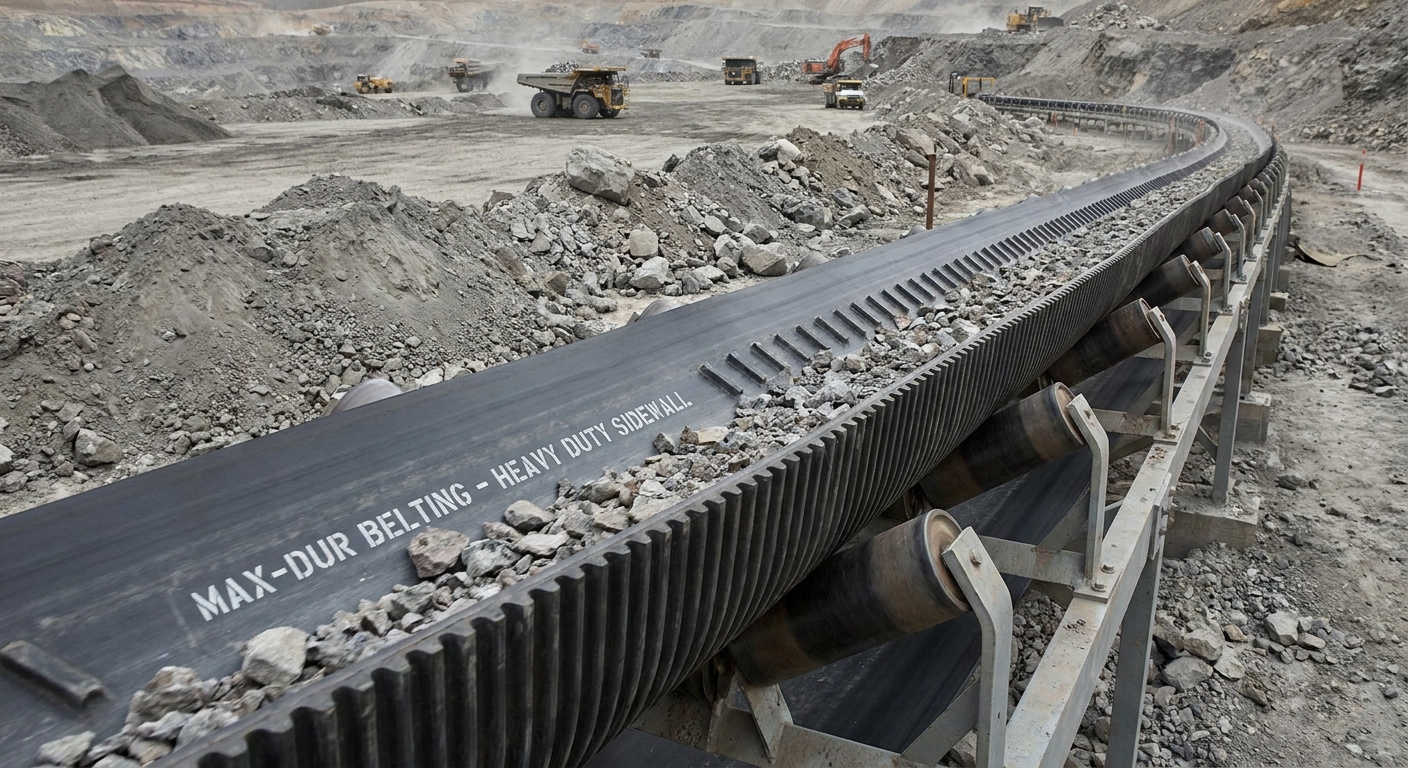
Industries handling massive volumes of bulk solids in confined or urban industrial spaces require these specialized belts to maintain high output. If you operate in the mining, cement, or power generation sectors, this technology is often the only way to move material between different processing levels. These sectors frequently deal with abrasive materials that would cause significant spillage on conventional steep-angle industry systems.
Leaders in Mining and Quarrying
The reality is simple: Underground mines and open-pit quarries often have very limited room for long, gradual conveyor ramps. You need a system that can bring ore or crushed stone straight to the surface or primary crusher.
- Efficient vertical shaft lifting.
- High abrasion-resistant rubber covers.
- Reduced excavation for ramps.
- Heavy-duty industrial durability.
Power Plant and Cement Operators
But that is not all. In cement production and coal-fired power plants, raw materials must be lifted into high silos or boilers within existing tight structures. These facilities are usually too crowded to accommodate the length required for standard inclined belts.
| Industry Sector | Primary Application | Key Requirement | |
|---|---|---|---|
| Mining | Ore lifting from shafts | High tear and abrasion resistance | |
| Power Plants | Coal feeding to boilers | Flame and heat resistance | |
| Port Terminals | Ship loading/unloading | High capacity and mobility |
This industry-specific breakdown demonstrates how the belt serves the most demanding global sectors through specialized material containment.
Key Takeaway: Any operation facing limited floor space and high vertical requirements should prioritize sidewall technology as a core infrastructure asset.
What are the primary types of durable sidewall rubber conveyor belts?
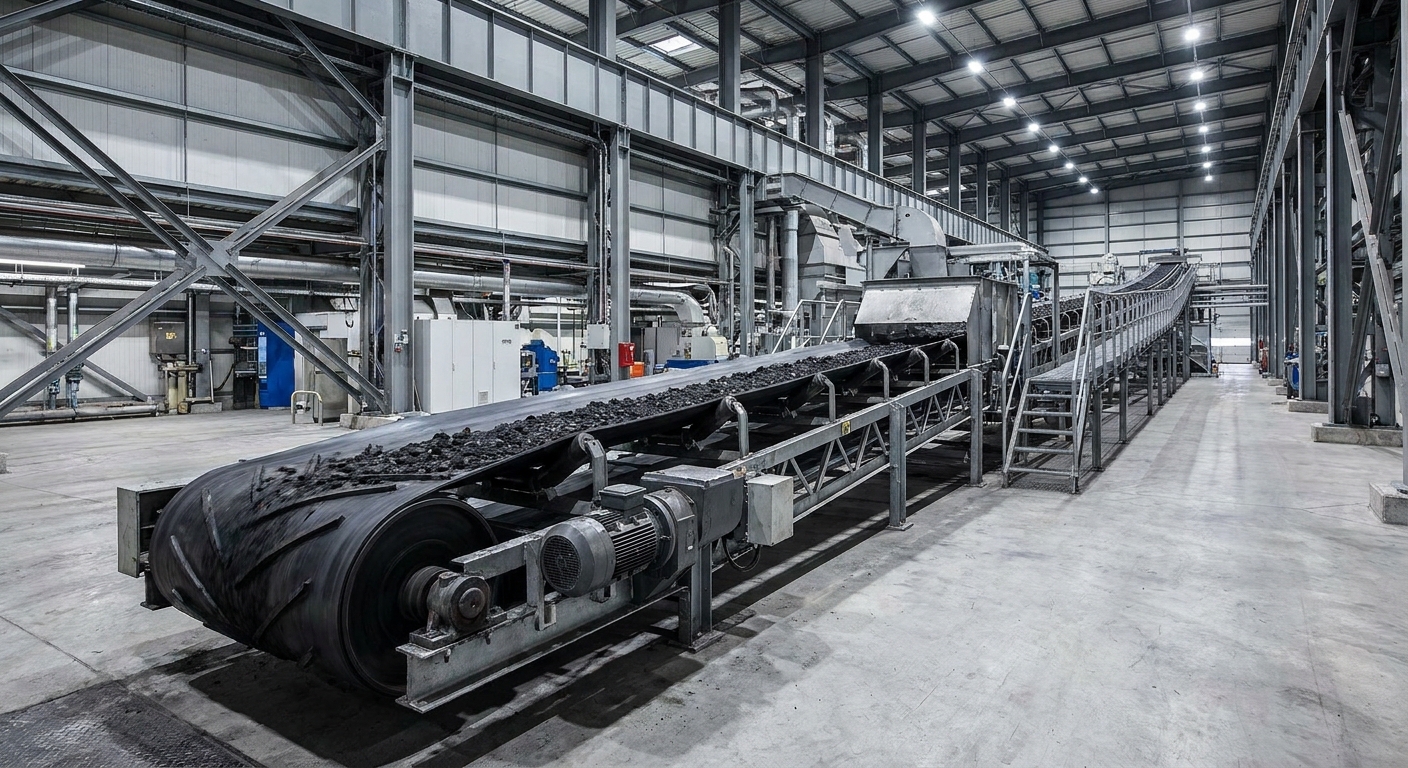
The primary types are categorized by their internal carcass reinforcement and the specific chemical properties of the rubber covers used. To select the right belt, you must evaluate whether your application involves high-tension vertical lifts or standard inclined transport. The choice between fabric textile conveyor belt and steel cord reinforcement will define the maximum height your system can handle.
Textile Cross-Stabilized Belts
Think about the possibilities: For most medium-duty applications, a textile carcass provides the necessary flexibility and cost-effectiveness. These belts use multiple plies of synthetic fabric to provide the cross-stiffness needed to keep the belt flat.
- Excellent flexibility for small pulleys.
- Corrosion-resistant internal plies.
- Lower weight for energy savings.
- Cost-effective for shorter runs.
Steel Cord High-Tension Belts
The reality is this: When you need to lift materials hundreds of meters vertically, textile plies will stretch too much under the load. Steel cord reinforcement provides near-zero stretch and the extreme tensile strength required for deep mining lifts.
| Belt Type | Best Application | Technical Advantage | |
|---|---|---|---|
| Textile Base | Medium lifts and capacity | High flexibility and economy | |
| Steel Cord | Ultra-high vertical lifts | Extreme strength and low stretch | |
| Special Compound | Hazardous environments | Targeted chemical/heat resistance |
These options ensure that every specific industrial challenge has a tailored material handling solution based on load and environment.
Key Takeaway: Selecting the correct carcass and rubber compound is vital for the long-term survival and efficiency of the belt.
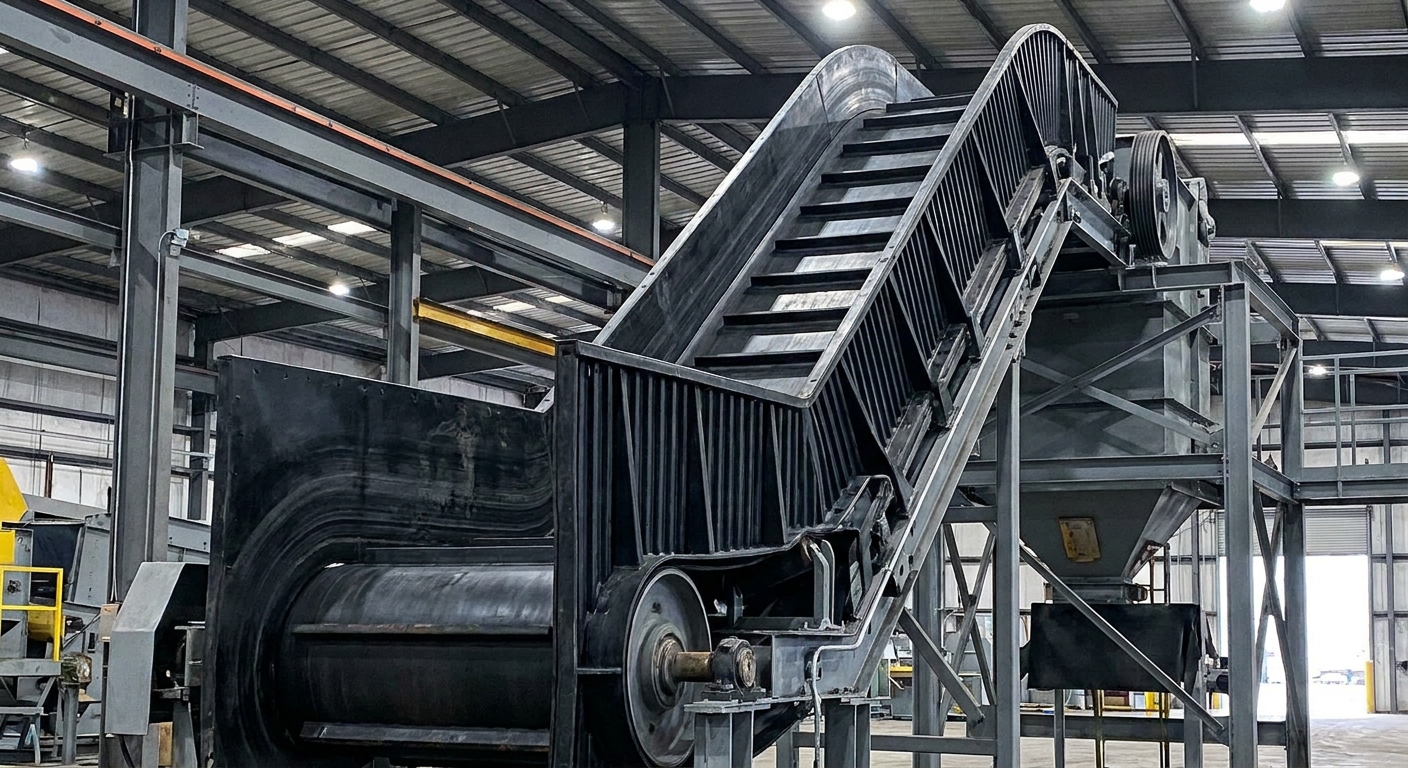
Yes, the belt is engineered to bend around pulleys and deflection wheels through its unique corrugated geometry. You might worry that the tall sidewalls would interfere with the rollers, but the system is designed to navigate these transitions perfectly. The clever use of deflection wheels on the edges allows the belt to change direction from horizontal to vertical effortlessly.
The Fan-Opening Design
Here is the key: As the belt wraps around a pulley, the corrugated walls open up like a fan to prevent tension build-up at the top edge. This prevents the rubber from tearing away from the base belt even after thousands of cycles.
- Eliminates top-edge tension.
- Prevents sidewall splitting.
- Ensures consistent bond integrity.
- Extends the operational lifespan.
Believe it or not: In an S-shape conveyor, the belt must be pushed down by wheels to change the angle of the run. These wheels only touch the “free” edges of the base belt, leaving the sidewalls and cleats untouched.
| Bend Component | Design Solution | Advantage | |
|---|---|---|---|
| Pulley Radius | Corrugated expansion | No rubber cracking or fatigue | |
| Change of Direction | Edge deflection wheels | Secure vertical transition | |
| Base Belt | Cross-stabilized rigidity | Remains flat through the bend |
This flexibility is the defining characteristic that separates sidewall belts from all other conveyor types in the industrial market.
Key Takeaway: Proper engineering of the bend radius and deflection points ensures the belt remains durable despite constant high-speed flexing.
What factors determine the cost of a durable sidewall rubber conveyor belt?
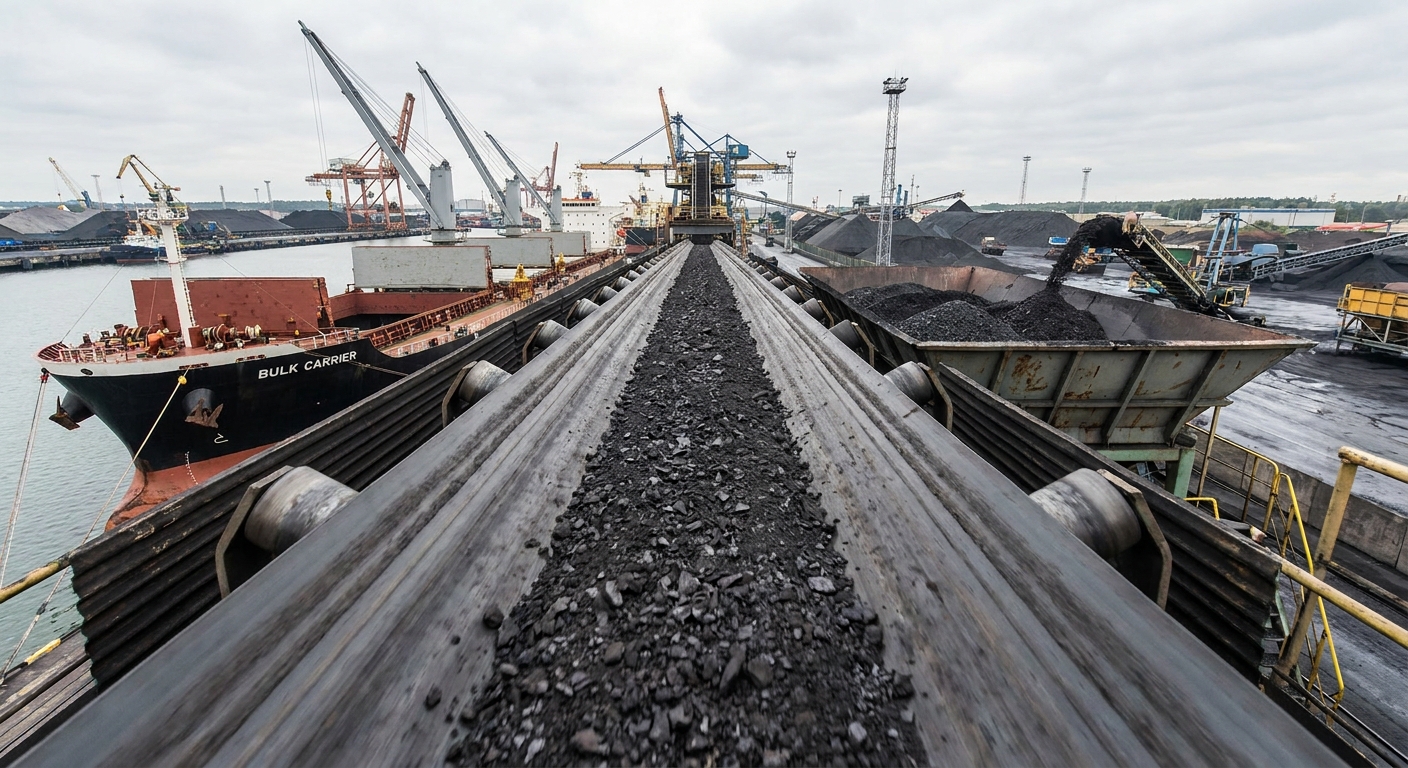
Costs are primarily determined by the width of the base belt, the height of the sidewalls, and the specialized rubber compounds required. While the initial investment is higher than a standard belt, the total system cost is often much lower over time. You must consider the savings gained by eliminating transfer towers and reducing the structural steel needed for shorter paths.
Material Grade and Premiums
Look at the facts: Using standard abrasion-resistant rubber is the most economical choice for general bulk handling. However, if you require fire-retardant or high-heat compounds, the price per meter will increase due to complex chemical additives.
- Standard vs. Premium rubber.
- Chemical resistance surcharges.
- Carcass reinforcement levels.
- Specialized safety certifications.
Dimensional Impact on Pricing
Think about it: The taller the sidewall and the wider the cleats, the more raw rubber material is consumed during manufacturing. These dimensions also impact shipping costs, as large-diameter rolls require specialized logistics and heavy-duty protective packaging.
| Cost Factor | High Price Impact | Low Price Impact | |
|---|---|---|---|
| Rubber Compound | Heat or Oil resistant | Standard abrasion grades | |
| Carcass Type | Steel Cord reinforcement | Textile Fabric plies | |
| Dimensions | Tall walls and wide base | Short walls and narrow base |
Evaluating cost through the lens of total life-cycle value provides a much clearer picture of the actual investment required.
Key Takeaway: Upfront belt costs are offset by massive reductions in total system infrastructure, land use, and maintenance labor.
How does a durable sidewall rubber conveyor belt save operational costs?
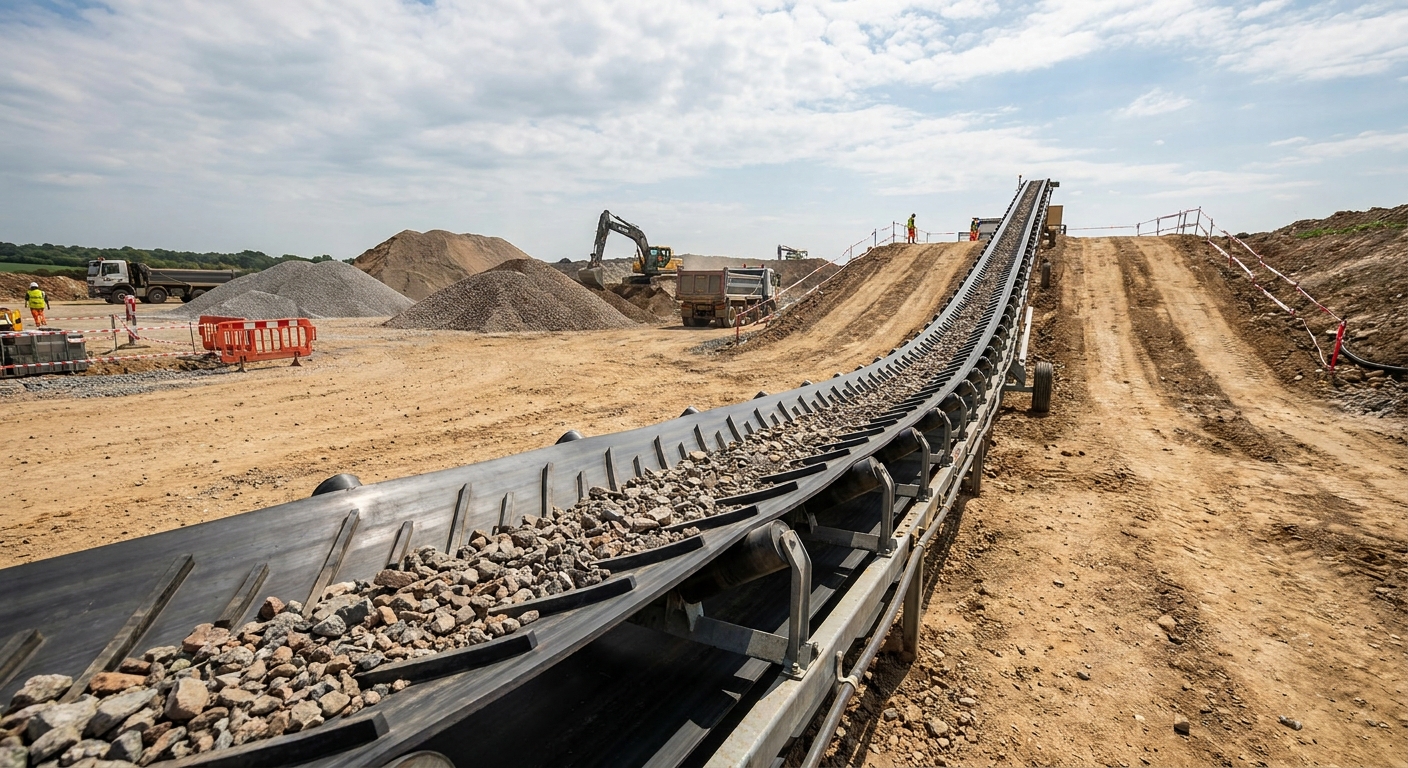
It saves your operation money by reducing the physical footprint of the conveyor and lowering the energy required for transport. You will find that a vertical lift requires much less energy to move a ton of material than a long, dragging inclined belt. Furthermore, the enclosed nature of the pockets prevents the “spillage tax” of lost product and cleaning labor.
Reducing Infrastructure Costs
Here is the key: Building a 100-meter vertical tower is significantly cheaper than building a 500-meter long inclined bridge with multiple support pillars. You can fit your entire production line into a much smaller building, saving on construction and real estate.
- Minimal support structures.
- Smaller plant footprint.
- Lower land acquisition costs.
- Simplified site preparation.
Lowering Housekeeping Fees
Look at the results: Standard belts often drop material along the entire return run, requiring teams of workers to manually shovel it back. The sidewall pocket design keeps everything contained, virtually eliminating the labor hours spent on constant facility housekeeping.
| Saving Category | Direct Benefit | Financial Impact | |
|---|---|---|---|
| Infrastructure | Shorter conveyor runs | Lower capital expenditure | |
| Housekeeping | Zero material spillage | Lower operational labor | |
| Power | Reduced system drag | Lower monthly utility cost |
These savings turn a specialized piece of equipment into a major driver of operational profitability and long-term facility sustainability.
Key Takeaway: The belt pays for itself through reduced labor, smaller building requirements, and significantly lower monthly energy bills.
Is operating a durable sidewall rubber conveyor belt safe for personnel?
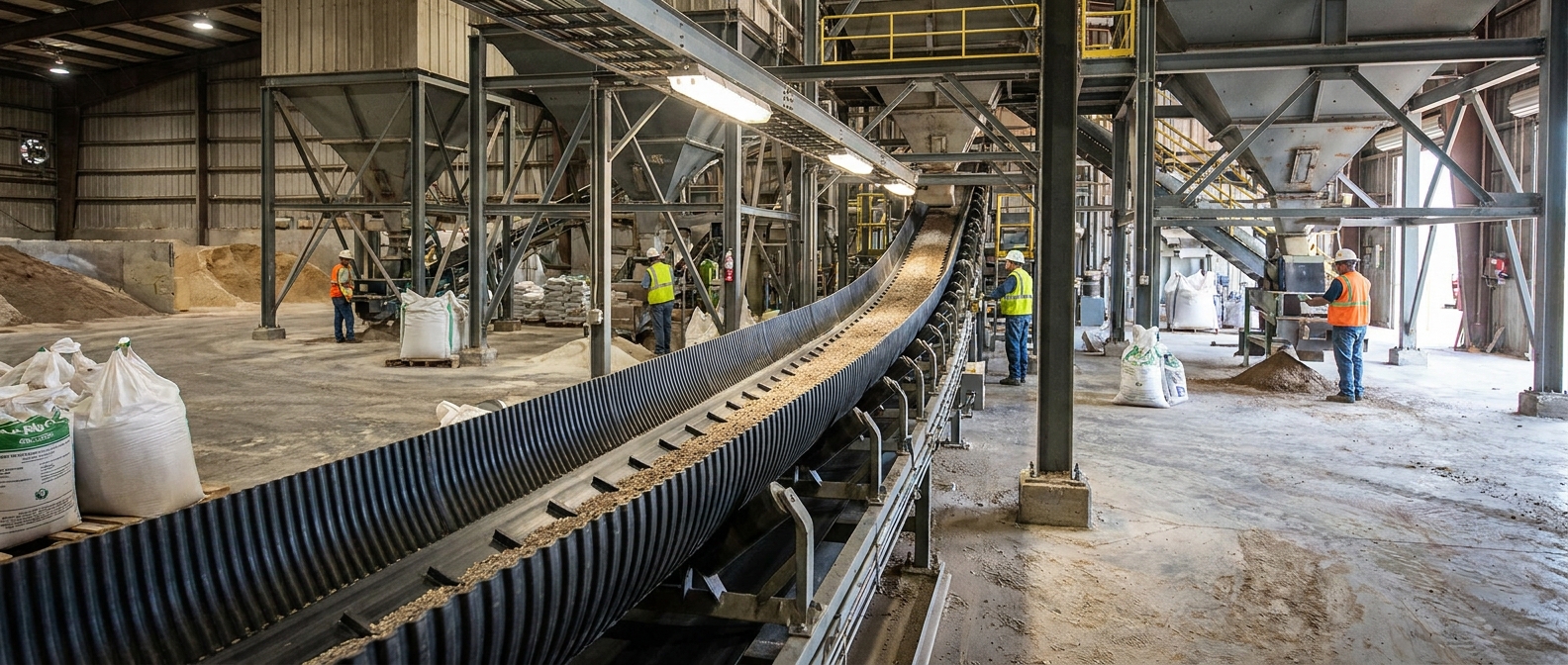
It is exceptionally safe because the pocketed design prevents the dangerous material “slide-back” that causes accidents on steep inclines. Using high-quality belts also reduces the risk of dust explosions and fire in sensitive environments like coal plants or grain silos. The high-tension capacity of modern carcasses ensures that the belt will not fail even when fully loaded.
Preventing Material Fallback
Think about the safety: On a traditional belt, if the system stops suddenly, gravity can cause the entire load to slide backward down the ramp. Sidewall pockets act like independent containers, ensuring that the material stays exactly where it is until the belt restarts.
- Zero gravity slide-back.
- Safe emergency stops.
- Protects workers below the run.
- Maintains consistent load distribution.
Dust Suppression Safety
Here is the thing: Because the material is cradled between tall walls, it is less susceptible to wind or motion-induced dusting. This keeps the air cleaner for your employees and prevents the buildup of combustible dust on structural beams.
| Safety Feature | Risk Mitigated | Operational Benefit | |
|---|---|---|---|
| Pocketed Cleats | Material fallback | No injury or equipment damage | |
| High Walls | Dust and wind spillage | Cleaner air and fire safety | |
| Steel Carcass | Belt snapping or failure | Continuous system security |
Safety is not just an added feature; it is a fundamental part of the sidewall conveyor’s architectural and mechanical design.
Key Takeaway: The containment features and high-tension carcass provide a much safer environment for both personnel and critical equipment.
How can I optimize my facility with a durable sidewall rubber conveyor belt?
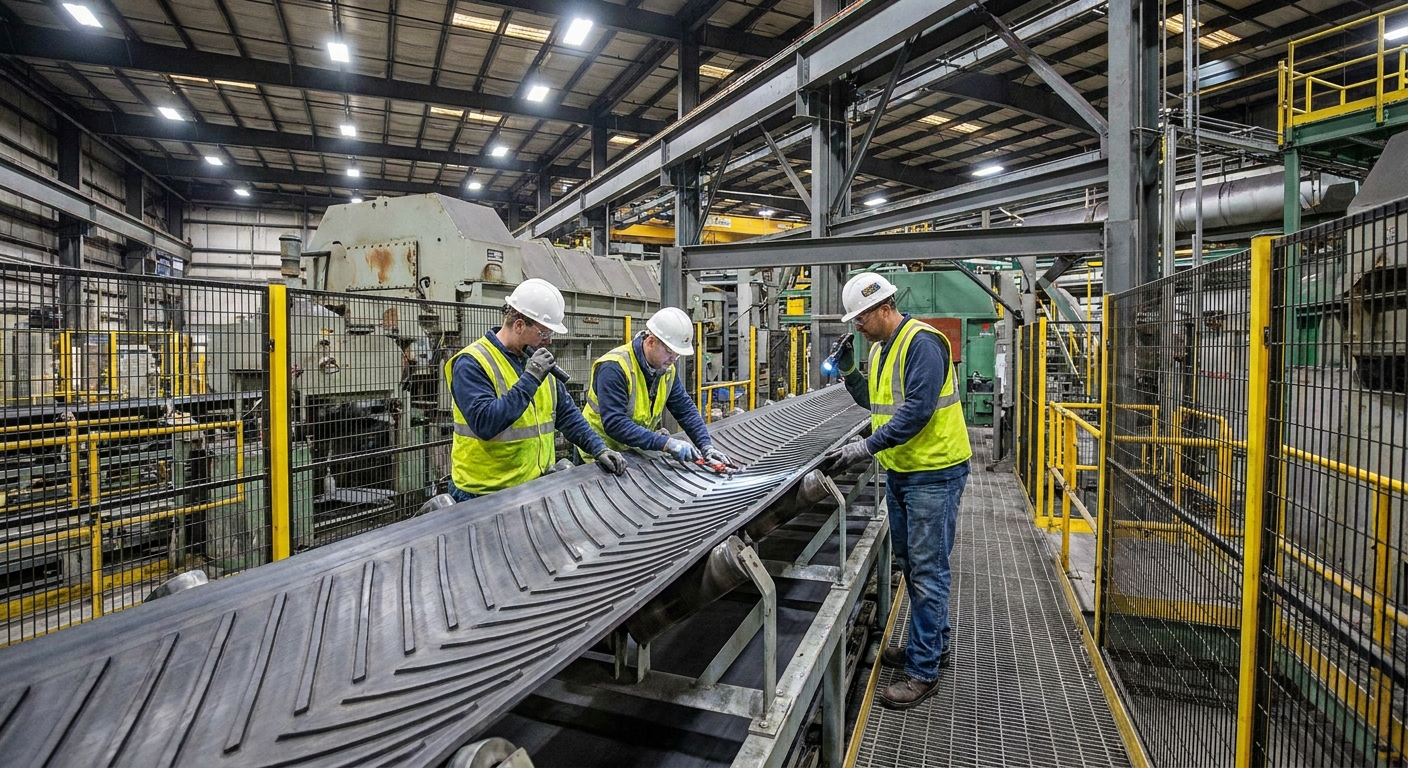
You should implement these belts to gain a competitive edge through higher throughput and lower overhead in your handling processes. Investing in this technology means choosing a solution engineered to survive the most punishing industrial cycles. It is the most robust choice for any facility that values long-term reliability over the false economy of cheaper alternatives.
By choosing a system that can move more material in less space, you unlock the ability to scale your operations without expanding your building. It is a strategic investment in the future growth and efficiency of your entire business. To begin your facility optimization and learn about our custom engineering, contact us today for a technical consultation.
FAQ
- Can I use a sidewall belt for food-grade materials?Yes. You can order these belts with specialized white, non-toxic rubber compounds that meet international food safety standards for hygienic bulk transport.
- What’s the best way to prevent the sidewalls from tearing?Directly ensure that your pulley diameters match the manufacturer’s recommendations for your specific sidewall height to prevent over-stressing the rubber bonds.
- How much material can these belts realistically carry?Significantly more than flat belts. The corrugated walls and cleats create deep pockets that allow for much higher volume per linear meter of belt.
- What’s the best method for cleaning a sidewall belt?Correctly. You should use specialized “beater” rollers or non-contact air knives on the return run to clear the pockets without damaging the rubber.
- Can I operate these belts in extreme temperatures?Absolutely. We offer specialized heat-resistant compounds like EPDM that can withstand continuous operating temperatures of up to 200°C.
Key Takeaway: The strategic benefits of throughput and space efficiency make this belt a mandatory upgrade for any modern industrial plant.
For tailored solutions and technical support, please contact us to receive a detailed quote within 24 hours.