
Using rubber cleats for conveyor belt systems prevents material rollback on steep inclines, improves transport stability, reduces downtime, and enhances efficiency in industrial operations.
What are rubber cleats for conveyor belts?
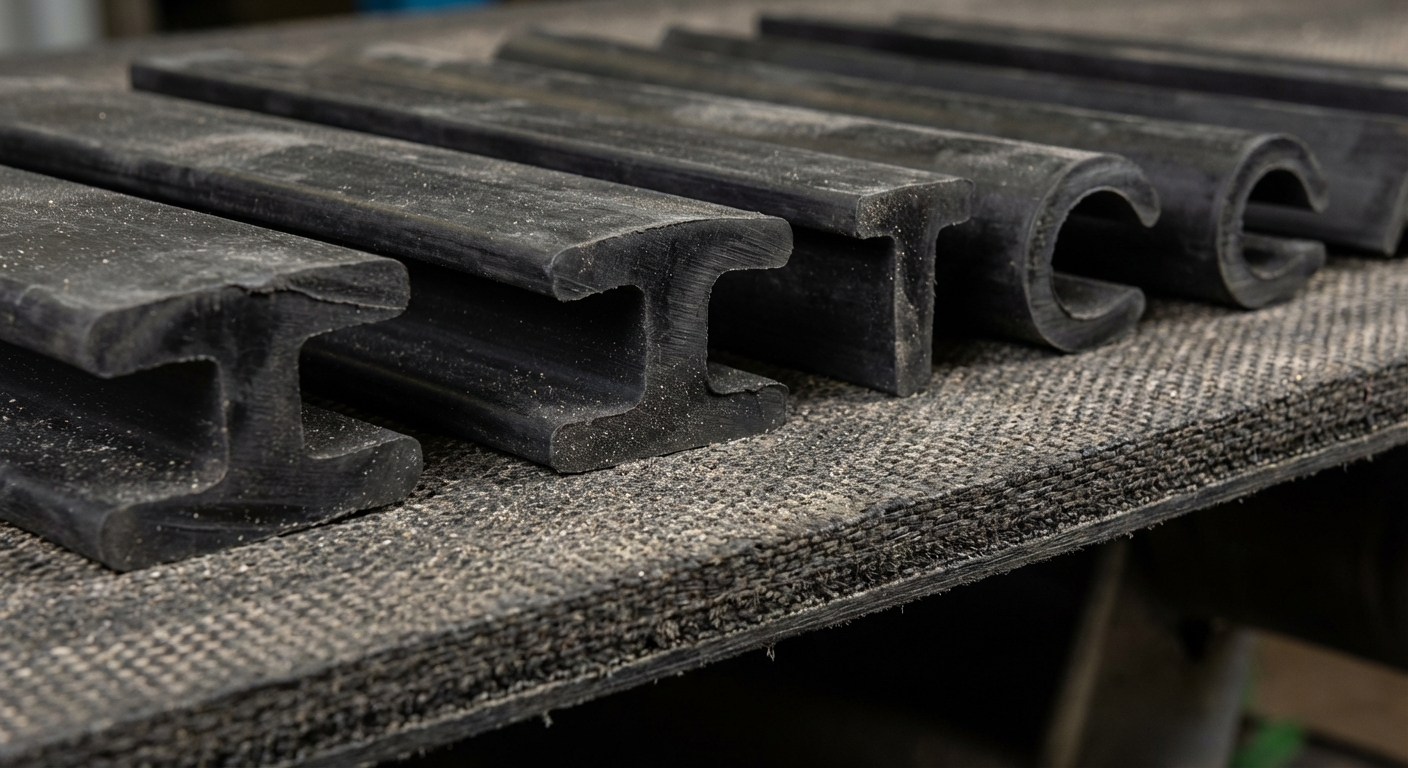
They are raised profiles attached to the top cover of a belt to provide mechanical traction for materials. These rubber cleats for conveyor belt act as horizontal dividers that prevent cargo from sliding backward during transport. You will find them in various heights and shapes depending on the weight of your load.
Defining the functional cleat
These are vertical walls or ridges designed to create stable “pockets” for your material. Look at this:
- Cleats divide the belt surface into sections.
- They allow for vertical transport of bulk goods.
- Each cleat is molded from high-abrasion rubber.
| Cleat Feature | Purpose | |
|---|---|---|
| Height | Determines load capacity per pocket | |
| Spacing | Controls the flow rate of materials | |
| Base Width | Ensures stable attachment to the belt |
Cleats transform a flat surface into a high-capacity transport tool by utilizing mechanical resistance.
Key Takeaway: Cleats are essential for transforming flat belts into incline-capable systems.
<font>Why use rubber cleats for conveyor belt transport?</font>
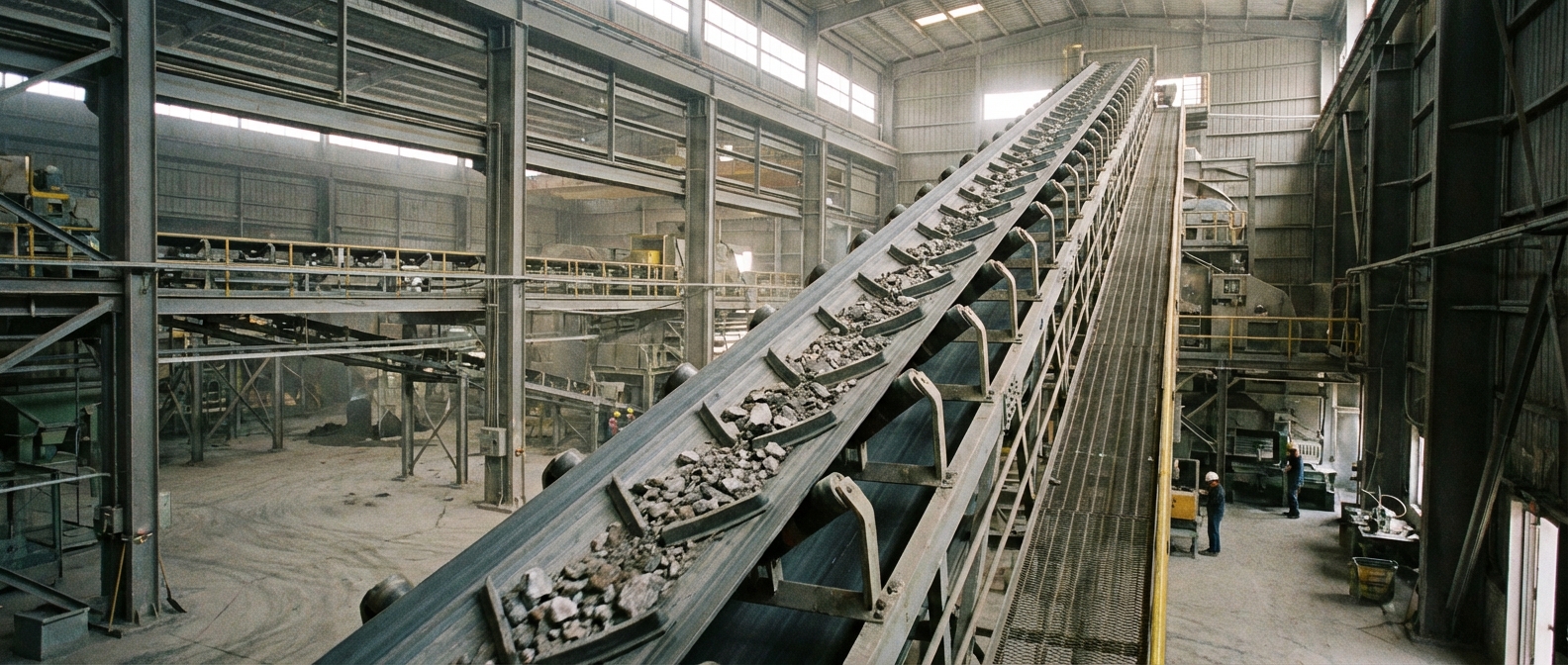
You use them because they eliminate material backflow on steep inclines where gravity would otherwise cause slippage. High-quality rubber cleats for conveyor belt systems increase the functional angle of your machinery from 15 degrees to over 45 degrees. This allows you to save floor space by using shorter, steeper conveyor runs.
Preventing material backflow
This function stops bulk items like grain or gravel from tumbling down the line. Here is the deal:
- Backflow causes belt jams and motor strain.
- Cleats catch every piece of material as it moves upward.
- They ensure consistent discharge at the end of the line.
| Advantage | Business Impact | |
|---|---|---|
| Reduced Loss | Lower costs per ton of material | |
| Space Savings | Smaller footprint for factory layouts | |
| Safety | No dangerous material piles at the base |
Using cleated systems reduces the risk of operational accidents caused by runaway materials.
Key Takeaway: Cleats allow for steep-angle transport that maximizes facility space and material safety.
<font>What types of rubber cleats for conveyor belt exist?</font>
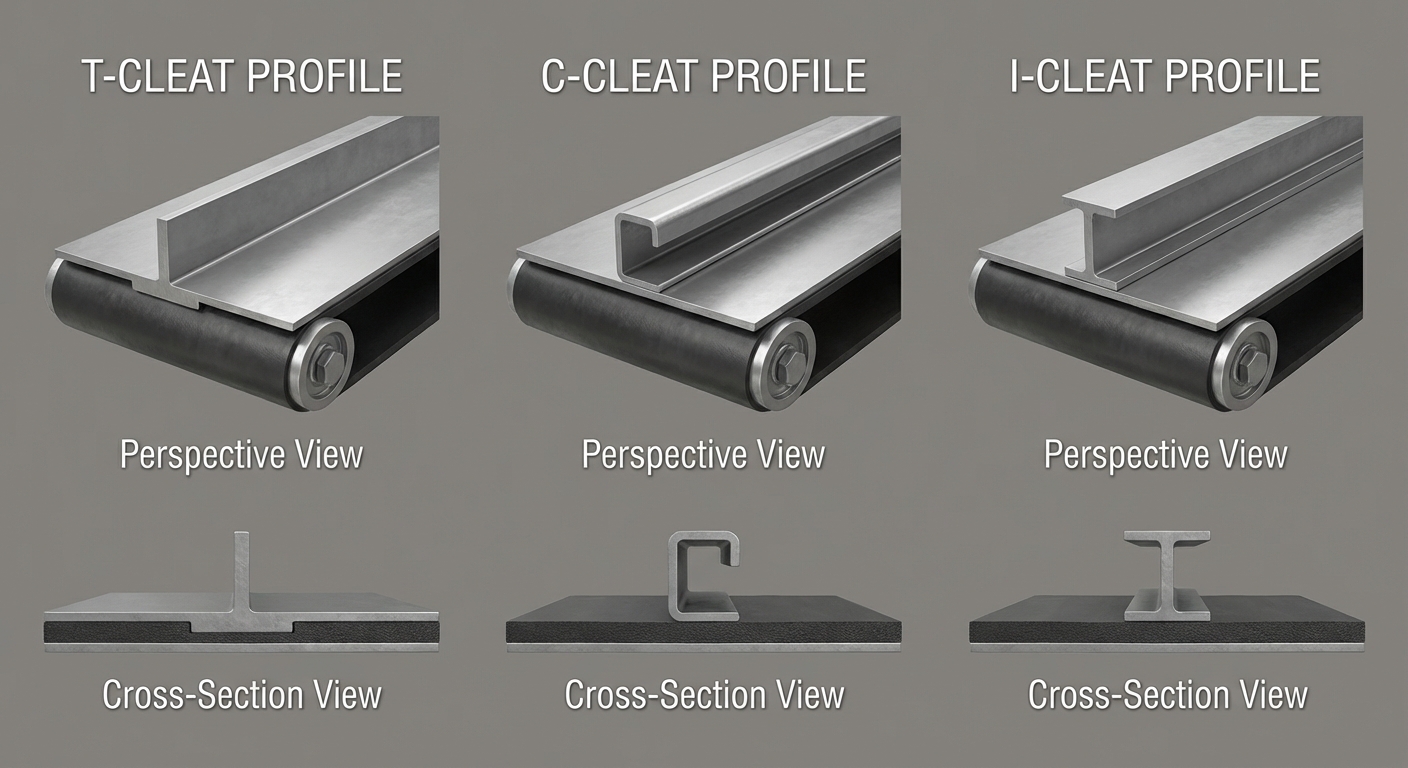
The main types include T-profiles, C-profiles, and Chevron patterns tailored for specific cargo. Selecting the right rubber cleats for conveyor belt depends entirely on the flowability of your product. T-cleats are common for general bulk, while C-cleats handle heavier, stickier loads effectively.
T-Profile and C-Profile versatility
T-profiles stand straight up to act as a dam, while C-profiles have a curved shape to “scoop” material. Think about it:
- T-cleats are ideal for light-duty food or packaging.
- C-cleats provide extra support for heavy aggregate.
- Chevron patterns allow for moisture drainage in wet environments.
| Profile Type | Best Use Case | Angle Limit | |
|---|---|---|---|
| T-Cleat | Packaging & Small Parts | Up to 30° | |
| C-Cleat | Heavy Bulk & Wet Solids | Up to 40° | |
| Chevron | Sand & Wet Aggregates | Up to 35° |
The profile shape dictates how the material interacts with the belt during the transition over the pulley.
Key Takeaway: Matching the cleat profile to your material density prevents costly transport failures.
<font>How to install a rubber cleats for conveyor belt?</font>
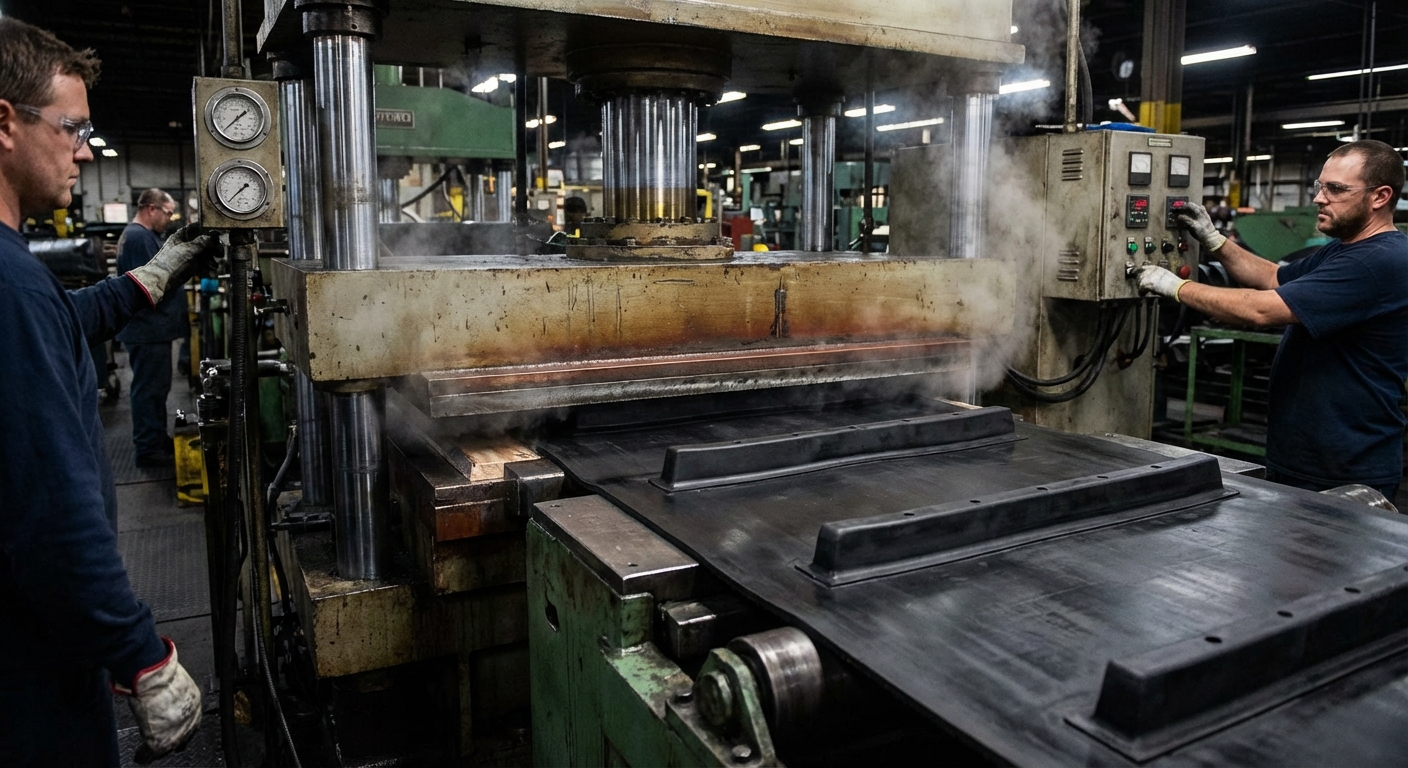
The installation involves bonding the cleat to the belt cover using hot vulcanization or cold bonding techniques. For a rubber cleats for conveyor belt to survive high-tension environments, the bond must be stronger than the rubber itself. Most industrial manufacturers prefer hot vulcanization for its permanent, molecular-level connection.
Hot vulcanization vs. cold bonding
Hot vulcanization uses heat and pressure to melt the cleat and belt into one single unit. Best of all:
- It prevents the cleats from tearing off under heavy loads.
- The process creates a smooth, easy-to-clean transition.
- It is the most durable method for mining and heavy industry.
| Method | Strength | Speed | |
|---|---|---|---|
| Hot Vulcanization | Extremely High | Slower (Requires Heat) | |
| Cold Bonding | High | Fast (Adhesive Based) | |
| Mechanical | Medium | Instant (Bolt-on) |
A proper installation ensures that the belt remains flexible as it wraps around small-diameter pulleys.
Key Takeaway: Hot vulcanization is the gold standard for creating durable, inseparable cleat-to-belt bonds.
<font>Which rubber cleats for conveyor belt materials are best?</font>
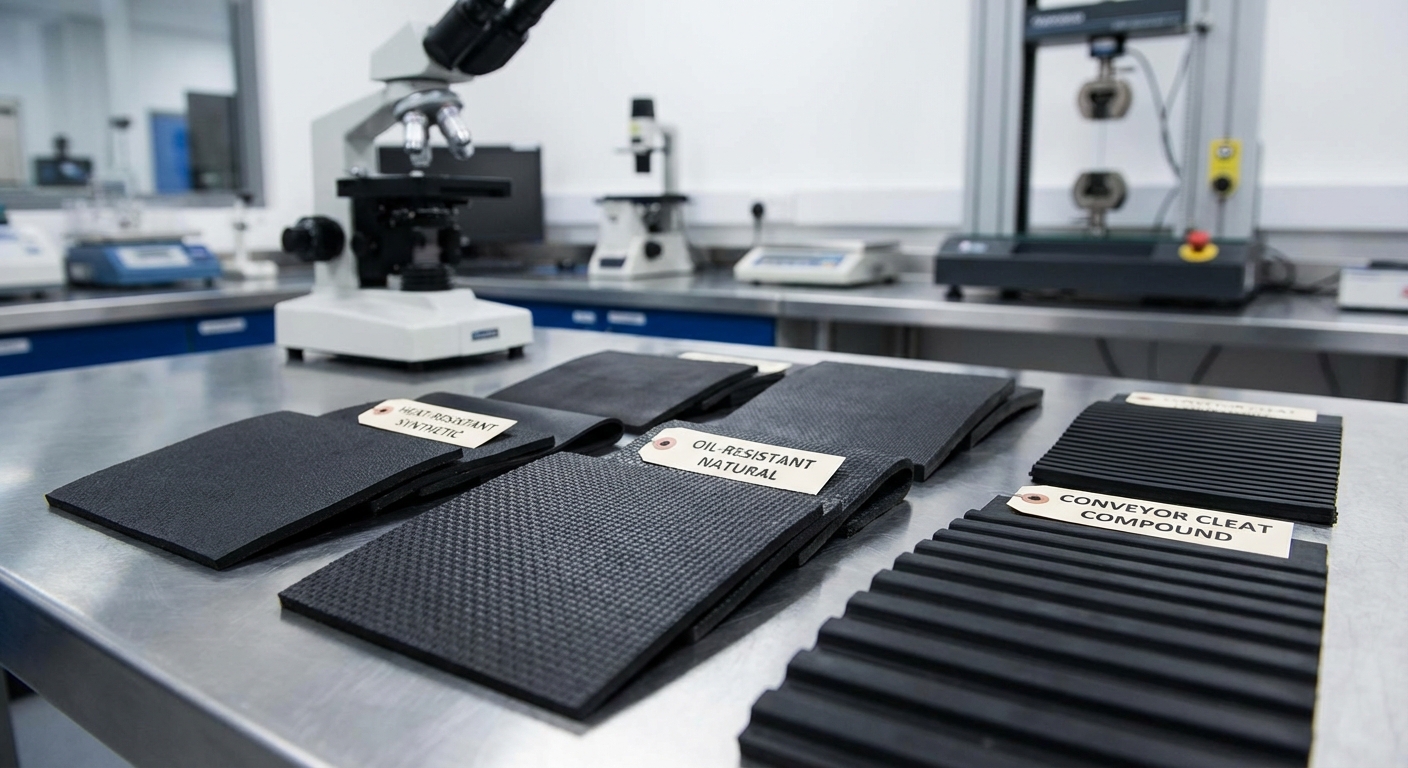
The best materials are high-tensile natural rubber or specialized synthetic compounds like Nitrile or EPDM. Choosing the right rubber cleats for conveyor belt material ensures resistance to heat, oil, or abrasion. If you are handling oily food products or hot clinker, the cleat material must match those environmental demands.
Natural rubber durability
Natural rubber provides the highest elasticity and resistance to physical tearing. Bottom line:
- It handles heavy impact from sharp rocks or ores.
- The material remains flexible in cold temperatures.
- It offers the longest lifespan for general-purpose bulk handling.
| Material | Key Resistance | Industry | |
|---|---|---|---|
| Natural Rubber | Abrasion & Tearing | Mining & Cement | |
| Nitrile (NBR) | Oil & Grease | Food & Recycling | |
| EPDM | Heat & Weather | Chemical Plants |
Selecting the wrong material can lead to cleat swelling or brittleness, causing premature belt failure.
Key Takeaway: Material selection should prioritize environmental factors like oil exposure or high temperatures.
<font>How do rubber cleats for conveyor belt boost output?</font>
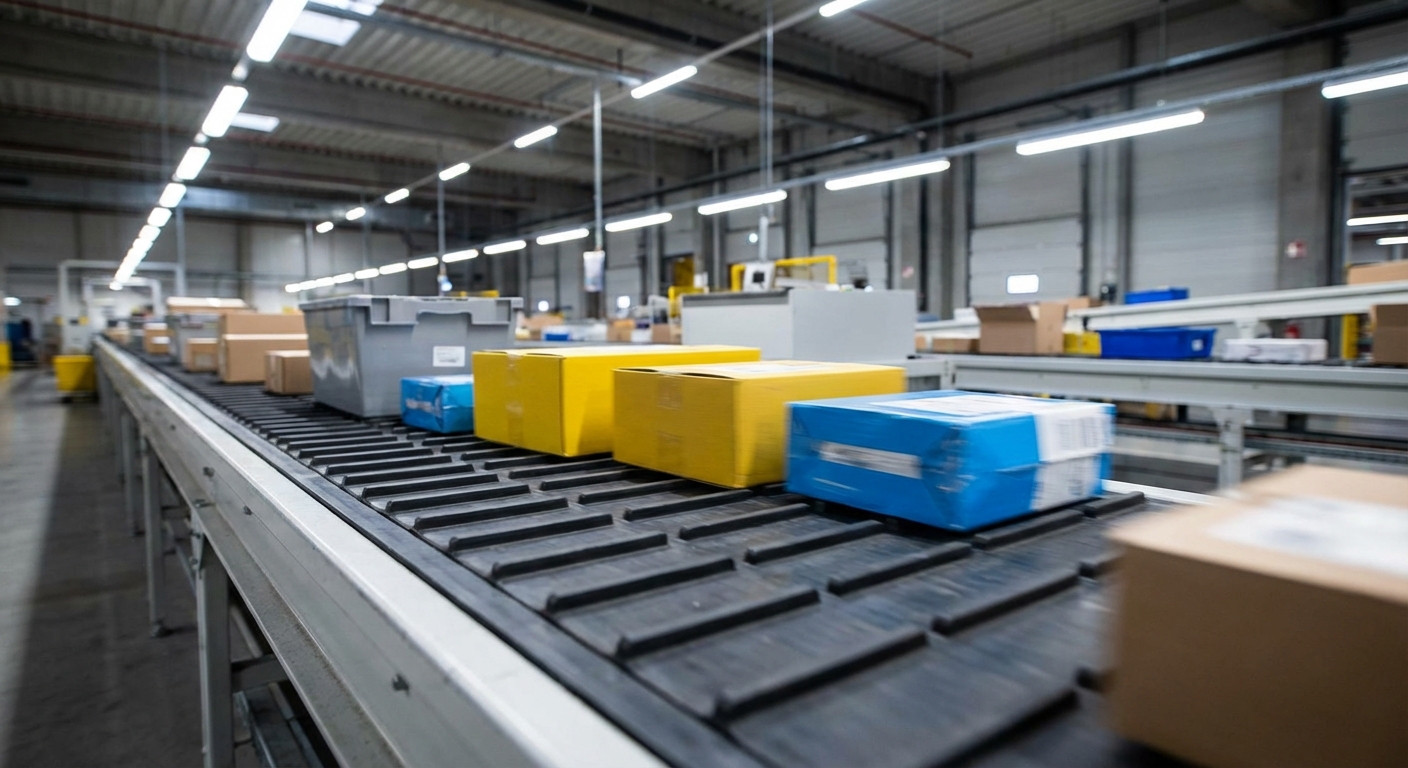
They boost output by enabling faster belt speeds and preventing the loss of material through slippage. With rubber cleats for conveyor belt systems, you can move more volume per hour because the pockets hold material securely in place. This increased efficiency means your motors spend less energy re-moving material that has fallen back.
Increasing load volume capacity
Cleats allow you to fill the belt deeper without worrying about items rolling off. Interestingly enough:
- You can move larger chunks of material.
- The belt can run at higher RPMs with confidence.
- Total cycle time is reduced across your entire production line.
| Productivity Metric | Improvement with Cleats | |
|---|---|---|
| Max Incline Angle | Increases by 200% or more | |
| Material Loss | Decreased to nearly zero | |
| Load Volume | Up to 50% higher capacity |
Cleated belts transform low-efficiency flat lines into high-throughput vertical systems.
Key Takeaway: Higher transport speeds and deeper belt loading lead directly to increased profit margins.
<font>What are custom rubber cleats for conveyor belt benefits?</font>
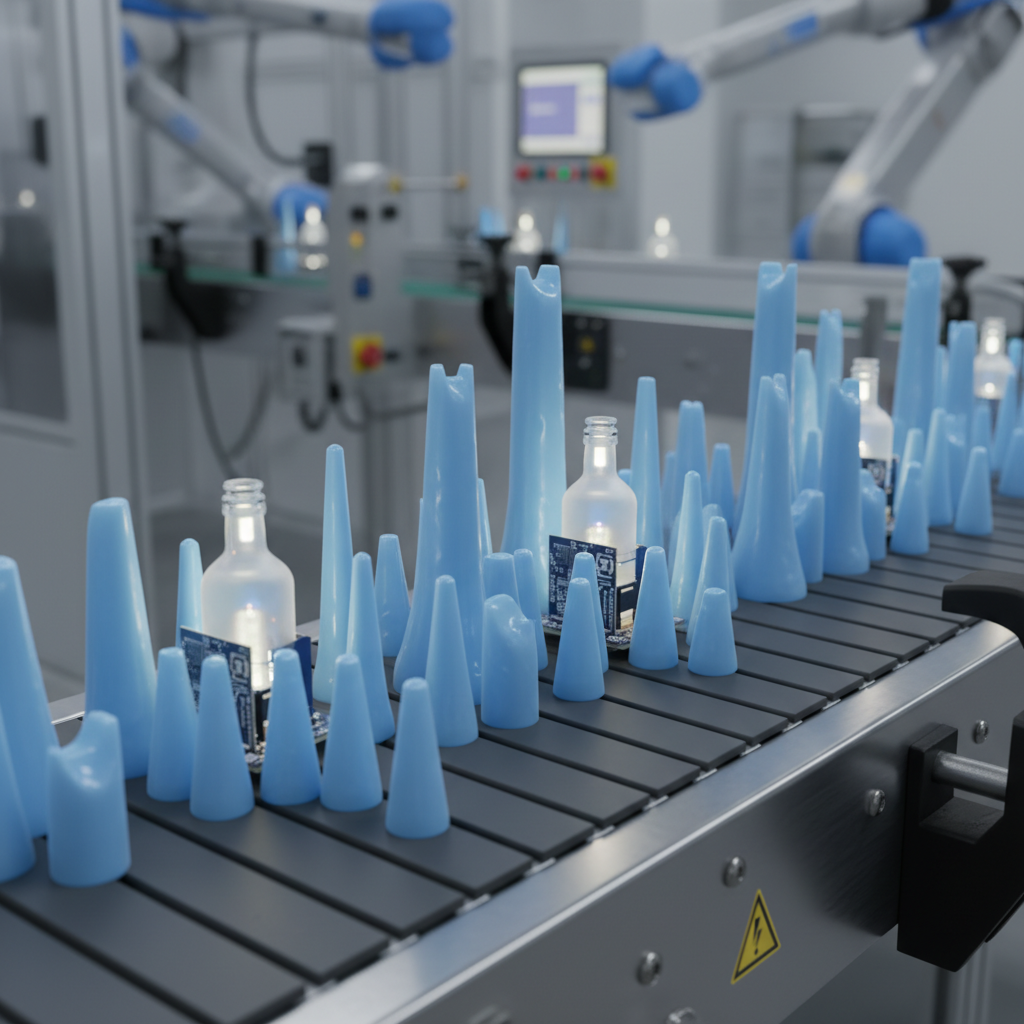
The benefits include tailored height and spacing that accommodate the specific dimensions of your unique product. Utilizing custom rubber cleats for conveyor belt designs allows you to optimize the belt for unevenly shaped cargo. You can even add fabric reinforcement to the cleats for extra-heavy industrial mining applications.
Tailored spacing and reinforcement
Custom spacing ensures that your material doesn’t get crushed or trapped between too-frequent cleats. You might wonder:
- How does fabric reinforcement help?
- It prevents the cleat from bending under heavy weight.
- Custom heights allow for larger “pockets” for bulky items.
| Custom Feature | Performance Benefit | |
|---|---|---|
| Fabric Core | Higher impact resistance | |
| Custom Spacing | Precise dosing and timing | |
| Variable Height | Optimized for mixed material sizes |
Customization eliminates the “one size fits all” compromise that often leads to operational bottlenecks.
Key Takeaway: Custom cleats allow for precision engineering that solves specific material handling challenges.
<font>How to maintain rubber cleats for conveyor belt units?</font>
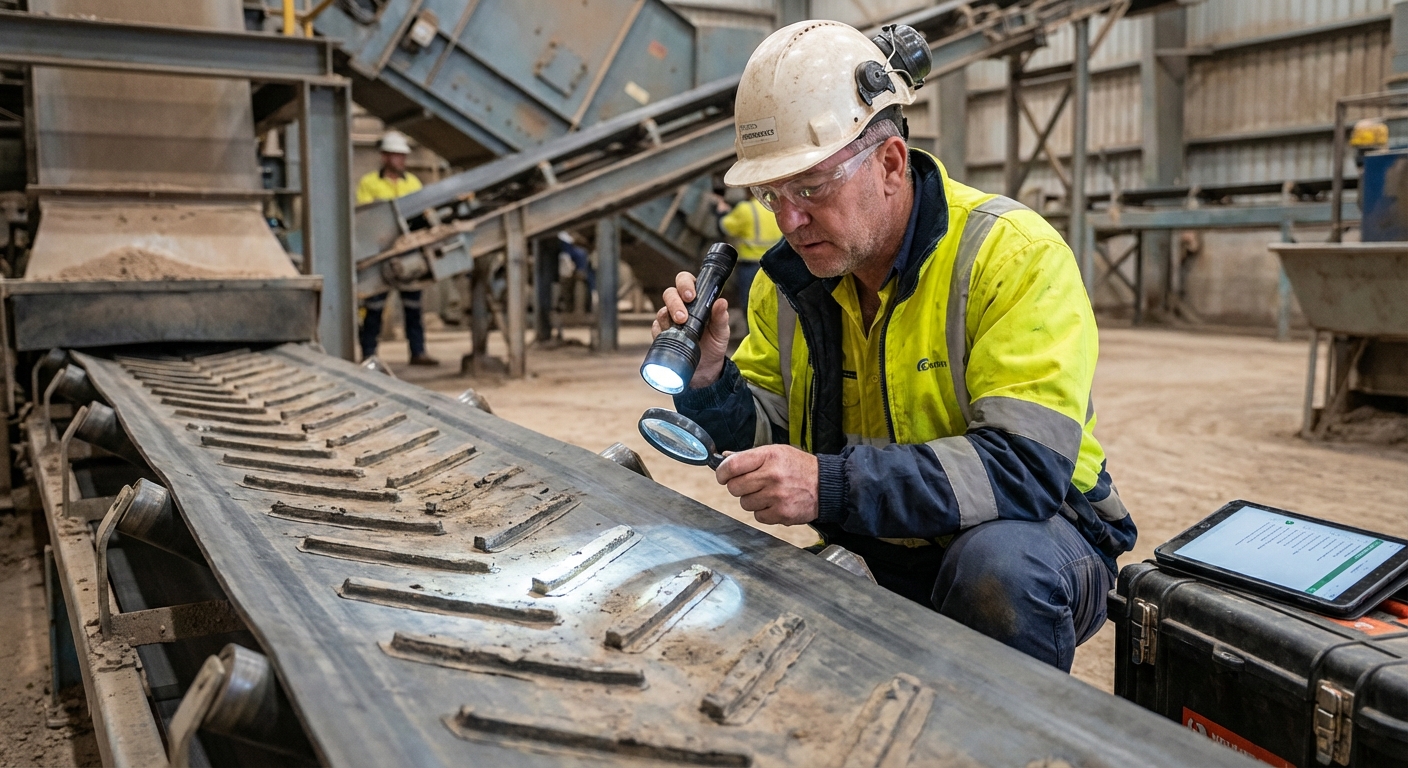
Maintenance requires regular visual checks for cleat detachment and cleaning to remove buildup at the cleat base. A rubber cleats for conveyor belt can last for years if you prevent large debris from wedging between the cleat and the pulley. You should inspect the bond line weekly to catch any lifting before a full failure occurs.
Effective cleaning protocols
Keeping the belt clean prevents abrasive wear and ensures the cleats provide maximum grip. To put it simply:
- Build-up can cause the belt to track improperly.
- Sticky materials can harden and tear the cleat off.
- Use specialized belt scrapers designed for cleated surfaces.
| Maintenance Task | Frequency | |
|---|---|---|
| Visual Inspection | Weekly | |
| Pulley Alignment | Monthly | |
| Base Cleaning | Daily (for sticky loads) |
Proactive maintenance prevents the “cleat-tear” syndrome that often happens during heavy-duty shifts.
Key Takeaway: Regular cleaning and inspection are the simplest ways to extend the life of your cleated belt.
<font>Who needs a rubber cleats for conveyor belt system?</font>
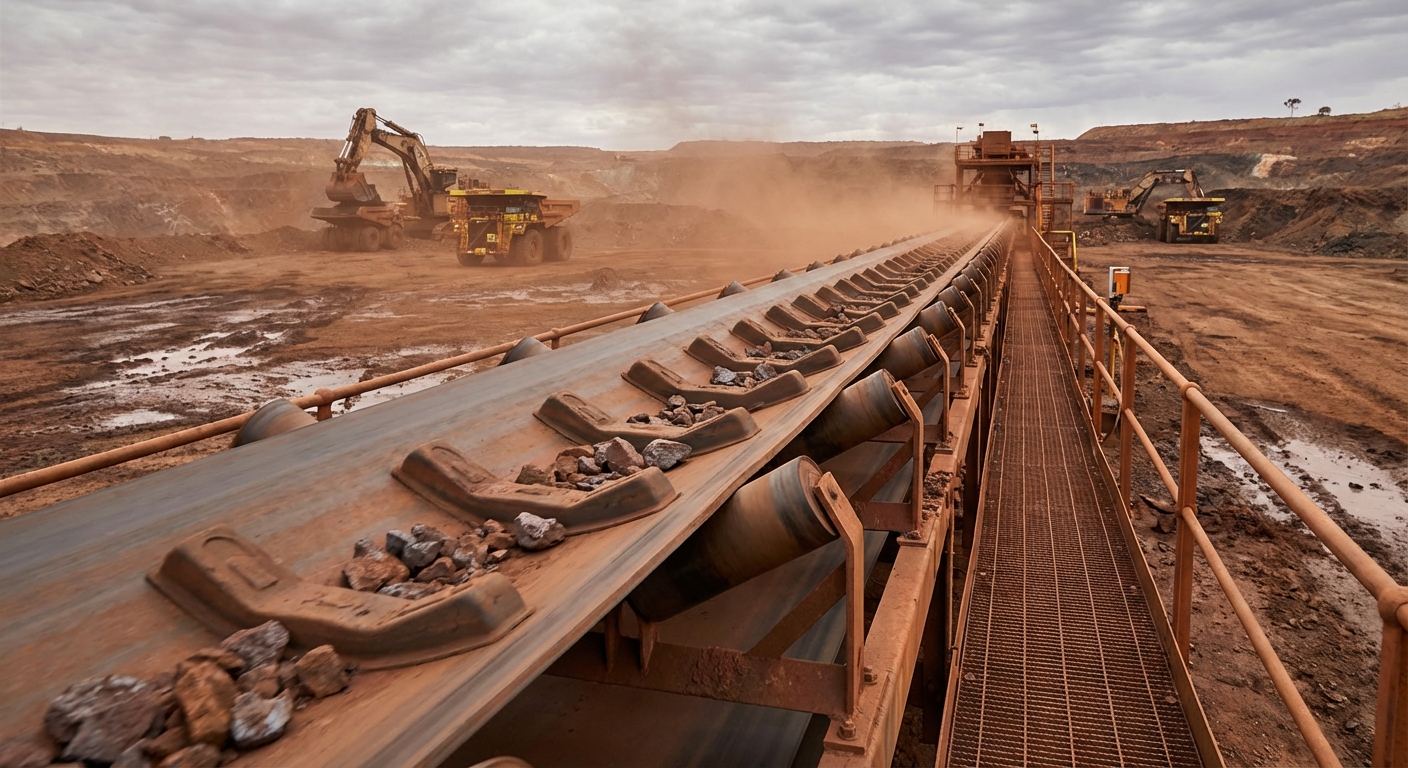
Industries such as mining, recycling, and agriculture need these systems to transport bulk solids up steep slopes. Any operation where space is limited and vertical rise is necessary requires a rubber cleats for conveyor belt solution. If your material is granular, wet, or heavy, you cannot rely on friction alone for inclined transport.
Mining and Aggregate extraction
These industries move thousands of tons of heavy rock daily across rugged terrain. It gets better:
- Cleats handle the extreme weight of iron ore.
- They withstand the sharp edges of crushed limestone.
- The systems operate reliably in harsh outdoor weather.
| Industry Sector | Primary Material | |
|---|---|---|
| Agriculture | Grains, Corn, Soybeans | |
| Recycling | Plastic bottles, Metal scraps | |
| Construction | Wet concrete, Sand, Gravel |
Cleated belts are the backbone of bulk handling in the global supply chain.
Key Takeaway: Cleated systems are mandatory for any industry moving bulk solids across vertical elevations.
<font>How to pick a rubber cleats for conveyor belt profile?</font>
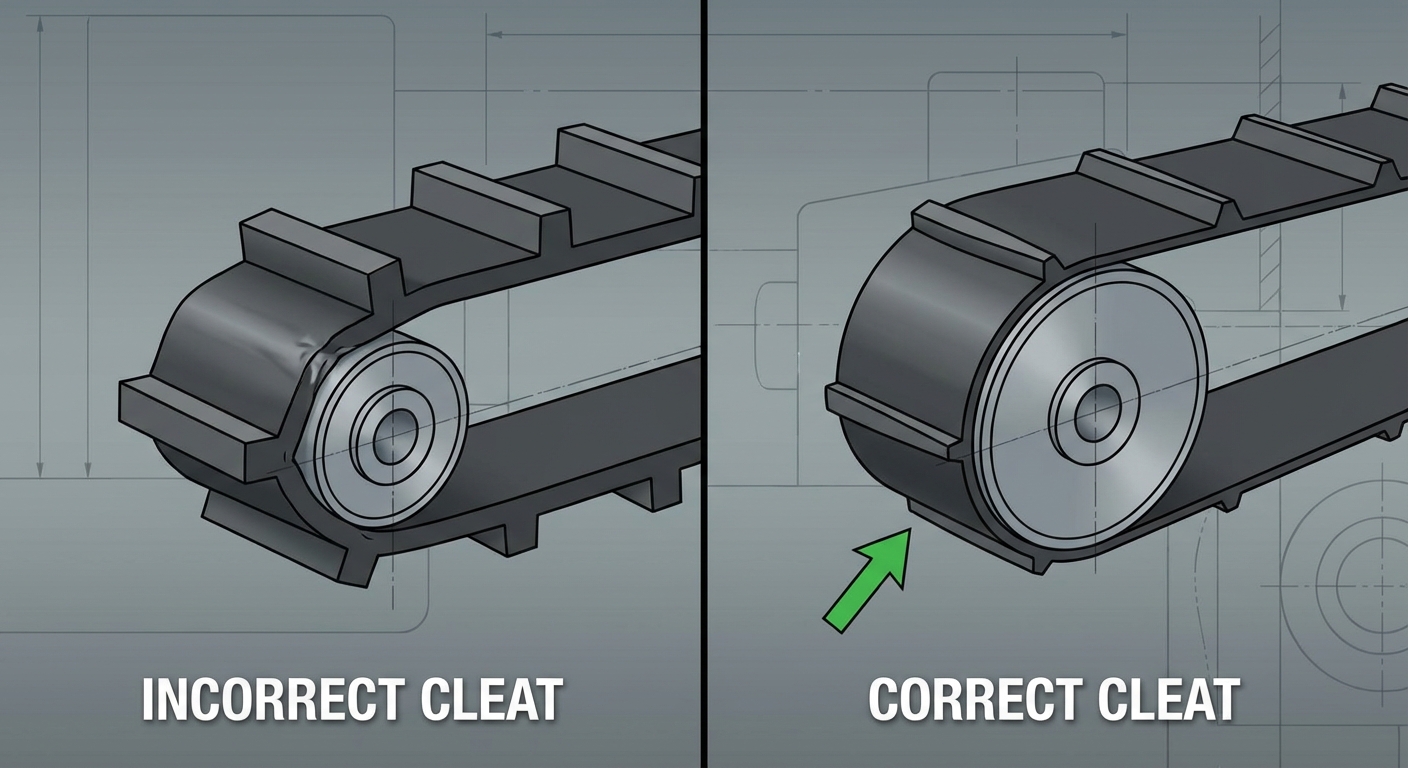
You pick a profile by analyzing your conveyor’s maximum incline angle and the maximum size of your product pieces. A rubber cleats for conveyor belt that is too high may not wrap around your existing pulleys properly. Conversely, a cleat that is too short will allow material to tumble over the top when the belt is at a steep angle.
Assessing angle and granularity
The steeper your incline, the taller and more robust your cleat profile needs to be. The result?
- You avoid material spill-over.
- Your pulleys remain in good condition.
- The flow of material remains smooth and predictable.
| Selection Factor | Consideration | |
|---|---|---|
| Pulley Diameter | Limits the maximum cleat height | |
| Material Size | Cleat must be taller than the largest piece | |
| Inclination | Steepness dictates profile (T vs C) |
Choosing the right profile is a balance between transport efficiency and mechanical belt flexibility.
Key Takeaway: Always verify your pulley diameter before selecting a high-profile cleat to avoid mechanical failure.
Conclusion
Maximizing your operational efficiency requires more than just a flat belt; it requires a system built for the challenges of gravity and volume. By selecting the correct profile, material, and installation method, you ensure that your production line never stops moving forward. If you are ready to upgrade your facility’s throughput and eliminate material loss, contact us today to discuss your specific industrial requirements.
FAQ
Can I add rubber cleats to my existing belt?Yes, you can retrofit rubber cleats for conveyor belt systems onto existing belts using cold bonding adhesives or mechanical fasteners after proper surface preparation.
What is the maximum incline for a cleated belt?Depending on the material, cleats can support angles up to 45 degrees, while specialized sidewall belts with cleats can handle vertical 90-degree transport.
How do I know if my cleats are heat resistant?You must check the rubber compound specification; standard rubber is versatile, but synthetic compounds like EPDM are required for high-temperature environments.
What is the best way to prevent cleats from tearing?Hot vulcanization provides the strongest molecular bond, making the cleat an integral part of the belt cover to prevent detachment under heavy load.
Can these cleats handle heavy mining materials?Yes, reinforced rubber cleats for conveyor belt systems are specifically engineered with fabric cores and high-abrasion compounds to manage ore and gravel.