
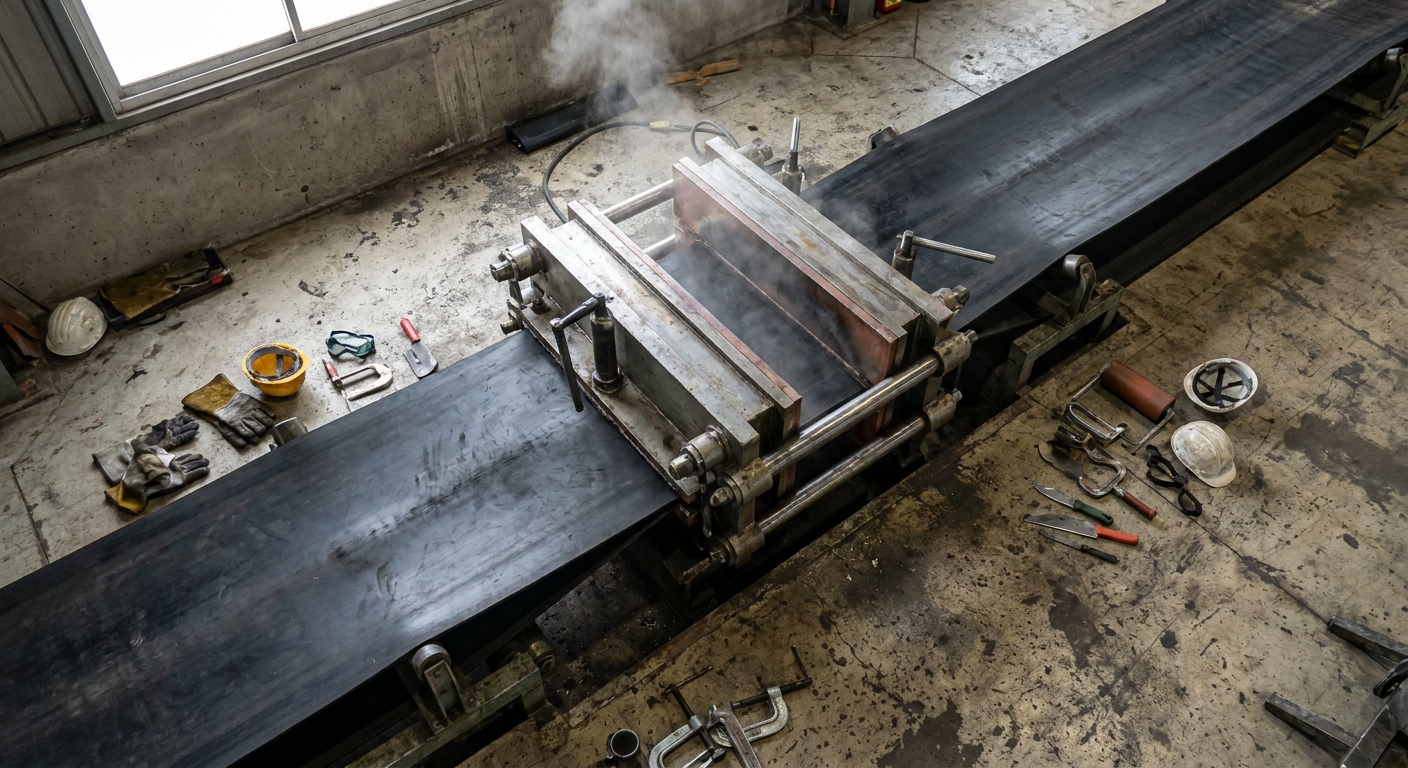
High-quality rubber conveyor belt repair and splicing material is essential for maintaining reliable conveyor system performance in demanding plaster casting, mining, and industrial manufacturing environments. Conveyor belts transporting abrasive gypsum slurry and high-temperature materials are constantly exposed to tearing, wear, and thermal stress that can cause sudden production shutdowns and costly material losses. Advanced repair and splicing materials provide strong bonding performance, fast curing capabilities, and excellent resistance to heat, abrasion, and moisture. By using professional rubber conveyor belt repair and splicing material, industrial facilities can quickly restore damaged belts, extend conveyor lifespan, minimize downtime, and maintain continuous production efficiency in heavy-duty material handling systems.
Why Use rubber conveyor belt repair and splicing material?
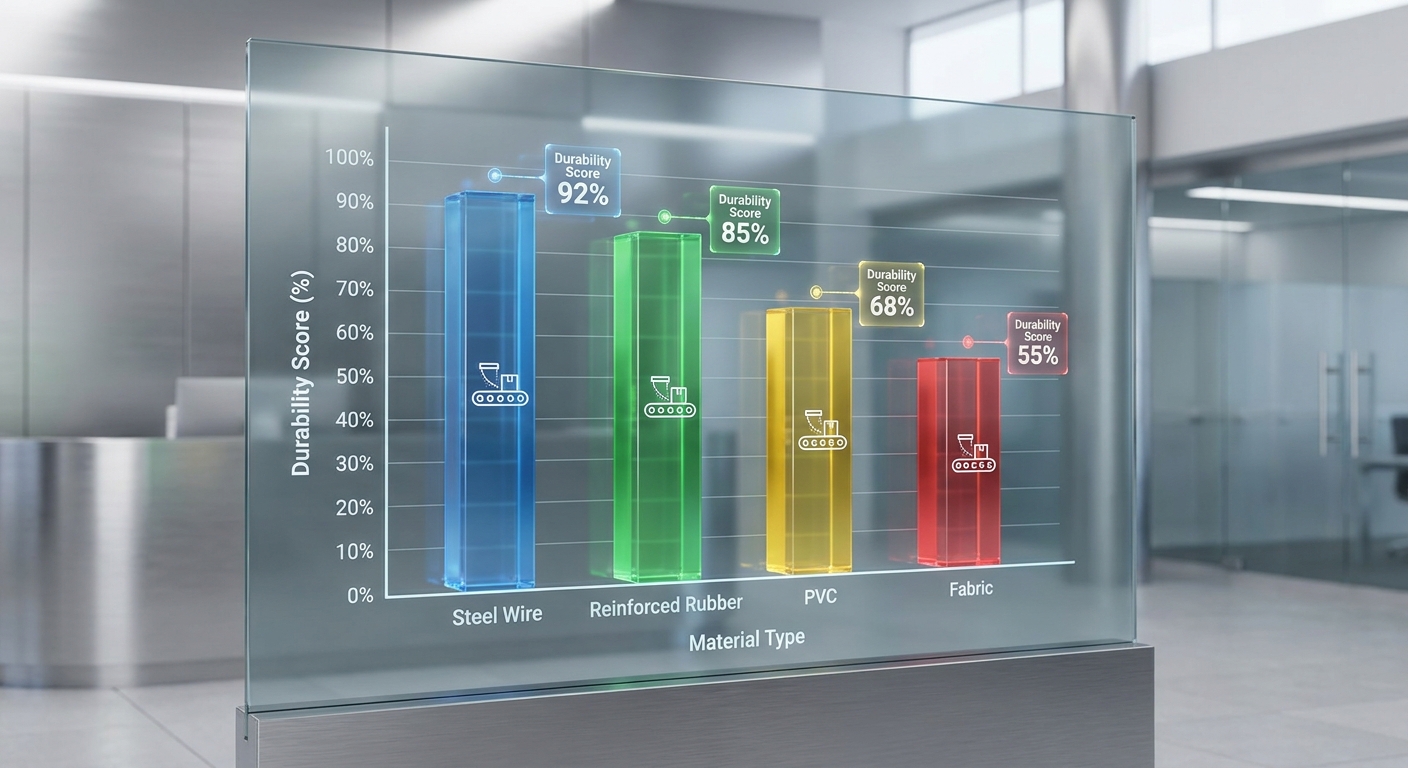
You must use a specialized rubber conveyor belt repair and splicing material because plaster casting environments subject conveyors to intense abrasive wear, heavy moisture, and constant thermal stress. Standard repair compounds degrade quickly under these punishing conditions, causing premature patch failures. Choosing the right material ensures that repairs maintain high adhesion and elasticity.
Why do plaster casting lines cause severe belt wear?
Think about it: when warm gypsum slurry is poured onto a belt, the continuous chemical reaction releases heat that degrades standard rubber. If you do not seal minor gouges immediately, the abrasive slurry will seep into the carcass, accelerating internal damage.
Here is the deal: you can prevent this rapid wear by using high-grade elastomeric repair resins designed for casting environments.
- Rapid wear resistance against abrasive crystalline gypsum dust.
- Protection against structural moisture ingress.
- Maintaining surface flatness to prevent mold defects.
How do specialized materials protect fabric conveyor belts?
If you run standard fabric conveyor belts in your plant, you know how vulnerable the structural plies are to moisture absorption. Moisture from wet plaster can cause ply separation and rot if left unsealed. Specialized repair materials cure into an airtight barrier that preserves the integrity of these textile layers.
Key Takeaway: Using specialized repair materials keeps your fabric layers dry and secure, extending the lifetime of your belt.
| Repair Material Type | Primary Application | Key Advantage | |
|---|---|---|---|
| Elastomeric Paste | Gouge & Edge Repair | High flexibility & rapid curing | |
| Hot Vulcanizing Compounds | Splice & Joint Fusing | Maximum heat & tensile strength |
Choosing the correct compound based on your belt’s reinforcement style prevents localized failure and ensures structural durability.
How to Choose rubber conveyor belt repair and splicing material?
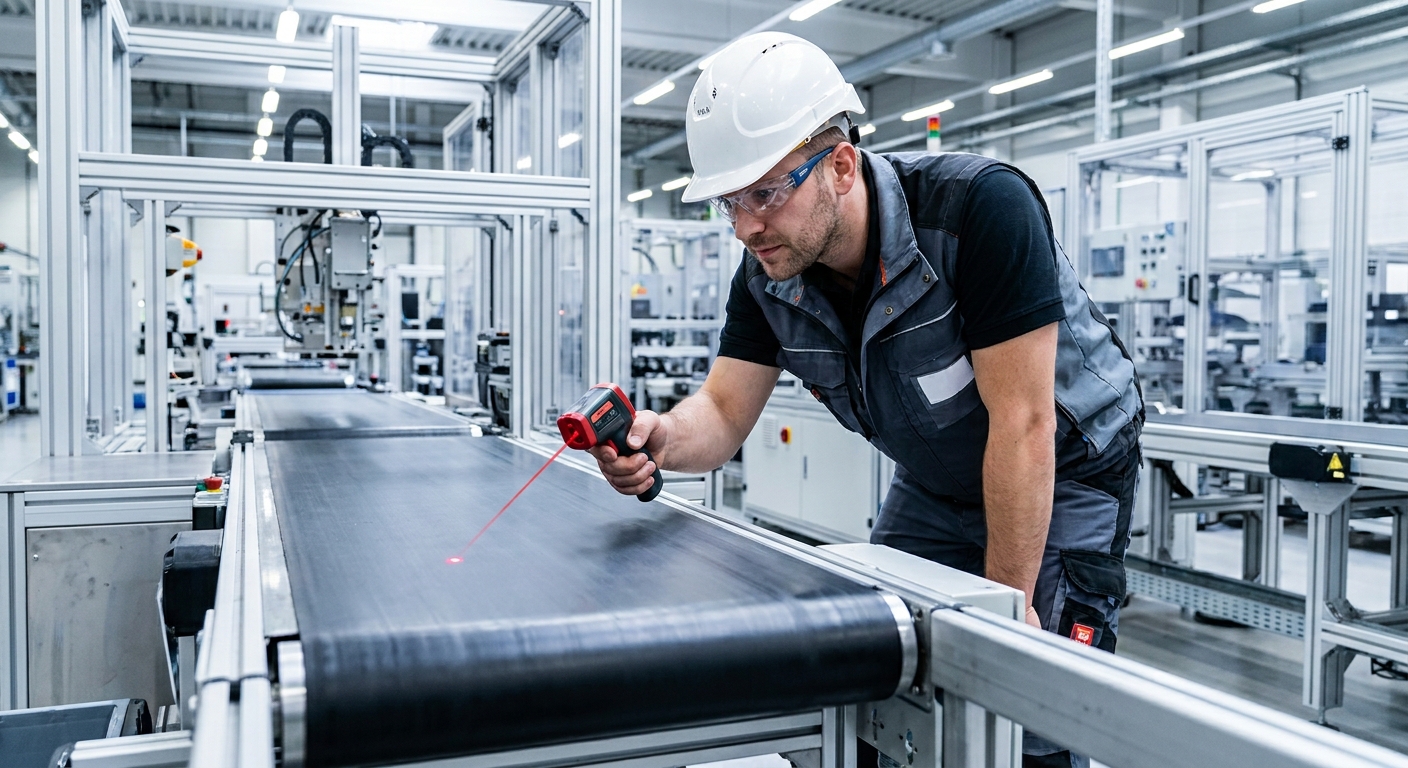
Choosing the right rubber conveyor belt repair and splicing material depends on evaluating the temperature of your plaster slurry, the belt’s reinforcement style, and your target curing window. You must match the repair compound’s polymer base with your belt’s cover compound to ensure molecular compatibility. Skipping this step often leads to poor adhesion and delamination.
What thermal properties should you look for?
You must select compounds that remain chemically stable at the specific operating temperatures of your molding line.
But wait, there is more: if the slurry exceeds 80°C, a standard repair compound will rapidly soften and peel off under scraper pressure.
- Look for a continuous service rating matching your maximum line temperature.
- Verify the compound’s resistance to thermal cycling.
- Ensure the cured hardness matches the original rubber cover.
How does curing time impact your selection?
In a busy plasterboard facility, you cannot afford to wait twelve hours for an adhesive to fully cure.
Here is the deal: choosing a rapid-curing B2B compound allows you to complete the repair during a scheduled shift change.
Key Takeaway: Selecting a high-heat, fast-curing compound minimizes scheduled maintenance windows while preventing premature chemical breakdown.
| Operating Temp | Recommended Material | Curing Mechanism | |
|---|---|---|---|
| Below 80°C | Cold-bonding urethane | Chemical reaction (fast) | |
| Above 100°C | Hot vulcanizing rubber | Heat & pressure (slow) |
By aligning the compound’s curing time with your production schedule, you maximize both repair quality and system uptime.
When is rubber conveyor belt repair and splicing material Needed?
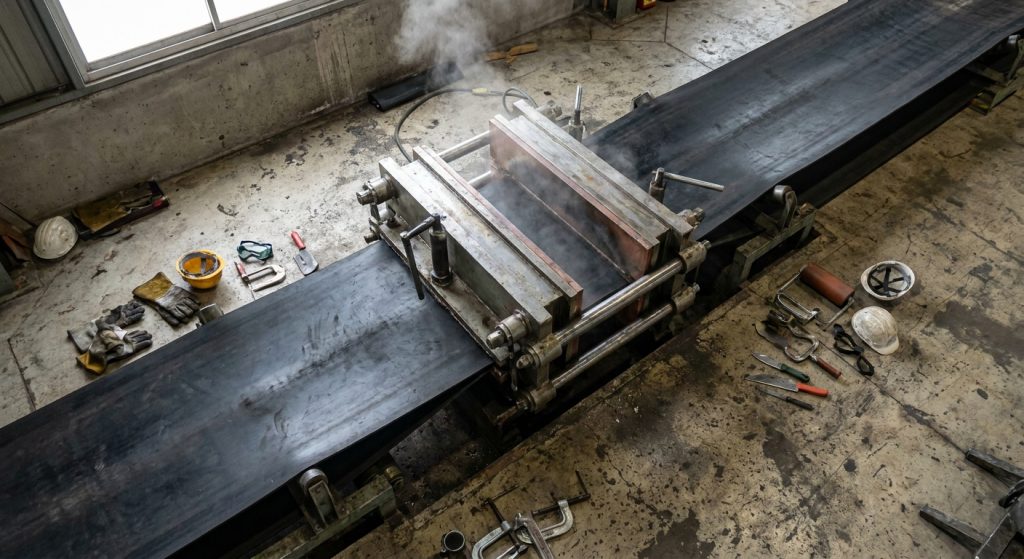
You need to apply rubber conveyor belt repair and splicing material immediately when you identify cover gouges, exposed fabric plies, or signs of splice separation during routine plant inspections. Waiting to address these minor flaws invites moisture and abrasive slurry to penetrate the belt core. Proactive intervention is the only way to avoid catastrophic failures on casting lines.
How do you spot early signs of splice fatigue?
If you look closely at your conveyor’s joint edges, you might spot minor cracking or lifting of the cover.
Think about it: these small cracks are direct pathways for aggressive gypsum particles to grind away at the internal reinforcement.
- Check for localized swelling or bubbling along the splice line.
- Monitor the belt tracking for sudden, unexplained shifts.
- Look for frayed textile fibers or shiny steel cords near the joint.
Why is immediate sealing of steel cord belts critical?
When operating heavy-duty steel cord conveyor belts , any small tear can expose the steel cords to water.
It gets worse: once water contacts the raw steel, rust forms quickly, traveling down the cord and destroying the rubber-to-metal bond.
Key Takeaway: Repairing small cover tears immediately blocks moisture ingress, saving your high-value steel reinforcement from catastrophic corrosion.
| Warning Sign | Immediate Action | Recommended Solution | |
|---|---|---|---|
| Edge fraying | Trim and seal edges | Cold-bonding adhesive paste | |
| Cord exposure | Structural vulcanization | Hot vulcanized splicing |
Executing localized repairs at the first sign of damage protects your core structural investment from irreversible breakdown.
Where to Buy rubber conveyor belt repair and splicing material?
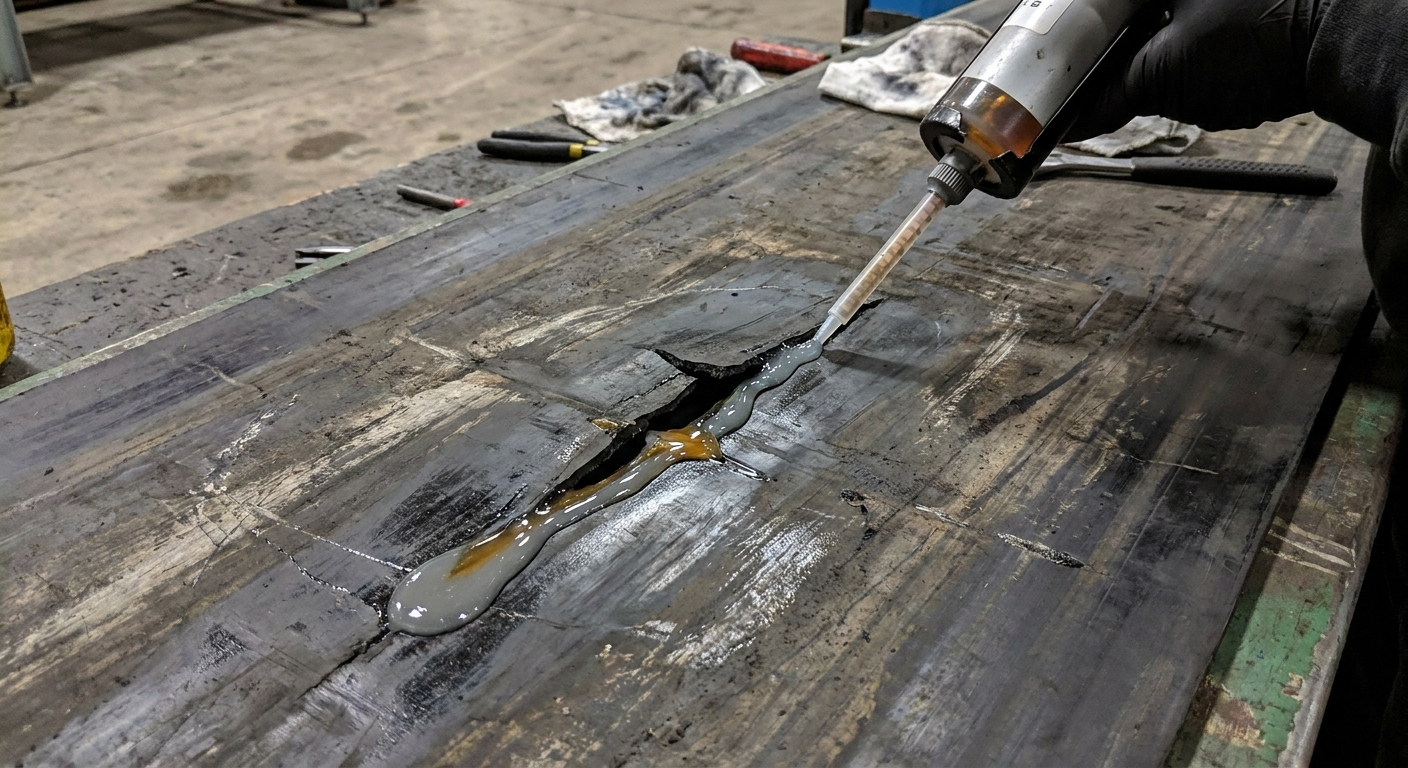
You should purchase high-quality rubber conveyor belt repair and splicing material directly from certified industrial conveyor manufacturers or specialized polymer distributors who understand the harsh thermal demands of gypsum processing. Sourcing from experienced B2B suppliers ensures that you receive chemical formulations with active shelf lives and verified temperature ratings. Cheap, generic retail adhesives fail to deliver the thermal resilience required for casting.
Why buy from specialized conveyor manufacturers?
When you partner with a manufacturer, you gain access to custom-formulated polymers that perfectly match your heat resistant conveyor belts .
The best part? These B2B specialists provide technical data sheets and expert support to guide your team through difficult splicing procedures.
- Guaranteed chemical compatibility with heavy-duty cover elastomers.
- Access to complete repair kits including industrial primers and solvents.
- Professional consulting on joint design and thermal tolerances.
How does material freshness impact B2B purchasing?
You must realize that industrial chemical adhesives have strict shelf lives and storage temperature requirements.
Here is the deal: buying directly from a high-volume B2B supplier prevents you from receiving expired primers that fail under heat.
Key Takeaway: Buying directly from professional suppliers ensures fresh, high-performance chemistry that bonds reliably under high-stress casting conditions.
| Supplier Type | Product Quality | Support Level | |
|---|---|---|---|
| Generic Retailer | Low/Variable | None | |
| B2B Manufacturer | High/Certified | Expert technical guidance |
Partnering with an experienced industrial supplier safeguards your maintenance team with certified materials and essential application knowledge.
What is rubber conveyor belt repair and splicing material Cost?
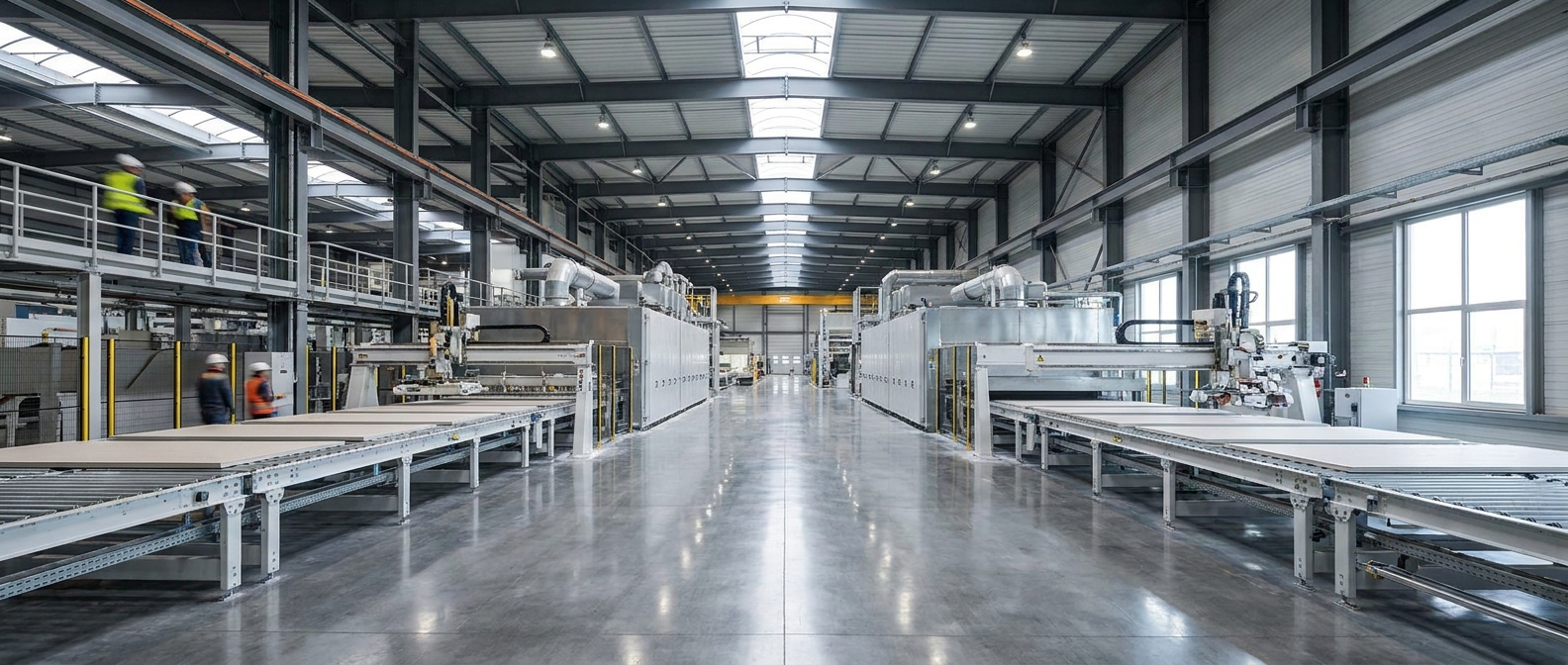
The cost of premium rubber conveyor belt repair and splicing material ranges from a few hundred dollars for cold-bonding repair kits to several thousand dollars for specialized hot vulcanizing compound rolls and professional pressing machinery. While high-grade polymers carry a premium upfront cost, they prevent catastrophic failures that can cost thousands of dollars per hour in production downtime. Evaluating cost should always factor in the long-term lifecycle savings of a reliable joint.
How do cold-bonding and hot vulcanizing costs compare?
If you look at the immediate expenses, cold-bonding kits are highly economical and require no heavy capital equipment.
Think about it: cold patches are great for minor damage, but they may need more frequent replacement on high-heat lines than a vulcanized joint.
- Cold kits offer lower labor costs and faster installation times.
- Hot vulcanization requires high-pressure presses but delivers a permanent, heat-proof joint.
- Investing in the right material now eliminates recurring patch failures.
What is the true cost of using cheap repair compounds?
Using subpar adhesives on your sidewall conveyor belts can lead to joint failures that spill wet plaster slurry everywhere.
But wait, there is more: the cost of cleaning a fouled conveyor line and replacing a ruined belt far exceeds the price of premium adhesive.
Key Takeaway: Investing in high-performance splicing materials is a fraction of the cost of a single hour of unplanned factory downtime.
| Splicing Tech | Initial Material Cost | Labor & Equipment Cost | |
|---|---|---|---|
| Cold-Bonding | Low | Low (Hand tools only) | |
| Hot Vulcanization | Medium | High (Heavy pressing machinery) |
Prioritizing long-term joint durability over initial material savings secures a lower total cost of ownership for your casting line.
Does rubber conveyor belt repair and splicing material Work?
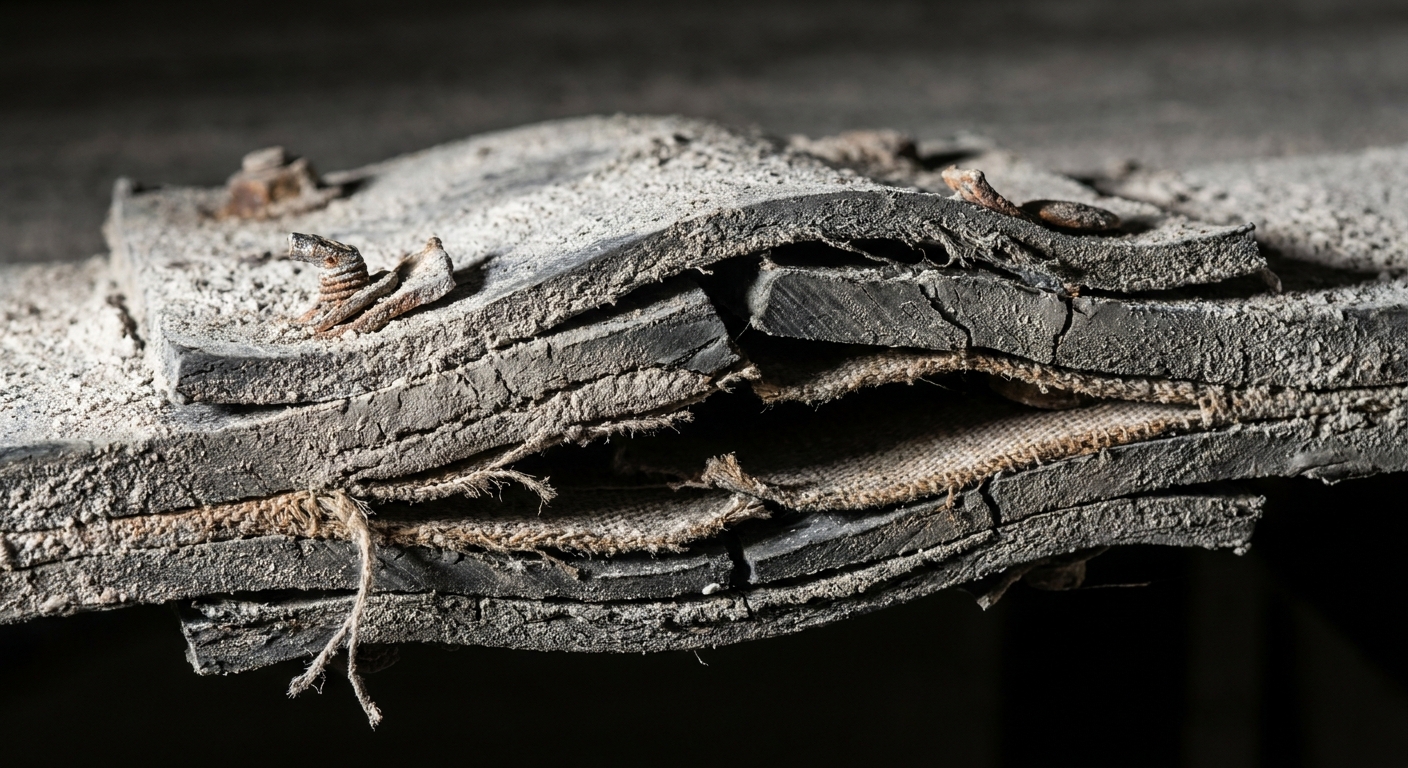
Yes, rubber conveyor belt repair and splicing material works exceptionally well when you execute precise surface preparation and follow recommended chemical curing times. High-quality compounds restore the original tensile strength of the belt and create an impermeable barrier against warm, abrasive plaster slurry. However, even the best materials will fail if applied over dust-contaminated or moisture-ridden surfaces.
What determines B2B repair success in gypsum plants?
You must realize that the bond’s success depends on creating a totally clean, textured surface for the adhesive.
Here is the deal: plaster dust acts as a release agent that prevents the chemical adhesive from molecularly bonding with the parent rubber.
- Mechanical buffing must strip away oxidized rubber to reveal fresh material.
- Specialized chemical solvents must remove every trace of oil and gypsum dust.
- Primers must be applied evenly and allowed to dry completely.
How do physical tests prove joint strength?
If you conduct peel tests on properly cured cold-bond joints, the rubber cover will tear before the adhesive bond fails.
The best part? This structural integration ensures the repair handles continuous flexing over high-tension pulleys without peeling back.
Key Takeaway: Following a strict, multi-step preparation protocol guarantees that your repairs survive the intense mechanical shear of plaster production.
| Prep Phase | Critical Action | Consequence of Failure | |
|---|---|---|---|
| Grinding | Buff to a rough texture | Weak physical interlock | |
| Solvent Cleaning | Strip fine plaster dust | Adhesive boundary failure |
Strict adherence to preparation standards is what separates a permanent, high-performance repair from a temporary, fragile patch.
Is rubber conveyor belt repair and splicing material Durable?
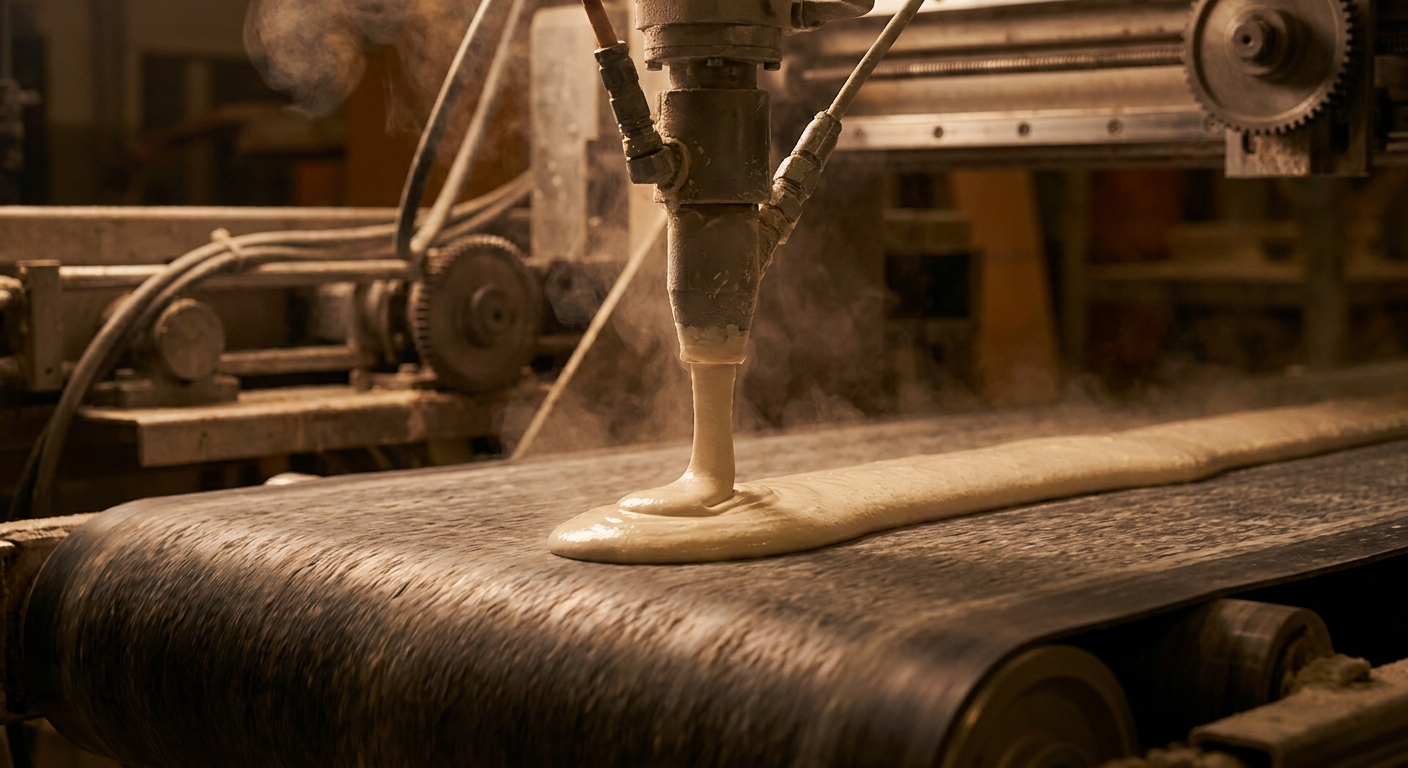
Yes, high-grade rubber conveyor belt repair and splicing material is incredibly durable, often matching or exceeding the operational lifespan of the parent conveyor belt when exposed to high temperatures and abrasive plaster slurry. Formulated with resilient elastomers, these specialized B2B compounds resist the micro-tearing and hardening caused by continuous thermal stress. Proper application is key to unlocking this long-term durability.
How do EPDM-based compounds survive thermal stress?
If you operate continuous casting lines, EPDM-based splicing compounds are your best defense against heat degradation.
Think about it: these polymers feature highly stable chemical backbones that resist oxidation and hardening at temperatures up to 150°C.
- Resists micro-cracking during fast temperature transitions.
- Prevents surface hardening caused by exposure to hot gypsum slurry.
- Maintains elasticity over millions of high-tension pulley rotations.
Why does elasticity prevent abrasive wear?
You must remember that a rigid repair material will quickly crack and wear away under the constant impact of abrasive plaster.
And it gets even better: highly elastic rubber repair materials deflect abrasive particles rather than scratching, significantly reducing surface wear rates.
Key Takeaway: Utilizing flexible, heat-resistant EPDM compounds ensures your repairs survive both thermal stress and extreme abrasive wear.
| Material Compound | Temp Resistance | Wear Resistance Profile | |
|---|---|---|---|
| Standard Rubber | Fair (Up to 80°C) | Moderate | |
| Premium EPDM Elastomer | Excellent (Up to 150°C) | Superior (Highly elastic) |
Specifying durable, heat-stable rubber compounds keeps your conveyor running smoothly through the most intensive production runs.
Who Needs rubber conveyor belt repair and splicing material?
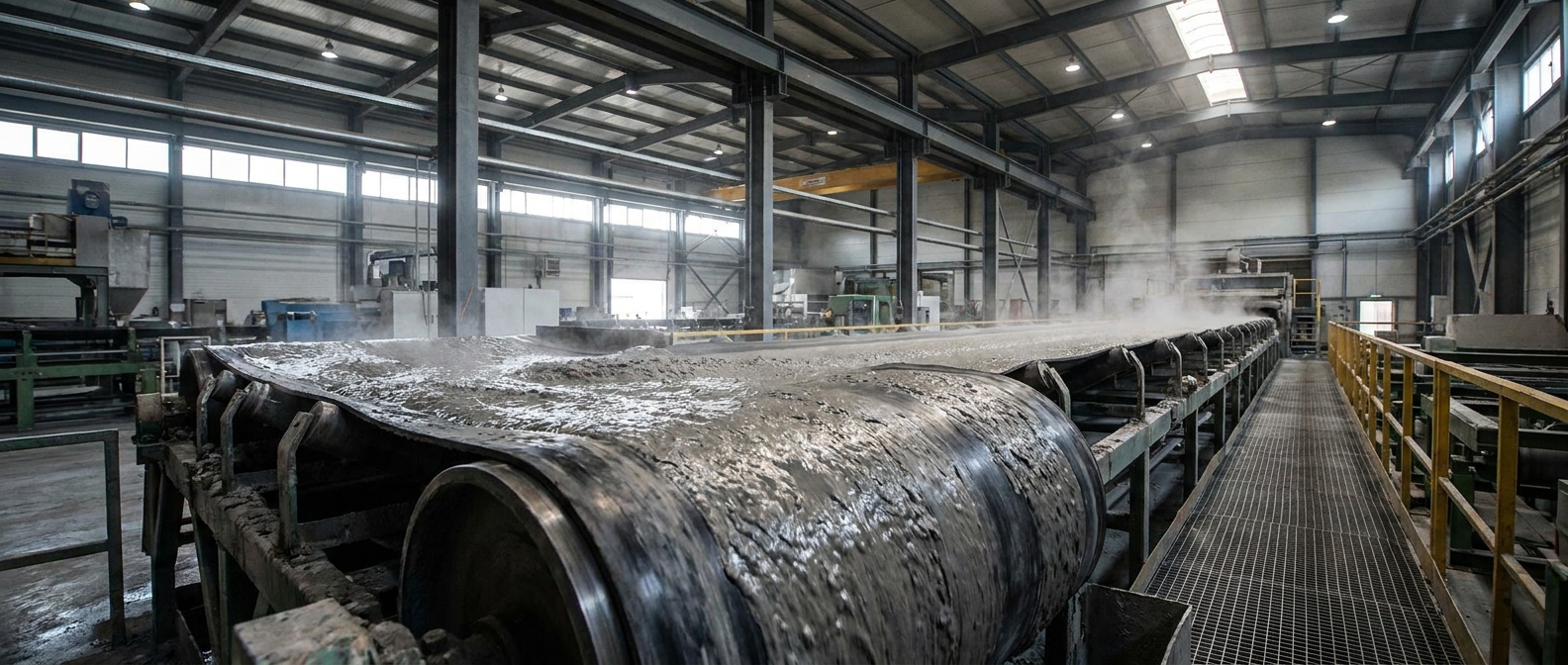
Every plant manager, maintenance engineer, and operations director running automated plasterboard manufacturing facilities or industrial gypsum molding lines needs to stock rubber conveyor belt repair and splicing material. Having these B2B repair solutions on hand prevents minor surface wear from developing into catastrophic structural tears. Without a reliable inventory of repair materials, your facility remains highly vulnerable to unexpected production halts.
Why do maintenance teams require on-site repair kits?
When you face a sudden belt tear on a busy production floor, every minute of delay costs thousands of dollars.
Here is the deal: equipping your team with ready-to-use, rapid-curing B2B repair kits allows them to fix punctures immediately.
- Eliminates the delay of waiting for external service technicians to arrive.
- Enables quick patch interventions during scheduled daily cleanups.
- Empowers your operators to maintain high standards of conveyor safety.
How do operations directors benefit from stocked splicing materials?
By stocking certified materials, you ensure that any planned splice replacement can proceed without logistics delays.
What is the bottom line? Strategic material stocking transforms stressful emergency shutdowns into routine, well-controlled maintenance events.
Key Takeaway: Keeping an organized inventory of high-grade splicing materials is your plant’s best insurance policy against costly downtime.
| Maintenance Strategy | Operational Status | Downtime Risk Profile | |
|---|---|---|---|
| Reactive (No Stock) | Vulnerable | High (Long shipping delays) | |
| Proactive (Stocked Kits) | Protected | Low (Immediate patch capability) |
Maintaining a dedicated inventory of critical repair materials ensures your facility is prepared for any belt emergency.
Can rubber conveyor belt repair and splicing material Fail?
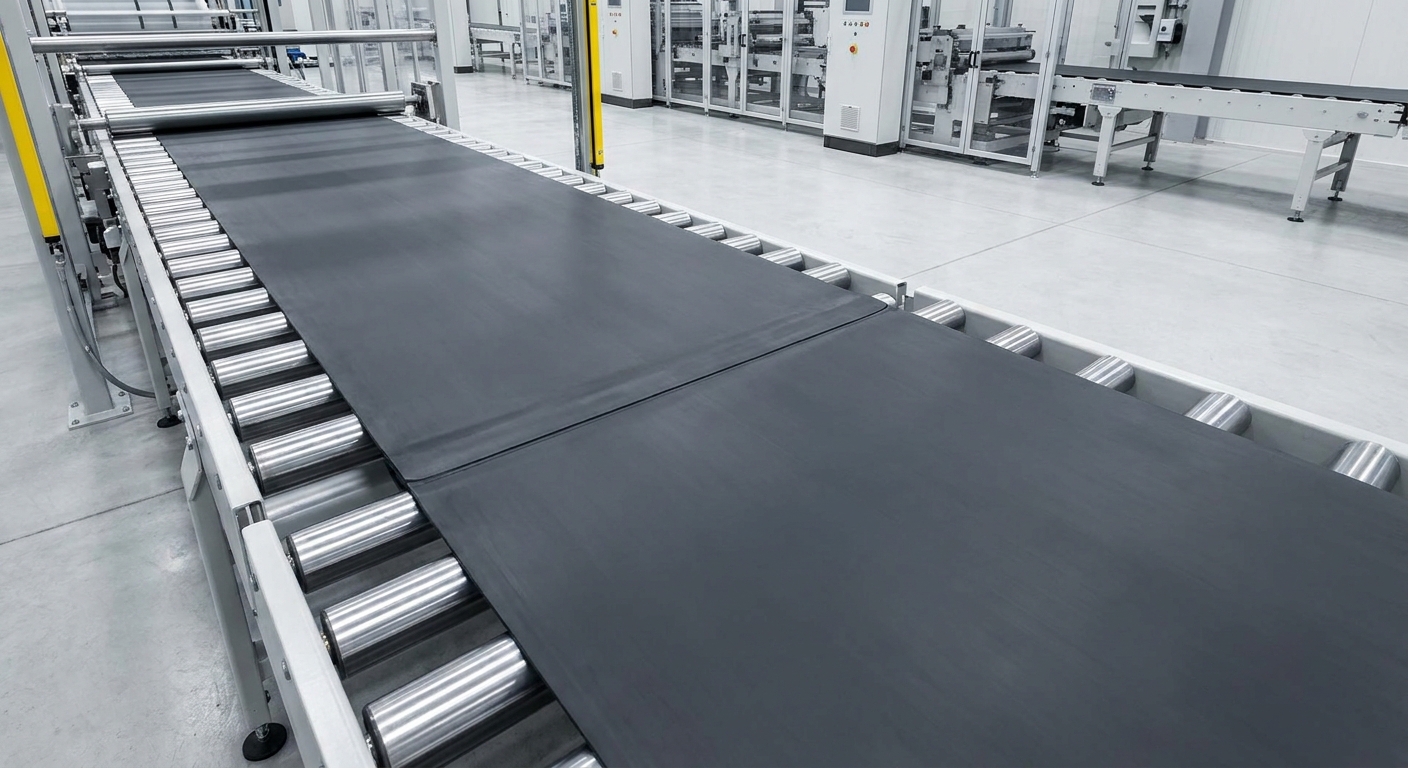
Yes, rubber conveyor belt repair and splicing material can fail if your technicians bypass proper cleaning procedures, apply incorrect mixing ratios, or ignore temperature limits. Even the most advanced polymers cannot establish a secure chemical bond when applied over fine plaster dust or wet rubber. Recognizing and eliminating these common application errors is essential for ensuring joint longevity.
What are the primary causes of adhesive bonding failure?
If your team rushes the application, moisture trapped within the joint will vaporize under heat, causing large blisters.
But wait, there is more: mismatched mixing of two-component adhesives prevents the polymer from reaching its full structural hardness.
- Trapped plaster dust prevents molecular contact at the interface.
- Insufficient curing time before returning the belt to high tension.
- Over-grinding the rubber cover, which damages the underlying fabric plies.
How do environmental factors trigger premature splice failure?
You must realize that extreme ambient humidity and low temperatures can slow down chemical curing reactions.
Think about it: executing cold repairs in an unheated, damp building without adjusting cure times often leads to joint delamination.
Key Takeaway: Controlling temperature, moisture, and dust during the splicing process is critical to preventing premature joint failures.
| Failure Mode | Root Cause | Preventative Measure | |
|---|---|---|---|
| Joint Blistering | Trapped moisture or solvent | Allow solvents to evaporate fully | |
| Patch Peeling | Plaster dust contamination | Double-clean with B2B solvents |
Understanding how environment and technique influence your repairs ensures your maintenance team delivers strong, lasting results.
Which rubber conveyor belt repair and splicing material is Best?
The best rubber conveyor belt repair and splicing material is a high-temperature EPDM or chloroprene formulation that offers chemical compatibility with your belt’s original elastomer. You should always select materials certified by industrial B2B manufacturers who provide detailed technical specifications for plaster casting lines. Choosing a matched system ensures excellent adhesion and thermal resilience.
Why are two-component polyurethane compounds highly recommended?
For rapid cover repairs, two-component polyurethane compounds provide the ultimate combination of toughness and flexibility.
The best part? These B2B resins cure within hours into a hard, non-porous barrier that shrugs off abrasive plaster dust.
- Exceptional resistance to high-frequency pulley bending.
- Seamless surface finish that prevents gypsum slurry from sticking.
- Excellent wear life against sharp chemical scraper blades.
When you use high-performance, metal-to-rubber primers in steel cord joints, you create a molecular bridge.
Here is the deal: this extra layer doubles the mechanical peel strength of the splice, making it highly resistant to thermal stress.
Key Takeaway: Combining two-component polyurethane repair pastes with high-performance primers creates a joint that can outlast standard belts.
| Joint Metric | Polyurethane Compound | EPDM Vulcanizing Strip | |
|---|---|---|---|
| Max Temperature | 100°C (Cold cure) | 150°C+ (Hot vulcanized) | |
| Installation Ease | High (No press needed) | Medium (Requires press) |
Choosing the highest quality EPDM and polyurethane materials ensures your casting line remains productive, reliable, and completely safe.
Conclusion
Maintaining seamless productivity on demanding industrial plaster casting lines requires a perfect combination of premium belt technology and elite-grade splicing execution. By implementing specialized, heat-resistant repair compounds and following disciplined preparation protocols, you can effectively combat thermal stress, eliminate water ingress, and prevent abrasive gypsum wear from eroding your bottom line. We specialize in providing the heavy-duty conveyor solutions and expert B2B support you need to keep your automated production lines running 24/7 without interruption. Our vision is to pioneer the next generation of resilient industrial conveyor systems, ensuring absolute reliability for heavy manufacturers worldwide. To find the ideal material matching your plant’s specific thermal and mechanical demands, contact us today to speak with a dedicated application engineer.
FAQ
Can I use cold-bonding adhesives for high-heat plaster casting belts?
Yes, you can. However, you must ensure the cold-bonding compound is rated for continuous exposure to your specific line temperatures. While standard cold adhesives degrade at sustained temperatures above 80°C, premium B2B dual-component rubber adhesives can withstand continuous exposure up to 100°C without peeling.
What’s the best way to clean a belt before applying adhesive?
The best method is to use a fast-evaporating chemical solvent cleaner after thorough mechanical grinding. First, buff the surface with a wire brush to remove oxidized rubber, then apply the solvent to completely lift plaster dust and oils, allowing it to evaporate fully before applying primer.
How do I know if my conveyor belt requires a complete splice replacement?
You will know if you observe visible ply separation, continuous tracking deviation at the joint, or deep cracks across the splice width. Once moisture and abrasive gypsum dust penetrate the inner textile carcass, localized repairs are no longer safe, making a complete joint cut-out and re-splice mandatory.
Can I perform a temporary mechanical repair on a plaster casting conveyor?
Yes, you can. However, mechanical fasteners should only serve as a temporary emergency fix to keep your line running until the next scheduled shutdown. Raised metal fasteners will damage belt scrapers and allow wet gypsum slurry to leak through the joints, leading to internal fabric wear.
How do I know if my belt carcass is starting to rot from moisture?
You can tell by checking for localized swelling, softening of the rubber cover, or bubbling around minor punctures. When wet plaster slurry penetrates open cover gouges, it compromises the internal fabric plies, causing delamination and soft spots that indicate structural decay.