
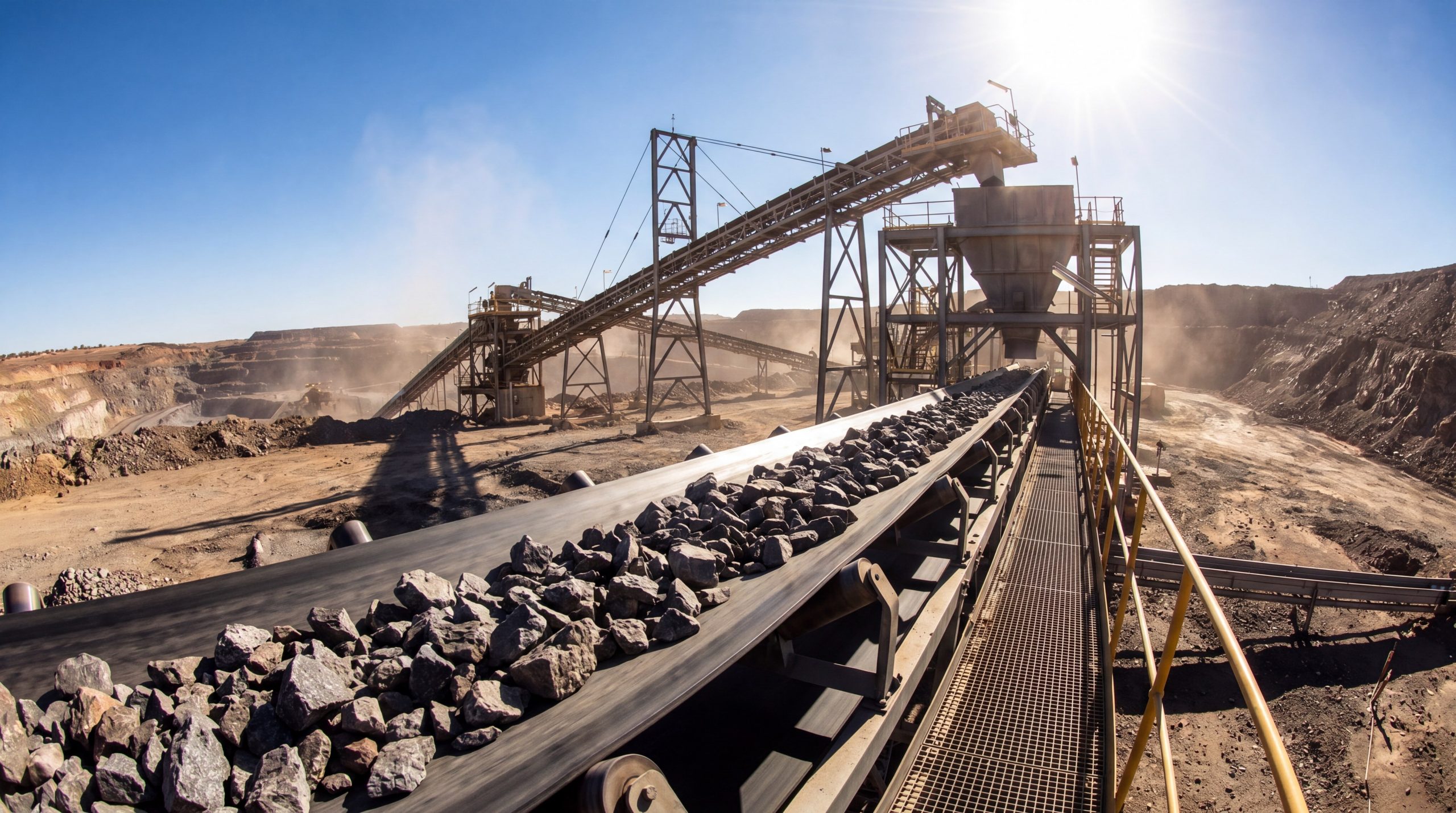
A rubber heavy duty rubber conveyor belt is engineered for extreme industrial conditions, delivering superior resistance to abrasion, tearing, and heavy loads. By using a high-PIW rated rubber heavy duty rubber conveyor belt, you can minimize downtime, prevent costly failures, and ensure stable, high-efficiency material handling across demanding production environments.
What is a rubber heavy duty rubber conveyor belt?
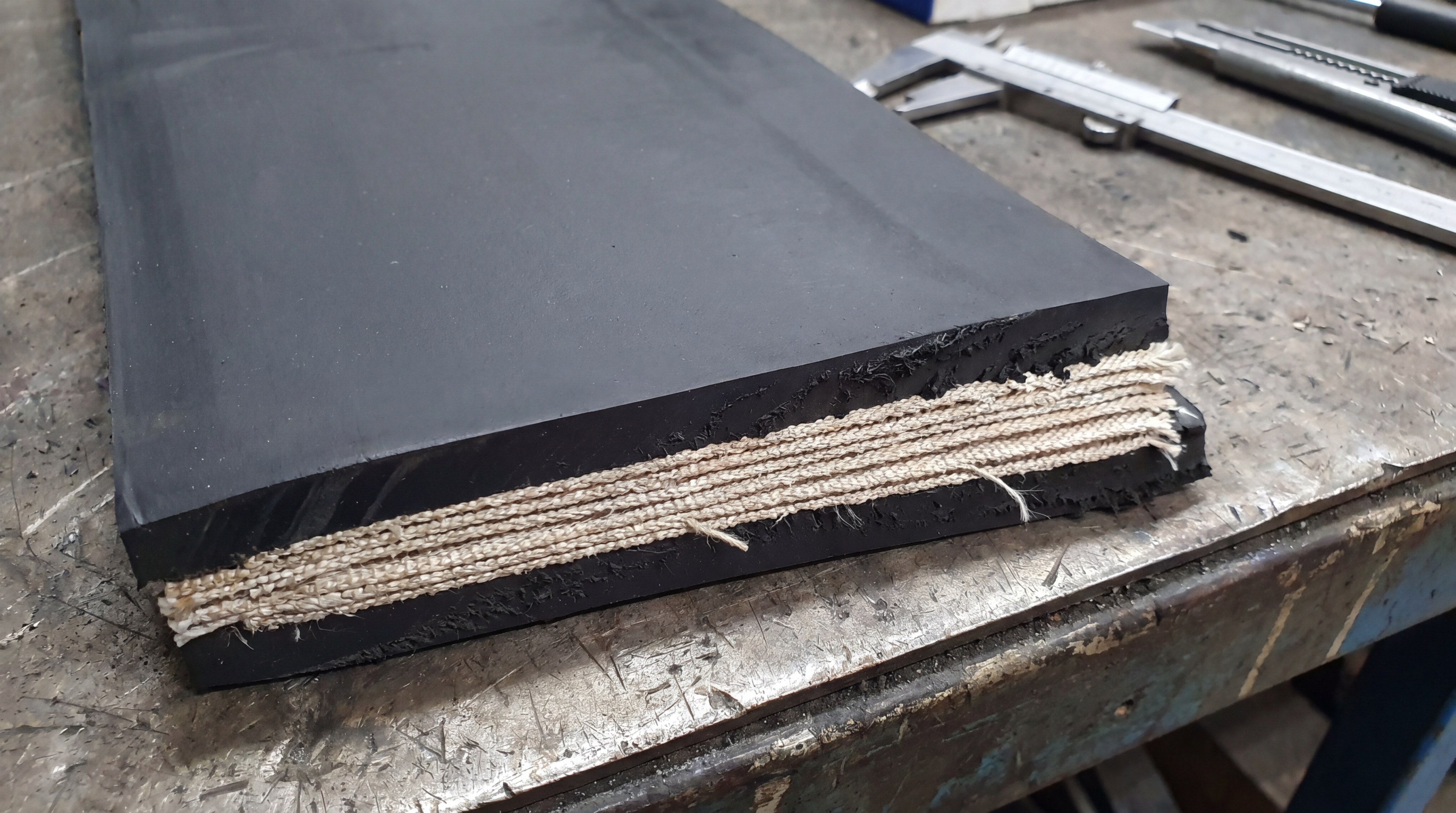
A rubber heavy duty rubber conveyor belt is a multi-layered industrial component consisting of high-tensile carcasses and specialized rubber covers designed for extreme impact. These belts are engineered to handle heavy, jagged materials that would easily destroy standard-grade belting. You will find they offer superior resistance to gouging and tearing while maintaining the flexibility required for complex pulley systems.
What core materials are used in construction?
The primary strength of these belts comes from a sophisticated blend of synthetic fabrics or steel reinforcements. You will often see multiple plies of polyester and nylon which provide the necessary textile reinforcement to prevent stretching.
Think about it:
- High-grade SBR or Natural Rubber covers.
- Polyester/Nylon (EP) fabric layers.
- Specialized bonding agents to prevent ply separation.
How is the tension rating calculated?
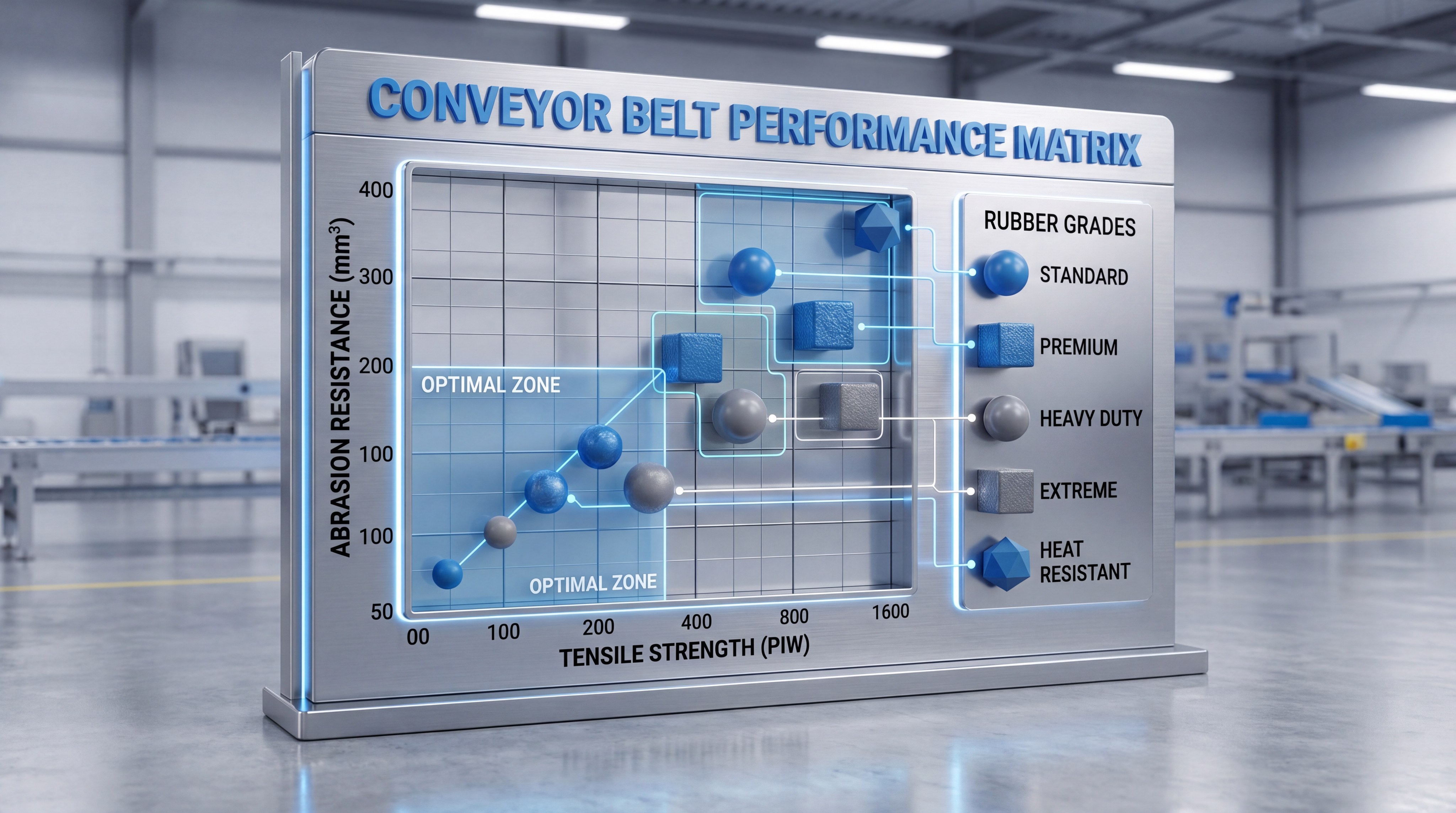
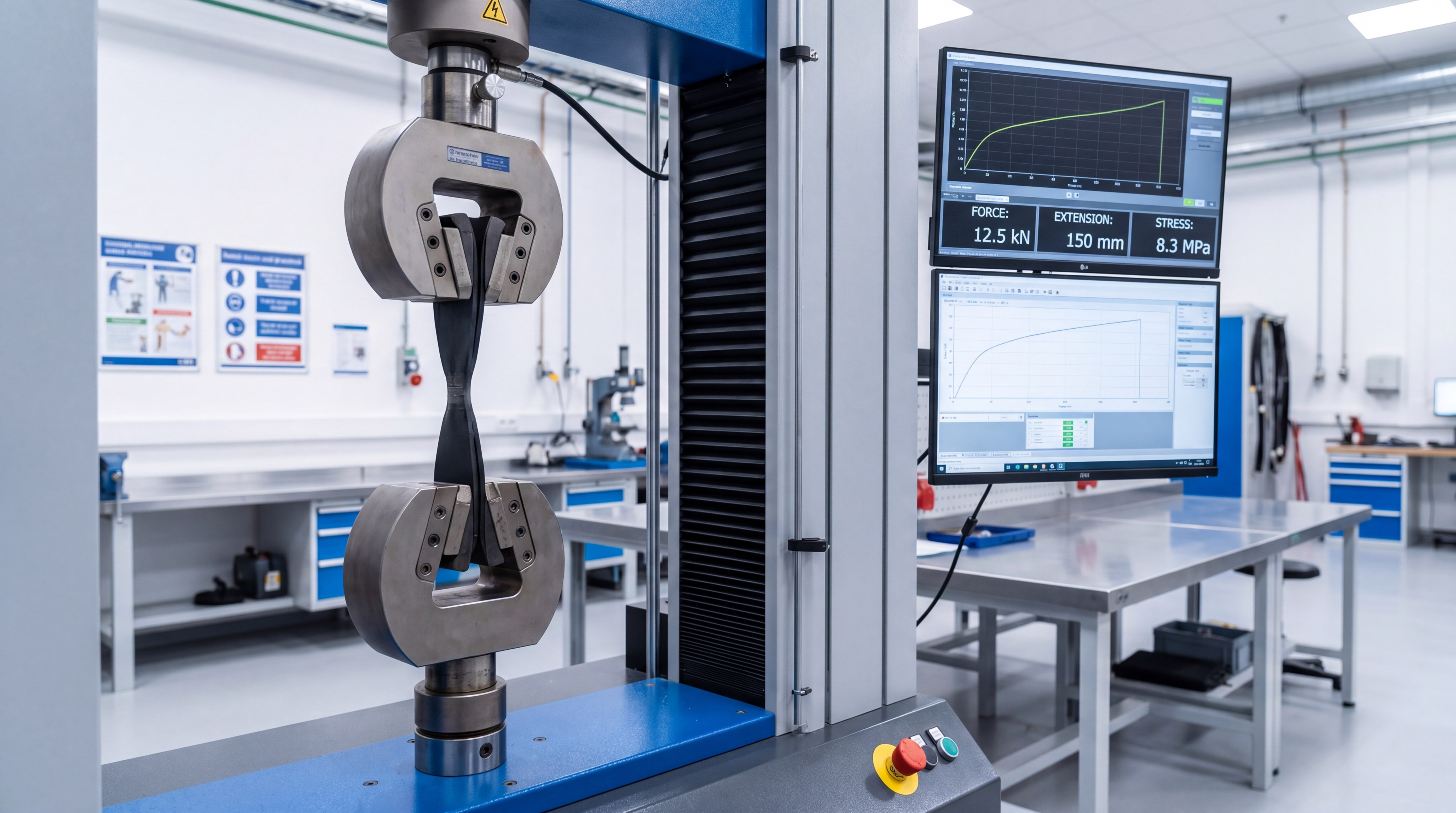
Tension ratings are typically measured in PIW (Pounds per Inch of Width) to determine the maximum load-carrying capacity. This rating ensures the belt can withstand the pull of the motor without snapping or excessive elongation.
Key Takeaway: Understanding the material composition and tension rating is the first step in ensuring your system remains operational under maximum load.
| Component | Function | Advantage | |
|---|---|---|---|
| Top Cover | Abrasion Resistance | Extends life against sharp materials | |
| EP Carcass | Load Support | Reduces belt stretch and maintenance | |
| Bottom Cover | Pulley Traction | Ensures smooth power transmission |
Proper material selection directly correlates with the overall lifespan of your heavy-duty industrial setup.
How to choose a rubber heavy duty rubber conveyor belt?
Choosing a rubber heavy duty rubber conveyor belt requires a detailed analysis of your material type, impact energy, and the environmental conditions of your facility. You must consider the specific weight and sharp edges of the cargo to determine the appropriate cover grade and thickness. Selecting an under-specified belt leads to premature failure and costly emergency replacements.
Which cover grade fits your application?
Cover grades are standardized to help you identify the best protection for your specific material. Grade 1 covers offer maximum resistance to cutting and gouging from large ores, while Grade 2 is better suited for general abrasion like sand.
Check this out:
- Grade 1: Extreme cutting and gouging.
- Grade 2: High abrasion from smaller particles.
- MOR: Resistance to oil and chemical degradation.
Is a custom fabrication necessary?
Here is the kicker: standard belts may not meet the unique incline or hygiene requirements of specialized plants. Custom fabrications can include unique surface textures or specific widths tailored to your existing conveyor frame.
Key Takeaway: Selecting the right grade and deciding between standard or custom belts ensures you don’t overspend on unnecessary features while protecting against failure.
| Application | Recommended Grade | Primary Threat | |
|---|---|---|---|
| Hard Rock Mining | Grade 1 | Heavy Impact/Sharp Edges | |
| Sand/Gravel | Grade 2 | Fine Particle Abrasion | |
| Recycling | MOR / FR | Oil Exposure / Fire Risks |
Matching the belt grade to the material threat is the most effective way to optimize your operational budget.
Why use a rubber heavy duty rubber conveyor belt?
Using a rubber heavy duty rubber conveyor belt significantly reduces your downtime by providing a robust surface that can handle thousands of tons of material without degradation. These systems are designed to maximize your return on investment by lasting much longer than standard utility belts in harsh conditions. You will notice a drastic reduction in maintenance intervals and a more consistent flow of material through your facility.
Does it reduce long-term operational costs?
The initial investment in a heavy-duty belt is offset by the longevity and reliability it provides to your system. You save money by avoiding the labor costs and production losses associated with frequent belt repairs or replacements.
But wait, there’s more:
- Lower frequency of vulcanized splicing.
- Reduced wear on rollers and idlers.
- Minimized cleanup from belt spillage or failures.
How does it improve material throughput?
High-strength belts allow you to operate at higher speeds and carry heavier loads without the risk of mechanical failure. This increased capacity directly translates to higher revenue and better fulfillment of your production targets.
Key Takeaway: Investing in heavy-duty belting is a strategic decision that prioritizes long-term profitability over short-term savings.
| Metric | Heavy Duty Belt | Standard Belt | |
|---|---|---|---|
| Lifespan (Avg) | 36 – 60 Months | 12 – 18 Months | |
| Max Load Cap | High (1000+ PIW) | Moderate (<400 PIW) | |
| Impact Resistance | Excellent | Poor |
Durability and load capacity are the primary drivers for upgrading to high-performance conveyor solutions.
Where is a rubber heavy duty rubber conveyor belt used?
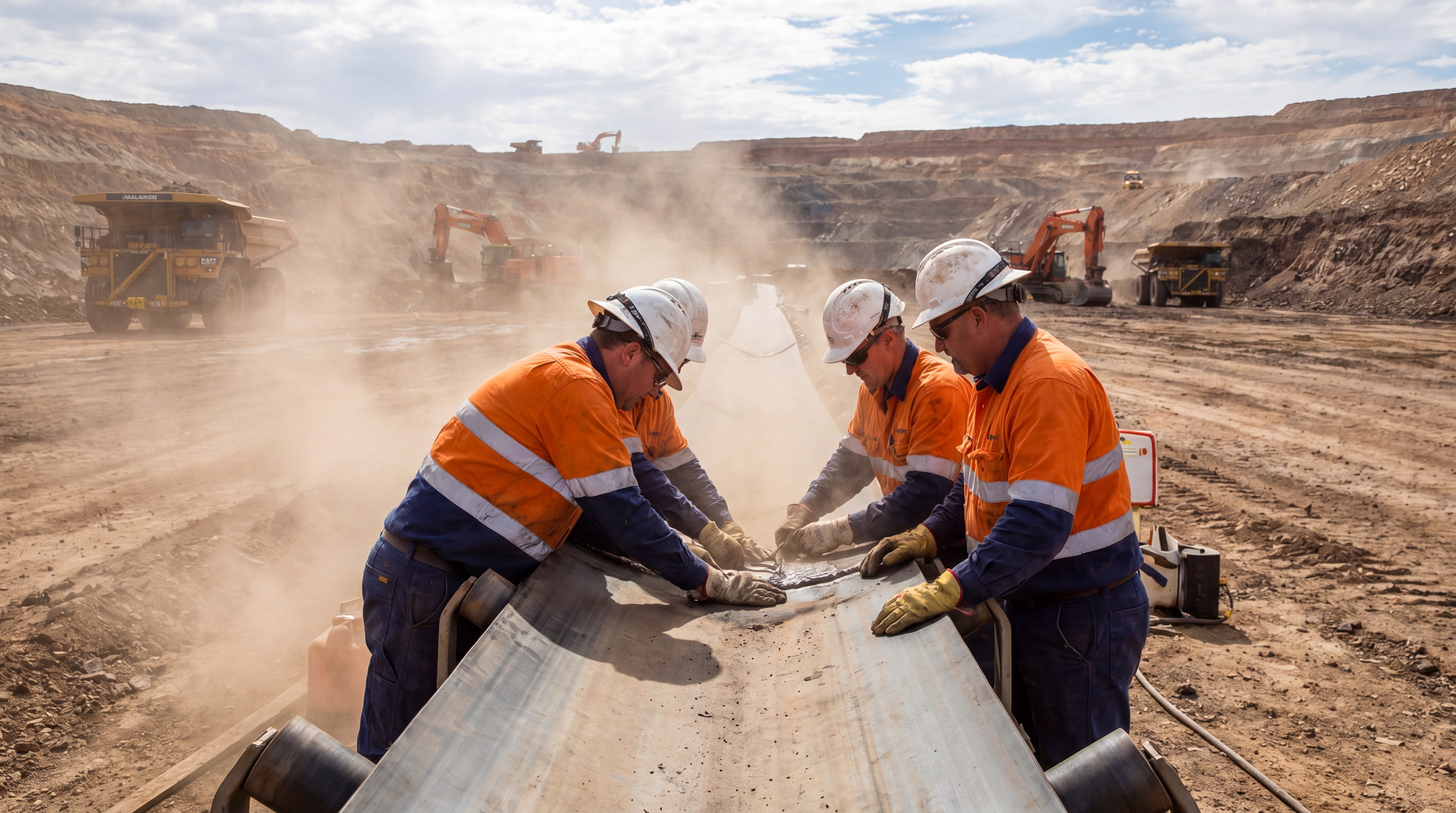
A rubber heavy duty rubber conveyor belt is essential in industries like mining, quarrying, and heavy manufacturing where heavy loads are the standard. You will find these belts in open-pit mines and underground tunnels where reliability is a safety requirement. They are also common in ports for loading massive vessels with bulk commodities like coal or iron ore.
Is it ideal for aggregate and mining?
In the aggregate industry, belts must withstand the falling impact of large stones and the constant grinding of crushed rock. You need mining industry solutions that can handle high-tonnage throughput without surface fatigue.
Look at it this way:
- Crushed stone transport.
- Raw ore extraction.
- High-impact transfer points.
How does it perform in steel manufacturing?
Now for the secret: steel plants use these belts to move hot sinter, coke, and scrap metal that would melt or slice through standard materials. The heavy-duty construction provides the necessary thermal and physical barrier for continuous furnace feeding.
Key Takeaway: Understanding where these belts excel allows you to apply them correctly across various industrial verticals for maximum efficiency.
| Industry | Environment | Load Type | |
|---|---|---|---|
| Mining | Dusty/High Impact | Large Jagged Ore | |
| Logistics | High Speed | Bulk Packages/Containers | |
| Steel | High Heat | Metallic Scrap/Slag |
Strategic placement in high-stress zones ensures that your heavy-duty belts provide the greatest value where it is most needed.
Can a rubber heavy duty rubber conveyor belt resist heat?
Yes, a rubber heavy duty rubber conveyor belt can be manufactured with specialized heat-resistant compounds designed to maintain integrity at temperatures exceeding 200°C. You will find that standard rubber begins to harden and crack when exposed to high heat, but specialized HR (Heat Resistant) grades remain flexible. This prevents the carcass from becoming brittle and failing under the tension of the drive motor.
What are the maximum temperature limits?
Depending on the specific compound used, these belts can handle constant temperatures ranging from 120°C to 200°C. You can even find extreme versions that tolerate intermittent peaks up to 400°C for short durations.
It gets better:
- T1 Grades: Up to 120°C.
- T2 Grades: Up to 150°C.
- T3 Grades: Up to 200°C+.
Are MOR compounds required for oily materials?
Believe it or not: heat isn’t the only enemy; oily materials like fertilizer or wood chips can cause rubber to swell and delaminate. You should combine heat resistance with MOR (Moderate Oil Resistance) if your materials contain high concentrations of hydrocarbons.
Key Takeaway: Selecting the correct thermal grade prevents the belt from becoming brittle, ensuring your high-temperature operations run without interruption.
| Heat Grade | Constant Temp | Peak Temp | |
|---|---|---|---|
| HR-T1 | 120°C | 150°C | |
| HR-T2 | 150°C | 180°C | |
| HR-T3 | 200°C | 400°C |
Thermal stability is critical for preventing catastrophic belt failure in cement, steel, and chemical processing plants.
Is a rubber heavy duty rubber conveyor belt durable?
A rubber heavy duty rubber conveyor belt is one of the most durable components in your facility, often outlasting the mechanical parts of the conveyor frame. Its durability is a result of high-strength synthetic fibers and thick, resilient rubber covers that absorb energy upon impact. You can rely on these belts to resist ozone, sunlight, and extreme weather, making them perfect for outdoor operations.
Can it withstand sharp rock impact?
The Grade 1 rubber covers are specifically formulated to have a high tensile strength that resists the cutting action of sharp stones. For extreme heights and loads, you may consider a high-strength steel cord reinforcement to provide ultimate carcass protection.
Think about it:
- High-energy absorption rubber.
- Cross-rigid reinforcements.
- Molded edge protection.
How do molded edges prevent fraying?
Why does this matter? Molded edges seal the internal fabric plies, preventing moisture and chemicals from wicking into the belt’s core. This stops the delamination process before it starts, keeping the internal structure intact for years.
Key Takeaway: Durability isn’t just about thickness; it’s about the chemistry and construction that protects the belt from both physical and environmental damage.
| Feature | Protection Provided | Longevity Factor | |
|---|---|---|---|
| Molded Edge | Moisture/Wicking Barrier | High | |
| Thick Top Cover | Cut/Gouge Resistance | Extreme | |
| High PIW Rating | Stretch/Snapping Prevention | Critical |
Consistent performance in extreme environments is the hallmark of a truly durable heavy-duty rubber belt.
Who makes a rubber heavy duty rubber conveyor belt?
Leading manufacturers of the rubber heavy duty rubber conveyor belt are those that offer end-to-end support, from material engineering to field installation. You want to partner with a supplier that understands the specific stresses of your industry and provides customized solutions rather than off-the-shelf products. These manufacturers maintain strict quality control standards to ensure every foot of belting meets international safety and performance benchmarks.
Do they offer 24/7 field services?
High-quality manufacturers provide 24/7 field support because they know that every minute of downtime costs you money. You should look for a partner that can perform on-site audits and emergency repairs to keep your facility running.
Check this out:
- On-site belt vulcanizing.
- Laser alignment services.
- Belt life monitoring programs.
Are custom cleating options available?
The best part? Many top-tier manufacturers can add custom profiles to your belt to handle steep inclines or prevent material rollback. These include molded cleats or sidewalls that are chemically bonded to the base belt for maximum strength.
Key Takeaway: Choosing a manufacturer with comprehensive field services and customization capabilities ensures long-term support for your infrastructure.
| Service Type | Availability | Benefit | |
|---|---|---|---|
| On-site Splicing | 24/7 | Fast Emergency Repairs | |
| Belt Audits | Scheduled | Predictive Maintenance | |
| Custom Profiles | Factory Order | Improved Incline Capacity |
Professional manufacturing and field support are the dual pillars of a successful material handling strategy.
How to fix a rubber heavy duty rubber conveyor belt?
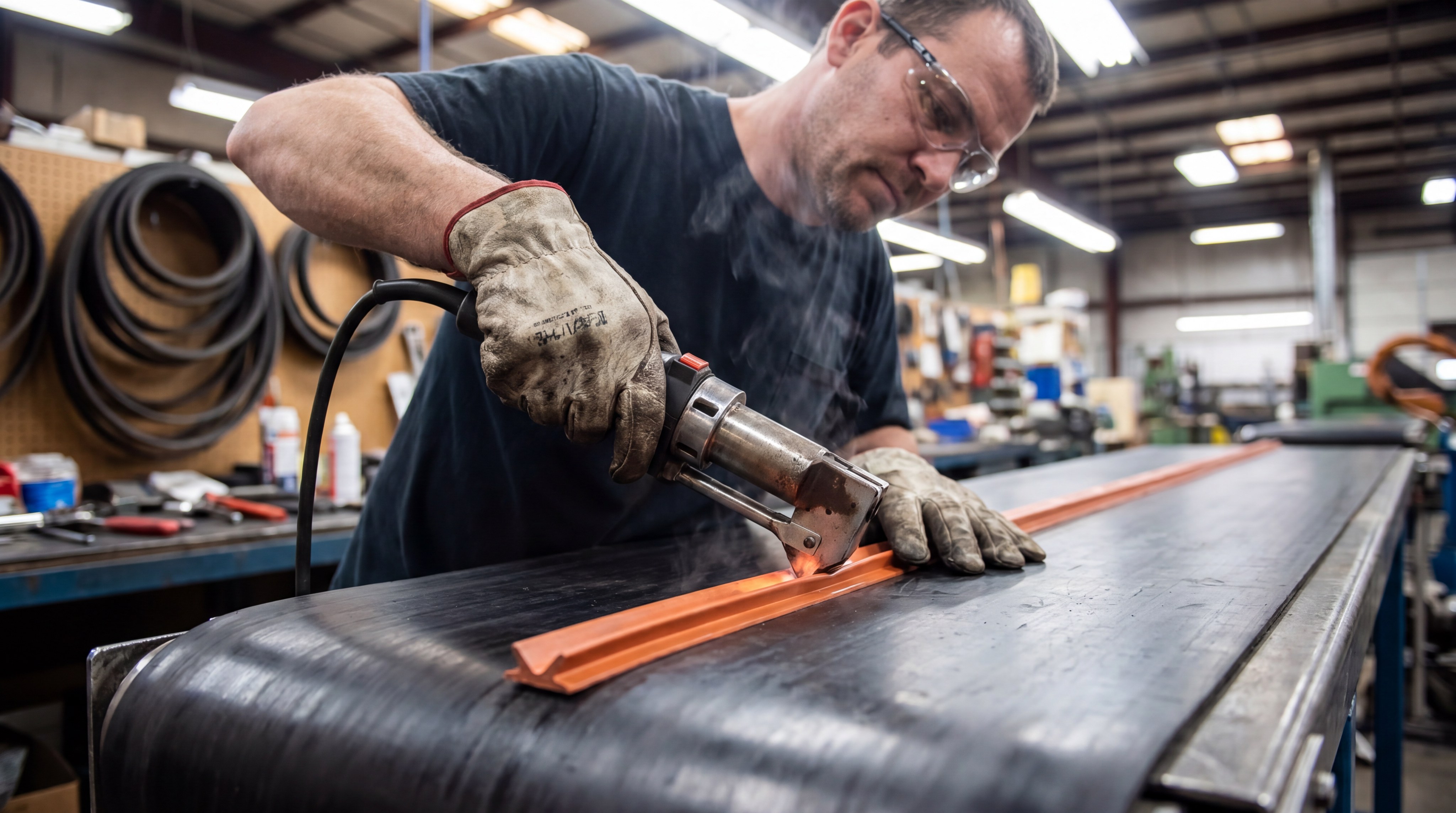
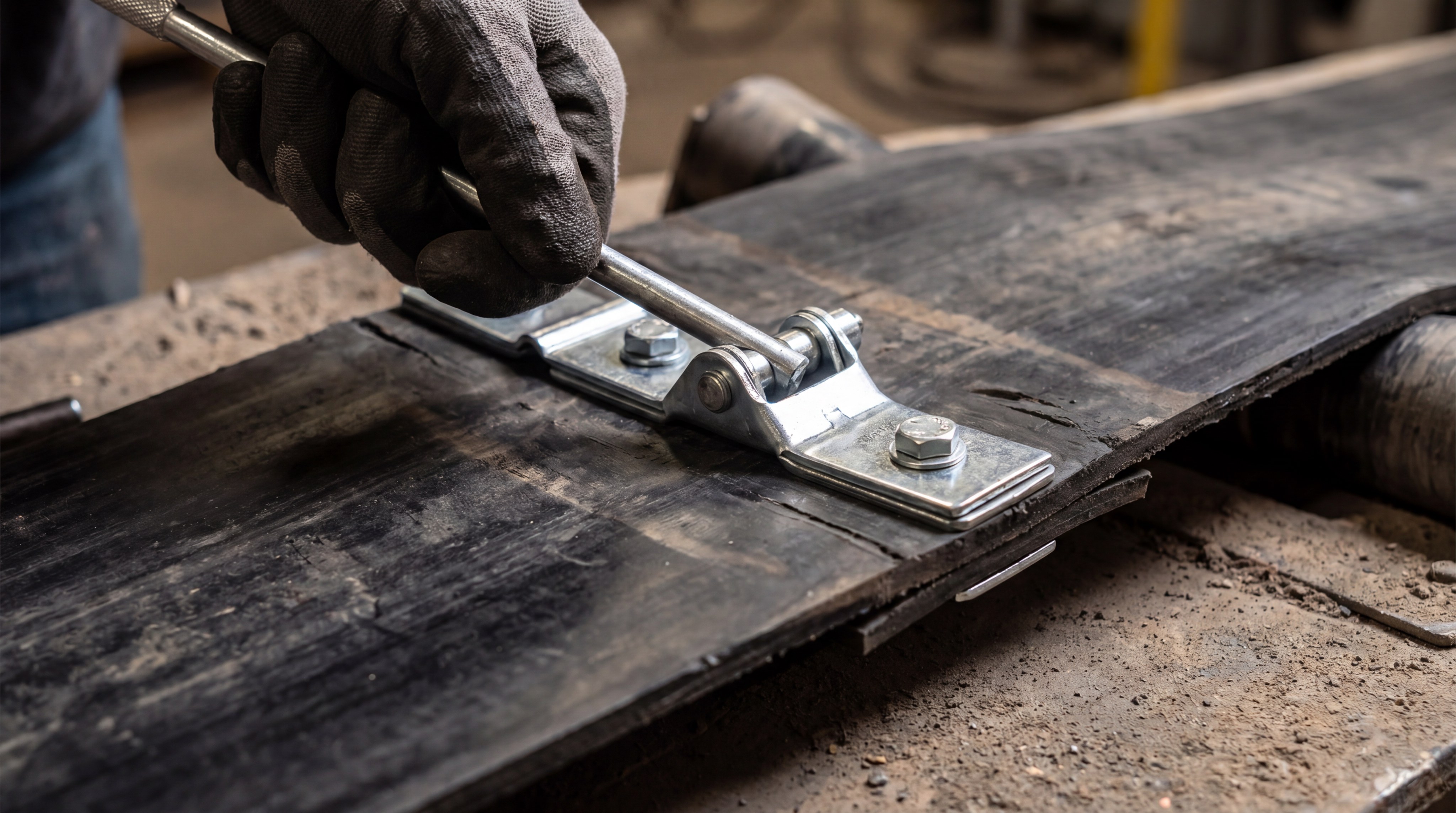
Fixing a rubber heavy duty rubber conveyor belt involves using either mechanical fasteners for temporary repairs or vulcanization for a permanent, seamless bond. You must first clean the damaged area and remove any loose material to ensure the repair patch adheres correctly. For small punctures, cold-bond repair kits can be applied quickly without the need for heavy machinery or heat.
What is Quick Pin technology splicing?
Quick Pin technology allows you to join belt ends using a high-strength metal hinge system that can be installed in minutes. While not as durable as a vulcanized splice, it is an excellent way to get your system back online after an emergency break.
But wait, there’s more:
- Faster installation than vulcanizing.
- Easily inspectable for wear.
- Requires no specialized heating tools.
Is on-site vulcanization more effective?
Look at it this way: vulcanization creates a chemical bond that is nearly as strong as the original belt material. You should always opt for vulcanization for permanent repairs on high-tension belts to avoid the snagging issues associated with metal fasteners.
Key Takeaway: Knowing the difference between a quick mechanical fix and a permanent vulcanized repair helps you balance immediate needs with long-term reliability.
| Repair Method | Speed | Strength | Durability | |
|---|---|---|---|---|
| Mechanical Fastener | Very Fast | Moderate | Low | |
| Cold Bonding | Fast | Good | Moderate | |
| Hot Vulcanizing | Slow | Excellent | High |
Choosing the right repair method depends entirely on the tension requirements of your belt and the available downtime window.
What specs for a rubber heavy duty rubber conveyor belt?
Specifications for a rubber heavy duty rubber conveyor belt must detail the width, tensile strength, and cover thickness to ensure it fits your conveyor framework. You need to specify the number of fabric plies and the type of material, such as Polyester/Nylon (EP), to control the amount of stretch during operation. Additionally, environmental specs like flame retardancy or oil resistance must be included based on your facility’s safety regulations.
Are sidewall solutions needed for inclines?
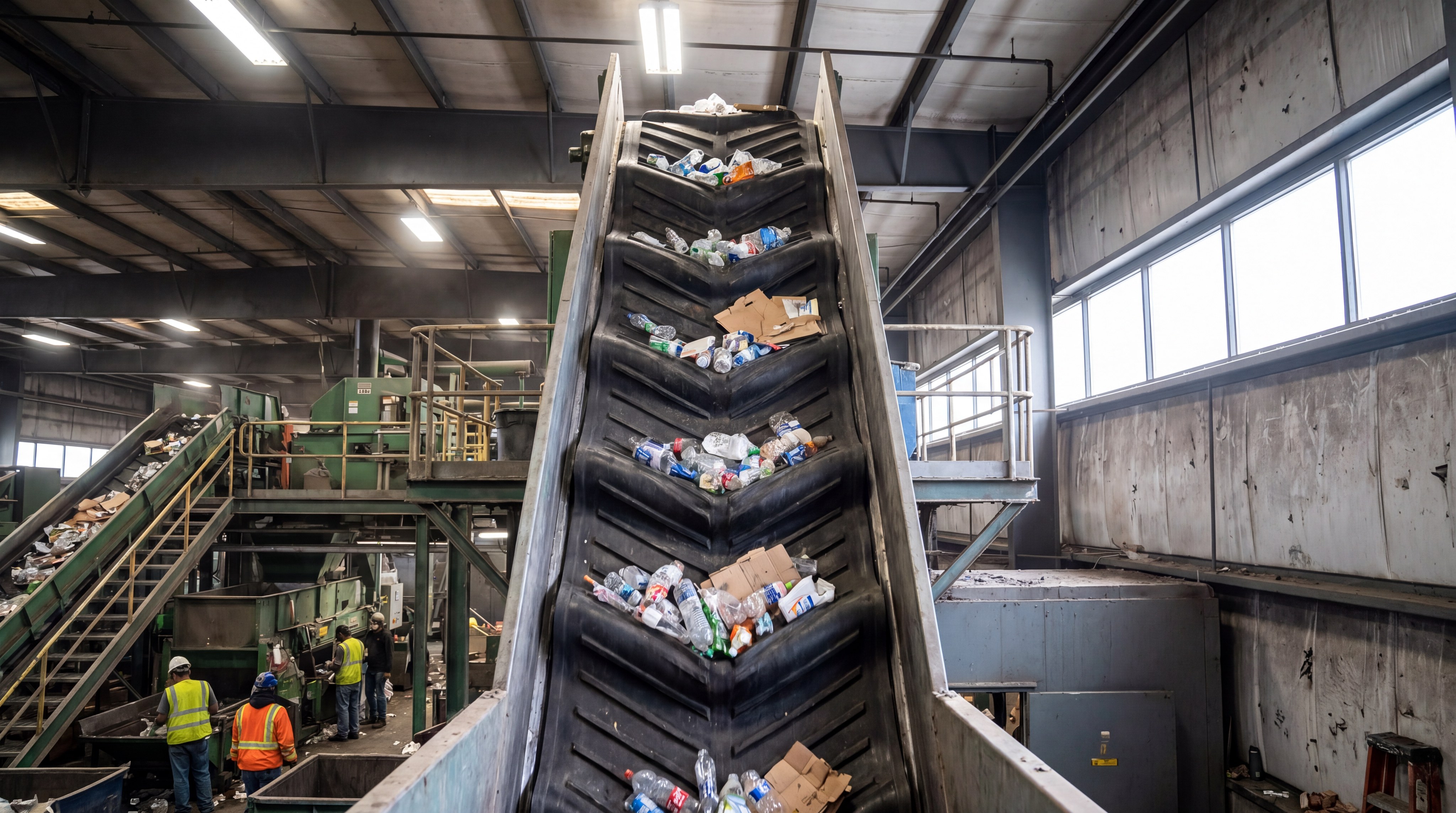
If your conveyor operates at angles steeper than 18 degrees, you will likely need a corrugated sidewall to prevent material from falling off the edges. These walls work in tandem with transverse cleats to create “pockets” that securely carry bulk items vertically.
Think about it:
- Increases volumetric capacity.
- Eliminates the need for transfer points.
- Saves floor space by allowing steep lifts.
When should you use chevron cleats?
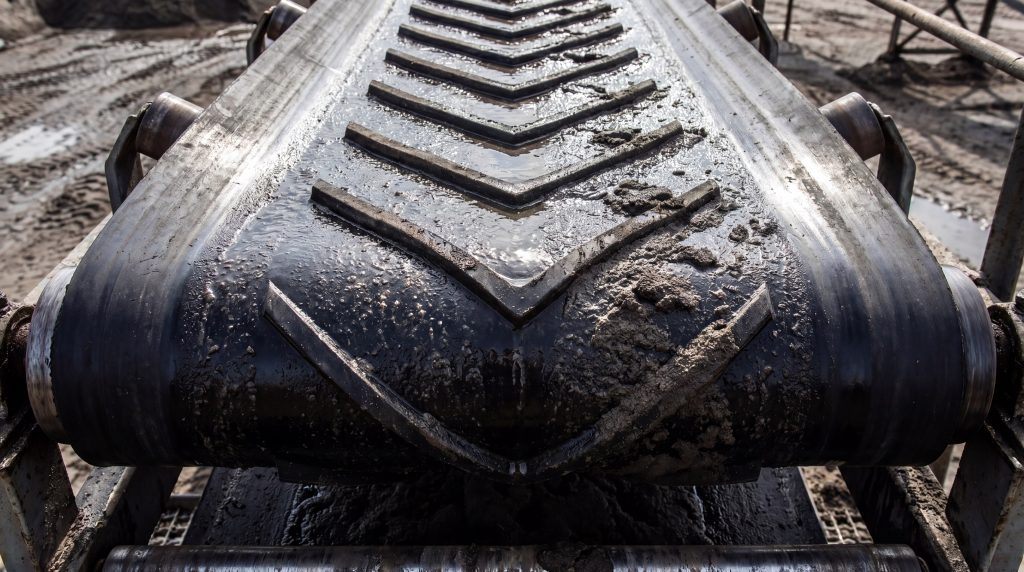
Now for the secret: for wet materials like sand or grain, V-pattern profiles (Chevron cleats) provide the necessary drainage and grip. This specialized texture prevents “back-sliding” of materials on moderate inclines during high-speed operation.
Key Takeaway: Precise specifications regarding plies, sidewalls, and cleat patterns are essential for matching the belt to your specific physical layout.
| Specification | Description | Purpose | |
|---|---|---|---|
| PIW Rating | Pounds per Inch Width | Determines max load | |
| Ply Count | Fabric Layers | Controls belt stretch | |
| Profile Height | Cleat/Sidewall size | Manages steep inclines |
Accurate technical specs prevent installation errors and ensure the belt performs within the designed safety margins of your system.
How long does a rubber heavy duty rubber conveyor belt last?
A rubber heavy duty rubber conveyor belt can last anywhere from 3 to 10 years, depending on the material it carries and the quality of your maintenance program. You can significantly extend this lifespan by performing regular visual inspections and ensuring the belt is properly tracked and tensioned. Poorly aligned conveyors can cause edge wear and premature failure, even in the highest quality heavy-duty belts.
Does routine survey work extend belt life?
Scheduled surveys allow you to catch small issues like minor cover tears or pulley buildup before they turn into catastrophic failures. You should involve professional technicians who use laser alignment tools to ensure the belt is running perfectly straight.
It gets better:
- Identifies early signs of ply separation.
- Monitors cover thickness over time.
- Detects seized rollers that cause friction.
What are the signs of carcass fatigue?
Why does this matter? Carcass fatigue manifests as “cupping” or excessive stretching, indicating that the internal reinforcement is failing. Once you see these signs, it is time to plan a replacement to avoid an unplanned shutdown that could paralyze your operation.
Key Takeaway: Proactive maintenance and regular surveys are the most cost-effective ways to double the life of your heavy-duty industrial assets.
| Maintenance Task | Frequency | Impact on Lifespan | |
|---|---|---|---|
| Tracking Check | Weekly | High | |
| Surface Cleaning | Daily | Moderate | |
| Professional Survey | Annually | Critical |
Longevity is not guaranteed by the product alone; it is a result of the synergy between high-quality manufacturing and disciplined maintenance.
Solving Your Heavy-Duty Challenges
We understand that downtime is the enemy of your bottom line. Whether you are dealing with abrasive ore in a mine or high-temperature slag in a foundry, we provide the engineering expertise and high-performance belting solutions you need to succeed. Our mission is to provide the most durable rubber heavy duty rubber conveyor belt systems in the industry, backed by a commitment to innovation and field-ready service.
You deserve a partner that stands by its product and your productivity. For custom quotes or professional on-site assessments, please contact us today .
Frequently Asked Questions
Why do heavy-duty rubber belts require specific PIW ratings for mining?Because the high-impact nature of ore extraction exerts massive stress on the belt’s internal structure. A correct PIW rating ensures the belt can handle these sudden surges in tension without stretching or snapping.
How can cover compounds prevent chemical degradation in recycling?By using specialized synthetic rubbers like Nitrile or MOR compounds that are chemically inert to oils and solvents. These materials prevent the rubber from softening and swelling when exposed to common household and industrial waste.
Is it possible to install a heavy-duty belt without a full site shutdown?Yes, if you use high-quality mechanical fasteners or plan a phased installation during scheduled maintenance windows. However, for the best long-term results, a brief planned shutdown for a professional vulcanized splice is always recommended.
What are the primary differences between Grade 1 and Grade 2 covers?Grade 1 covers prioritize tensile strength and cut resistance for sharp, heavy materials. Grade 2 covers focus more on abrasion resistance for smaller, grainy materials where surface wear is the primary concern.
Are there specific cleat patterns designed for high-moisture grain handling?Yes, “V” or “Chevron” patterns are ideal for wet sand and grain because they provide grip while allowing water to drain through the channels. This prevents material from sliding backward or “puddling” on the belt surface.