
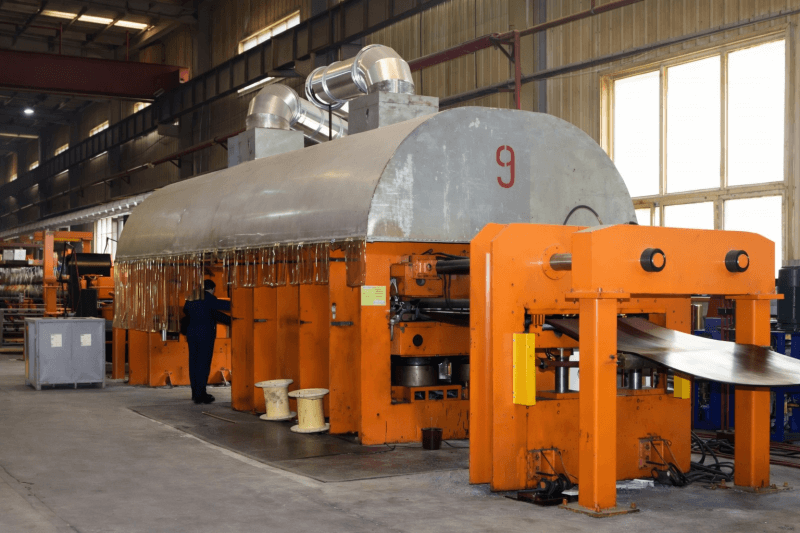
A rubber conveyor belt joining machine enables fast, on-site belt splicing with strong, seamless bonds, reducing downtime and ensuring reliable performance in industrial operations.
What is a rubber conveyor belt joining machine?
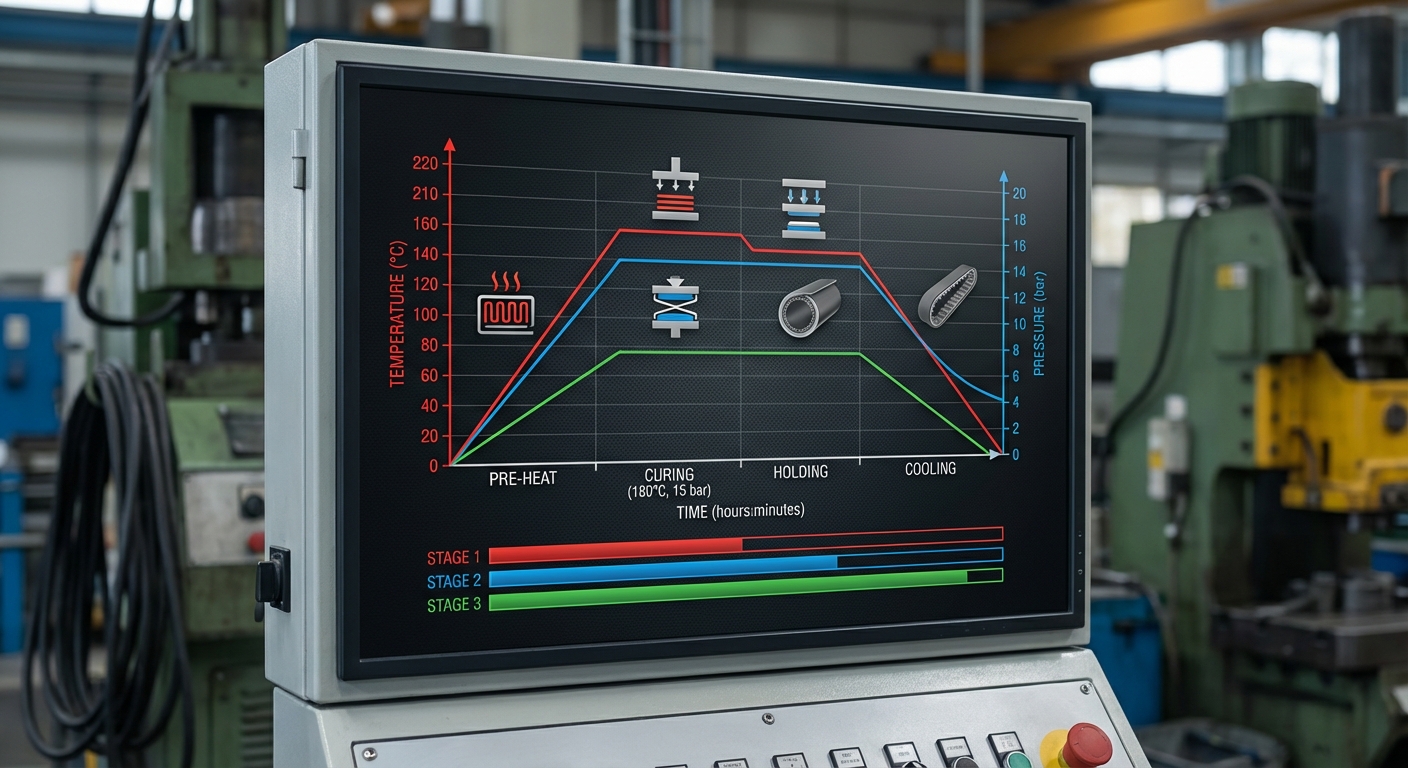
The rubber conveyor belt joining machine is a specialized vulcanizing press used to permanently bond two or more belt sections into a continuous loop. It utilizes a combination of heating platens and hydraulic or pressure bag systems to cure the rubber material at the splice point. This process ensures the joint is as strong, if not stronger, than the original belt fabric.
What are the core components?
Modern machines consist of several critical parts that work in unison to achieve a perfect splice. These typically include heavy-duty beams, heating platens, and a pressure system.
Think about it: Without uniform heat and pressure, the bond will inevitably fail under high tension.
- Aluminum alloy beams for structural support.
- Flexible heating elements for even thermal distribution.
- Pressure bags or hydraulic cylinders to ensure deep bonding.
Is vulcanization the best method?
You will find that vulcanization is far superior to mechanical fasteners because it creates a smooth, snag-free surface. It eliminates the risk of clips catching on scrapers or pulleys.
Here is the deal: A vulcanized joint maintains the belt’s flexibility and thickness throughout the entire loop.
- Increased joint longevity compared to cold bonding.
- Resistance to high temperatures and corrosive materials.
- Seamless profile for better cleaner efficiency.
Key TakeawayUtilizing a professional joining machine ensures that your conveyor system maintains peak structural integrity and avoids the hazards of mechanical joint failure.
| Aspect | Detail | |
|---|---|---|
| Primary Goal | Create a permanent, seamless belt loop | |
| Method | Hot vulcanization via heat and pressure | |
| Durability | Equal to or greater than original belt strength |
This technical overview highlights why precision engineering is required for effective industrial splicing.
Why use a rubber conveyor belt joining machine for industry?
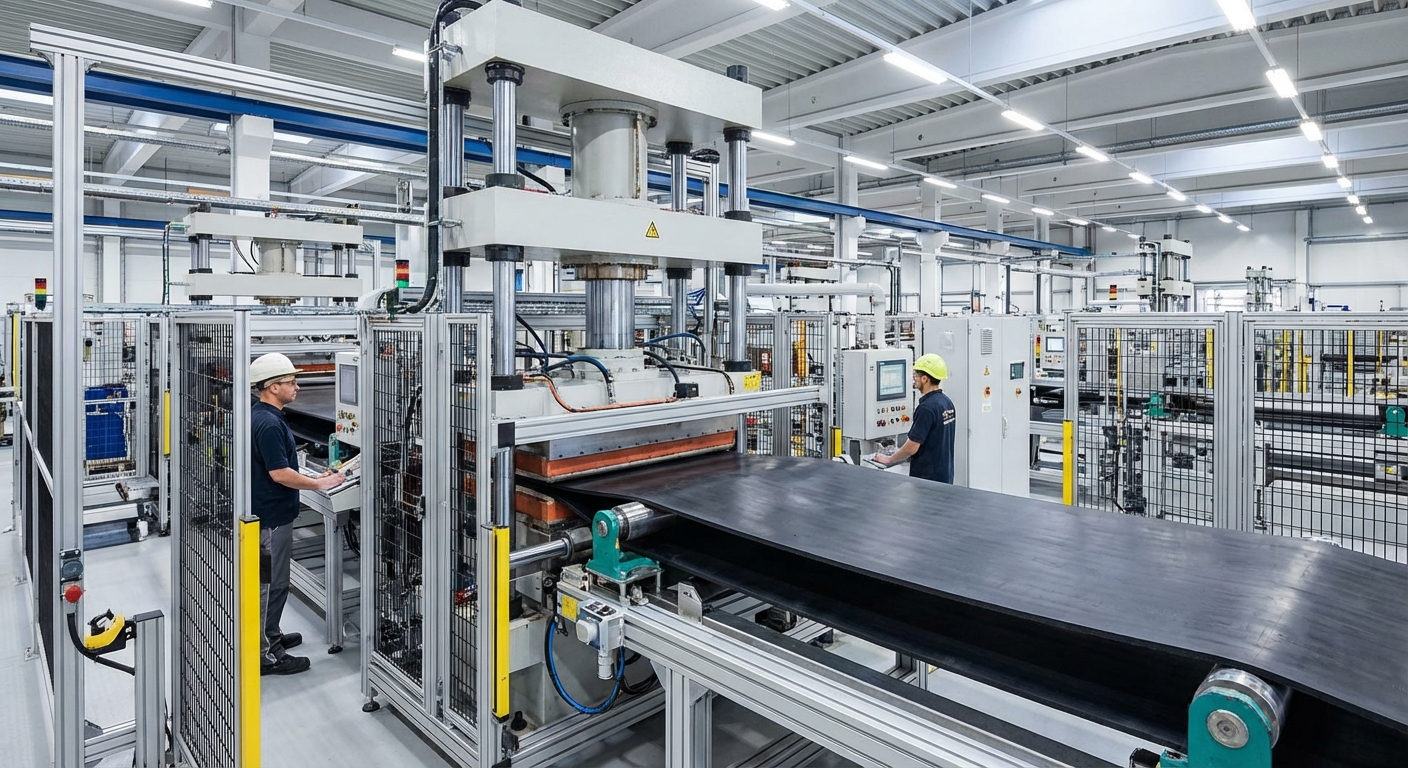
A rubber conveyor belt joining machine is essential for industrial sectors that demand 24/7 uptime and maximum belt reliability. These machines allow facilities to bypass the high costs of hiring external contractors for every minor repair or extension. By bringing this technology in-house, you can significantly reduce maintenance lead times and improve overall system safety.
How does it enhance productivity?
By creating a single, continuous belt, you eliminate the mechanical “hiccups” that often lead to material spillage. Smooth joints allow for higher belt speeds and greater throughput without the risk of separation.
But there’s more: A continuous belt requires less frequent tracking adjustments and reduces motor strain.
- Faster production cycles due to reduced downtime.
- Lower manual labor requirements for belt maintenance.
- Optimized performance for high-capacity systems.
Can it improve workplace safety?
Mechanical fasteners often feature sharp edges that can cause injury or damage other conveyor components. A vulcanized joint is flush with the belt surface, removing these dangerous catch points entirely.
It’s a game-changer: Safety officers prefer vulcanized joints because they reduce vibration and noise across the conveyor structure.
- Elimination of snagging hazards for workers and tools.
- Reduced risk of “snap” failures under high tension.
- Cleaner operation with less dust and debris accumulation.
Key TakeawayIndustrial-grade joining equipment provides a dual benefit of increasing production efficiency while simultaneously safeguarding your workforce from mechanical hazards.
| Benefit | Operational Impact | |
|---|---|---|
| Reliability | Minimizes sudden joint separation | |
| Cost Control | Reduces need for expensive external labor | |
| Safety | Removes sharp mechanical edges and snags |
The strategic adoption of this equipment is a proven method for optimizing long-term facility performance.
How does the rubber conveyor belt joining machine work?
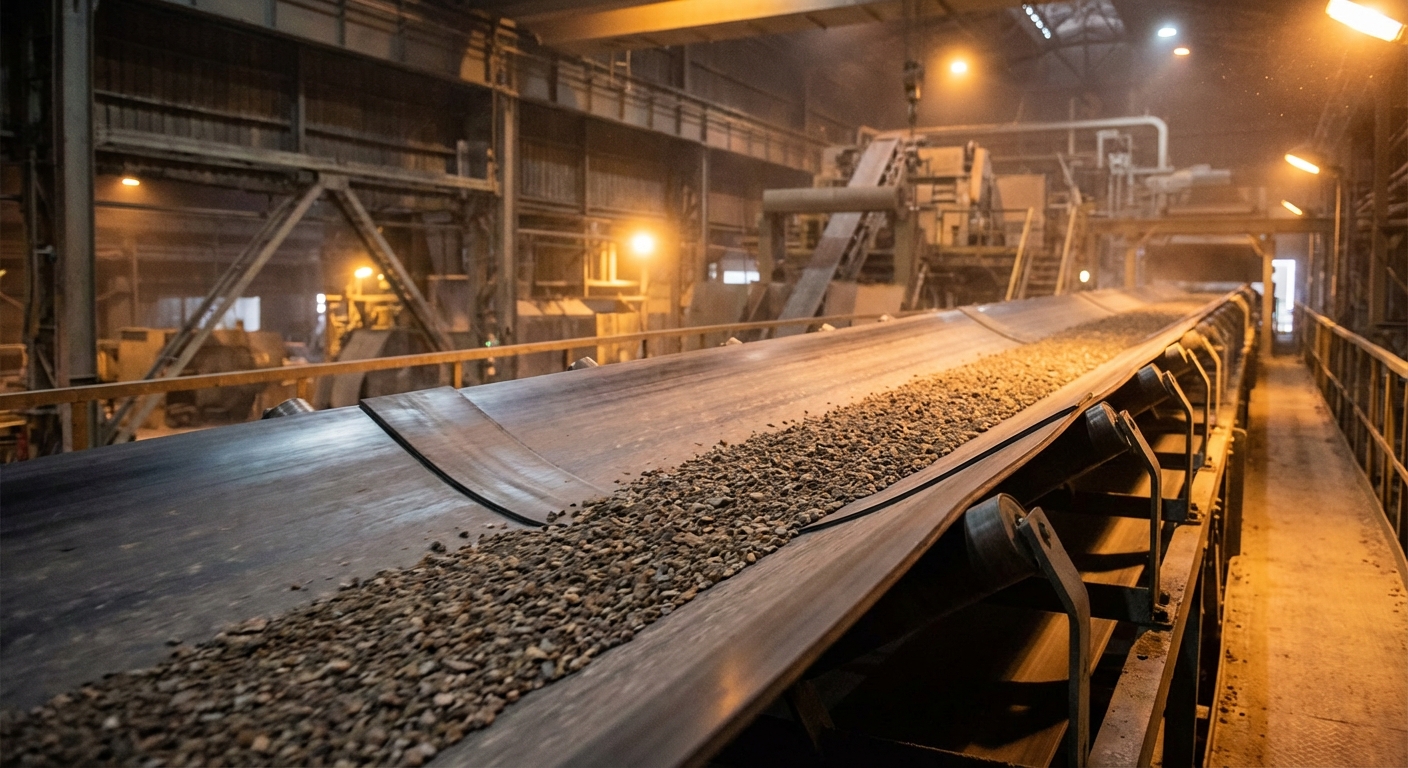
The rubber conveyor belt joining machine works by applying controlled heating and consistent pressure to the prepared belt ends to trigger a chemical curing process. This procedure, known as hot vulcanization, effectively melts the rubber compounds together to form a molecular bond. Once cooled, the previously separate ends become one unified piece of material.
What is the preparation phase?
Before the machine is even switched on, you must carefully clean and buff the belt ends to ensure optimal adhesion. Any contamination or unevenness will compromise the final strength of the joint.
Believe it or not: Preparation is actually the most critical step in the entire splicing process.
- Removal of old rubber and debris from the splice zone.
- Application of specialized vulcanizing cement or adhesive.
- Precise alignment of the belt within the press frame.
How is heat and pressure applied?
The machine’s digital controller manages the temperature, usually bringing it to approximately 145°C. Simultaneously, a pressure bag or hydraulic system applies uniform force across the entire surface area.
You might be wondering: Why is uniformity so important? Any “cold spots” or pressure gaps will result in a weak joint that fails prematurely.
- Digital monitoring ensures the temperature stays within ±2°C.
- Uniform pressure ensures the adhesive penetrates the fabric core.
- Automatic timers manage the “dwell time” for perfect curing.
Key TakeawayA systematic approach to heating and pressure allows the machine to create a bond that is indistinguishable from the factory-made sections of the belt.
| Stage | Action | |
|---|---|---|
| Buffing | Scuffing the surface for maximum grip | |
| Curing | Applying heat (145°C) and pressure | |
| Cooling | Stabilizing the joint before tensioning |
Understanding this process is vital for any technician aiming for zero-failure conveyor operations.
Where are rubber conveyor belt joining machine systems used?
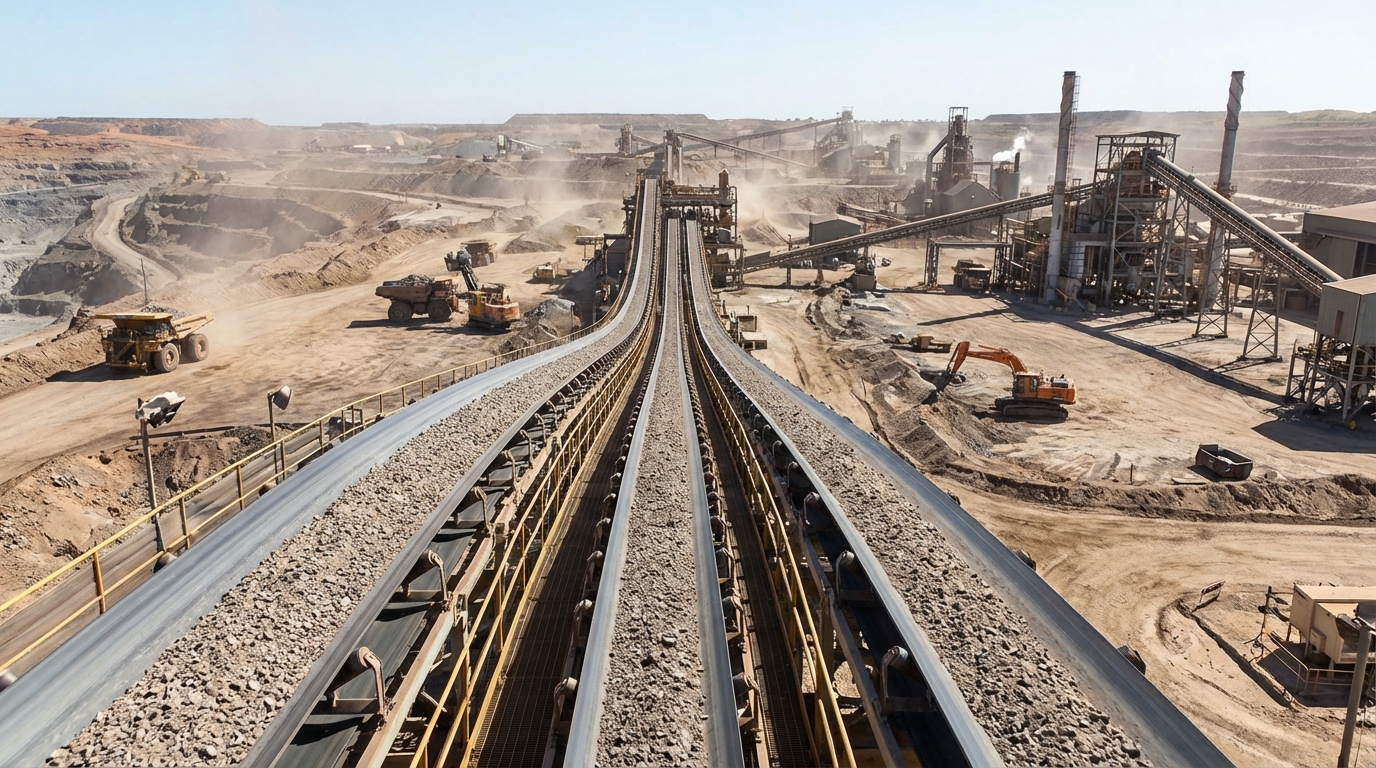
Rubber conveyor belt joining machine systems are ubiquitous in heavy industries such as mining, port loading, and power generation where belt widths are massive. These environments subject belts to extreme tension and abrasive materials, making high-strength joints a non-negotiable requirement. Without these machines, maintaining the infrastructure of global supply chains would be nearly impossible.
Why is it vital for mining?
In deep-pit mining, belts can stretch for kilometers and must haul thousands of tons of ore every hour. A mechanical failure in these environments doesn’t just stop a machine; it stops an entire operation.
Think about it: In a mine, the environment is often wet and corrosive, which quickly destroys mechanical fasteners.
- Ideal for high-tension steel cord belt repairs.
- Resistant to the acidic conditions found in mineral processing.
- Portable models allow for repairs deep within the tunnels.
Is it used in food processing?
You might be surprised to learn that lighter versions of these machines are essential in the food and beverage industry. Hygienic standards require belts to be seamless to prevent bacterial growth in joint crevices.
Here is the deal: Standard mechanical clips are prohibited in many food-grade environments due to contamination risks.
- Provides a perfectly flat surface for easy cleaning and sanitation.
- Used with specialized non-toxic, heat-resistant rubber compounds.
- Lightweight PRS Splicing Press models are often used for quick factory floor fixes.
Key TakeawayWhether in the rugged environment of a coal mine or the sterile halls of a food plant, joining machines provide the reliability needed for specialized belt applications.
| Industry | Specific Application | |
|---|---|---|
| Mining | Splicing high-tension steel cord and fabric belts | |
| Ports | Maintenance of high-speed ship loading conveyors | |
| Logistics | Repairing long-distance sorting and distribution belts |
The versatility of this technology makes it a cornerstone of modern industrial maintenance strategies.
What makes a rubber conveyor belt joining machine efficient?
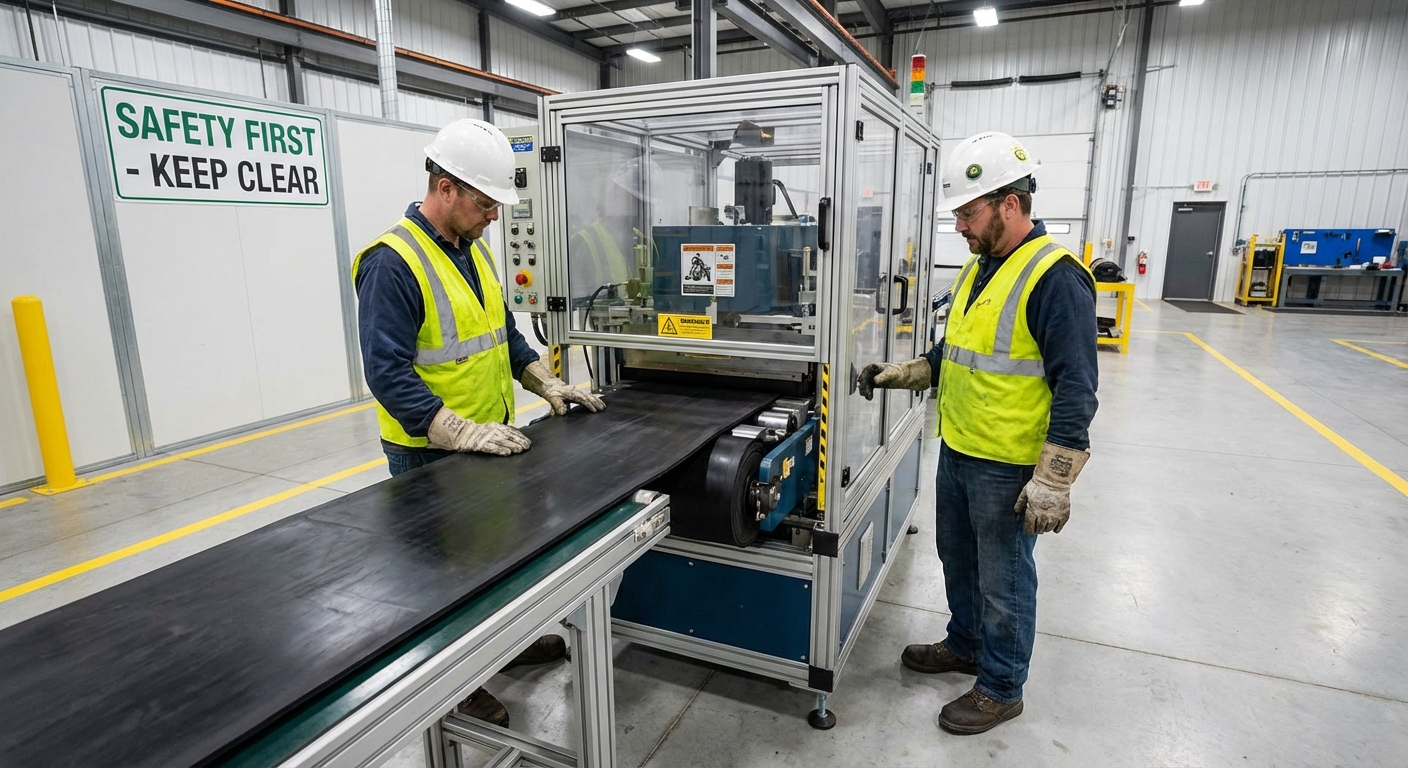
An efficient rubber conveyor belt joining machine is characterized by its ability to reach target temperatures quickly and maintain uniform pressure throughout the cycle. Efficiency is measured by how fast the machine can complete a full splice without compromising the structural integrity of the joint. High-grade materials like aluminum alloy contribute to this by providing strength without excessive weight.
What role does the cooling system play?
Modern machines often include integrated water cooling systems that rapidly reduce the temperature of the platens after the curing cycle is finished. This allows you to remove the press and put the belt back into service much sooner.
The benefit is clear: Reduced cooling time means your production line is back up and running in a fraction of the time.
- Water cooling can drop temperatures from 145°C to 70°C in 15 minutes.
- Prevents the “over-curing” of the rubber material.
- Simplifies the workflow for multi-splice maintenance shifts.
How important is the pressure system?
Efficiency is also tied to how the machine distributes force. Utilizing a Transmission Rubber Splicing Press ensures that pressure is applied evenly across the entire width of the belt.
It’s a fact: Uneven pressure is the leading cause of “bubbling” and weak spots in industrial belt joints.
- Air or water pressure bags provide 360-degree surface contact.
- High-pressure ratings (up to 200 PSI) for heavy-duty steel cord belts.
- Quick-connect fittings for rapid setup and teardown.
Key TakeawayEfficiency in a joining machine directly translates to lower downtime and more reliable joints, maximizing the return on your equipment investment.
| Feature | Efficiency Impact | |
|---|---|---|
| Rapid Heating | Reaches vulcanizing temperature in under 30 minutes | |
| Water Cooling | Cuts post-cure waiting time by over 50% | |
| Alloy Build | Facilitates easy transport and on-site deployment |
These technical advancements ensure that modern maintenance teams can work faster and more accurately than ever before.
Is the rubber conveyor belt joining machine easy to control?
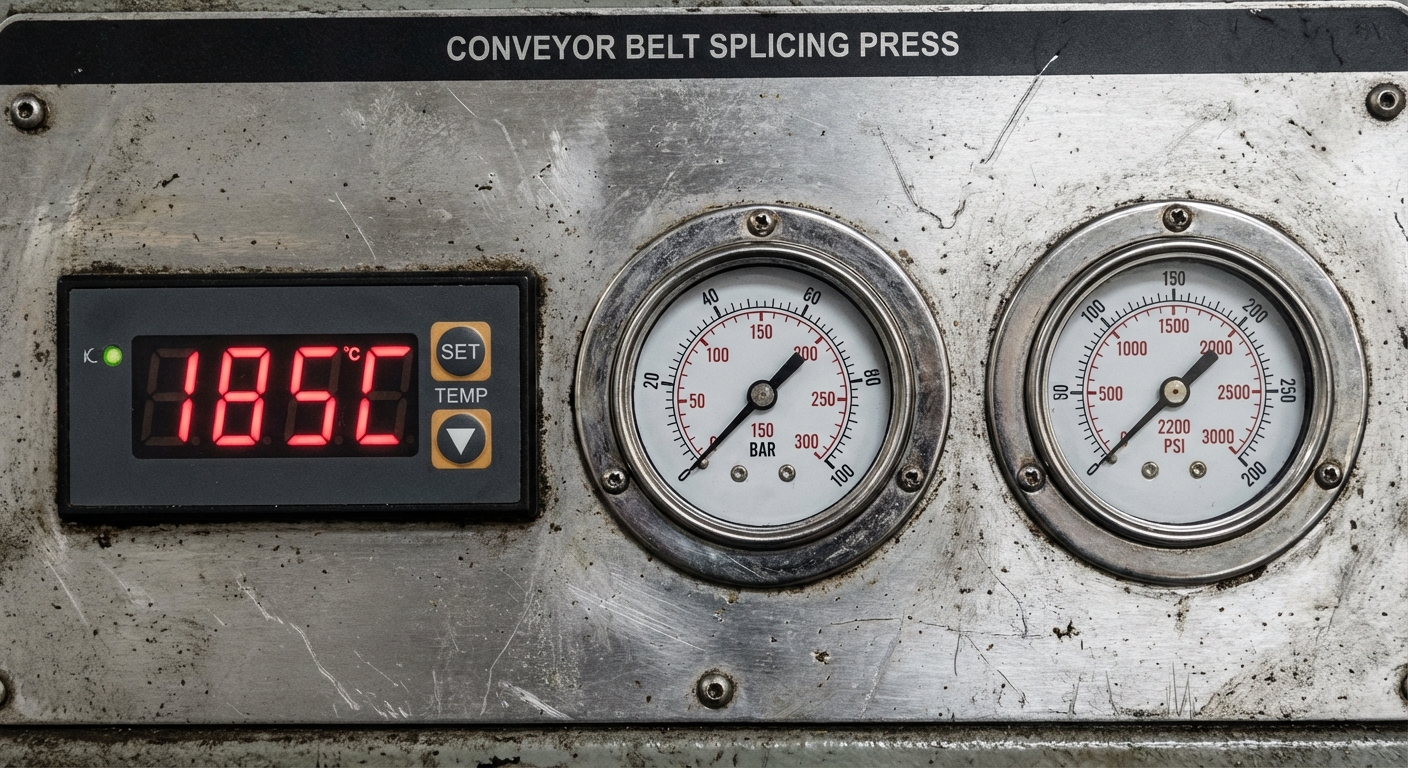
Yes, modern rubber conveyor belt joining machine models feature highly intuitive digital control panels that automate the most complex parts of the vulcanization process. These interfaces are designed so that even with basic training, an operator can set precise parameters for temperature, pressure, and timing. Automation minimizes human error, ensuring that every splice is consistent and meets engineering specifications.
What are the main interface features?
You will typically see a bright digital display showing real-time data for both top and bottom heating platens. This allows for constant monitoring to ensure that both sides of the belt are curing at the same rate.
Check this out: Advanced controllers can even store presets for different belt thicknesses and materials.
- One-touch start for standard vulcanization cycles.
- Audio and visual alerts when target temperatures are reached.
- Emergency shut-off switches for immediate safety control.
Can it handle power fluctuations?
Reliable machines are built with internal surge protection and stabilized voltage systems. This is crucial because a sudden drop in temperature mid-cycle could ruin a very expensive conveyor belt.
Don’t overlook this: Consistent power is the “silent partner” in achieving a high-strength industrial bond.
- Automatic voltage compensation for fluctuating field power.
- Detailed logging of the curing cycle for quality assurance.
- Rugged, weather-resistant housing for outdoor use.
Key TakeawayModern control systems take the guesswork out of belt splicing, allowing for high-quality results even in challenging environmental conditions.
| Control Element | Function | |
|---|---|---|
| Digital Display | Real-time tracking of platen heat and pressure | |
| Cycle Timer | Automates the exact duration of the curing phase | |
| Thermal Protection | Prevents overheating and potential fire hazards |
Sophisticated controls ensure that the splicing process is both repeatable and safe for all operators.
How to maintain your rubber conveyor belt joining machine?
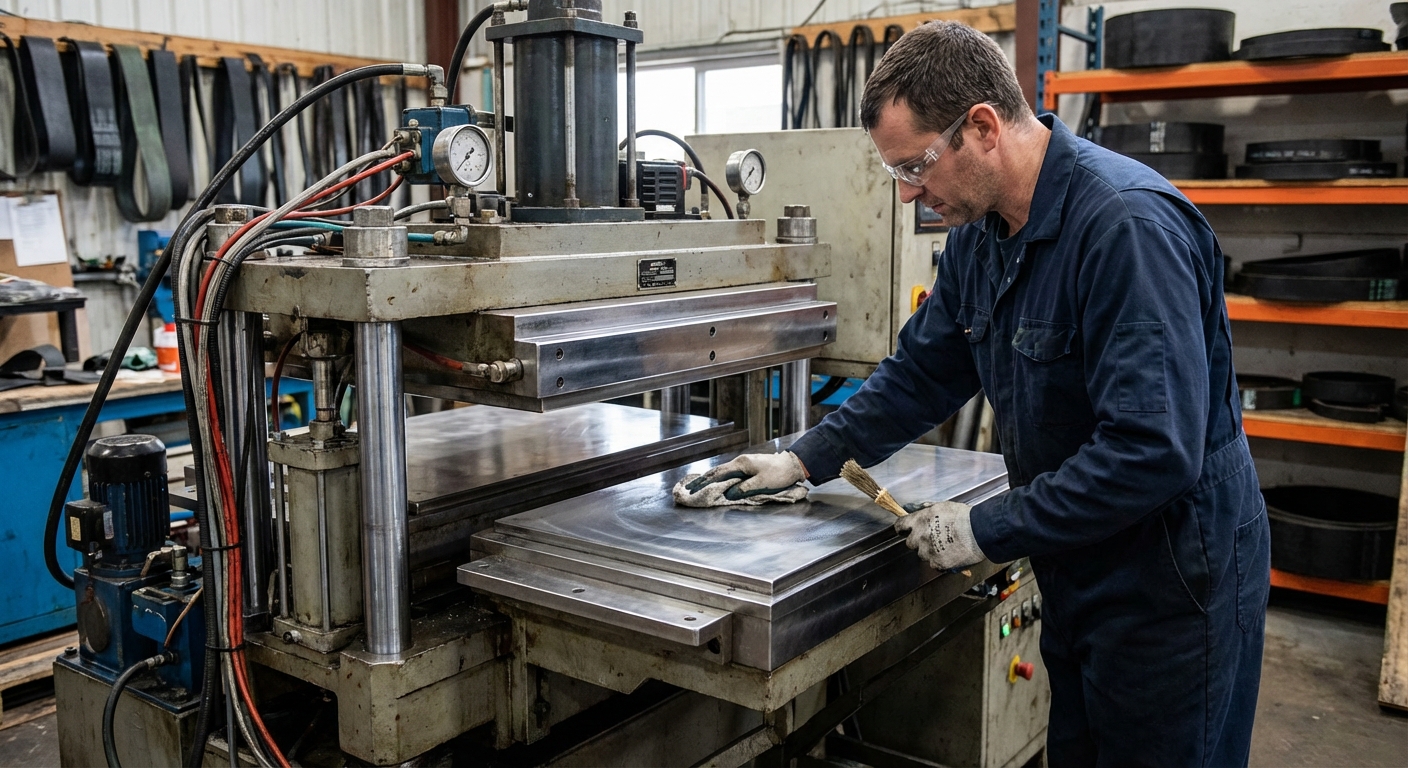
To ensure your rubber conveyor belt joining machine provides years of reliable service, you must implement a strict maintenance schedule focusing on the heating platens and pressure components. Neglecting these areas can lead to uneven heating or hydraulic leaks, both of which will ruin your belt splices. A well-maintained machine is the backbone of a successful conveyor maintenance program.
How do you protect the heating platens?
After every use, you should clean the surface of the platens to remove any residual rubber or adhesive cement. If these materials are left to burn on the surface, they create “hot spots” that can damage future belts.
Here is the kicker: A single scratch on the platen surface can transfer a defect to every joint you create.
- Use soft brushes or specialized cleaners—never use metal scrapers.
- Store platens in protective cases to prevent warping or denting.
- Periodically check the heating elements for electrical continuity.
What about the pressure bags and hoses?
You need to inspect the pressure bags for any signs of cracking or thinning rubber before every operation. Similarly, hydraulic hoses should be checked for leaks or frayed shielding to prevent a high-pressure failure during a cycle.
Think about it: A pressure bag failure during a 145°C cycle is not just a repair failure—it’s a safety disaster.
- Flush cooling systems annually to prevent mineral buildup.
- Test pressure relief valves to ensure they trigger at the correct limit.
- Replace Aluminum Alloy Splicing Press seals every 50-100 cycles depending on usage.
Key TakeawayConsistent maintenance of your joining equipment guarantees that your splices remain at factory-level quality and keeps your technicians safe during operation.
| Component | Maintenance Action | |
|---|---|---|
| Platens | Clean surface and test for thermal uniformity | |
| Pressure Bag | Pressure test for leaks and inspect for cracks | |
| Control Box | Recalibrate sensors and update software presets |
Following these steps will maximize your equipment’s lifespan and ensure consistent repair outcomes.
What are rubber conveyor belt joining machine configurations?
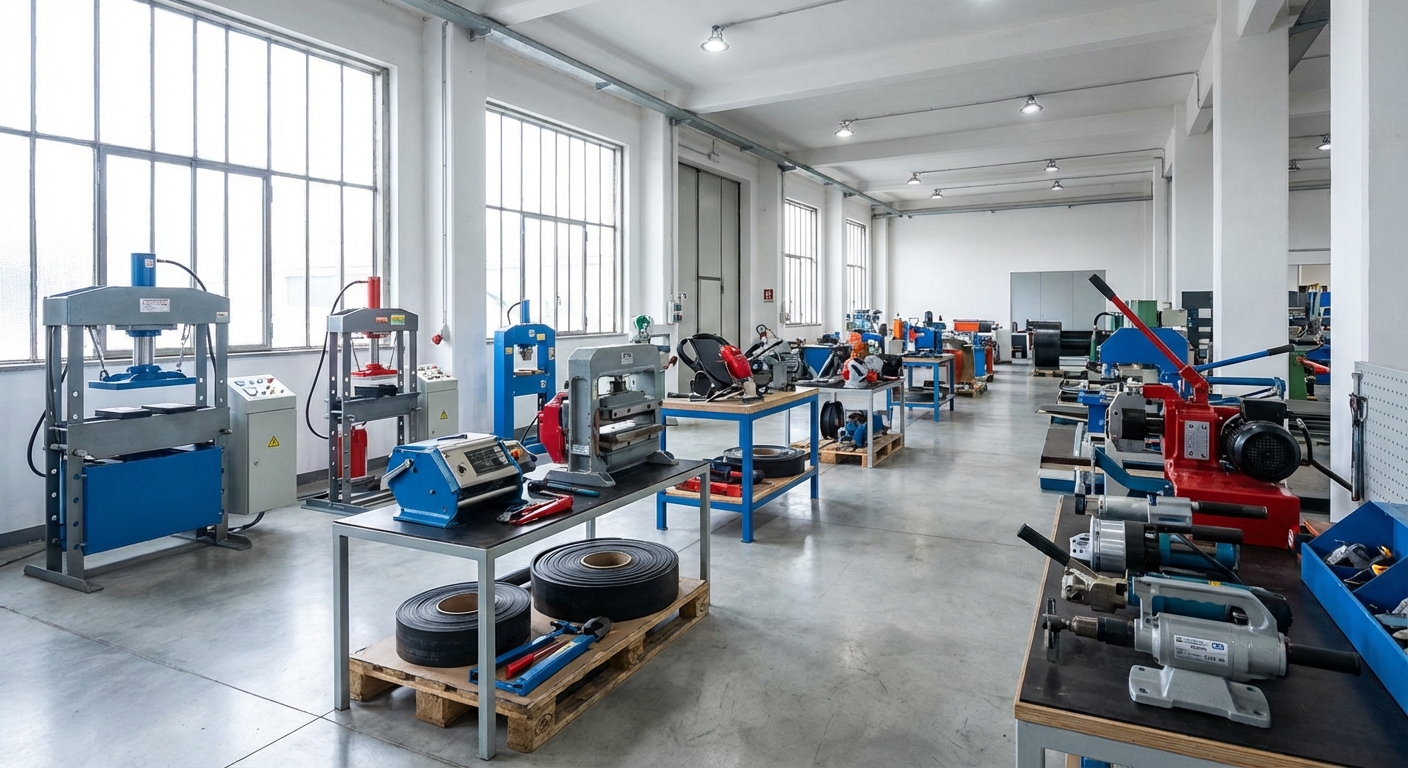
Rubber conveyor belt joining machine configurations vary based on whether the application requires a stationary workshop setup or a mobile field unit. Depending on your belt width—ranging from 300mm to over 2000mm—you can choose between sectional models or “all-in-one” portable systems. Selecting the right configuration is essential for ensuring your maintenance team has the right tool for the specific geography of your facility.
When should you use a sectional press?
A sectional SVP2000*1000 is ideal for very wide belts because it breaks down into smaller, manageable pieces for transport. This allows you to assemble the machine directly around the belt in tight spaces.
It’s the best of both worlds: You get the strength of a massive press with the portability of a much smaller tool.
- Individual beams and platens can be carried by two people.
- Expandable configuration by adding more sections for longer splices.
- Highly versatile for various belt materials like nylon or EP fabric.
What is an “All-In-One” press?
For narrow belts or rapid repair needs, you might prefer an air-cooled, self-contained press. These units house the air compressor and cooling system within the frame, making them the ultimate tool for “plug and play” splicing.
Here is the deal: These machines are the favorites of mobile maintenance crews who need to work fast.
- Entire unit often fits into a single flight case for easy travel.
- No need for external water tanks or air pumps.
- Perfect for lightweight PVC and PU belts in logistics centers.
Key TakeawayChoosing the configuration that matches your belt size and site accessibility ensures that your maintenance team is never restricted by their equipment.
| Configuration | Best Use Case | |
|---|---|---|
| Sectional Press | Heavy-duty mining and wide industrial belts | |
| All-In-One Press | Lightweight factory belts and mobile repair crews | |
| Workshop Press | High-volume manufacturing of endless belts |
Customizing your machinery to your specific belt inventory is the most effective way to manage conveyor reliability.
Can a rubber conveyor belt joining machine save you money?
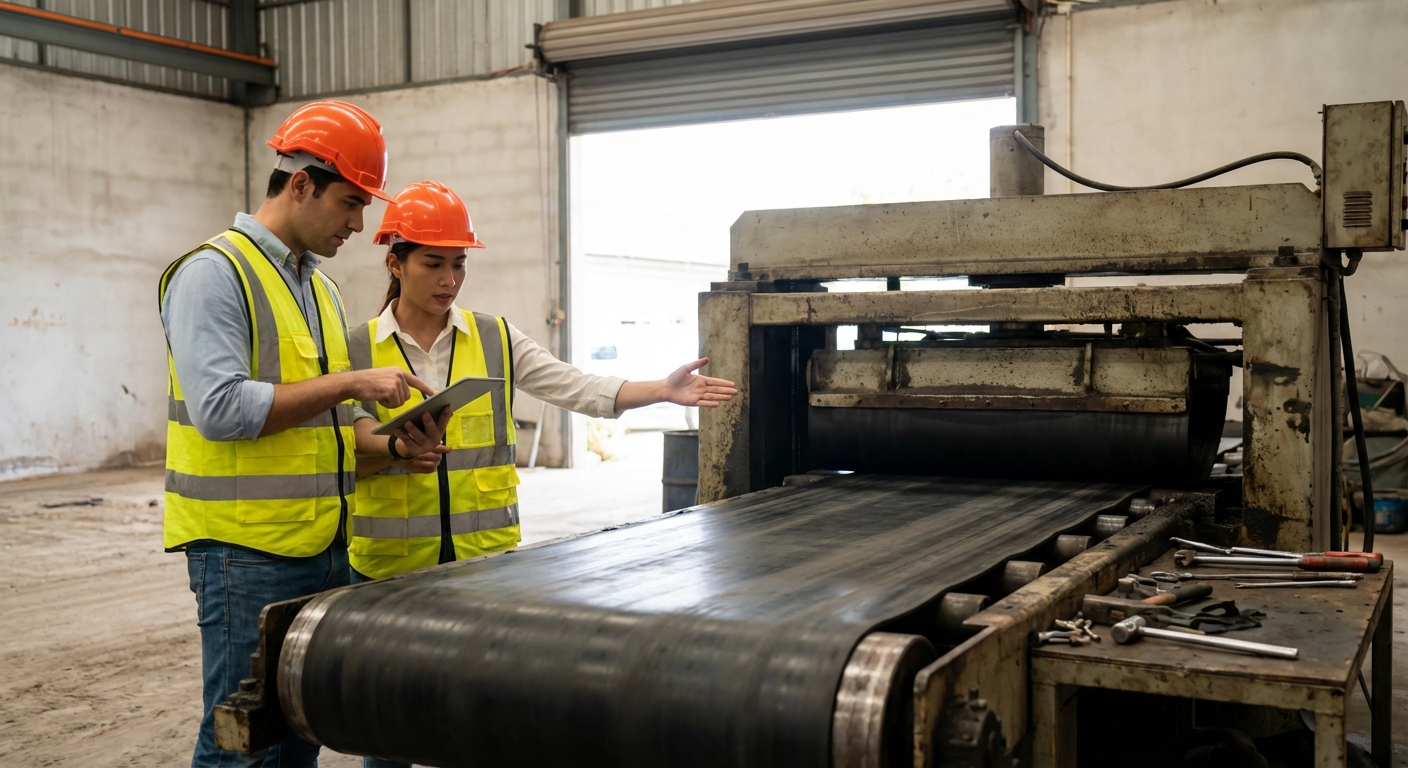
Yes, a rubber conveyor belt joining machine is one of the most effective ROI-driven investments an industrial facility can make. While the upfront cost of a high-quality vulcanizer may seem high, the savings generated by avoiding downtime and reducing belt waste are astronomical. Most operations find that the machine pays for itself after completing just a handful of major belt splices or repairs.
How does it reduce belt waste?
Instead of replacing an entire belt when a small section is damaged, you can simply cut out the bad area and splice in a new “slug.” This allows you to maximize the life of the remaining healthy belt sections.
But there’s more: Reusing large sections of high-quality belt material saves tens of thousands of dollars annually.
- Avoids the environmental and financial cost of premature belt disposal.
- Reduces the inventory of spare belts you need to keep on hand.
- Allows for the creation of “custom length” belts from scrap remnants.
What are the labor savings?
Having your own equipment means you don’t have to pay premium rates for “emergency” call-outs from third-party contractors. You can schedule maintenance during your own planned outages, optimizing your internal labor force.
You will see the difference: Internal teams can be trained to perform splices faster and more consistently than external crews.
- Elimination of high hourly fees and travel costs for contractors.
- Faster response to “belt-down” emergencies.
- Lower long-term Contact Us fees for technical support.
Key TakeawayThe financial benefits of owning a joining machine extend far beyond the repair itself, touching every part of your operational budget and supply chain.
| Cost Center | Savings Method | |
|---|---|---|
| Inventory | Extends belt life; reduces need for spare stock | |
| Contract Labor | Brings specialized skills and tools in-house | |
| Revenue | Drastically cuts downtime during belt failures |
Investment in this technology is a direct investment in the profitability of your entire production facility.
How to select a rubber conveyor belt joining machine?
Selecting the right rubber conveyor belt joining machine requires a detailed assessment of your widest belt, your maximum belt tension, and your facility’s power infrastructure. You should prioritize manufacturers who offer customizable dimensions and reliable after-sales support. A machine that is too small for your inventory is a wasted investment, while one that is overly complex may lead to operator errors.
Should you prioritize weight or strength?
For mobile field repairs, you should look for high-strength aluminum alloy constructions. These provide the necessary clamping force while remaining light enough for technicians to move without heavy lifting equipment.
Wait, there’s more: High-strength alloy doesn’t mean you sacrifice durability for the sake of portability.
- Aluminum beams provide better heat dissipation than steel.
- Reduced weight lowers the risk of transport-related accidents.
- Easier to position in the awkward angles of a conveyor gallery.
What technical specs are non-negotiable?
You must ensure the machine has a digital control box with high-precision sensors and a pressure system rated for your specific belt type. If you are working with steel cord belts, you need a press capable of much higher pressures than those used for fabric belts.
Here is the deal: Buying a “budget” machine without precise controls will result in failed splices and lost revenue.
- Look for a ±2°C temperature accuracy rating.
- Ensure the cooling system matches your required turnaround time.
- Verify that the power requirements (Voltage/Phase) match your facility.
Key TakeawayChoosing a machine based on technical performance and material quality ensures that your conveyor system remains a reliable asset for years to come.
| Selection Factor | Priority | |
|---|---|---|
| Belt Width | Must accommodate your widest belt plus 100mm | |
| Pressure Rating | Must meet the PSI required for your belt’s core | |
| Build Material | High-strength aluminum for the best portability-to-strength ratio |
Finalizing your selection with a reputable manufacturer guarantees you get the right tool for your specific industrial challenges.
Conclusion
Navigating the complexities of conveyor maintenance is simplified with the right technology. A rubber conveyor belt joining machine is more than just a tool; it is a strategic asset that transforms how you handle production downtime and belt integrity. By providing high-strength, seamless vulcanized joints, this equipment ensures your systems run faster, longer, and safer. We have explored how these machines work, their diverse applications, and the significant ROI they provide. If you are ready to eliminate the headaches of belt failure and optimize your industrial output, contact us today to find the perfect splicing solution for your facility. Our vision is to empower global industries with the most durable and efficient vulcanizing technology available, ensuring that your production never stops.
FAQ
Can I use a rubber conveyor belt joining machine for steel cord belts?Yes, but you must select a model specifically rated for high-pressure vulcanization. Steel cord belts require higher clamping forces and more precise temperature control than standard fabric-reinforced belts to ensure the rubber fully encapsulates the internal steel cables.
What’s the best way to ensure a joint lasts as long as the belt?The best way is to strictly follow the “hot vulcanization” protocol, which includes proper cleaning, buffing, and the use of fresh vulcanizing cement. Ensuring your machine maintains uniform pressure and temperature throughout the curing cycle is the most critical technical factor.
How do I know if I need a portable or workshop joining machine?If most of your repairs occur on long-distance outdoor conveyors or in tight underground spaces, a portable aluminum alloy machine is your best choice. However, if you are creating endless belts in a controlled environment for distribution, a heavy-duty workshop press offers better high-volume efficiency.
Can I operate the machine without professional engineering training?Modern machines are designed with intuitive digital controls, but basic safety and technical training are highly recommended. Understanding the chemical properties of different rubber compounds and the mechanics of the press is essential for both safety and joint quality.
How do I know if my heating platens need replacement?You should monitor for uneven curing across the belt surface or visible warping on the platen faces. If your digital controller reports temperature discrepancies that cannot be resolved through recalibration, it is likely that the internal heating elements are failing.