
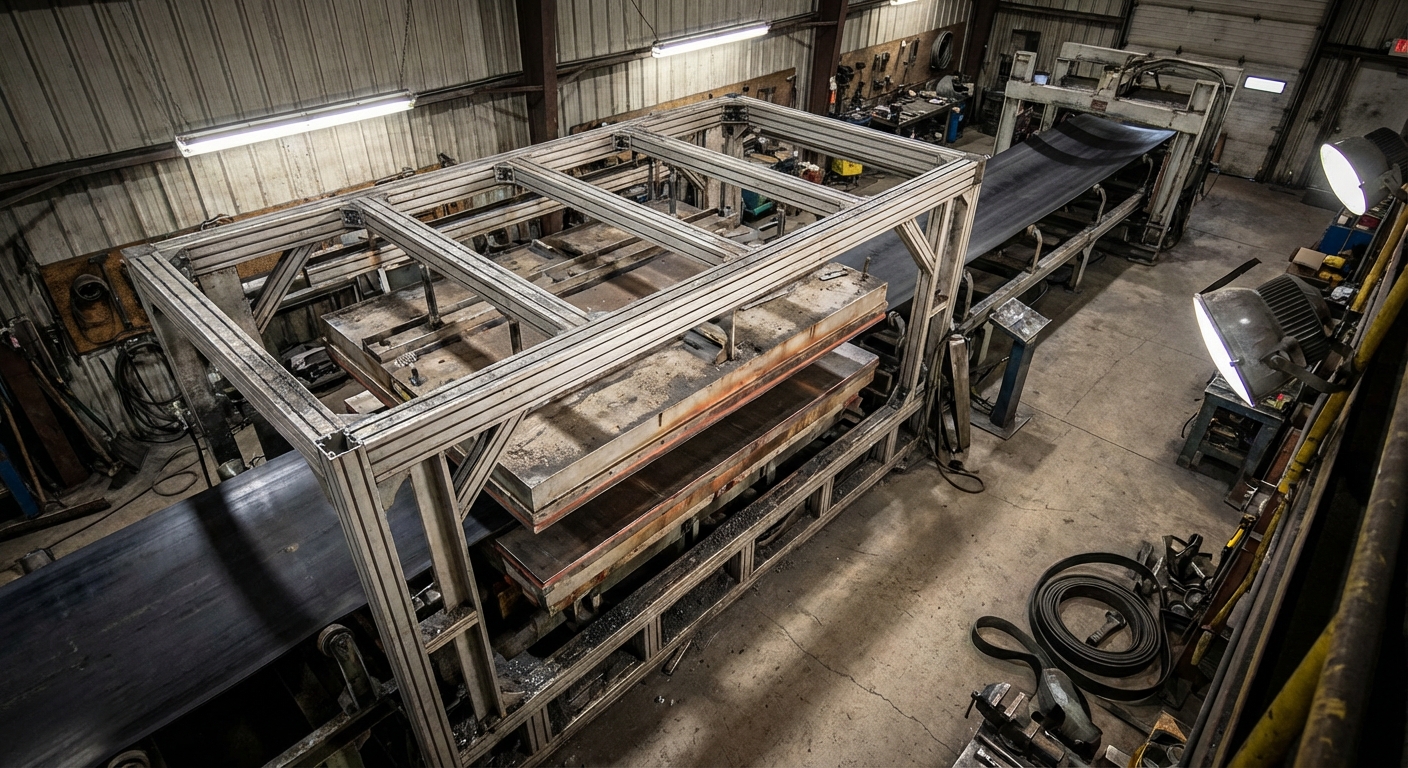
A rubber conveyor belt vulcanization press creates strong, permanent splices using heat and pressure, reducing downtime and ensuring reliable performance in heavy-duty industrial conveyor systems.
What is a rubber conveyor belt vulcanization press?
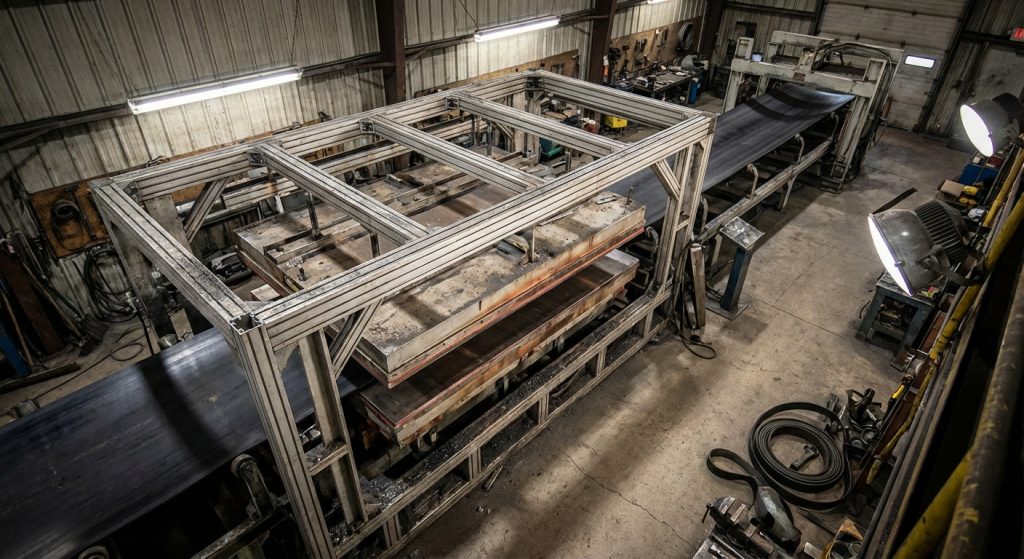
A rubber conveyor belt vulcanization press is a high-performance thermal system used to fuse rubber belt ends into a singular, seamless joint using heat and pressure. It serves as the primary tool for heavy-duty belt maintenance, ensuring that the splice matches the original tensile strength of the belt. By applying precise temperatures, the machine cross-links the rubber molecules for maximum durability.
Why is heat essential for heavy-duty splicing?
Heat acts as the catalyst for the chemical vulcanization process that turns raw rubber into a stable, elastic material. Without reaching the specific “curing” temperature, the bonding agents within the splice will never achieve full mechanical strength.
Look at this:
- Temperature Range: Typically 145°C to 160°C.
- Molecular Bond: Creates permanent cross-links between rubber layers.
- Material Stability: Prevents the splice from softening under operational friction.
How does pressure influence the bonding process?
High pressure ensures that the rubber compounds flow into every crevice of the fabric or steel cord reinforcement. This uniform force eliminates internal air pockets that could otherwise lead to delamination during high-speed operations.
Think about it:
- PSI Rating: Usually operates between 100 and 200 PSI.
- Void Elimination: Removes trapped air during the heating phase.
- Cord Penetration: Forces rubber deep into steel cable interstices.
| Pressure Factor | Impact on Splice | |
|---|---|---|
| Uniformity | Prevents weak spots and “light” areas | |
| Magnitude | Ensures full penetration of steel cords | |
| Stability | Keeps the belt layers perfectly aligned |
Evaluating the relationship between pressure and thermal flow is critical for maintaining splice integrity in high-tension environments.
Why choose a sectional style vulcanizing machine?
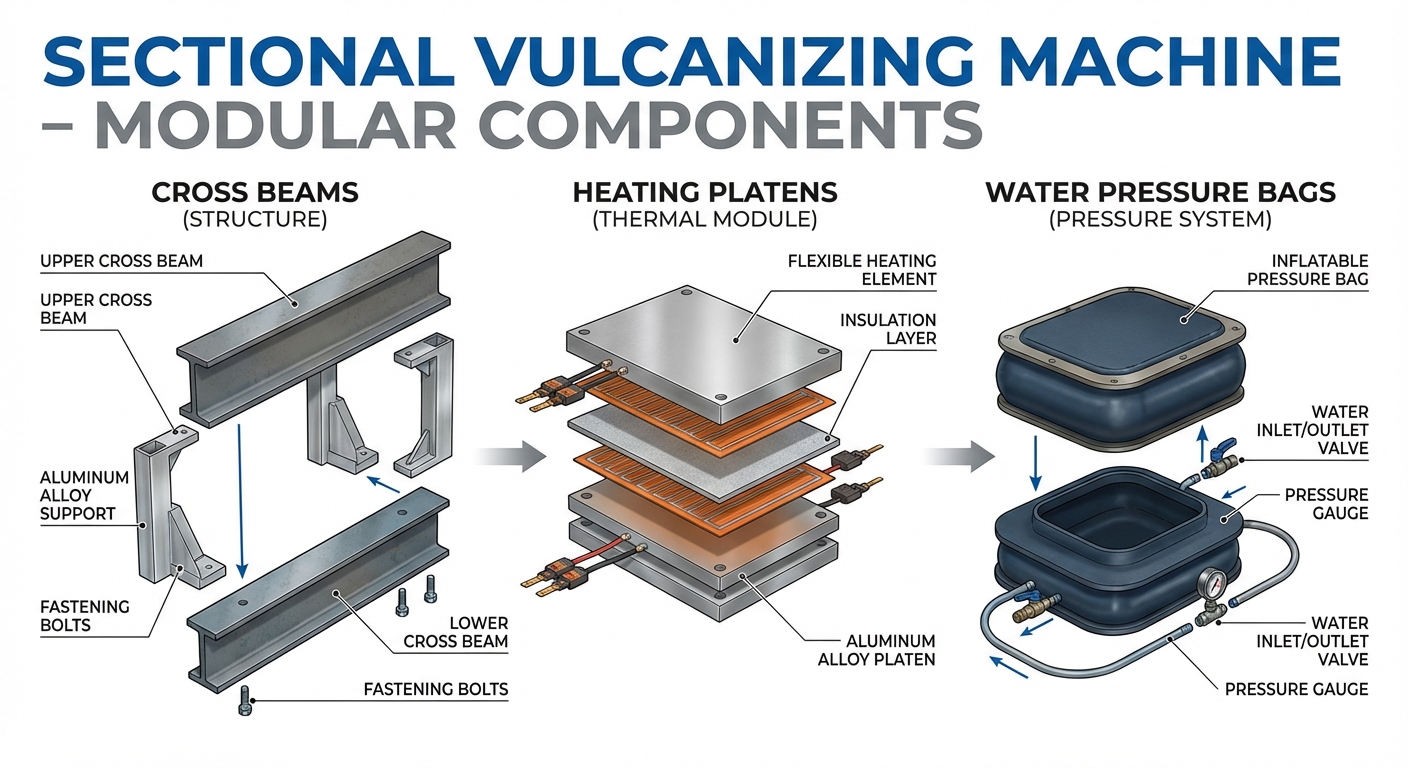
A sectional rubber conveyor belt vulcanization press offers the portability required for on-site repairs in difficult environments. Because these machines can be disassembled into smaller cross-beams and platens, your maintenance team can transport them to tight conveyor galleries. This modular approach significantly reduces the logistical burden of moving heavy industrial equipment.
How does the sectional design improve portability?
Individual components are lightweight enough for manual handling by a small crew. This modularity means you don’t need heavy cranes to position the press in narrow spaces.
Here is the kicker:
- Modular Beams: Easy to carry across uneven mining terrain.
- Lightweight Platens: Reduces the risk of worker injury during setup.
- Compact Storage: Components fit into standard transport crates.
Can sections be combined for wider belts?
You can align multiple units together to accommodate extra-wide belts or long splice lengths. This flexibility makes the sectional press a cost-effective solution for facilities with diverse belt inventories.
The reality is:
- Scalable Width: Connect beams to match your widest belt.
- Dual Coverage: Use multiple platens for extended splice areas.
- Universal Fit: Adapts to various belt thicknesses and types.
| Component | Portability Advantage | |
|---|---|---|
| Cross Beams | High strength-to-weight ratio for manual carry | |
| Sectional Platens | Divided weight for easier positioning | |
| Hydraulic Pumps | Compact units with integrated handles |
Investing in sectional systems allows your team to respond to belt failures anywhere on the site without logistical delays.
How does the pressure system impact splice quality?
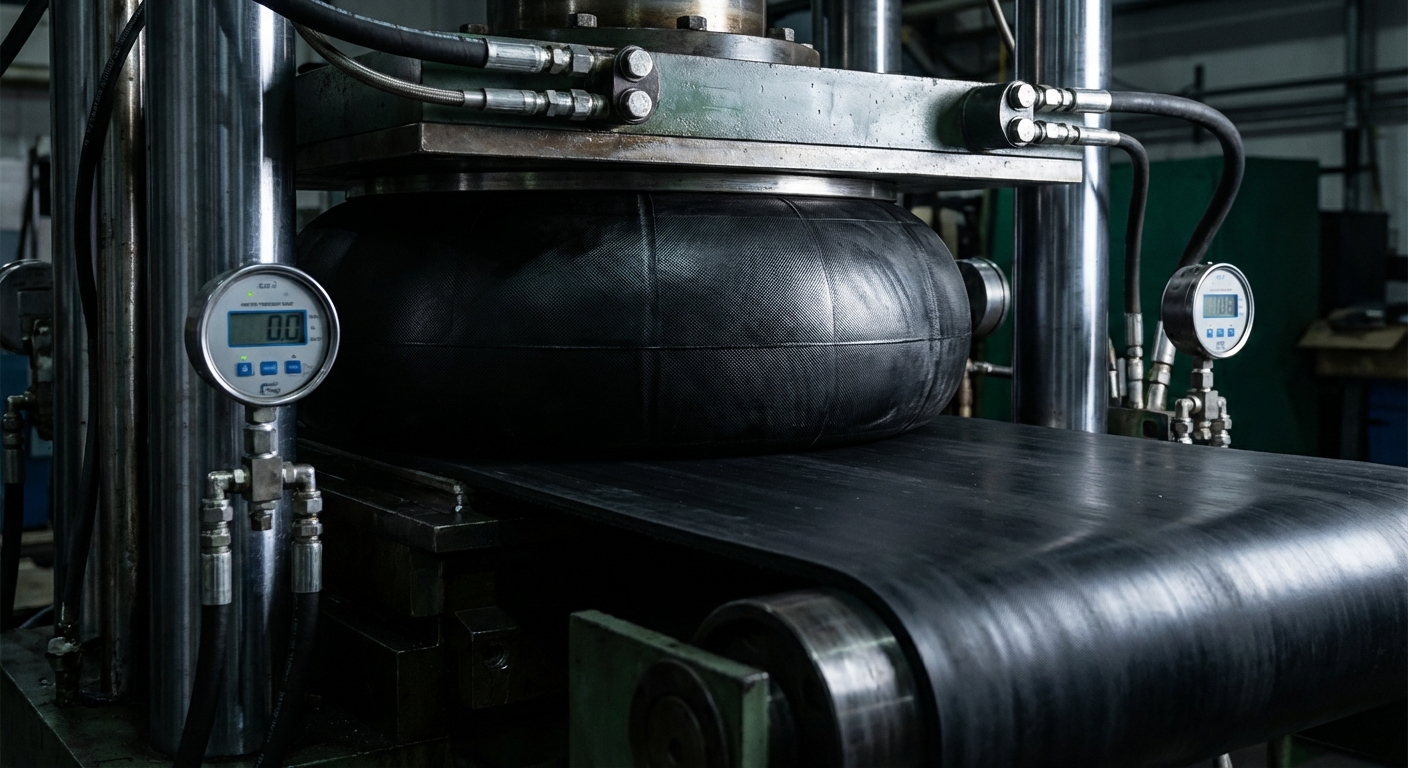
The rubber conveyor belt vulcanization press utilizes a sophisticated water pressure bag system to ensure even force distribution across the entire surface. Unlike older mechanical systems, a hydraulic pressure bag contours to the belt’s surface perfectly. This compensates for slight variations in belt thickness, preventing uneven bonding.
What are the benefits of water pressure bags?
Water pressure bags provide a more stable and uniform force compared to air-based alternatives. They maintain constant pressure even as the rubber softens and shifts during the heating cycle.
Surprisingly:
- Surface Conformance: Adapts to the exact shape of the belt.
- Thermal Inertia: Helps maintain steady heat across the platen.
- Leak Resistance: Robust construction handles high-pressure cycles.
What is the maximum operating pressure?
Heavy-duty machines are typically engineered to handle up to 200 PSI (14 bar) for the most demanding applications. This level of force is critical when working with steel cord belts that require deep rubber penetration around cables.
Look at this:
- Standard Pressure: 100 PSI for fabric belts.
- Heavy-Duty Pressure: 200 PSI for steel cord systems.
- Safety Margin: Bags are tested to 1.5x operating limits.
| Pressure Method | Consistency Level | Use Case | |
|---|---|---|---|
| Water Bag | High | Steel cord and high-tension belts | |
| Air Bag | Moderate | Standard textile and EP belts | |
| Mechanical | Low | Light-duty or emergency repairs |
Using water as the pressure medium ensures the most reliable bond for belts subjected to extreme tension.
Which heavy-duty belt types are compatible?
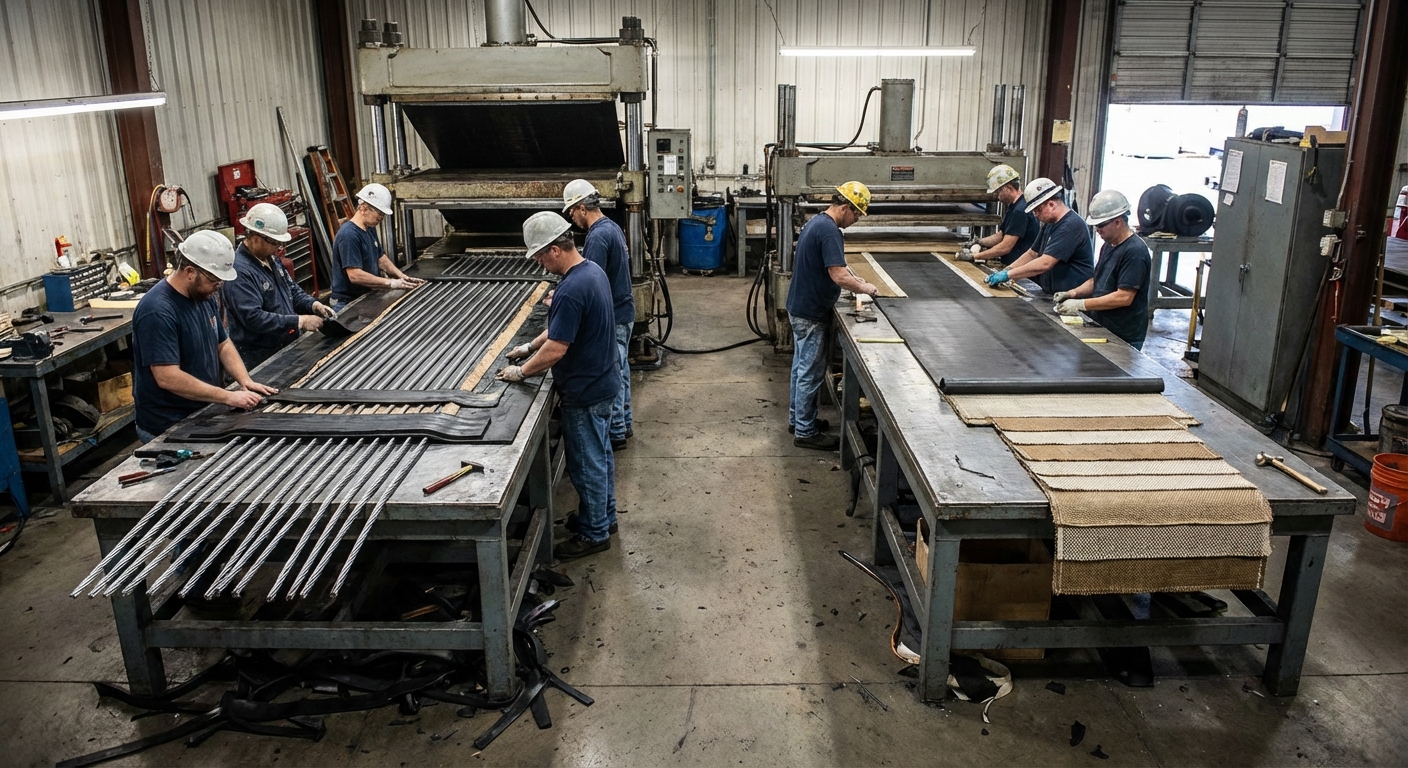
The rubber conveyor belt vulcanization press is engineered to handle various reinforcements, including EP (polyester) and NN (nylon). It is specifically optimized for high-tension environments where traditional mechanical fasteners would eventually fail. You can rely on this machine for virtually any heavy-duty rubber belt in your facility.
Can it handle steel cord reinforcements?
Yes, these machines are the industry standard for splicing steel cord belts used in deep-pit mining. The high-pressure system ensures the rubber flows entirely around the individual steel cables for a permanent grip.
Here is the kicker:
- Cable Integrity: Maintains cord alignment during the press.
- Rubber Flow: Eliminates gaps between the cords.
- High Strength: Matches the rating of ST5000+ belts.
Is it suitable for fire-resistant materials?
The precise temperature control allows you to splice flame-retardant belts without degrading the specialized chemical compounds. This is vital for maintaining safety certifications in underground operations or coal handling.
Think about it:
- Chemical Preservation: Doesn’t overheat sensitive additives.
- Certification Compliance: Maintains the belt’s FR ratings.
- Safe Operation: Shielded elements prevent sparks in mines.
| Belt Category | Splicing Priority | Recommended Pressure | |
|---|---|---|---|
| Textile (EP/NN) | Layer adhesion | 100 PSI | |
| Steel Cord (ST) | Cable encapsulation | 200 PSI | |
| Heat Resistant | Compound stability | 100-150 PSI |
Selecting the correct pressure and temperature profile is the most important step in splicing diverse belt types successfully.
What are the benefits of rapid water cooling systems?
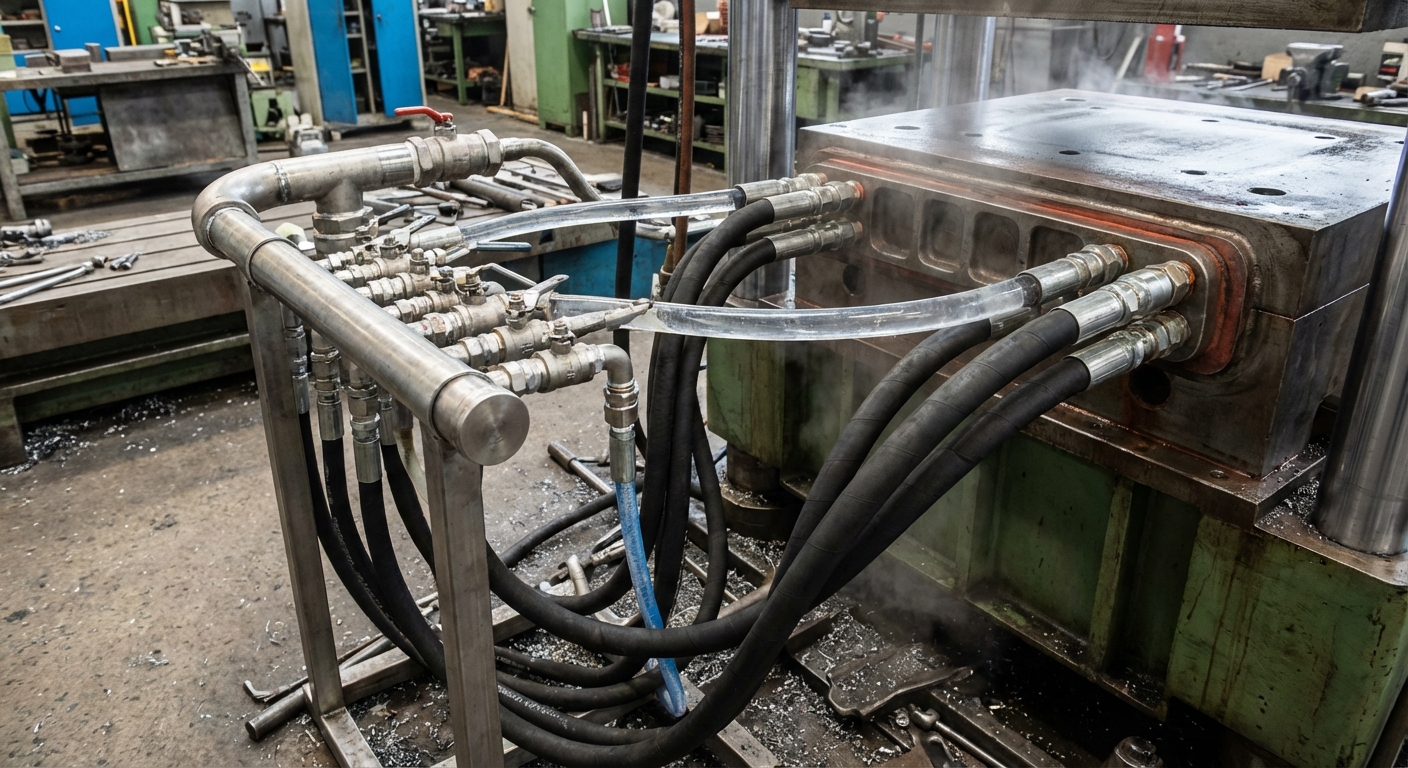
A modern rubber conveyor belt vulcanization press features integrated water cooling channels within the heating platens. This technology allows you to cool the splice from 145°C to 75°C in as little as five to ten minutes. By accelerating the cooling phase, you significantly reduce the total downtime required for a repair.
How does rapid cooling reduce total downtime?
By shortening the cooling cycle, your team can remove the press and restart the conveyor significantly faster. In emergency scenarios, saving even 30 minutes can equate to thousands of dollars in reclaimed production time.
The reality is:
- Faster Release: Decreases the “set” time for the rubber.
- Increased Cycles: Allows more splices to be done in one shift.
- Reduced Idle Time: Gets the production line moving sooner.
Does cooling impact the splice strength?
Controlled rapid cooling helps set the rubber’s molecular structure quickly and evenly. This ensures the splice reaches its full mechanical properties before the belt is placed under full tension.
Look at this:
- Structural Integrity: Prevents internal thermal stress.
- Surface Quality: Ensures a smooth, non-tacky finish.
- Immediate Loading: Belt is ready for tensioning faster.
| Phase | Duration with Cooling | Duration without Cooling | |
|---|---|---|---|
| Heating | 25-30 Minutes | 25-30 Minutes | |
| Curing | 20-40 Minutes | 20-40 Minutes | |
| Cooling | 5-10 Minutes | 60-90 Minutes |
Integrated cooling manifolds are a game-changer for operations that cannot afford long periods of equipment idleness.
How does the control box ensure temperature accuracy?
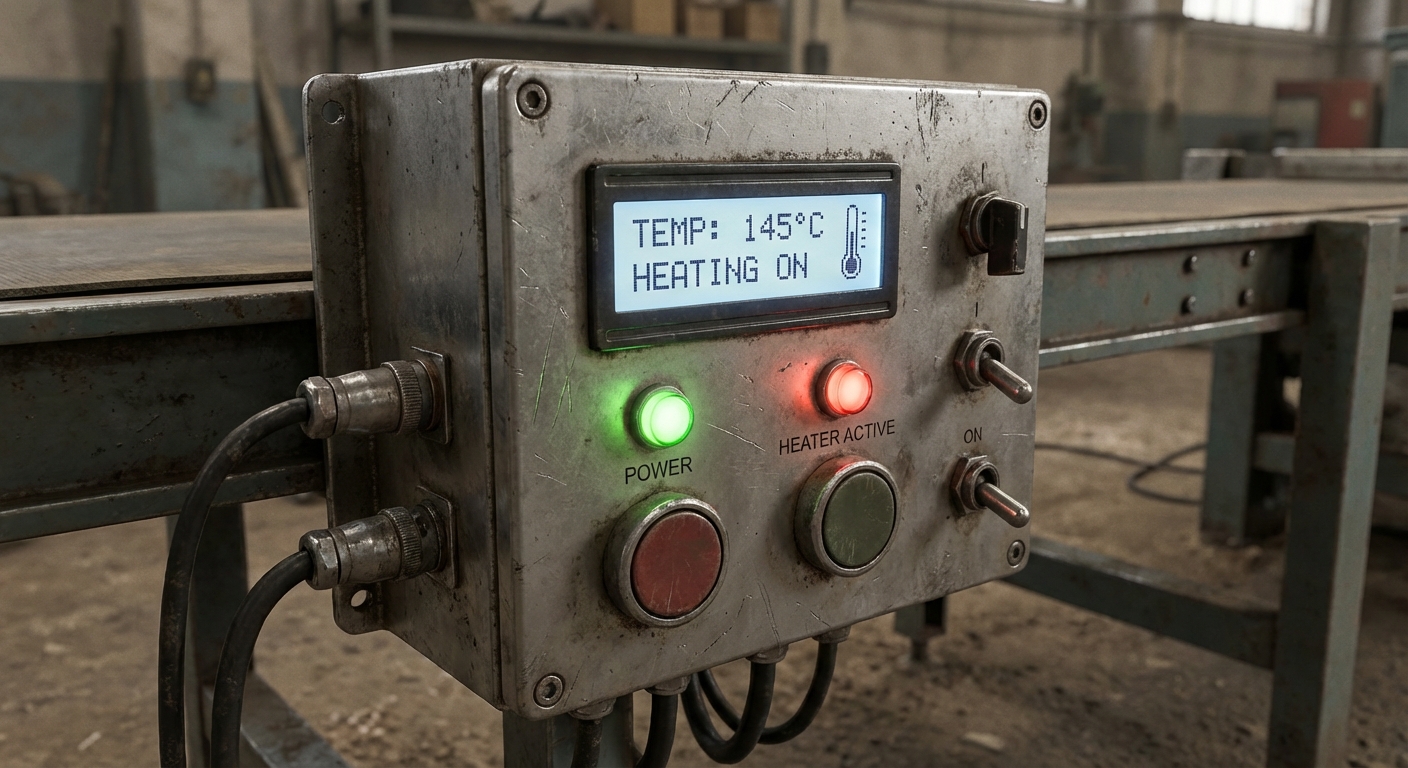
The heart of the rubber conveyor belt vulcanization press is the digital control box which monitors real-time temperature data. It uses high-quality electrical components to maintain a steady heat profile, preventing scorched rubber. You can precisely manage the curing cycle to meet the belt manufacturer’s exact specifications.
What safety features are included?
Most control boxes include automatic shut-off timers and internal circuit breakers to prevent damage. These features protect the heating elements and the belt from accidental overheating during the process.
Surprisingly:
- Auto-Shutoff: Stops the heaters once the cycle is complete.
- Overload Protection: Prevents damage from power surges.
- Audible Alarms: Alerts technicians to temperature deviations.
Can it handle different voltages?
Professional units are built to support global industrial voltages including 380V, 440V, and 660V. This ensures the machine works regardless of your facility’s local power infrastructure or remote generator capabilities.
Think about it:
- Global Compatibility: Use the same unit at different sites.
- Voltage Stability: Maintains heat even with slight power fluctuations.
- Simplified Wiring: Plug-and-play connectors for rapid setup.
| Feature | Advantage | |
|---|---|---|
| Digital PID | Maintains temperature within ±1°C | |
| Dual Control | Independent monitoring of top/bottom platens | |
| Data Logging | Record splice history for quality audits |
Advanced control systems remove the guesswork from vulcanization, ensuring every splice meets high industrial standards.
<h2>Why is aluminum alloy used in the frame construction?</h2>
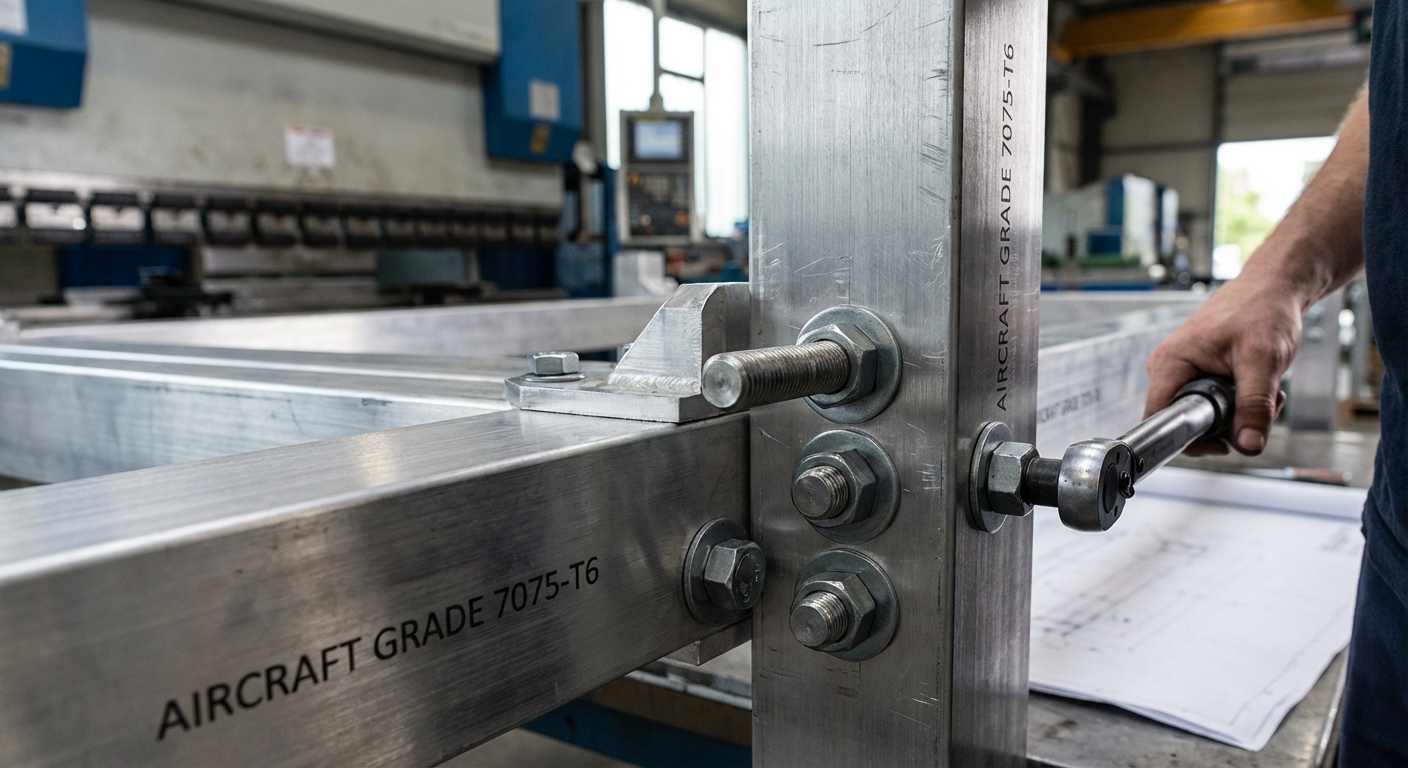
The frame of a rubber conveyor belt vulcanization press must withstand immense pressure without bending or breaking. High-strength aircraft-grade aluminum alloy is used because it offers an incredible strength-to-weight ratio. This choice of material allows the machine to be both durable and light enough for field use.
Does the aluminum frame resist corrosion?
Aluminum naturally forms a protective oxide layer, making it ideal for humid mining or seaside port environments. This ensures the machine remains functional and visually clean over decades of service in harsh conditions.
Look at this:
- Rust Proof: Ideal for wet underground mines.
- Chemical Resistance: Resists degradation from industrial oils.
- Low Maintenance: Requires minimal cleaning and no painting.
How does the frame maintain alignment?
The spanner bars and bolt assemblies are engineered to stay perfectly parallel under 200 PSI of load. This prevents the belt from “creeping” or misaligning, which could cause tracking issues after the splice is finished.
Here is the kicker:
- High Tensile Bolts: Lock the frame into a rigid structure.
- Precision Machining: Ensures all surfaces are perfectly flat.
- Deflection Control: Prevents bowing in the center of the press.
| Material Property | Benefit to User | |
|---|---|---|
| Low Density | Reduced shipping and handling costs | |
| High Strength | Safely handles 200 PSI loads | |
| Thermal Stability | Frame won’t warp during high-heat cycles |
The use of premium aluminum alloy ensures your vulcanizer remains a reliable asset for the long-term lifecycle of your plant.
What safety standards do these machines meet?
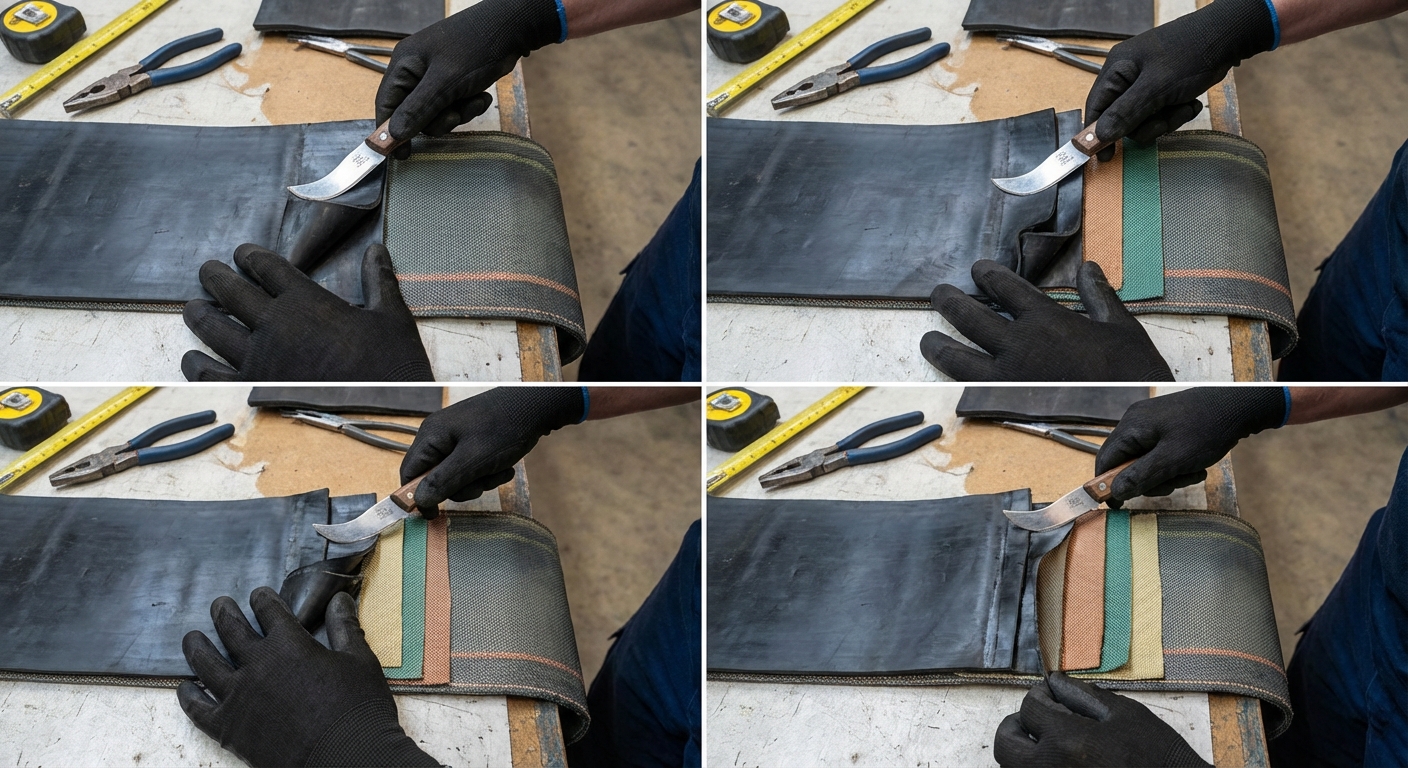
A high-quality rubber conveyor belt vulcanization press is manufactured to meet international safety and quality standards. This includes CE certification for electrical components and pressure vessel safety ratings for the hydraulic systems. You can operate these machines with confidence, knowing they have been rigorously tested for industrial environments.
Are these machines tested for high-pressure safety?
Every unit undergoes rigorous pressure testing to ensure the bag and frame can handle 1.5 times the rated operating pressure. This protects your workers from sudden equipment failure or explosive decompression during the curing phase.
The reality is:
- Proof Testing: Each bag is inflated to max limits before shipping.
- Structural Certification: Frames are analyzed for load-bearing safety.
- User Protection: Safety valves prevent accidental over-pressurization.
How is electrical safety managed?
Heating elements are shielded and grounded to prevent electrical leakage or shocks in damp conditions. This is especially critical when working in wet coal mines or outdoor environments during rain.
Think about it:
- Shielded Wires: Protects against physical abrasion and cuts.
- IP65 Ratings: Control boxes resist dust and water ingress.
- Ground Fault Protection: Instantly cuts power if a leak is detected.
| Compliance Type | Standard | |
|---|---|---|
| Electrical | CE / UL certification | |
| Pressure | Hydraulic safety rated (1.5x) | |
| Quality | ISO 9001 manufacturing process |
Adhering to strict safety standards ensures that your maintenance procedures do not introduce new risks to your workforce.
How do you maintain a vulcanization press for long life?
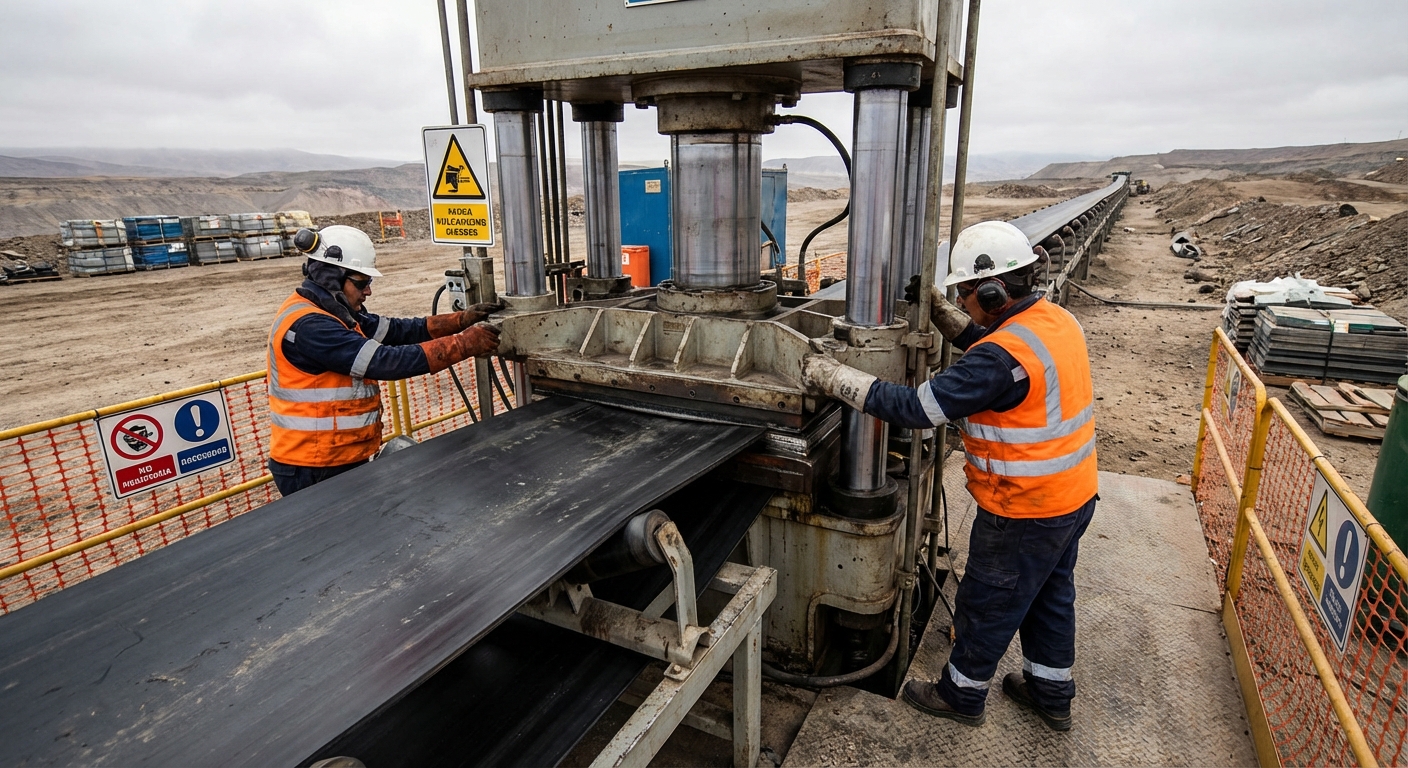
To get the most out of your rubber conveyor belt vulcanization press, regular maintenance of the heating platens and pressure bags is required. Keeping the electrical connections clean and the hydraulic pumps lubricated will ensure the machine is ready for the next emergency. Proper care extends the life of your investment and prevents unexpected failures during a repair.
How should heating platens be stored?
Platens should be stored in a dry, climate-controlled environment to prevent moisture from entering the resistance wires. You should always use the original protective cases to prevent surface scratches or damage to the cooling manifolds.
Here is the kicker:
- Dry Storage: Prevents internal short circuits.
- Protective Cases: Keeps the platen faces perfectly flat.
- Connector Caps: Protects electrical pins from dust.
What are the signs of a failing pressure bag?
You should inspect the bag for cracks, stiffening, or visible leaks before every single vulcanization cycle. Replacing a worn bag early prevents a catastrophic failure that could ruin a brand-new belt splice.
Look at this:
- Visual Checks: Look for bulging or surface tears.
- Pressure Retention: Ensure the bag doesn’t lose PSI over time.
- Coupling Health: Check for leaks at the water inlet valves.
| Maintenance Task | Recommended Interval | |
|---|---|---|
| Cable Inspection | Before every use | |
| Pump Lubrication | Every 6 months | |
| Platen Cleaning | After every use |
Consistent preventative maintenance is the only way to ensure your vulcanizer performs perfectly when your production line is down.
Where can you find reliable heavy-duty belt solutions?
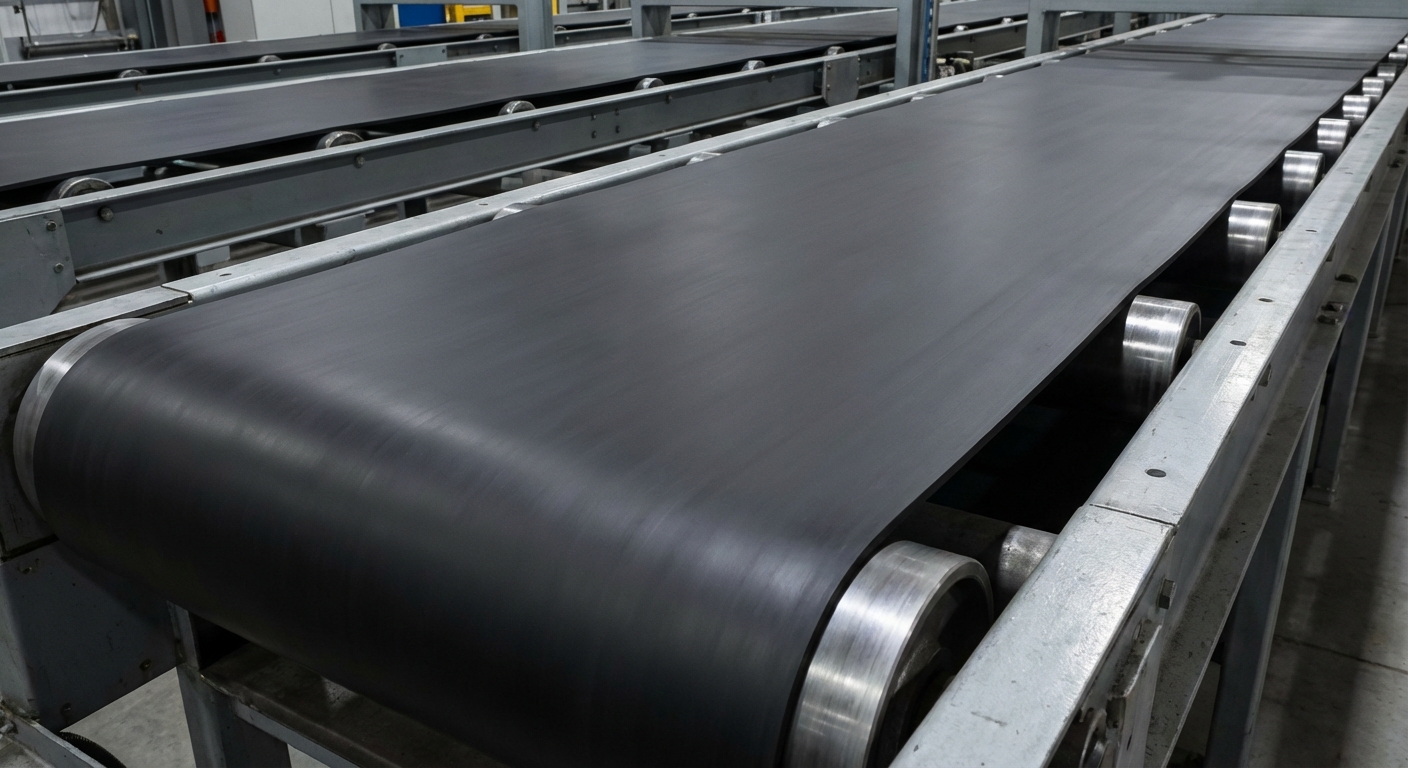
Choosing a rubber conveyor belt vulcanization press is only half the battle; you also need high-quality belt material to ensure a successful splice. Partnering with a direct factory manufacturer allows you to source both the equipment and the belts that are compatible with your specific industrial requirements. This integrated approach ensures that the rubber compounds in the belt and the repair materials react perfectly under the press.
Why buy directly from a manufacturer?
Direct sourcing eliminates middlemen, providing significant cost savings on high-performance rubber products and vulcanizing tools. It also ensures you receive technical support from the engineers who actually designed the products.
The reality is:
- Cost Savings: Typically 15-30% lower than distributors.
- Technical Support: Direct access to splicing experts.
- Quality Assurance: Full traceability of raw materials.
Can you get custom belt specifications?
Custom designs for width, thickness, and compound type are available to match your existing conveyor system perfectly. This guarantees that your vulcanized splices will perform under your specific load conditions and environmental stressors.
Look at this:
- Custom Widths: Up to 3200mm supported.
- Specialty Compounds: Oil-resistant or ultra-heat-resistant options.
- Matched Materials: Get repair kits designed for your specific belt.
| Source Type | Pricing | Technical Support | |
|---|---|---|---|
| Direct Factory | Factory Direct | Expert Level | |
| Local Distributor | Marked Up | General Knowledge | |
| Third-Party Online | Variable | Limited or None |
Securing your equipment and belts from a single expert source minimizes compatibility risks and maximizes your system’s total uptime.
FAQ
1. How long does a typical vulcanization cycle take?The heating process usually takes 25 to 30 minutes to reach 145°C. With a rapid cooling system, the total cycle from setup to removal can be completed in approximately 60 to 90 minutes.
2. Can I use air instead of water in the pressure bag?While air can be used for lower-pressure applications, water is highly recommended for heavy-duty belts. Water ensures uniform force at 200 PSI, which is necessary for steel cord penetration.
3. What is the maximum belt width these machines can handle?Standard machines support up to 3200mm. However, sectional presses can be placed side-by-side to accommodate specialized extra-wide belt applications in large-scale mining.
4. Does the machine work for PVC or PU belts?These traditional vulcanizers are specifically designed for rubber belts. PVC and PU belts usually require different temperature and pressure profiles found in specialized air-cooled presses.
5. How do I know if my pressure bag is leaking?If your hydraulic pump must run constantly to maintain the PSI, there is likely a leak. Inspect the hoses first, then check the bag for surface weeping or pinholes.
Conclusion
Investing in a professional rubber conveyor belt vulcanization press is the only way to ensure your industrial operations remain uninterrupted by belt failure. By utilizing high-pressure, heat-sealed technology, you protect your infrastructure and maximize your system’s lifespan. Our vision is to provide the most reliable splicing solutions to the global mining and port industries, ensuring safety and efficiency at every turn. If you need expert guidance on selecting the right equipment or heavy-duty belts, please contact us today for a custom technical solution and quotation within 24 hours.