
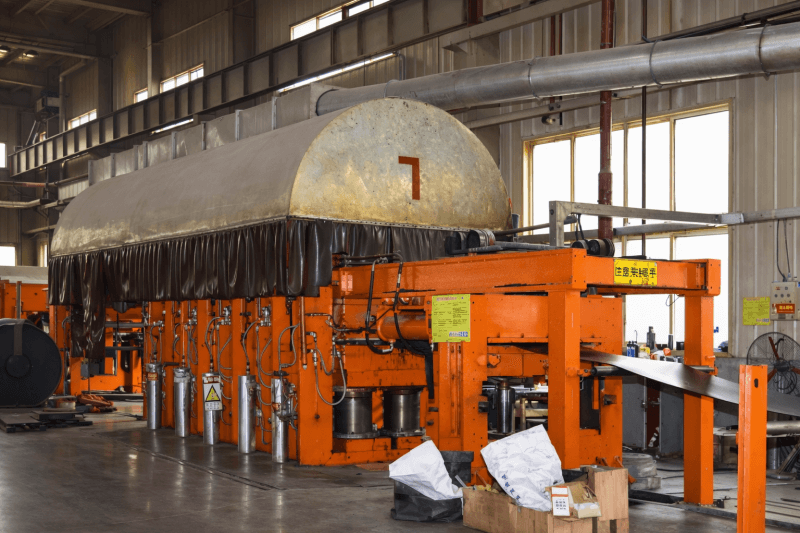
Professional canvas rubber conveyor belt vulcanizing equipment delivers strong, permanent joints through heat and pressure, reducing downtime and restoring reliable performance in heavy-duty conveyor systems.
What is canvas rubber conveyor belt vulcanizing equipment?
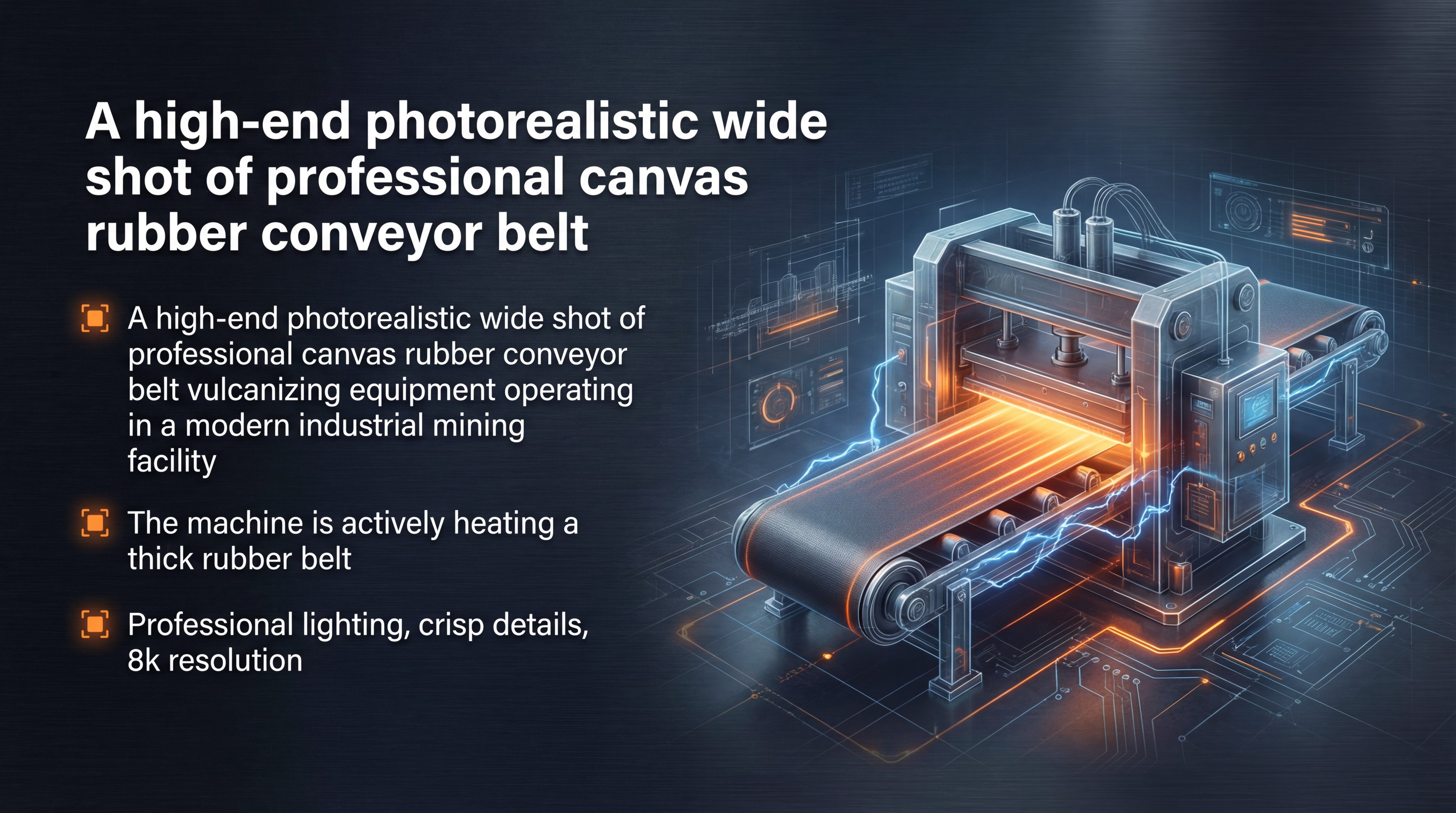
This machine is a portable industrial press used to perform hot splicing on fabric-reinforced conveyor belts to create a seamless joint. Utilizing canvas rubber conveyor belt vulcanizing equipment ensures that the spliced area maintains a tensile strength nearly equal to the rest of the belt.
How does the splicing mechanism work?
The machine sandwiches the prepared belt ends between two heated plates and applies uniform pressure via a pressure bag or hydraulic system. This process triggers a chemical reaction in the rubber compounds, fusing the layers together permanently.
Look:
- Precision heating elements provide consistent thermal energy.
- Pressure bags distribute force across the entire joint surface.
- Portable frames allow for on-site repairs in remote locations.
The best part? You don’t have to remove the entire belt from the conveyor system to fix a single tear or joint.
Key Takeaway: Hot vulcanizing machines provide a more durable and reliable joint compared to mechanical fasteners or cold bonding methods.
| Feature | Advantage | |
|---|---|---|
| Portability | Easy transport to remote mining or industrial sites | |
| Thermal Bond | Chemical fusion creates a high-strength permanent joint | |
| Versatility | Compatible with EP, Nylon, and Canvas fabric belts |
This table demonstrates how the machine’s core features directly translate into operational benefits for your maintenance team.
How does the hot vulcanization heating plate function?
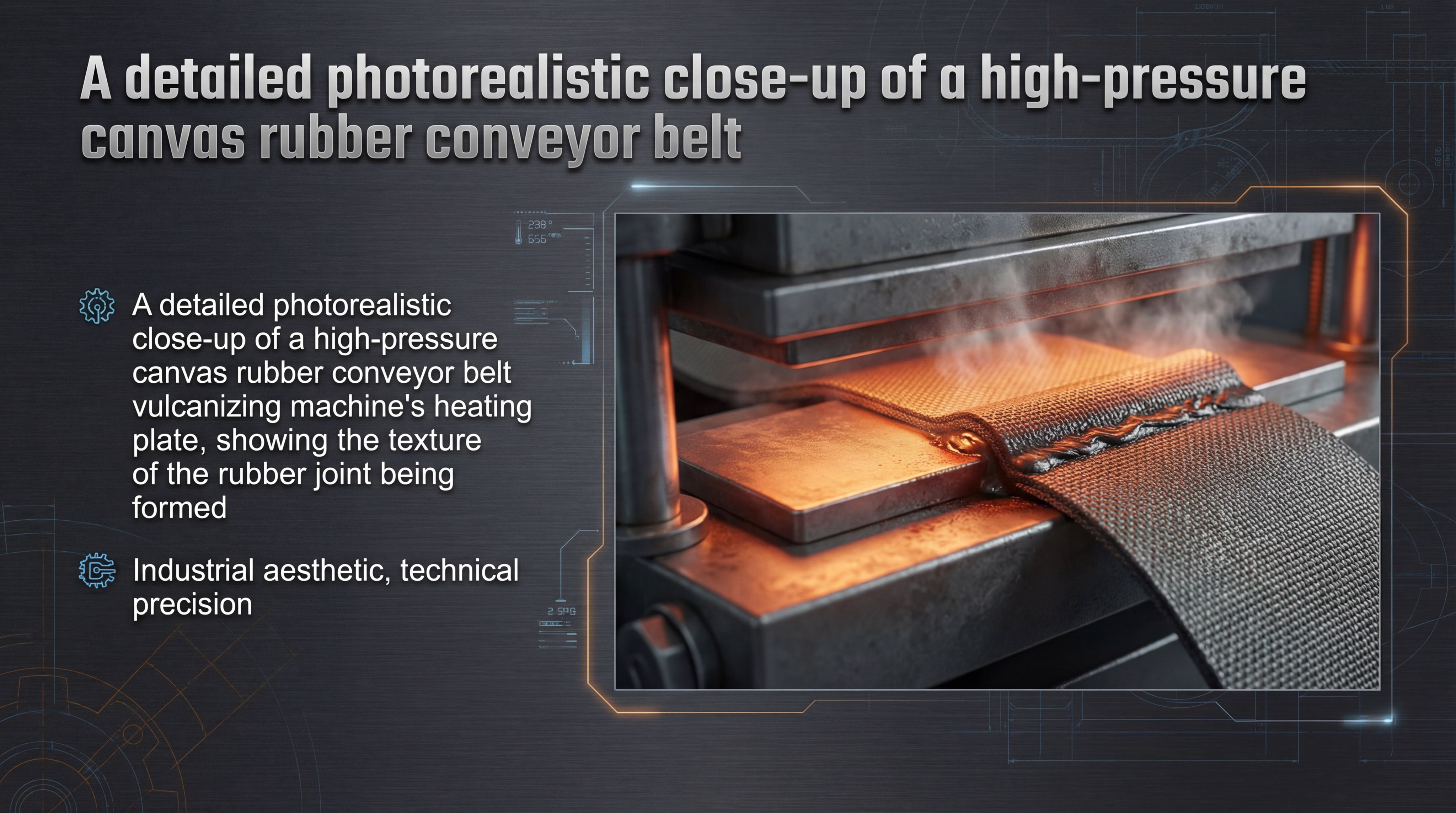
The heating plate serves as the primary source of thermal energy required to melt and cure the rubber compounds within the belt joint. High-quality canvas rubber conveyor belt vulcanizing equipment utilizes advanced electric elements to ensure the temperature remains uniform across the entire surface of the plate.
Why is temperature uniformity critical?
If the heat is inconsistent, the rubber may under-cure in some spots and over-burn in others, leading to a weak joint that will eventually fail. Uniform heating ensures that the chemical cross-linking happens simultaneously across the entire width of the belt.
Think about it:
- Modern plates utilize high-grade aluminum for superior heat conductivity.
- Digital controllers monitor sensors to prevent thermal fluctuations.
- Insulated covers protect the plates from ambient temperature interference.
Here is the deal: precision in temperature is the difference between a joint that lasts ten years and one that fails in ten days.
Key Takeaway: Uniform thermal distribution is the most critical factor in achieving a professional-grade belt splice.
| Component | Function | |
|---|---|---|
| Aluminum Alloy Plate | Provides fast and even heat transfer | |
| Internal Resistors | Generates the necessary thermal energy for curing | |
| Thermal Insulation | Protects the frame and directs heat toward the belt |
Maintaining these heating components ensures that your splicing operations remain consistent and reliable over hundreds of cycles.
What are the technical pressure and temperature specs?

Standard operation requires a vulcanization pressure between 1.0 and 2.0 MPa and a steady temperature of exactly 145°C. For your canvas rubber conveyor belt vulcanizing equipment to perform correctly, these parameters must be maintained throughout the entire curing cycle.
What is the optimal curing time?
Most fabric-reinforced belts require less than 25 minutes to reach the target temperature from a cold start. Once the temperature is reached, the “holding time” depends on the belt thickness and the specific rubber compounds being used.
Bottom line:
- Pressure must be constant to eliminate air pockets in the joint.
- Temperature variance should never exceed ± 2°C across the plate.
- Timers ensure the joint isn’t over-cured, which makes rubber brittle.
The best part? Automated control cabinets handle these variables for you, reducing the risk of human error.
Key Takeaway: Adhering to strict pressure and temperature specifications is mandatory for ensuring the chemical stability of the rubber joint.
| Parameter | Standard Value | Range/Tolerance | |
|---|---|---|---|
| Pressure | 1.5 MPa | 1.0 – 2.0 MPa | |
| Temperature | 145°C | ± 2°C | |
| Heating Time | < 25 Min | Ambient to 145°C |
Rigidly following these technical values guarantees that the resulting splice will withstand the mechanical stresses of high-capacity conveying.
Why is the modular aluminum frame design better?
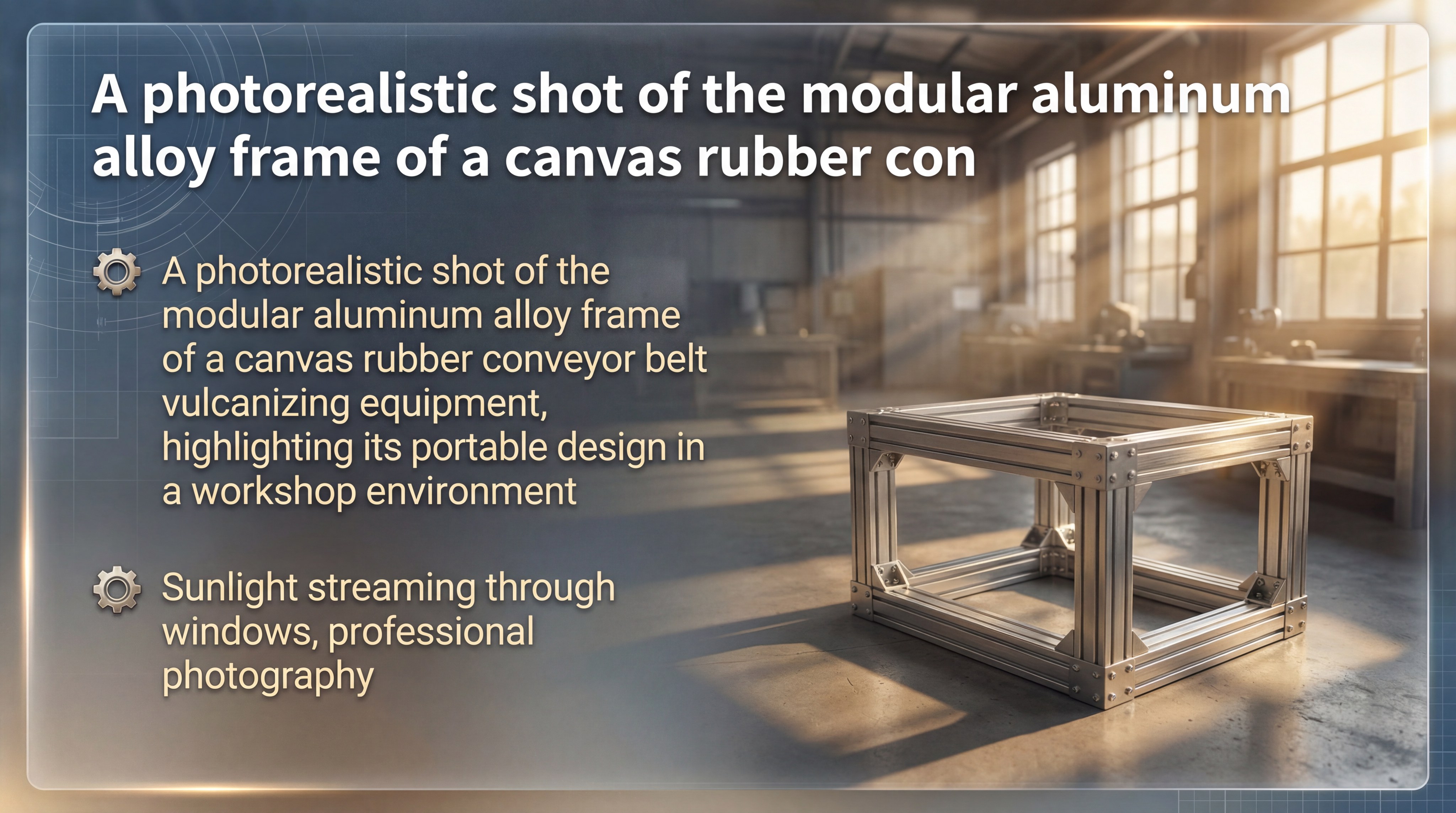
A modular aluminum alloy frame provides the perfect balance between high structural strength and lightweight portability for field technicians. This design choice in canvas rubber conveyor belt vulcanizing equipment allows two people to carry and assemble the machine on a conveyor structure without heavy lifting gear.
How does modularity help on-site repairs?
The frame is composed of individual beams and cross-members that can be dismantled easily for transport through tight spaces or up maintenance ladders. Once at the splicing location, these parts lock together to create a rigid cage capable of withstanding tons of internal pressure.
Look:
- Aluminum alloy is resistant to corrosion in wet mining environments.
- Modular sections allow for customization based on the belt’s width.
- Lightweight parts reduce the risk of worker injury during setup.
Think about it: Why struggle with heavy steel frames when modern alloys provide the same strength at half the weight?
Key Takeaway: Lightweight modular designs significantly decrease the setup time and labor costs associated with conveyor maintenance.
| Material | Advantage | Comparison | |
|---|---|---|---|
| Aluminum Alloy | High strength-to-weight ratio | 40% lighter than steel frames | |
| Powder Coating | Corrosion resistance | Ideal for chemical and salt environments | |
| Precision Bolting | Rapid assembly | No specialized tools required for setup |
The shift toward aluminum construction represents a major leap in the ergonomics and efficiency of belt repair technology.
Which industrial sites use this vulcanizing machine?

Industries such as mining, power generation, and cement manufacturing rely on this machine to keep their critical logistics lines moving. Using canvas rubber conveyor belt vulcanizing equipment is the standard practice for any facility that cannot afford unexpected belt failures.
Why do power plants prefer hot vulcanizing?
Power plants use vast conveyor networks to transport coal or biomass, and a joint failure can lead to an immediate energy production deficit. Hot vulcanizing provides the heat resistance and durability needed for belts that operate near boilers or in high-temperature zones.
Here is the deal:
- Ports use these machines to repair high-speed loading belts.
- Cement factories require them for high-abrasion belt applications.
- Mining sites utilize them for heavy-duty ore transport lines.
The best part? These machines are versatile enough to handle EP, Nylon, and Canvas belts across all these different sectors.
Key Takeaway: Across all heavy industries, hot vulcanizing is the only method that provides the necessary safety and longevity for critical belts.
| Industry | Primary Application | Belt Type Used | |
|---|---|---|---|
| Mining | Ore and coal transport | Heavy-duty Canvas/Steel Cord | |
| Power Plants | Fuel feeding systems | Heat-resistant Rubber | |
| Logistics/Ports | Bulk cargo loading | High-speed Fabric Belts |
By standardizing on hot vulcanizing equipment, these industries ensure that their conveyor infrastructure remains a reliable link in the supply chain.
What components optimize the electric control cabinet?

The electric control cabinet acts as the “brain” of the machine, regulating every aspect of the curing process automatically. High-quality canvas rubber conveyor belt vulcanizing equipment features cabinets equipped with digital PID controllers for extreme thermal precision.
How does the automation improve joint quality?
Automation removes the need for manual monitoring, as the cabinet can programmed to follow specific heating ramps and holding times. If the temperature deviates from the setpoint, the cabinet automatically adjusts the power flow to the heating plates to correct it.
Look:
- Built-in circuit breakers protect against industrial power surges.
- Digital displays show real-time pressure and temperature readings.
- Audible alarms notify technicians when the curing cycle is complete.
Bottom line: Advanced electronics ensure that every splice is performed with the same level of scientific accuracy.
Key Takeaway: A precision control cabinet is essential for eliminating human error and ensuring repeatable, high-quality results.
| Component | Function | Technology | |
|---|---|---|---|
| PID Controller | Maintains exact temperature setpoints | Digital Microprocessor | |
| Solid State Relay | Rapidly switches heating power | Electronic Switching | |
| Safety Interlock | Prevents operation if faults are detected | Electromechanical |
The integration of these advanced electronics into the vulcanizing process has transformed belt repair from a manual craft into a precise science.
How should you prepare the canvas belt for jointing?
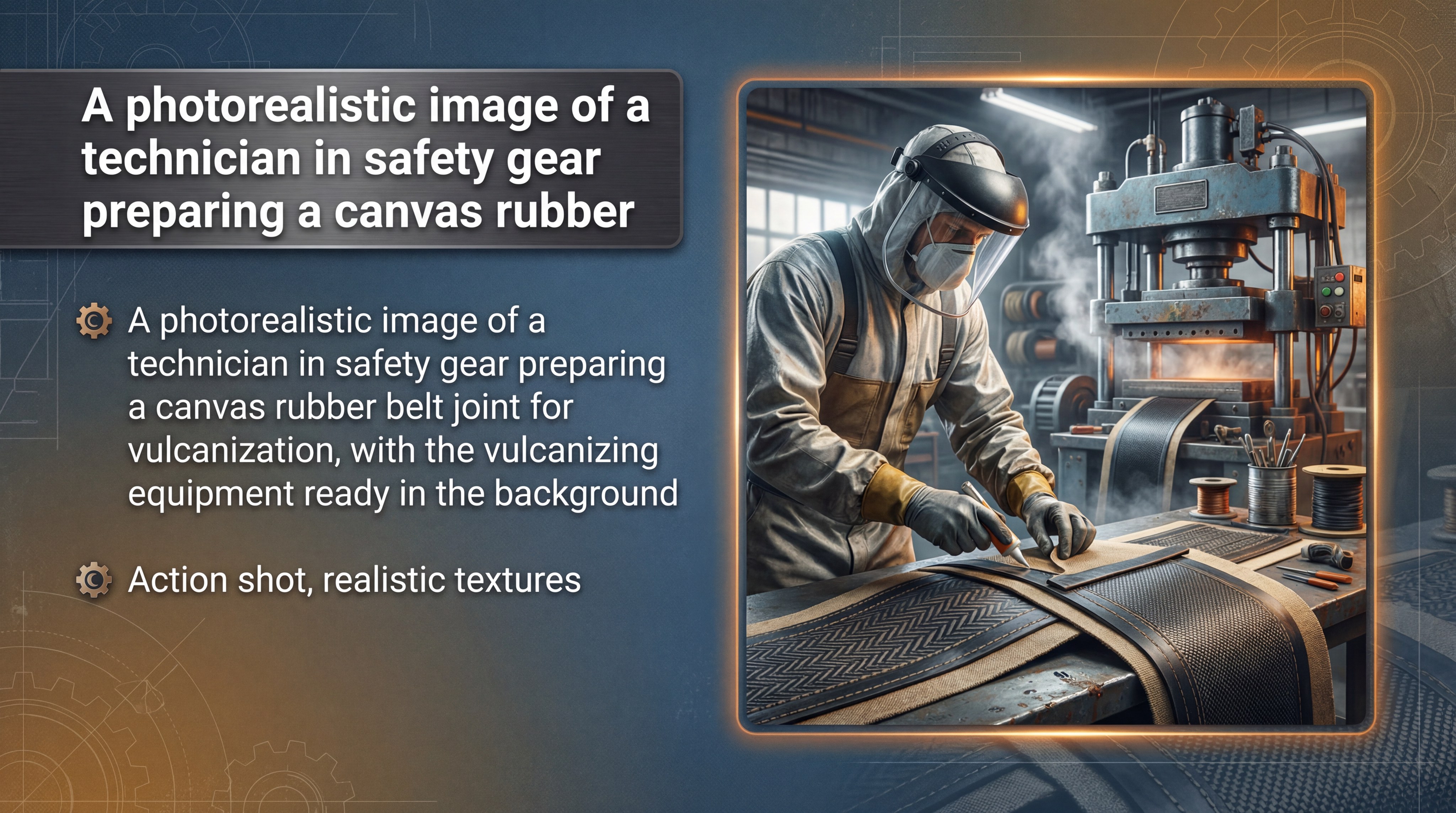
Preparation involves stripping the belt ends into a “stepped” or “finger” pattern and cleaning them thoroughly with industrial solvents. When using canvas rubber conveyor belt vulcanizing equipment , the quality of this initial preparation determines whether the chemical bond will hold under tension.
Which cleaning agents and adhesives are best?
You must use specialized rubber cleaning agents to remove all oils, dust, and grease from the fabric plies. After cleaning, apply a high-quality vulcanizing cement or solution that is chemically compatible with the specific rubber grade of your belt.
Think about it:
- Improperly cleaned plies will result in delamination and bubbles.
- Step patterns must be measured perfectly to ensure load distribution.
- Fresh unvulcanized cover rubber is added to fill the gaps in the joint.
Here is the deal: the machine can only cure the materials you put into it; if the prep is poor, the joint will be poor.
Key Takeaway: Thorough cleaning and precise mechanical stepping are the foundations of a successful hot vulcanized splice.
| Step | Action | Tool Required | |
|---|---|---|---|
| Stripping | Removing top cover and fabric steps | Splicing Knife/Grinder | |
| Cleaning | Removing contaminants from plies | Rubber Solvent/Brush | |
| Glueing | Applying vulcanizing cement | Application Brush |
This systematic approach to belt preparation ensures that the vulcanizing press can achieve a maximum chemical bond.
Why is the controlled cooling process essential?
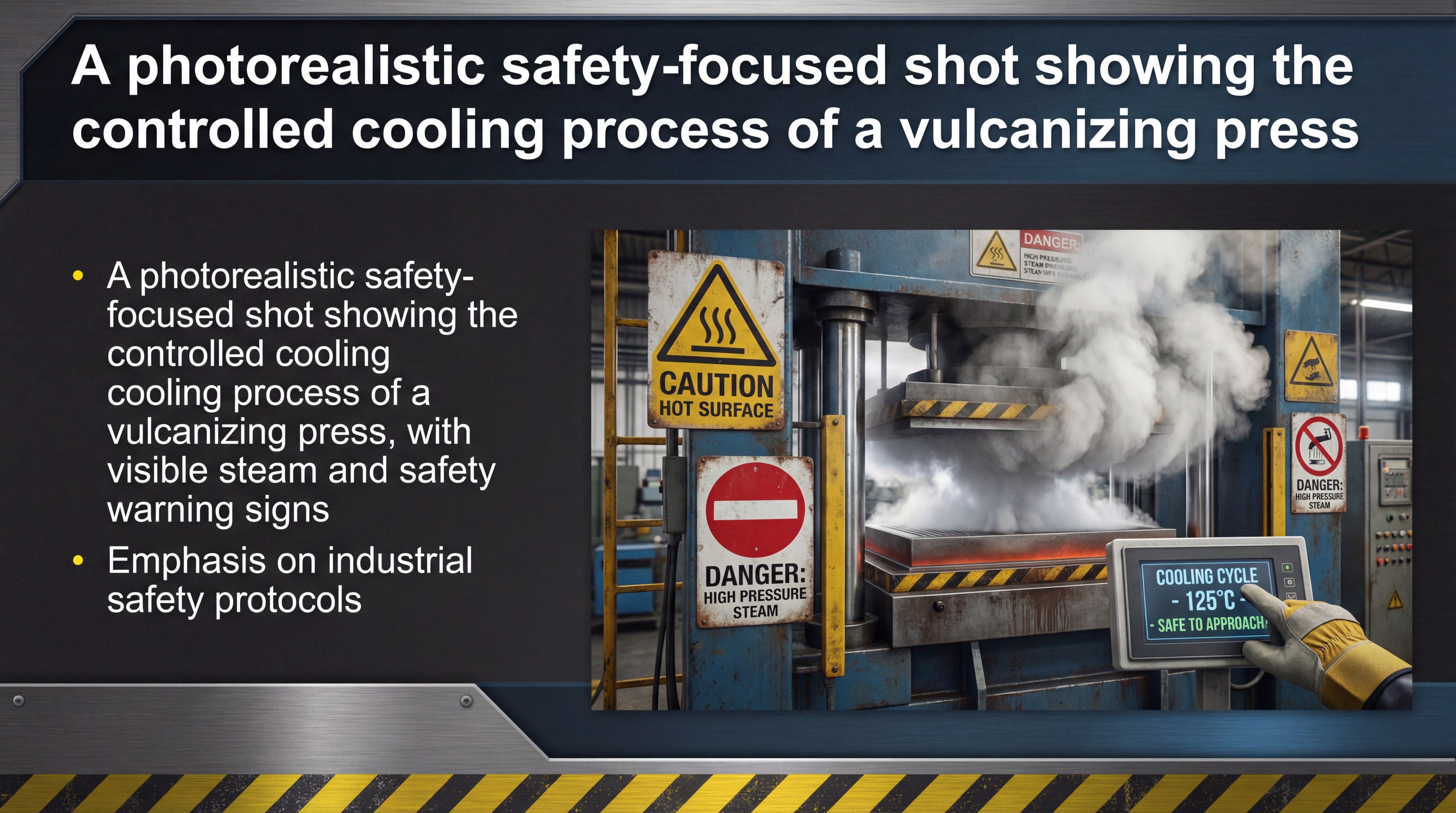
Controlled cooling prevents the internal structure of the rubber from becoming brittle or forming air pockets after the curing is finished. In professional canvas rubber conveyor belt vulcanizing equipment, water cooling systems are often integrated into the heating plates to speed up this phase safely.
Does rapid cooling damage the rubber?
While “natural” cooling is safest, integrated water cooling channels allow you to drop the temperature to 80°C much faster without compromising structural integrity. This prevents the “over-curing” effect that happens if a belt remains at high temperatures for too long after the timer expires.
Look:
- Water cooling can reduce downtime by up to 50% per joint.
- Controlled cooling ensures the rubber molecules stabilize correctly.
- Pressure must be maintained until the joint is below 60-80°C.
The best part? Integrated cooling systems mean you can get your conveyor system back up and running in a fraction of the time.
Key Takeaway: Proper cooling management is vital for maintaining the flexibility and tensile strength of the newly formed rubber joint.
| Cooling Method | Speed | Benefit | |
|---|---|---|---|
| Natural Air | Slow | Maximum molecular stability | |
| Water Cooling | Fast | Significant reduction in repair downtime | |
| Forced Air | Medium | Good for smaller, thinner canvas belts |
Whether you choose natural or water-assisted cooling, keeping the pressure active during this phase is the non-negotiable rule of vulcanizing.
What is the proper equipment maintenance schedule?
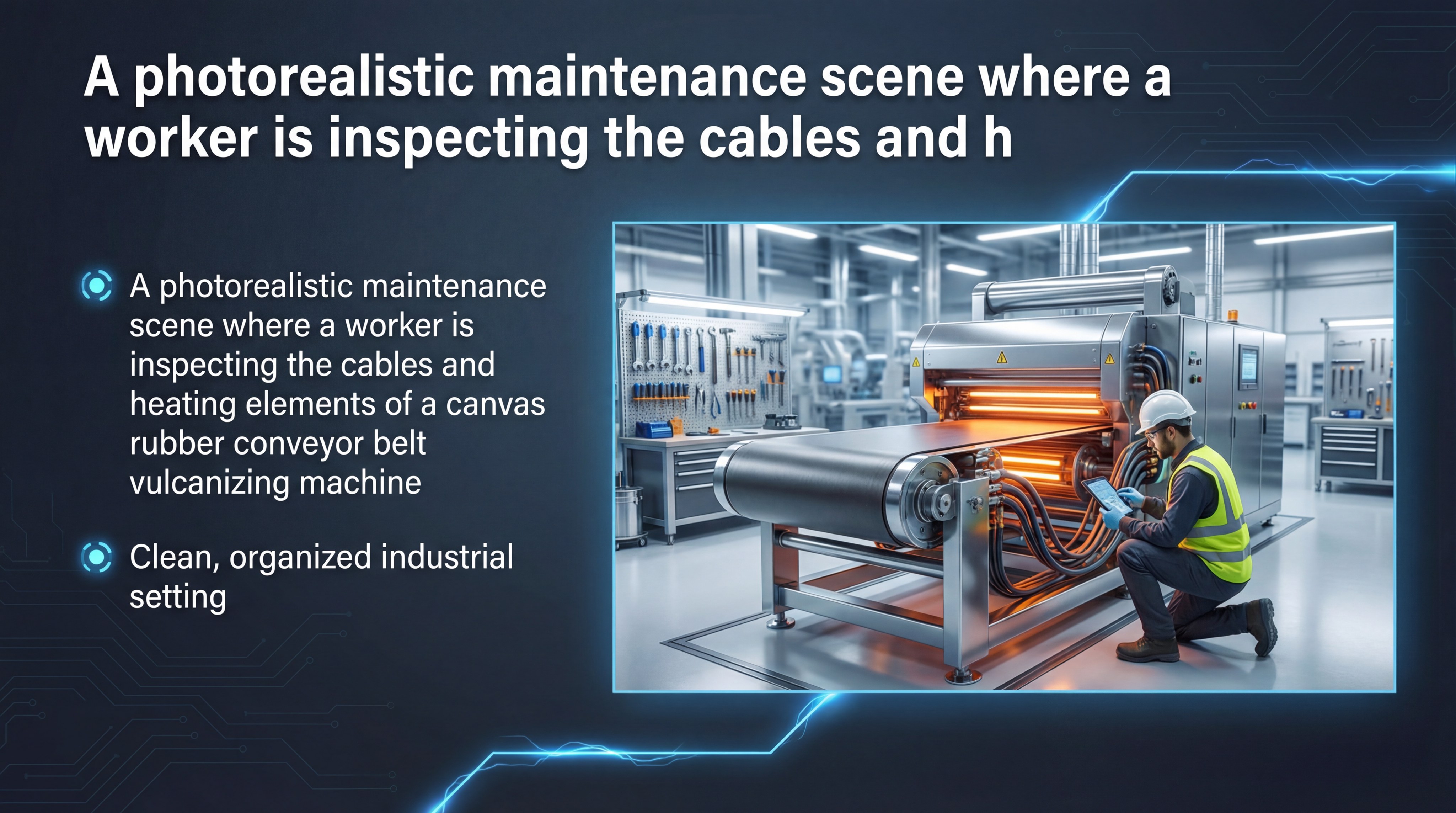
Your maintenance schedule should include monthly electrical checks of the heating elements and a visual inspection of the pressure bags for leaks. Regular care of your canvas rubber conveyor belt vulcanizing equipment prevents catastrophic failures during emergency on-site repairs.
How do you check for plate damage?
Examine the aluminum heating plates for any warping, deep scratches, or signs of oxidation that could affect heat transfer. You should also use a multimeter to verify that the internal resistors are providing the correct resistance and drawing the expected current.
Think about it:
- Dust and rubber residue on the plates act as insulators and cause hot spots.
- Hydraulic oil levels should be topped up to ensure consistent pressure.
- Control cabinet cables must be inspected for fraying or thermal damage.
Here is the deal: A machine that isn’t maintained will fail you exactly when you need it most during a breakdown.
Key Takeaway: Proactive maintenance extends the life of your equipment and ensures every splice meets safety standards.
| Interval | Task | Focus Area | |
|---|---|---|---|
| Weekly | Clean plates and check cables | Surface Integrity/Electrical Safety | |
| Monthly | Pressure test the bag/system | Leak Detection/Seal Health | |
| Quarterly | Calibrate temperature sensors | Accuracy/Control Logic |
Following this maintenance logic ensures that your investment in vulcanizing technology continues to provide value for many years.
How do you select machine dimensions for belt width?
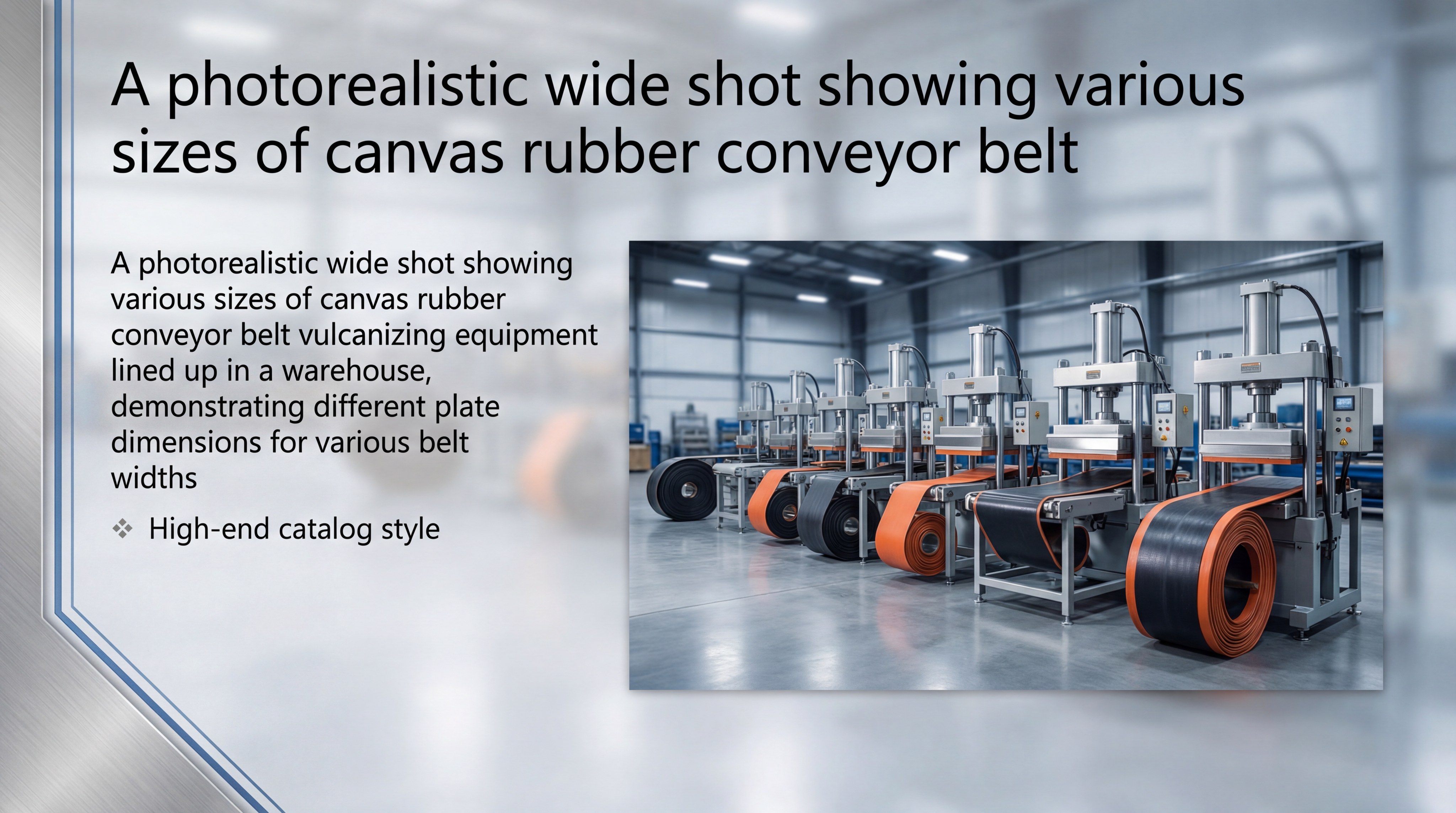
You must choose a machine with heating plates that are at least 100mm wider than your actual conveyor belt to ensure full coverage. In the world of canvas rubber conveyor belt vulcanizing equipment, matching the machine size to your belt specifications is the first step in procurement.
What is the importance of curing length?
The curing length must be long enough to cover the entire diagonal or “stepped” area of the joint plus an additional safety margin. If the heating plates are too short, you will have to perform multiple “heats,” which significantly increases the risk of joint failure.
Look:
- Standard models cover belt widths from 650mm to 2200mm.
- Rectangular plates are best for straight-cut fabric belt joints.
- Rhombic plates are used for bias-cut joints to improve load distribution.
Bottom line: Always select a press that is slightly larger than your current requirements to allow for future system upgrades.
Key Takeaway: Correct machine sizing is the only way to ensure that the heat and pressure are applied uniformly across the entire joint area.
| Model Size | Max Belt Width | Plate Length | |
|---|---|---|---|
| ZLJ-1000 | 1000 mm | 830 mm | |
| ZLJ-1400 | 1400 mm | 830 mm | |
| ZLJ-2000 | 2000 mm | 830 mm |
Choosing the right dimensions ensures that your technical team has the coverage they need to produce a factory-quality splice in the field.
Conclusion
Utilizing professional hot vulcanizing equipment is the most effective way to eliminate conveyor downtime and ensure the safety of your bulk handling operations. By applying precise heat and pressure, you create a chemical bond that restores your canvas rubber belts to their full operational capacity. Don’t let weak joints and temporary fixes slow down your production line any longer. For expert guidance on selecting the right splicing solution for your facility, contact us today to speak with a technical specialist.
FAQ
Can I use this equipment for belts with steel cord reinforcement?Yes, most heavy-duty vulcanizing presses are versatile enough to handle EP, Nylon, Canvas, and Steel cord belts by simply adjusting the pressure and curing parameters within the control cabinet.
What’s the best way to transport this machine to a remote mine site?The modular aluminum design allows the machine to be broken down into individual lightweight components, which can be easily transported in a standard utility vehicle or even manually carried to the conveyor structure.
How do I know if my heating plates need to be replaced?You should replace your heating plates if you notice a temperature variance of more than ± 5°C across the surface, or if the aluminum shows significant physical warping that prevents a flush fit against the belt.
What power supply is standard for these industrial vulcanizers?Most professional-grade machines support a wide range of industrial voltages including 380V, 440V, and 660V at 50/60Hz, typically requiring a 3-phase connection for stable heating.
Is it possible to perform vulcanization in wet or rainy conditions?While the machine is durable, you should always set up a temporary shelter or tent over the splicing area to prevent moisture from entering the joint plies and to protect the electrical control cabinet.